Brief Report - (2025) Volume 14, Issue 5
Received: 01-Sep-2025, Manuscript No. aim-25-177771;
Editor assigned: 03-Sep-2025, Pre QC No. P-177771;
Reviewed: 17-Sep-2025, QC No. Q-177771;
Revised: 22-Sep-2025, Manuscript No. R-177771;
Published:
29-Sep-2025
, DOI: 10.37421/2427-5162.2025.14.589
Citation: Al-Hassan, Fatima Noor. ”Functional Foods: Pillars for Preventive Health and Wellness.” Alt Integr Med 14 (2025):589.
Copyright: © 2025 Al-Hassan N. Fatima This is an open-access article distributed under the terms of the Creative Commons Attribution License, which permits unrestricted use, distribution and reproduction in any medium, provided the original author and source are credited.
Functional foods and nutraceuticals are increasingly recognized for their vital role in the prevention of chronic noncommunicable diseases. These dietary components, abundant in bioactive compounds, contribute significantly to health by exhibiting antioxidant and antiinflammatory properties. Their integration into daily diets offers a natural and proactive approach to disease risk reduction, aligning with comprehensive preventive health strategies. This paradigm shift emphasizes the power of nutrition in maintaining wellness and mitigating the onset of various chronic conditions, promoting a natural defense mechanism within the human body. The ongoing research consistently supports their efficacy, making them a cornerstone in modern preventative medicine [1].
A critical aspect of human health is the modulation of gut microbiota composition and function, an area where functional foods exert a profound influence. The intricate balance of the gut ecosystem is paramount for overall well-being and is directly implicated in disease prevention. Dietary interventions incorporating specific functional ingredients have demonstrated considerable potential in fostering a healthier and more diverse gut microbiota. This integrative approach to wellness underscores the symbiotic relationship between diet, gut health, and systemic physiological processes, highlighting how targeted nutritional strategies can optimize microbial balance for improved health outcomes [2].
Bioactive compounds, inherently present in functional foods, are potent agents with significant antiinflammatory and immunomodulatory effects. Their capacity to influence inflammatory pathways and immune responses is crucial for preventing chronic inflammatory conditions. Furthermore, these compounds play a supportive role in enhancing overall immune health, forming a core tenet of preventive integrative medicine. Understanding the mechanisms by which these compounds interact with biological systems provides insights into developing advanced nutritional strategies for bolstering the bodys natural defenses and reducing disease susceptibility. This comprehensive review highlights their broad therapeutic potential [3].
The convergence of personalized nutrition with functional foods represents a transformative opportunity for precision prevention strategies. Tailoring dietary recommendations to individual genetic profiles, lifestyle factors, and specific health needs allows for optimized health outcomes and more effective disease prevention. This framework suggests that functional ingredients can be precisely selected and integrated into diets to address unique vulnerabilities and strengths of an individual. Such personalized approaches move beyond general dietary guidelines, offering a highly specific and impactful method to maintain health and prevent the development of chronic illnesses, marking a significant advancement in nutritional science [4].
Functional foods offer valuable tools for preventive cardiology through their efficacy in mitigating risk factors for cardiovascular diseases. Compounds such as plant sterols, omega3 fatty acids, and dietary fibers are recognized for their beneficial effects on heart health. These ingredients contribute to reducing cholesterol levels, regulating blood pressure, and improving vascular function. Their inclusion in a regular diet provides a nonpharmacological strategy to support cardiovascular well-being within an integrative health context. This approach underscores the proactive role of dietary choices in managing and preventing one of the leading global health burdens [5].
A systematic review of current evidence illuminates the significant contribution of bioactive compounds from functional foods to cancer prevention. These compounds operate through various mechanisms, including modulating cellular pathways involved in carcinogenesis, reducing oxidative stress, and inhibiting tumor growth and metastasis. The findings suggest that incorporating specific functional foods into the diet can serve as an important complementary strategy in an integrative approach against cancer. This emphasizes the critical role of nutrition in reducing cancer risk and supporting overall cellular health, offering a promising avenue for public health interventions [6].
Functional foods and nutraceuticals demonstrate substantial efficacy in the prevention and management of metabolic syndrome. Key ingredients like polyphenols, fibers, and probiotics are instrumental in improving insulin sensitivity, optimizing lipid profiles, and regulating blood pressure. These dietary components offer a fundamental cornerstone for an integrative approach to metabolic health. By addressing multiple facets of metabolic dysfunction simultaneously, functional foods provide a holistic strategy to combat the complex array of conditions associated with metabolic syndrome, promoting systemic balance and long-term well-being [7].
The intricate connection between the gut and the brain, known as the gutbrain axis, reveals a promising avenue for supporting mental health and cognitive function through functional foods. Prebiotics, probiotics, and other bioactive compounds found in these foods have been shown to positively influence mood regulation, enhance stress response mechanisms, and improve neurological health. This holistic strategy in preventive integrative medicine highlights how dietary interventions can profoundly impact brain function and emotional well-being. Modulating the gut microbiota through diet emerges as a powerful tool for fostering resilience against mental health challenges and supporting cognitive vitality [8].
Current research synthesizes the pivotal role of functional foods in promoting healthy aging and preventing agerelated decline. Specific ingredients within these foods actively combat detrimental processes such as oxidative stress, chronic inflammation, and cellular senescence. By mitigating these factors, functional foods offer a nutritional strategy designed to enhance longevity and improve the quality of life as individuals age. This integrative preventive framework underscores the potential of targeted dietary interventions to support physiological functions, maintain cognitive sharpness, and foster overall vitality throughout the aging process, moving beyond merely extending lifespan to enhancing healthspan [9].
Functional foods are increasingly recognized for their ability to effectively target chronic lowgrade inflammation, a fundamental driver in the pathogenesis of numerous chronic diseases. These foods provide valuable insights into bioactive compounds that possess potent antiinflammatory properties, modulating key inflammatory pathways within the body. Their integration into the diet presents a crucial intervention for both disease prevention and effective management within an integrative medical model. By addressing systemic inflammation, functional foods offer a proactive and natural strategy to safeguard health and reduce the risk of developing a wide spectrum of inflammatoryrelated conditions [10].
The profound significance of functional foods and nutraceuticals in the modern health landscape lies in their capacity to actively prevent chronic noncommunicable diseases. These dietary components, enriched with naturally occurring bioactive compounds, operate through sophisticated mechanisms, primarily leveraging their antioxidant and antiinflammatory attributes. This offers a compelling, natural pathway for reducing disease risk, thereby forming a cornerstone of contemporary preventive health strategies. The proactive incorporation of such foods into daily dietary regimens holds promise for enhancing resilience against various health challenges [1]. Functional foods significantly influence the delicate balance of the gut microbiota, a factor unequivocally linked to human health and disease prevention. The paper emphasizes how specific dietary interventions can profoundly modify the composition and functional capacity of the gut microbiome. By introducing beneficial functional ingredients, these interventions cultivate a healthier gut ecosystem, which is integral to an integrative approach to overall wellness. This direct modulation highlights a powerful dietary strategy for maintaining physiological harmony and preventing microbial dysbiosisrelated conditions [2]. Bioactive compounds found within functional foods are meticulously detailed for their potent antiinflammatory and immunomodulatory capabilities. This review elaborates on their remarkable potential to counteract chronic inflammatory states and substantially bolster immune system function. Such effects are central to the philosophy of preventive integrative medicine, advocating for dietary solutions to enhance intrinsic bodily defenses. The comprehensive understanding of these compounds empowers strategies aimed at fortifying health proactively against a spectrum of inflammatory challenges [3]. The innovative realm of personalized nutrition, when combined with functional foods, unveils extensive opportunities for advancing precision prevention strategies. This approach champions the tailoring of dietary recommendations, integrating specific functional ingredients based on an individuals unique genetic makeup and lifestyle. The objective is to optimize health outcomes and elevate the effectiveness of disease prevention. This bespoke nutritional framework offers a sophisticated method for preemptively addressing health risks and fostering longterm well-being through highly targeted dietary interventions [4]. Various functional foods are critically examined for their proven efficacy in mitigating the risk factors associated with cardiovascular diseases. The review comprehensively outlines how specific compounds, including plant sterols, omega3 fatty acids, and essential dietary fibers, contribute directly to improved heart health. These ingredients represent invaluable dietary tools for preventive cardiology, seamlessly integrating into a holistic health context. Their inclusion underscores a practical and evidencebased strategy for supporting cardiac function and preventing chronic cardiovascular conditions [5]. A systematic compilation of evidence firmly establishes the role of bioactive compounds from functional foods in the prevention of cancer. The review meticulously highlights their multifaceted contributions, which include judicious modulation of cellular pathways, profound reduction of oxidative stress, and effective inhibition of tumor growth. This positions dietary components as a significant and integral element within an overarching integrative strategy for cancer prevention. The findings underscore the importance of nutritional science in developing robust preventative measures against oncological diseases [6]. The scientific discourse around functional foods and nutraceuticals reveals their effectiveness in both preventing and managing metabolic syndrome. Ingredients such as polyphenols, diverse fibers, and beneficial probiotics are shown to critically enhance insulin sensitivity, ameliorate lipid profiles, and stabilize blood pressure. These dietary elements form a crucial cornerstone for an integrative strategy aimed at fostering metabolic health. Their collective action provides a comprehensive dietary intervention for individuals seeking to avert or control the complex manifestations of metabolic syndrome [7]. Exploring the intricate bidirectional communication of the gutbrain axis, this paper illuminates the considerable potential of functional foods to enhance mental health and cognitive function. It meticulously details how prebiotics, probiotics, and other potent bioactive compounds positively influence mood states, fortify stress response mechanisms, and contribute to overall neurological well-being. This represents a profound holistic strategy within preventive integrative medicine, showcasing the direct impact of gutmodulating dietary components on cerebral functions and psychological resilience [8]. The current body of research is synthesized to articulate the significant contribution of functional foods to promoting healthy aging and actively combating agerelated decline. The review highlights how specific ingredients adeptly neutralize oxidative stress, diminish chronic inflammation, and impede cellular senescence. This offers a potent nutritional strategy geared towards extending longevity and markedly improving the quality of life throughout the aging process. The integrative preventive framework posits these foods as essential for maintaining vitality and cognitive health in later years [9]. Functional foods are particularly adept at targeting chronic lowgrade inflammation, an acknowledged principal orchestrator of numerous chronic diseases. The article offers deep insights into the specific bioactive compounds capable of modulating intricate inflammatory pathways. Incorporating these foods into the diet presents an invaluable dietary intervention, foundational for both disease prevention and effective management within an integrative medical paradigm. This strategic dietary inclusion underscores a proactive approach to mitigating widespread inflammatory conditions and fostering sustained health [10].
Functional foods and nutraceuticals are pivotal in modern preventive health, primarily due to their bioactive compounds which exhibit antioxidant, antiinflammatory, and immunomodulatory effects. These dietary components play a significant role in preventing chronic noncommunicable diseases, including cardiovascular diseases, metabolic syndrome, and cancer, by modulating cellular pathways and reducing oxidative stress. Beyond systemic health, functional foods are instrumental in optimizing gut microbiota composition, which in turn influences overall human health, mental well-being, and cognitive function through the gutbrain axis. The integration of these foods supports healthy aging by combating agerelated decline, inflammation, and cellular senescence. Furthermore, personalized nutrition strategies are emerging, utilizing specific functional ingredients tailored to individual needs for precision prevention. This holistic approach emphasizes dietary interventions as a cornerstone for enhancing resilience, managing inflammation, and promoting longterm wellness across various physiological systems.
None
None
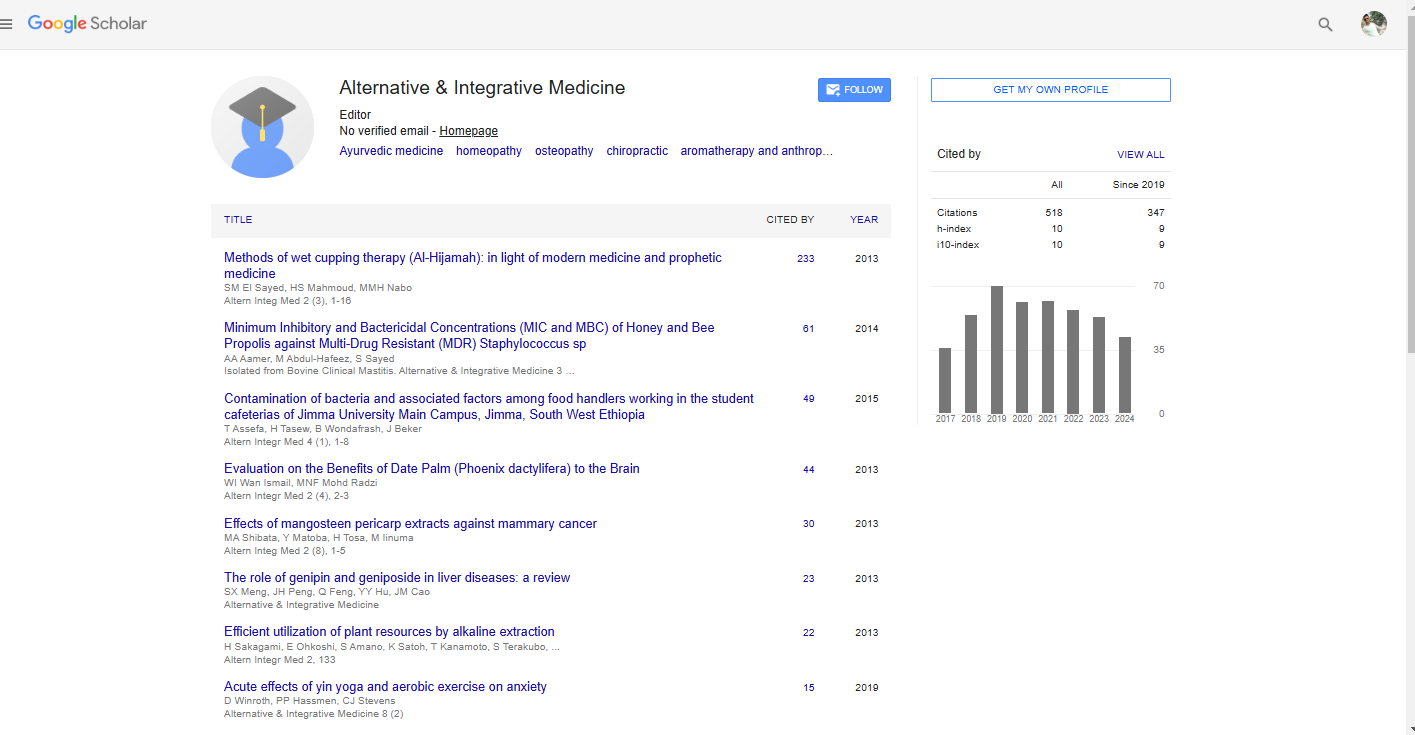
Alternative & Integrative Medicine received 476 citations as per Google Scholar report