Opinion - (2025) Volume 9, Issue 6
Received: 03-Nov-2025, Manuscript No. jchd-26-185719;
Editor assigned: 05-Nov-2025, Pre QC No. P-185719;
Reviewed: 19-Nov-2025, QC No. Q-185719;
Revised: 24-Nov-2025, Manuscript No. R-185719;
Published:
01-Dec-2025
, DOI: 10.37421/2684-6020.2024.9.275
Citation: Yoshida, Haruto. ”Exercise: The Cornerstone Of Heart
Health.” J Coron Heart Dis 09 (2025):275.
Copyright: © 2025 Yoshida H. This is an open-access article distributed under the terms of the Creative Commons Attribution License, which permits unrestricted use,
distribution and reproduction in any medium, provided the original author and source are credited.
Regular physical activity stands as a cornerstone in the prevention and management of cardiovascular disease, particularly coronary heart disease (CHD). Its multifaceted benefits extend to significantly improving cardiovascular health and even reversing established risk factors that predispose individuals to CHD. Exercise demonstrably enhances endothelial function, a critical component of vascular health, and concurrently reduces systemic inflammation, another key player in the atherosclerotic process. Furthermore, it plays a pivotal role in optimizing lipid profiles, leading to a reduction in detrimental LDL cholesterol and triglycerides, while beneficially increasing HDL cholesterol, often referred to as the 'good' cholesterol. These metabolic improvements are crucial for maintaining healthy blood vessels and preventing the buildup of arterial plaque.
Beyond its effects on lipids and inflammation, exercise is instrumental in weight management, helping individuals achieve and maintain a healthy body mass index. Excess weight, especially visceral fat, is strongly linked to numerous cardiovascular risk factors, including hypertension and impaired glucose metabolism. By promoting calorie expenditure during activity and potentially increasing resting metabolic rate, exercise aids in fat loss and overall body composition improvement. This dual action directly combats the adverse effects of obesity on the cardiovascular system. Blood pressure control is another significant advantage conferred by regular physical activity. For individuals with hypertension, exercise has been shown to effectively lower both systolic and diastolic blood pressure readings. This reduction is achieved through various physiological mechanisms, including improved vascular compliance, which allows blood vessels to expand and contract more readily, and a decrease in sympathetic nervous system overactivity, which can constrict blood vessels and elevate pressure. These effects are vital for reducing the strain on the heart and blood vessels. Endothelial dysfunction is a critical early step in the development of atherosclerosis, and exercise offers a powerful means to improve it. Physical activity stimulates the production of nitric oxide (NO), a potent vasodilator that relaxes and widens blood vessels, thereby enhancing blood flow and reducing the conditions that favor plaque formation. This improved vascular tone and reduced shear stress on the vessel walls are direct mechanisms by which exercise combats the progression of CHD. The impact of exercise on inflammation is profound and directly relevant to reversing CHD risk. Inflammation is increasingly recognized as a central driver of atherosclerosis, contributing to plaque instability and rupture, which can lead to heart attacks and strokes. Exercise exhibits potent anti-inflammatory effects by modulating the balance of pro-inflammatory and anti-inflammatory mediators, helping to stabilize atherosclerotic lesions and reduce the likelihood of acute cardiovascular events. For individuals managing or at risk of developing type 2 diabetes, exercise is an indispensable component of care. It significantly improves insulin sensitivity, enabling the body's cells to utilize glucose more effectively and lowering blood glucose levels. This metabolic improvement is crucial, as diabetes dramatically increases the risk of CHD. By enhancing glucose control, exercise not only mitigates diabetes-related complications but also contributes to broader cardiovascular health enhancements. The process of angiogenesis, the formation of new blood vessels, is stimulated by exercise and offers a direct benefit to cardiac function. This enhanced vascularization improves blood supply to the heart muscle, which is particularly important for individuals with existing coronary artery disease. Better blood flow can help to salvage ischemic heart tissue and improve the heart's overall pumping efficiency and resilience. Weight management, a key benefit of exercise, also contributes to improved blood lipid profiles. By reducing excess body fat, exercise indirectly influences cholesterol and triglyceride levels, complementing its direct effects on lipid metabolism. This holistic approach to weight and metabolic health reinforces the cardiovascular protective effects of physical activity. The psychological benefits of exercise are also closely intertwined with cardiovascular health and disease management. Regular physical activity is well-known to reduce stress, anxiety, and depression, while simultaneously improving mood and self-efficacy. These mental health improvements can foster greater adherence to other healthy lifestyle choices, such as dietary modifications and smoking cessation, thereby amplifying the overall impact on CHD risk. In summary, the evidence overwhelmingly supports the role of regular physical activity as a potent intervention for reducing cardiovascular disease risk and managing existing conditions. Its diverse physiological and psychological impacts, from improving vascular function and metabolic markers to enhancing mental well-being, make it an indispensable strategy in the fight against coronary heart disease. The consistent application of tailored exercise programs is thus a vital component of comprehensive cardiovascular care and prevention.Regular physical activity is recognized for its substantial impact on cardiovascular health and its capacity to ameliorate several risk factors associated with coronary heart disease (CHD). Exercise fundamentally enhances endothelial function, a critical determinant of vascular health, and actively reduces systemic inflammation, a key pathological process in atherosclerosis. Furthermore, it significantly influences lipid profiles, contributing to a decrease in LDL cholesterol and triglycerides while promoting an increase in HDL cholesterol, thereby improving the overall lipid environment of the blood and reducing the risk of plaque formation.
Beyond its direct effects on lipid metabolism and inflammation, exercise is a crucial component of weight management strategies. By facilitating the loss of excess body fat, particularly visceral adipose tissue, exercise leads to improvements in associated metabolic derangements such as elevated blood pressure and dysglycemia, both of which are significant contributors to cardiovascular risk. The dual action of calorie expenditure during physical activity and potential increases in resting metabolic rate contributes to a healthier body composition. Blood pressure regulation is another critical area where exercise demonstrates considerable efficacy. Regular engagement in physical activity has been shown to effectively lower both systolic and diastolic blood pressure in individuals suffering from hypertension. This hypotensive effect is mediated by various mechanisms, including enhanced vascular compliance and a reduction in sympathetic nervous system activity, both of which are essential for maintaining optimal cardiovascular function and reducing the workload on the heart. Improving endothelial function is paramount in the prevention and regression of CHD, and exercise is a direct stimulant of this process. Physical activity promotes the release of nitric oxide (NO), a molecule that plays a vital role in vasodilation, improving blood flow throughout the circulatory system and inhibiting the development of atherosclerotic lesions. This enhancement of vascular health is a direct and powerful mechanism by which exercise combats cardiovascular disease. Inflammation serves as a primary driver in the pathogenesis of atherosclerosis, and exercise possesses potent anti-inflammatory properties that contribute to reversing CHD risk. By modulating the levels of pro-inflammatory cytokines and augmenting the production of anti-inflammatory mediators, exercise helps to stabilize atherosclerotic plaques, rendering them less prone to rupture, a common precursor to acute cardiovascular events such as heart attacks. For individuals with diabetes mellitus, exercise is an indispensable tool for managing blood glucose levels and mitigating their significantly elevated risk of developing CHD. Exercise enhances insulin sensitivity, thereby improving the body's ability to utilize glucose efficiently. This metabolic advantage, coupled with broader cardiovascular benefits, makes exercise a critical component of diabetes care. The stimulation of angiogenesis, the formation of new blood vessels, is another significant benefit of exercise that directly impacts myocardial perfusion. This improvement in blood supply to the heart muscle can be instrumental in preventing or reversing ischemia caused by reduced blood flow in conditions like coronary artery disease, thereby improving cardiac function and exercise capacity. Weight management, facilitated by exercise, indirectly contributes to improved blood lipid profiles. The reduction of adiposity, especially in the abdominal region, positively influences metabolic parameters including cholesterol and triglyceride levels, thereby synergizing with the direct effects of exercise on lipid metabolism to further reduce CHD risk. Beyond its physiological effects, exercise exerts a positive influence on psychological well-being, which is often intricately linked to cardiovascular health. Reductions in stress, anxiety, and depression, alongside improvements in mood and a heightened sense of self-efficacy, can foster greater adherence to a healthy lifestyle. This enhanced mental state indirectly contributes to better management and potential reversal of CHD risk factors. In conclusion, the comprehensive impact of regular physical activity on numerous physiological and psychological systems underscores its critical role in the prevention, management, and potential reversal of coronary heart disease. Its ability to favorably modulate risk factors, enhance vascular function, and improve overall well-being makes it an essential component of a proactive approach to cardiovascular health.Regular physical activity is fundamental for improving cardiovascular health and reducing the risk of coronary heart disease (CHD). Exercise enhances endothelial function, reduces inflammation, and optimizes lipid profiles by lowering LDL cholesterol and triglycerides while increasing HDL cholesterol. It is also crucial for weight management and blood pressure control, both key factors in preventing heart disease. By stimulating nitric oxide production, exercise improves blood flow and vascular health, helping to slow or reverse plaque buildup. Its anti-inflammatory effects stabilize atherosclerotic plaques, preventing heart attacks. For individuals with diabetes, exercise improves insulin sensitivity and blood glucose control, significantly lowering their elevated CHD risk. Furthermore, exercise promotes angiogenesis, the growth of new blood vessels, improving blood supply to the heart. Beyond physical benefits, exercise positively impacts mental health, reducing stress and improving mood, which can lead to better adherence to healthy lifestyle choices. Overall, a consistent exercise regimen is a cornerstone of CHD prevention and management.
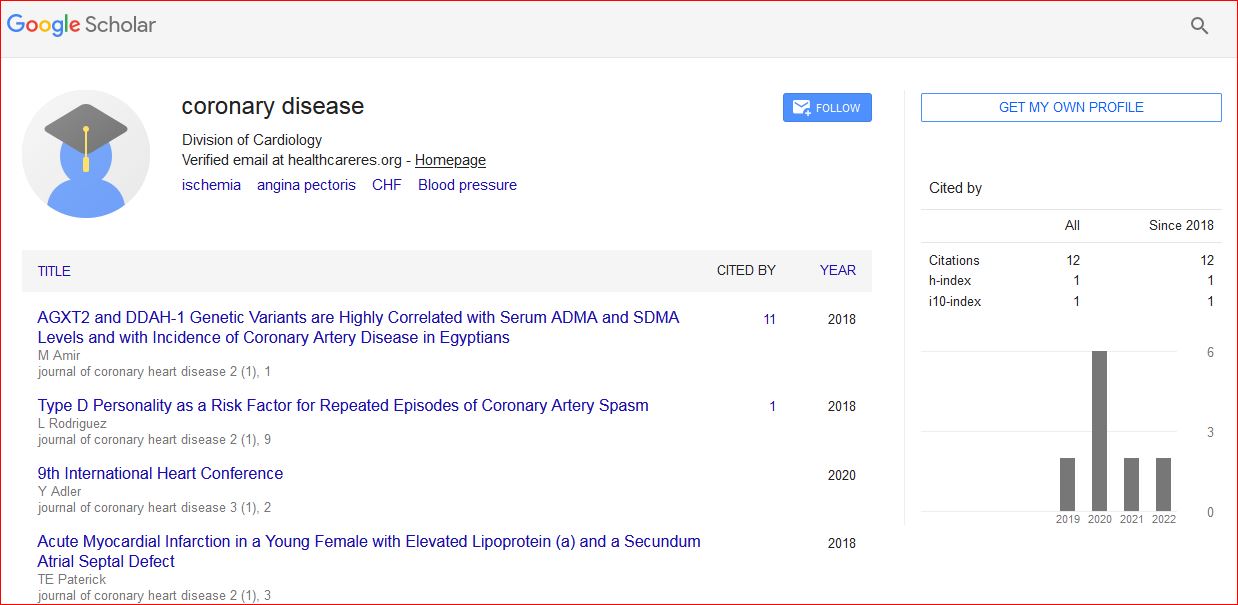
Journal of Coronary Heart Diseases received 15 citations as per Google Scholar report