Opinion - (2026) Volume 17, Issue 1
Received: 21-Dec-2024, Manuscript No. BEJ-24-156023;
Editor assigned: 24-Dec-2024, Pre QC No. BEJ-24-156023 (PQ);
Reviewed: 08-Jan-2025, QC No. BEJ-24-156023;
Revised: 12-Feb-2026, Manuscript No. BEJ-24-156023 (R);
Published:
19-Feb-2026
, DOI: 10.37421/2161-6219.2026.17.594
Citation: Henning, Peter. "Examining Various Influences on an Algorithm during the Forecasting Process and their Effect on Algorithm Aversion." Bus Econ J 17 (2026): 594.
Copyright: © 2026 Henning P. This is an open-access article distributed under the terms of the creative commons attribution license which permits unrestricted use, distribution and reproduction in any medium, provided the original author and source are credited.
Algorithms have become an integral part of decision-making processes across various industries, particularly in forecasting and predictive analytics. From predicting consumer behavior to anticipating stock market trends or forecasting weather conditions, algorithms offer accuracy, efficiency, and scalability that surpass traditional human judgment in many scenarios. However, despite their capabilities, algorithm aversion the tendency of people to distrust and reject algorithms remains a significant challenge. Understanding how different kinds of influences on an algorithm during its forecasting process impact algorithm aversion are crucial for improving trust and adoption rates. Examining these influences can provide insight into the psychological, technical, and contextual factors that shape perceptions of algorithms. One of the primary influences on an algorithm's forecasting process is the data it uses. Data quality, quantity, and relevance are critical determinants of an algorithm's output accuracy. High-quality, unbiased data enables algorithms to produce forecasts that align closely with actual outcomes. However, when data is incomplete, outdated, or biased, the resulting forecasts may be inaccurate, leading to skepticism and decreased trust among users. For example, an algorithm predicting customer preferences might falter if its data lacks diversity or fails to account for changing trends. Users may perceive these errors as evidence of the algorithm's inherent limitations, thereby increasing algorithm aversion. Addressing this issue requires transparency in data selection and preprocessing, ensuring that users understand the constraints and potential limitations of the data being used.
The design and functionality of the algorithm itself also significantly influence user trust and acceptance. Factors such as model complexity, explain ability, and adaptability play a role in shaping perceptions. Algorithms that are perceived as "black boxes," where users cannot understand how inputs are transformed into outputs, often face greater resistance. This lack of transparency can lead to mistrust, particularly if users cannot verify the logic behind the forecasts. Explainable AI has emerged as a solution to this challenge, offering tools and techniques that make algorithmic decisions more interpretable. When users can trace the reasoning process of an algorithm and identify the factors contributing to its forecasts, they are more likely to trust its outputs and rely on its recommendations. Conversely, overly complex or opaque models can exacerbate algorithm aversion by creating a sense of unpredictability or unreliability. Human involvement in the forecasting process is another crucial influence on algorithm aversion. Algorithms often operate within a broader decision-making framework where humans play a role in their deployment, supervision, or adjustment. Paradoxically, while algorithms are designed to minimize human error, users tend to revert to human judgment when they perceive an algorithm to be fallible. This phenomenon is particularly evident when an algorithm makes a high-profile error, even if its overall performance surpasses that of human experts. For instance, an algorithm used in hiring may be abandoned if it overlooks a highly qualified candidate, despite consistently outperforming human recruiters on other metrics. The human tendency to overestimate personal competence and underestimate the capabilities of algorithms further exacerbates this issue.
The context in which algorithms are applied also influences user acceptance. Certain domains, such as medical diagnoses or criminal justice, are inherently sensitive and involve high stakes. In these cases, users may exhibit greater aversion to algorithms, as errors can have serious consequences. This aversion often stems from ethical concerns and the perceived lack of empathy or accountability in algorithmic decision-making. For example, an algorithm used to allocate healthcare resources may be met with resistance if users believe it fails to account for individual patient circumstances or societal inequities. In contrast, algorithms applied in low-stakes or less personal contexts, such as recommending movies or optimizing supply chains, are often more readily accepted. Understanding these contextual nuances is essential for designing algorithms that align with user expectations and ethical considerations.
Another significant factor influencing algorithm aversion is prior user experience. Individuals who have previously interacted with algorithms that produced inaccurate or biased forecasts are more likely to distrust similar systems in the future. Negative experiences can create a lasting impression, reinforcing skepticism and resistance. Conversely, positive experiences, where algorithms consistently deliver reliable and accurate forecasts, can build trust and reduce aversion. This highlights the importance of consistency in algorithmic performance. Developers must prioritize rigorous testing and validation to ensure that algorithms perform as expected across various scenarios. Continuous improvement based on user feedback is also critical for maintaining trust and addressing concerns as they arise. Education and awareness about algorithmic processes play a pivotal role in mitigating algorithm aversion. Many users lack a clear understanding of how algorithms function, leading to misconceptions and unrealistic expectations. Some users may expect algorithms to be infallible, while others may doubt their ability to handle complex tasks. Providing users with accessible information about the strengths and limitations of algorithms can help bridge this gap. For example, offering training sessions, interactive tutorials, or visual explanations of algorithmic workflows can empower users to make informed decisions about when and how to rely on algorithms. This educational approach fosters a more balanced perspective, reducing unwarranted aversion while encouraging critical evaluation of algorithmic outputs.
The role of algorithm performance cannot be overlooked when examining algorithm aversion. Algorithms that consistently demonstrate superior accuracy and reliability compared to human judgment are more likely to gain user trust. However, performance alone is not sufficient to overcome aversion. Users must perceive the algorithm as both competent and aligned with their goals. For instance, an algorithm that predicts stock prices with high accuracy may still face resistance if users believe it prioritizes short-term gains over long-term stability. Building trust requires not only delivering high-quality forecasts but also aligning algorithmic objectives with user values and expectations. Social and organizational influences also shape attitudes toward algorithms. In workplaces, the adoption of algorithms is often influenced by company culture, leadership, and peer behavior. Employees are more likely to trust and accept algorithms if they perceive them as tools that enhance, rather than replace, human expertise. Clear communication from leadership about the role of algorithms in decision-making, coupled with opportunities for employee input, can foster a collaborative approach. Similarly, in consumer contexts, societal attitudes and media portrayals of algorithms can impact user perceptions. High-profile cases of algorithmic bias or failure often receive significant attention, shaping public opinion and reinforcing aversion. Addressing these societal influences requires proactive efforts to promote transparency, fairness, and accountability in algorithmic development.
Various influences on an algorithm during its forecasting process, including data quality, design, human involvement, context, prior experience, education, performance, and societal factors, significantly impact algorithm aversion. Overcoming this aversion requires a multifaceted approach that addresses both technical and human-centric aspects. By ensuring data integrity, enhancing transparency, incorporating user feedback, and aligning algorithmic objectives with ethical considerations, developers can build trust and foster greater acceptance. Education and awareness efforts are equally important, empowering users to engage with algorithms confidently and critically. As algorithms continue to play an increasingly central role in decision-making, understanding and addressing the factors that drive algorithm aversion will be crucial for maximizing their potential benefits while minimizing resistance.
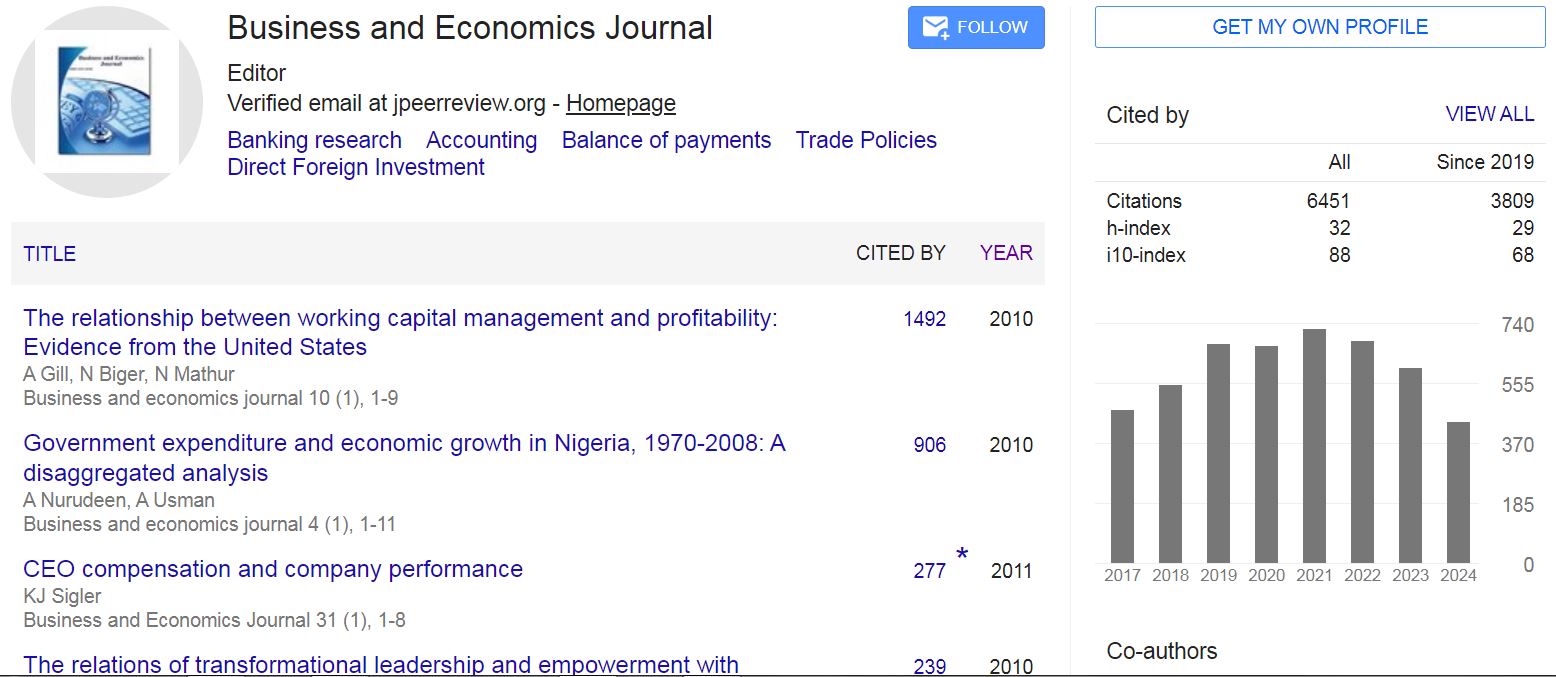
Business and Economics Journal received 6451 citations as per Google Scholar report