Commentary - (2025) Volume 14, Issue 3
Received: 01-May-2025, Manuscript No. VTE-26-180088;
Editor assigned: 05-May-2025, Pre QC No. P-180088;
Reviewed: 19-May-2025, QC No. Q-180088;
Revised: 22-May-2025, Manuscript No. R-180088;
Published:
29-May-2025
, DOI: 10.37421/2376-1318.2025.14.375
Citation: Muller, Andreas. ”Evolving Dietary Reference Intakes: Science, Gaps, and Future.” Vitam Miner 14 (2025):375.
Copyright: © 2025 Muller A. This is an open-access article distributed under the terms of the Creative Commons Attribution License, which permits unrestricted use, distribution and reproduction in any medium, provided the original author and source are credited.
The establishment and continuous refinement of Dietary Reference Intakes (DRIs) for essential vitamins and minerals represent a cornerstone of public health nutrition, guiding recommendations for healthy populations. Recent years have witnessed significant updates and ongoing challenges in this critical domain, reflecting evolving scientific understanding and the complexities of modern dietary patterns. The overarching goal remains to ensure that DRIs are scientifically robust, practically applicable, and effectively promote optimal health across diverse demographic groups. This introduction will delve into the multifaceted aspects of these updates and challenges, drawing upon the latest research to provide a comprehensive overview of the current landscape of DRI setting. The first study highlights the essentiality of DRIs for vitamins and minerals, emphasizing recent shifts in recommended nutrient levels, particularly for vulnerable populations, and the inherent difficulties in adapting these guidelines to evolving scientific knowledge and diverse dietary patterns. The authors underscore the imperative for continuous reevaluation and enhanced methodologies to maintain the relevance and actionability of DRIs for public health [1].
A second publication meticulously examines the scientific foundation underpinning updated DRI values for specific micronutrients, with a keen focus on the evidence supporting both efficacy and safety. This research addresses the formidable task of synthesizing a wide array of research findings, including epidemiological studies, randomized controlled trials, and metabolic investigations, to inform these crucial recommendations. Furthermore, it touches upon the transformative role of technological advancements in nutritional assessment and their potential to refine future DRI updates [2].
The third piece of literature critically explores the profound implications of updated DRIs for specific populations, such as pregnant women, older adults, and individuals grappling with chronic diseases. It elucidates the subtle nuances in nutrient requirements that frequently necessitate the development of tailored recommendations and discusses the practical hurdles encountered in implementing these specialized guidelines within clinical and public health frameworks. The authors strongly advocate for increased consideration of life-stage and health status when interpreting and applying DRI values [3].
Another significant area of concern involves the challenges inherent in harmonizing DRI values across different countries and geographical regions. This research delves into how variations in prevalent dietary habits, distinct genetic predispositions, and diverse environmental factors can substantially influence individual nutrient needs and complicate the endeavor of establishing globally consistent guidelines. The article proffers avenues for enhanced international collaboration aimed at refining methodologies and fostering greater scientific consensus [4].
Furthermore, a dedicated review scrutinizes the evolving comprehension of micronutrient bioavailability and its critical impact on the process of DRI setting. This investigation explores how a multitude of factors, including the food matrix, nutrient interactions within the diet, and individual physiological status, can significantly alter the absorption and utilization of vitamins and minerals, thereby presenting a substantial challenge to establishing adequate intake levels. The authors strongly advocate for the more robust incorporation of bioavailability data into future DRI calculations [5].
The complex issue of setting DRIs for nutrients where the evidence of deficiency is infrequent, yet the potential for harm arising from excessive intake is a distinct possibility, is also addressed. This discussion encompasses the utilization of Tolerable Upper Intake Levels (ULs) and the intricate complexities associated with determining these levels for a broad spectrum of vitamins and minerals, while also considering various sources of intake from both food and supplements. The authors underscore the paramount importance of adopting a balanced approach to nutrient recommendations [6].
A novel frontier in DRI setting is explored through an investigation into the profound influence of the gut microbiome on nutrient metabolism and its subsequent implications for DRI formulation. This research examines how microbial activity can significantly affect the synthesis, absorption, and utilization of specific vitamins and minerals, thereby introducing a new set of challenges for traditional DRI approaches. The authors posit that future recommendations may need to strategically account for host-microbiome interactions [7].
The practical challenges of integrating information concerning phytates and other dietary inhibitors of mineral absorption into DRI calculations are also critically examined. This analysis highlights the pressing need for more refined methodologies to accurately account for the complex interactions that occur between minerals and various food components, particularly in populations that exhibit a high consumption of plant-based diets. The article strongly emphasizes the importance of considering the overall dietary context in these estimations [8].
The intricate role of genetics and epigenetics in modulating individual nutrient requirements and their subsequent influence on DRI setting is another crucial area of investigation. This research discusses how variations in individual genetic makeup can profoundly affect the metabolism and utilization of vitamins and minerals, presenting a significant hurdle for the establishment of universally applicable, population-wide recommendations. The authors advocate for the development and implementation of more personalized approaches to nutritional guidance [9].
Finally, a comprehensive examination is presented regarding the challenges intrinsically linked to updating DRIs in the prevailing context of widespread micronutrient supplementation. This analysis addresses the potential for exceeding established ULs due to the combined intake from multiple supplement sources and underscores the critical need for a more profound understanding of nutrient-supplement interactions. The article forcefully emphasizes the importance of judicious supplement use and the adherence to evidence-based recommendations [10].
The field of nutritional science continuously evolves, necessitating regular updates to the guidelines that inform public health and individual dietary choices. Dietary Reference Intakes (DRIs) for vitamins and minerals serve as critical benchmarks, and their ongoing revision is a complex process influenced by a multitude of scientific, societal, and environmental factors. This section will elaborate on the intricate considerations involved in setting and updating DRIs, referencing key studies that illuminate these challenges and advancements. The first article provides a broad overview of the recent updates and persistent challenges associated with DRIs for vitamins and minerals, highlighting shifts in recommended nutrient levels, especially for vulnerable groups, and the complexities of adapting guidelines to new scientific evidence and diverse diets. It stresses the need for ongoing reevaluation and improved methods to ensure DRIs remain relevant for public health [1].
The second publication delves into the scientific evidence guiding the revision of DRI values for specific micronutrients, focusing on efficacy and safety. It addresses the difficulty in synthesizing diverse research, from epidemiological studies to controlled trials, and acknowledges the role of technology in refining nutritional assessments and future DRI updates [2].
The third study examines the implications of updated DRIs for specific populations like pregnant women, older adults, and those with chronic conditions. It emphasizes the need for tailored recommendations due to varying nutrient requirements and discusses the practical challenges of implementing these guidelines in clinical and public health settings, advocating for greater consideration of life-stage and health status [3].
The fourth article tackles the complexities of harmonizing DRI values globally, considering how varied dietary habits, genetics, and environmental factors influence nutrient needs and complicate the establishment of uniform guidelines. It proposes international collaboration to refine methodologies and achieve greater consensus [4].
The fifth review focuses on micronutrient bioavailability, a critical factor influencing DRI setting. It explores how food matrices, nutrient interactions, and physiological status affect absorption and utilization, posing a challenge for establishing adequate intake levels, and calls for more robust integration of bioavailability data into future DRI calculations [5].
The sixth paper addresses the challenge of setting Tolerable Upper Intake Levels (ULs) for nutrients where deficiency is rare but excessive intake can be harmful. It discusses the complexities in determining ULs from food and supplements and stresses the importance of a balanced approach to nutrient recommendations [6].
The seventh paper investigates the impact of the gut microbiome on nutrient metabolism and its implications for DRI setting. It highlights how microbial activity can affect vitamin and mineral absorption and utilization, presenting a novel challenge, and suggests future recommendations may need to consider host-microbiome interactions [7].
The eighth study discusses the challenge of incorporating dietary inhibitors like phytates into mineral absorption assessments for DRI calculations. It stresses the need for refined approaches to account for complex interactions, especially in plant-based diets, and emphasizes the importance of the overall dietary context [8].
The ninth article explores the influence of genetics and epigenetics on nutrient requirements and DRI setting. It discusses how individual genetic variations affect nutrient metabolism, posing a challenge for population-wide recommendations, and calls for more personalized nutritional guidance [9].
The tenth publication examines the challenges of updating DRIs in the context of widespread micronutrient supplementation. It addresses the potential for exceeding ULs from multiple supplement sources and the need for a better understanding of nutrient-supplement interactions, emphasizing judicious supplement use and evidence-based recommendations [10].
This collection of research highlights the dynamic nature of establishing Dietary Reference Intakes (DRIs) for vitamins and minerals. Recent updates to DRIs are influenced by evolving scientific understanding, particularly concerning vulnerable populations and the complexities of diverse dietary patterns. Key challenges include synthesizing broad research findings, tailoring recommendations for specific groups, and harmonizing guidelines globally. Factors such as micronutrient bioavailability, the gut microbiome, dietary inhibitors, and individual genetics present new frontiers for DRI setting. Furthermore, the widespread use of micronutrient supplements adds another layer of complexity, necessitating careful consideration of Tolerable Upper Intake Levels and nutrient-supplement interactions. The overarching theme emphasizes the continuous need for reevaluation, improved methodologies, and a personalized approach to ensure DRIs remain relevant and effective for public health.
None
None
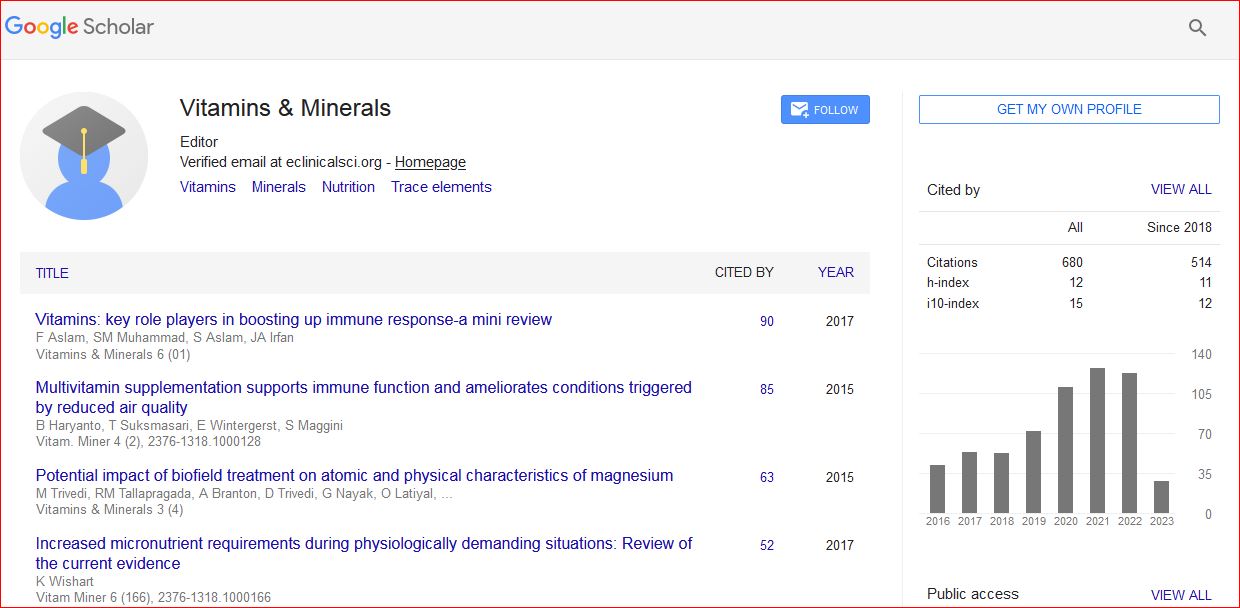
Vitamins & Minerals received 790 citations as per Google Scholar report