Research Article - (2025) Volume 14, Issue 5
Received: 08-Sep-2025, Manuscript No. mcce-25-170813;
Editor assigned: 10-Sep-2025, Pre QC No. P-170813;
Reviewed: 25-Sep-2025, QC No. Q-170813;
Revised: 02-Oct-2025, Manuscript No. R-170813;
Published:
10-Nov-2025
, DOI: 10.5281/zenodo.17718612
Citation: Elhassan, Ibrahim, Ahmed Sahly, Seham Elamin and Aymen Abdelhaleem, et al. “Detection of Asymptomatic Plasmodium Falciparum Infections by PCR: A Cross-sectional Survey during the Malaria Elimination Programme in Jazan Province, Saudi Arabia.” Malar Contr Elimination 14 (2025): 390.
Copyright: © 2025 Elhassan I, et al. This is an open-access article distributed under the terms of the Creative Commons Attribution License, which permits unrestricted use, distribution reproduction in any medium, provided the original author source are credited.
Background: While the world has made great strides against malaria continuing to be a public health challenge, especially in areas approaching elimination, the situation in the Jazan Province of Saudi Arabia is a bit more optimistic. Saudi Arabia has spent significant efforts since 2004 controlling Plasmodium falciparum transmission and as a result has lowered the rate of locally acquired P. falciparum cases to only two recorded cases as of 2018. That being said, asymptomatic and submicroscopic cases could undermine elimination efforts. This study examined the prevalence of asymptomatic infections in a low transmission setting through molecular diagnostics.
Methods: A cross-sectional community-based survey was carried out In Samtah Province in southeastern Jazan. Blood samples were collected from 230 healthy, asymptomatic individuals ages 2–65 and were tested by microscopy, by Rapid Diagnostic Tests (RDTs) and by real time Polymerase Chain Reaction (PCR). DNA was extracted from dried blood spots using the QIAamp DNA Mini Kit (Hilden, Germany) and the samples were analyzed using the FTD Malaria PCR Kit (Cat# FTD-39-64, Luxembourg).
Results: By microscopy and RDTs, we found no malaria and a 0% prevalence with standard methods. The PCR detection showed P. falciparum DNA in three individuals, equating to a 1.3%-point prevalence. These infections were asymptomatic, submicroscopic infections which were also not detected by routine diagnostics. While local transmission appears to be decreasing, imported cases and hidden reservoirs present some of the greatest challenges to elimination.
Conclusion: surveillance systems should incorporate molecular diagnostics that identify low-density infections in order to eradicate and sustain malaria. Active case detection and the integration of sensitive tools into national programs should to be prioritized, especially in low-endemic conditions.
Asymptomatic malaria • Plasmodium falciparum • Submicroscopic infection • PCR • Malaria elimination • Saudi Arabia
Malaria is still a global public health threat. Although there were decades of progress, a confluence of factors has slowed our progress toward malaria control in recent years. Some factors are the COVID-19 pandemic, climate change, drug and insecticide resistance and infrastructure issues. In 2022, there were an estimated 247 million cases of malaria with over 600,000 deaths from the disease, according to the WHO World Malaria Report 2022 [1]. The World Health Organization (WHO), through its Global Malaria Programme in collaboration with national governments and international partners, is leading sustained global efforts to eliminate malaria as a public health threat. As part of its integrated strategy, WHO recommends interventions that include reducing transmission through vector control, ensuring access to appropriate case management and treatment, strengthening surveillance systems and scaling up preventive measures such as insecticide-treated nets and indoor residual spraying [2].
Global elimination endeavors focus on integrating scientific research, large-scale public health implementations and community engagement. Despite challenges such as drug resistance, limits in diagnostics and the existence of asymptomatic carriers, elimination is considered achievable in many areas, provided that sustained commitment and resources are allocated [3].
In the Kingdom of Saudi Arabia (KSA), malaria elimination has become an objective of public health interest. Malaria control strategies, including vector control and active case detection, have significantly reduced transmission of both P. falciparum and P. vivax. There is a long history of evidence that indoor residual spraying and other interventions reduced malaria, even dating back to the 1950s [4]. In Jazan Province, located in southern KSA, malaria elimination efforts between 2000 and 2014 led to a dramatic decline in locally acquired cases, from thousands annually to an average of 0.3 cases per 10,000 population after intensive control interventions [5]. Imported cases, however, remain a major threat, with 250–830 reported annually, largely from neighboring endemic countries such as Yemen and Ethiopia [6].
Aside from importation, asymptomatic and low-parasitemia infections represent another major barrier to elimination. These undetectable (or silent) infections are usually missed by conventional diagnostics and act as hidden reservoirs for transmission [3]. Asymptomatic 'carriers' who have chronic low-density infections will not seek treatment and can transmit to mosquitoes, thereby posing challenges to elimination.
Therefore, identifying and treating asymptomatic P. falciparum carriers is essential to interrupt transmission and prevent resurgence. Previous studies have highlighted the critical role of molecular diagnostics in detecting infections that microscopy and rapid diagnostic tests fail to identify [7].
The present study aimed to evaluate the presence of low-parasitemia Plasmodium infections among asymptomatic individuals during the elimination phase in Jazan Province. The findings support the hypothesis that chronic asymptomatic carriers maintain residual transmission and demonstrate the value of molecular tools in confirming elimination success and monitoring risks of reintroduction.
Study design and setting
We conducted a cross-sectional, community-based survey in Samtah Province, located in the southeastern part of Jazan Region, Kingdom of Saudi Arabia (16°35′N, 42°56′E). Samtah covers approximately 300 km² and has a population of 71,210 [8]. The climate is hot and humid year-round, with a mean annual temperature of 29.6 ℃ (85 °F). The rainy season is short; outside of this period, the mean annual rainfall is 10.6 mm, with an average relative humidity of 68% [9].
Historically, Samtah has been malaria-endemic; however, elimination efforts from 2011 to 2014, including indoor residual spraying, distribution of insecticide-treated nets and strengthened case management, resulted in a dramatic reduction of transmission [1]. Despite these achievements, Samtah remains at risk due to seasonal and unstable transmission, as well as its proximity to international borders with Yemen, where imported cases continue to occur [6].
Ethical approval
The study protocol was reviewed and approved by King Abdulaziz City for Science and Technology (KACST) (Approval No. 12-MED2767-57). Written informed consent was obtained from adult participants; for participants under 18 years, consent was obtained from a parent or legal guardian. Participant confidentiality was maintained throughout the study. All data were coded, anonymized and de-identified prior to analysis and no personally identifiable information was retained.
Study population and sampling
Participants were recruited from 1 April 2012 to 31 October 2015. Households were selected from local health authority household registers, while individual participants were chosen utilizing simple random sampling; if there were multiple eligible individuals eligible in a household, then one person was selected at random. We collected demographic data (age, sex and nationality) from each participant and we obtained a sample of blood via venipuncture or finger-prick. Samples were used for (i) light microscopy, (ii) Rapid Diagnostic Testing (RDT) and (iii) preparation of Dried Blood Spots (DBS) on Whatman 3MM filter paper for molecular analysis.
A sample of 230 individuals was planned to provide sufficient precision to estimate a low prevalence (~1–2%) of submicroscopic infection. With n=230, an observed prevalence of 1.3% yields a Clopper–Pearson exact 95% confidence interval width compatible with the study’s surveillance objective. Sample size was constrained by field logistics and the available household lists.
Parasitological examination
Microscopy: Thick and thin blood films were prepared and stained with 10% Giemsa solution. Slides were independently read by two trained microscopists under oil immersion at 100× magnification. A slide was declared malaria-negative if no parasites were observed after reading 100 high-power fields. Discrepant readings were resolved by a third microscopist. Parasite density was estimated by counting parasites against 200 White Blood Cells (WBCs) and calculated assuming 8,000 WBCs/µL.
Rapid diagnostic testing (Rdt): All participants were tested on-site using the First Response® Malaria Antigen Combo Card Test (pLDH/HRP2, Premier Medical Corporation, India), which detects P. falciparum and pan-Plasmodium species antigens. Test results were interpreted according to the manufacturer’s instructions.
Molecular detection by real-time PCR
DNA extraction: DNA was extracted from DBS samples using the QIAamp DNA Mini Kit (Cat# 51306, Qiagen, Hilden, Germany) according to the manufacturer’s protocol. DNA concentration and purity were assessed by spectrophotometry before amplification.
PCR assay: A threshold of Ct ≤ 35 was used to define positive samples, consistent with the FTD Malaria PCR Kit (Fast-Track Diagnostics, Cat# FTD-39-64, Luxembourg) instructions for use and previous validation studies [6]. Each run included positive control DNA and a no-template control; extraction blanks were included to monitor contamination. Reactions were run on an Applied Biosystems 7300 Real-Time PCR System with the following cycling conditions: 42 ℃ for 15 minutes (reverse transcription), 94 ℃ for 3 minutes (denaturation), followed by 40 cycles of 94 ℃ for 8 seconds and 60 ℃ for 34 seconds.
Samples (S1–S230) were loaded sequentially across the plate for real-time PCR analysis of Plasmodium falciparum DNA. A positive control (known P. falciparum DNA) and a No-Template Control (NTC) were included to validate assay performance. All wells were sealed with optical adhesive film, centrifuged briefly and amplified on the Applied Biosystems 7300 PCR system.
Plate setup and controls: Samples and controls were arranged on a 96-well PCR plate as shown in Figure 1, with positive and negative controls included for assay validation. Amplification profiles of positive and negative samples are presented in Figure 2. Fluorescence intensity (Rn) is plotted against PCR cycle number. Positive samples and the positive control show exponential amplification with Ct values ≤35. Curves with late or absent amplification (Ct ≥ 36 or undetected) represent negative samples or the NTC. These results confirm detection of low-density infections missed by conventional diagnostics.
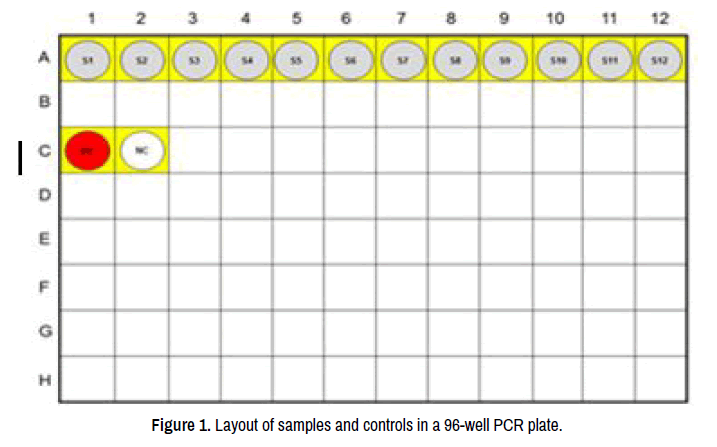
Figure 1. Layout of samples and controls in a 96-well PCR plate.
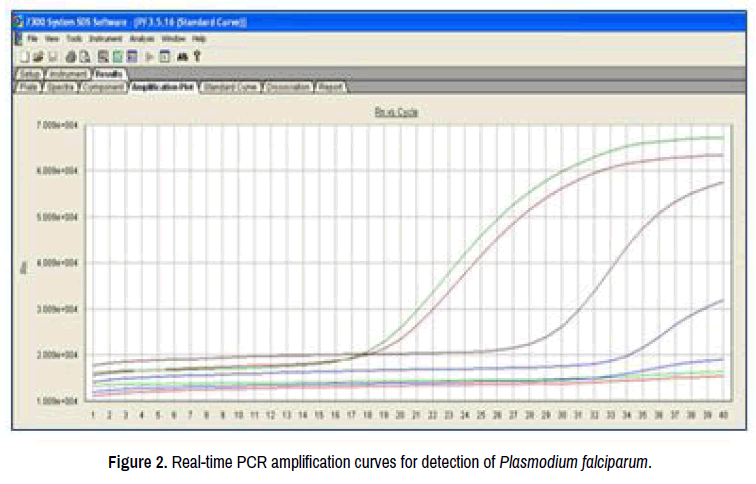
Figure 2. Real-time PCR amplification curves for detection of Plasmodium falciparum.
Statistical Analysis
Point prevalence and exact 95% confidence intervals were calculated using the Clopper Pearson method. Differences in prevalence by age group or nationality were explored using Fisher’s exact test, given the small number of positive cases. Analyses were performed in R version 4.3.0 (R Foundation for Statistical Computing, Vienna, Austria) using the binom and stats packages. All tests were two-sided and p<0.05 was considered significant.
A total of 230 asymptomatic individuals were recruited from Samtah district in Jazan Province to assess the presence of P. falciparum infections during an ongoing malaria elimination program. The participants ranged in age from 2 to 65 years and included both Saudi and non-Saudi nationals.
Conventional diagnostic results
Microscopic examination of Giemsa-stained blood smears and testing with Rapid Diagnostic Tests (RDTs) yielded zero positive cases, indicating a 0%-point prevalence of malaria using these conventional diagnostic methods. This outcome suggests the absence of microscopically detectable parasitemia and is consistent with previous reports of declining locally acquired malaria in Jazan over the past two decades. As shown in Figure 3, PCR detected three positive cases while microscopy and RDTs detected none. A stacked bar chart showing outcomes of microscopy, Rapid Diagnostic Tests (RDTs) and PCR among 230 asymptomatic individuals. Microscopy and RDTs detected 0 infections (0%), while PCR detected 3 infections (1.3%). PCR-positive cases are shown in red; PCR-negative cases in blue. The Figure highlights the superior sensitivity of molecular detection in identifying submicroscopic infections.
PCR detection and prevalence
We extracted DNA from dried blood spots collected on Whatman filter paper and analyzed the samples using a qualitative real-time PCR assay. There were three PCR-positive samples, giving a point prevalence of 1.30% (3/230). The exact (Clopper–Pearson) 95% confidence interval for the prevalence is 0.27% to 3.76% (Figure 3). These infections could not previously be detected with conventional approaches and exhibit submicroscopic parasitemia. These findings further support a hypothesis that these low-density infections are a likely explanation for asymptomatic carriers to act as silent reservoirs for malaria transmission, even in areas where malaria is actively being eliminated.
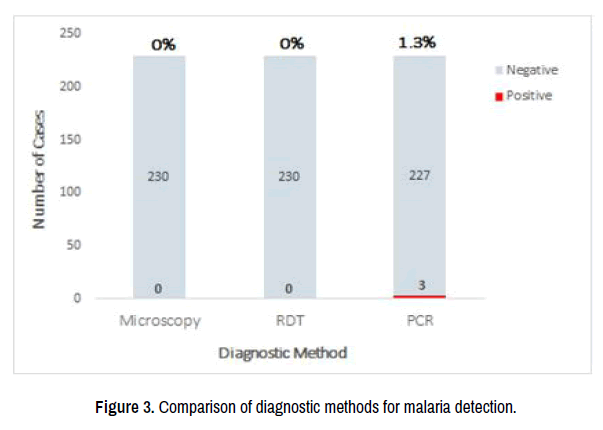
Figure 3. Comparison of diagnostic methods for malaria detection.
Nationality and infection patterns
Participants were classified as either Saudi (n=184) or non-Saudi (n=46). As shown in Figure 4, PCR-positive cases occurred in both groups (two Saudi and one non-Saudi participant), suggesting that imported infections from neighboring endemic regions such as Yemen and Ethiopia may contribute to residual transmission. Strip plot showing PCR results among Saudi (n=184) and non-Saudi (n=46) participants. Red dots indicate PCR-positive individuals (two Saudi and one non-Saudi). Blue dots indicate PCR-negative individuals. This distribution suggests a continued risk of imported malaria from neighboring endemic regions.
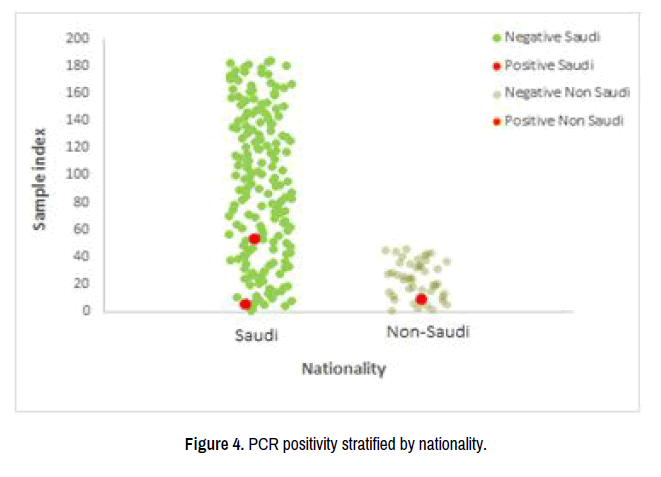
Figure 4. PCR positivity stratified by nationality.
Age-based distribution of PCR positivity
Participants were classified into three categories based on age: <20 years (n=105), 20 - 40 years (n=95) and >40 years (n=30). As shown in Figure 5, PCR-positive cases were identified in all age categories, indicating that asymptomatic malaria infections occur across all ages and that surveillance efforts should include the entire population. Strip plot showing PCR results across three age categories: <20 years (n=105), 20–40 years (n=95) and >40 years (n=30). Red dots indicate PCR-positive individuals; blue dots represent PCR-negative individuals. One positive case was detected in each age group, indicating that asymptomatic infections occur broadly across age ranges.
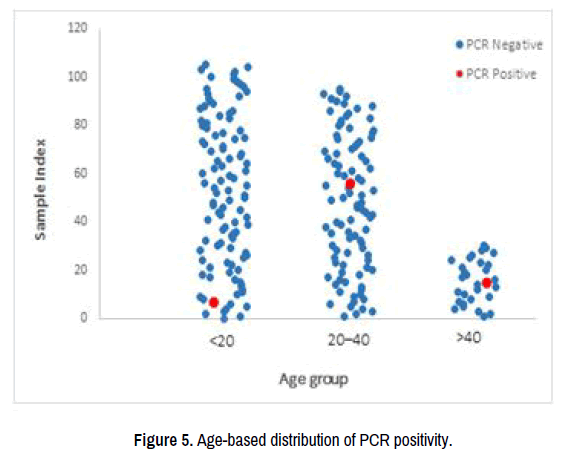
Figure 5. Age-based distribution of PCR positivity.
Ct value analysis and parasite load
Cycle-threshold (Ct) values from real-time PCR indicated variation in parasite density among positive samples. As shown in Figure 6, two samples with Ct values near 20 exhibited relatively higher parasite loads, whereas one sample with a higher Ct value (~29) reflected a lower parasitemia level. Strip plot showing Ct values for positive samples, negative samples and controls. The three PCR-positive samples had Ct values of 20.12, 20.88 and 28.73, reflecting variability in parasite density. Lower Ct values correspond to higher parasite loads. Negative samples were assigned Ct=40 or showed no amplification. The positive and no-template controls performed as expected, validating assay accuracy.
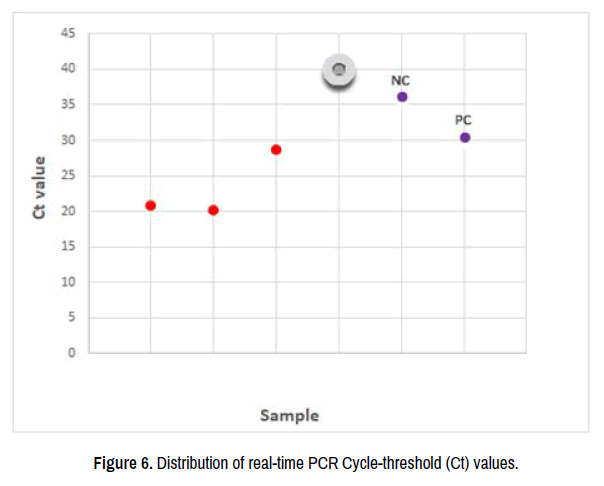
Figure 6. Distribution of real-time PCR Cycle-threshold (Ct) values.
The current study examined the occurrence of asymptomatic P. falciparum infections in Samtah district, Jazan Province, during a malaria elimination initiative. During this survey, 230 asymptomatic individuals aged 2–65 years were tested and no infections were identified via microscopy or RDT. Real-time PCR identified three positive infections, yielding a prevalence of 1.3%. These findings add to the growing evidence that standard diagnostic methods have inadequate sensitivity to detect low-density infections, a limitation also reported in other elimination settings [3, 4, 8-14]. Molecular assays therefore provide essential complementary tools to identify hidden reservoirs that threaten elimination programs.
Infections were also detected in all three participant age groups (<20, 20-40 and >40 years), each of which accounted for a single case, suggesting that no age group is immune from acting as a reservoir. The identification of infections in both the <20 and >40 age groups is consistent with previous work that found asymptomatic carriage to be widely distributed throughout populations and not typically perceived to be limited to children or high-risk adults [4, 8, 10-13].
In terms of nationality, 2 Saudi nationals (1.1%) and 1 non-Saudi (2.2%) were infected. The documentation of infection in a non-Saudi participant is important given the adjacent endemic areas of Yemen and Ethiopia, where the importation of cases remains an ongoing problem [4, 6, 11, 12]. Our data highlight the necessity for continued focused surveillance of migrant and cross-border populations to limit the risk of malaria reintroduction to areas of near-elimination.
Ct value analysis gave us extra knowledge about parasite density. While two positive samples returned Ct values around 20 to suggest relatively higher parasite loads, the third sample had a higher Ct value (28.7), which was consistent with low-density parasitemia. Similar results have been documented in Sudan and Iran, where submicroscopic infections were demonstrated to endure undetected by conventional methods while still facilitating transmission [3, 7, 9, 13-15]. This reinforces the epidemiological importance of including molecular diagnostics in elimination programs to uncover residual reservoirs.
The implications of these results are significant for Saudi Arabia’s malaria elimination agenda. Although local transmission has dramatically declined in Jazan over the past two decades [4-5, 11, 12], as the symptomatic caseload declines, the proportional contribution of asymptomatic carriers to transmission increases [3, 4, 8-14]. While it is unlikely that passive surveillance will diverge fully from active surveillance, it will ultimately overlook an important feature of continued transmission. The value of PCR-based surveillance, particularly in border areas, is to discover and treat hidden carriers to help block residual transmission chains.
The study has both strengths and limitations. A strength of this study is the use of highly sensitive molecular tools applied to a representative community sample, which provided reliable evidence of ongoing submicroscopic infections. While our study has some limitations, the relatively small number of PCR-positive cases limited our ability to make strong subgroup comparisons based on gender, age, or nationality. In addition, the cross-sectional design of our study did not allow us to assess seasonal variation or asymptomatic duration status.
This study demonstrates that asymptomatic P. falciparum infections, at low density, continue to be present in Jazan Province and are not findable through routine diagnostic methods, yet can be detected by PCR. The dormant reservoir is present across all age groups and nationalities, reinforcing the need for molecular surveillance to be included as part of all malaria elimination programs. As a general recommendation any national program aimed at elimination or maintenance should consider incorporating sensitive molecular methods into regular diagnostics and increase surveillance of migrant and border populations with the highest risks of reintroduction.
The de-identified participant dataset (age, nationality, microscopy/RDT/PCR results and Ct values) that support the findings of this study are not publicly available due to participant confidentiality and restrictions imposed by the Standing Committee for Scientific Research, Jazan University. De-identified data may be made available upon reasonable request to the corresponding author and subject to approval by the Research Ethics Committee of Jazan University.
This study was supported by the University of Jazan and the King Abdulaziz City for Science and Technology (KACST) (Grant No. 12-MED2767-57). AMN is supported by the Wellcome Trust as an Intermediate Fellow (Grant No. 095127). RWS is supported by the Wellcome Trust as a Principal Research Fellow (Grant Nos. 079080 and 103602). The funders had no role in study design, data collection and analysis, decision to publish, or preparation of the manuscript.
The authors declare no competing interests.
Conceptualization: Ibrahim M. Elhassan, Robert W. Snow
Methodology: Ibrahim M. Elhassan, Ahmed El-Sahly, Mohammed Elfaki, Aymen Awad
Formal analysis: Mohammed Elfaki, Ibrahim M. Elhassan
Investigation: Ahmed El-Sahly, Seham Elamin
Resources: Ministry of Health, Jazan Province
Data curation: Mohammed Elfaki, Ibrahim M. Elhassan
Writing – original draft: Ibrahim M. Elhassan, Mohammed Elfaki
Writing – review & editing: Robert W. Snow, Ibrahim M. Elhassan
Supervision: Robert W. Snow, Ibrahim M. Elhassan
Funding acquisition: Ibrahim M. Elhassan, Robert W. Snow
The authors gratefully acknowledge the Ministry of Health, Kingdom of Saudi Arabia, for their continued support of this work. The study was funded by the University of Jazan and the King Abdulaziz City for Science and Technology (KACST), Saudi Arabia (Grant No. 12-MED2767-57). AMN is supported by the Wellcome Trust as an Intermediate Fellow (Grant No. 095127) and RWS is supported by the Wellcome Trust as a Principal Research Fellow (Grant Nos. 079080 and 103602).
Google Scholar, Cross Ref, Indexed at
Google Scholar, Cross Ref, Indexed at
Google Scholar, Cross Ref, Indexed at
Google Scholar, Cross Ref, Indexed at
Google Scholar, Cross Ref, Indexed at
Google Scholar, Cross Ref, Indexed at
Google Scholar, Cross Ref, Indexed at
Google Scholar, Cross Ref, Indexed at
Malaria Control & Elimination received 1187 citations as per Google Scholar report