Short Communication - (2025) Volume 11, Issue 3
Received: 02-Jun-2025, Manuscript No. cdp-26-185442;
Editor assigned: 04-Jun-2025, Pre QC No. P-185442;
Reviewed: 18-Jun-2025, QC No. Q-185442;
Revised: 23-Jun-2025, Manuscript No. R-185442;
Published:
30-Jun-2025
, DOI: 10.37421/2572-0791.2025.11.183
Citation: OConnor, Michael. ”Cognitive Behavioral Therapy: Empowerment for Depression Recovery.” Clin Depress 11 (2025):183.
Copyright: © 2025 OConnor M. This is an open-access article distributed under the terms of the Creative Commons Attribution License, which permits unrestricted use, distribution and reproduction in any medium, provided the original author and source are credited.
Cognitive Behavioral Therapy (CBT) stands as a highly effective and evidence-based psychotherapy with a proven track record in treating depression. Its core principle involves identifying and challenging negative thought patterns and behaviors that contribute to the development and maintenance of depressive symptoms [1].
By equipping individuals with robust coping strategies and facilitating the alteration of maladaptive cognitive processes, CBT empowers them to actively manage their mood and significantly improve their overall well-being. The structured and goal-oriented nature of this therapeutic approach has led to its widespread adoption in clinical settings globally [1].
Extensive research consistently validates the significant impact of CBT in reducing the severity of depressive symptoms and effectively preventing relapse. Numerous studies highlight its superior efficacy when compared to placebo or waitlist control conditions. Furthermore, CBT demonstrates comparable effectiveness to pharmacotherapy, often with the added advantage of fewer adverse side effects [2].
The cultivation of a strong therapeutic alliance and the inherently collaborative nature of CBT sessions are widely recognized as crucial elements contributing to its success in fostering lasting positive change [2].
Central to the therapeutic process of CBT are specific, actionable techniques such as cognitive restructuring and behavioral activation. Cognitive restructuring directly assists individuals in identifying, questioning, and ultimately challenging irrational or unhelpful beliefs that perpetuate negative emotional states. Simultaneously, behavioral activation encourages and facilitates engagement in activities that are inherently rewarding, helping to counteract withdrawal and apathy [3].
These meticulously designed methods equip patients with practical, transferable tools to combat pervasive negative thinking and the tendency to withdraw from social and productive activities [3].
The adaptability of CBT is a significant asset, allowing for its successful application across a spectrum of depressive disorders, including chronic conditions like persistent depressive disorder and the cyclical nature of seasonal affective disorder. This flexibility extends to its delivery formats, which can be individualized, conducted in group settings, or accessed through online platforms, thereby substantially increasing its accessibility to diverse patient populations. Despite these variations, the fundamental therapeutic principles underpinning CBT remain consistent and effective across all adaptations [4].
For individuals experiencing severe forms of depression, the integration of CBT with other established treatment modalities, most notably pharmacotherapy, can lead to enhanced therapeutic outcomes. This combined approach offers a comprehensive strategy that addresses both the biological underpinnings and the psychological dimensions of the depressive disorder. The decision to pursue such an integrated treatment plan is typically individualized, carefully considering the severity of symptoms and the patient's personal preferences and circumstances [5].
The long-term benefits derived from engaging in CBT for depression are substantial and enduring. These include sustained reduction in depressive symptoms and a marked improvement in overall quality of life. Crucially, patients who actively participate and engage in the therapeutic process are more likely to sustain their therapeutic gains and develop greater resilience against future depressive episodes. The practical skills acquired during CBT are designed to be applicable and beneficial far beyond the formal treatment period [6].
The competence of the therapist and their adherence to established CBT protocols are identified as critical factors that significantly influence the overall success and outcomes of the treatment. To ensure the consistent delivery of high-quality CBT, ongoing professional training and regular supervision are deemed essential. This rigorous emphasis on quality control and fidelity to the therapeutic model underpins the inherent reliability and effectiveness of CBT as a recognized treatment intervention [7].
The emergence and widespread adoption of digital CBT (dCBT) have been instrumental in expanding the accessibility of this highly effective treatment. This is particularly beneficial for individuals residing in remote geographical areas or those who may prefer the autonomy and flexibility of self-guided therapeutic options. While dCBT has demonstrated general effectiveness, it is important to note that the level of patient engagement and the availability of therapist support can significantly influence its ultimate outcomes [8].
A fundamental principle embedded within CBT is its focus on skill-building, which profoundly empowers individuals to develop the capacity to become their own therapists. This fosters a strong sense of self-efficacy and consequently reduces an over-reliance on external support systems. This core principle of self-management is not merely a therapeutic objective but forms a cornerstone for achieving long-term recovery and effective relapse prevention [9].
The collaborative dynamic inherent in the therapeutic relationship within CBT is of paramount importance to its effectiveness. This collaborative spirit cultivates an environment of trust, allowing for the open and safe exploration of deeply held difficult thoughts and feelings, thereby facilitating the entire process of psychological change. This strong partnership between therapist and patient is universally recognized as a key determinant of effective treatment outcomes [10].
Cognitive Behavioral Therapy (CBT) is a premier evidence-based psychotherapy renowned for its efficacy in treating depression. At its core, CBT systematically identifies and challenges maladaptive thought patterns and behaviors that fuel depressive symptoms. Through the development of practical coping mechanisms and the modification of distorted cognitive processes, individuals are empowered to gain control over their mood and enhance their general well-being. Its structured, goal-directed framework makes it a standard intervention in mental health practices [1].
Empirical evidence consistently underscores the profound impact of CBT on diminishing depressive symptoms and preventing their recurrence. Comparative studies frequently demonstrate CBT's superior effectiveness against placebo or waitlist controls. Moreover, its efficacy is often found to be on par with pharmacotherapy, frequently accompanied by a more favorable side-effect profile. The strength of the therapeutic bond and the reciprocal nature of the CBT process are pivotal to its capacity for inducing lasting improvements [2].
Key to CBT's therapeutic approach are its distinct techniques, namely cognitive restructuring and behavioral activation. Cognitive restructuring guides individuals in recognizing and deconstructing irrational beliefs, thereby reducing their power. Behavioral activation, conversely, motivates individuals to engage in activities that provide pleasure or a sense of accomplishment, countering withdrawal and apathy [3].
These practical tools are instrumental in helping patients manage negative thinking and isolation [3].
CBT's applicability spans a broad range of depressive disorders, including persistent depressive disorder and seasonal affective disorder. Its inherent flexibility allows for delivery in various formatsâ??individual, group, or onlineâ??thereby broadening access to a wider patient demographic. The fundamental principles of CBT remain constant and effective across these varied applications [4].
For severe cases of depression, integrating CBT with other treatments, such as medication, can amplify positive results. This combined strategy addresses both the biological and psychological facets of the disorder. The decision to combine treatments is usually tailored to the individual based on symptom severity and patient preference [5].
The long-term benefits of CBT for depression are substantial, encompassing sustained symptom relief and an improved quality of life. Individuals who actively participate in therapy tend to maintain their progress and build resilience against future depressive episodes. The skills acquired during CBT therapy are designed for long-term use and application beyond the therapy itself [6].
Therapist proficiency and adherence to established CBT protocols are crucial determinants of successful treatment outcomes. Continuous training and supervision are vital to maintain treatment fidelity and ensure the delivery of high-quality CBT. This focus on quality assurance reinforces CBT's reliability as a treatment option [7].
The advent of digital CBT (dCBT) has significantly enhanced access to this beneficial therapy, especially for those in remote locations or individuals preferring self-directed care. While generally effective, the extent of user engagement and the level of therapist support can influence dCBT outcomes [8].
CBT's emphasis on skill development empowers individuals to become agents of their own recovery, promoting self-efficacy and reducing dependency. This self-management principle is a critical component of sustained recovery and the prevention of depressive relapses [9].
The collaborative relationship between therapist and client in CBT is fundamental to its success. This partnership fosters trust and enables a safe space for exploring difficult thoughts and emotions, thereby facilitating therapeutic progress. This alliance is a key factor in achieving effective treatment [10].
Cognitive Behavioral Therapy (CBT) is a highly effective and evidence-based psychotherapy for depression, focusing on identifying and challenging negative thought patterns and behaviors. Its structured, goal-oriented approach empowers individuals to manage their mood and improve well-being. Research consistently shows CBT significantly reduces depressive symptoms, prevents relapse, and is comparable in efficacy to pharmacotherapy, often with fewer side effects. Key techniques include cognitive restructuring and behavioral activation, which equip patients with practical tools. CBT is adaptable to various depressive presentations and delivery formats, increasing accessibility. Integrating CBT with medication can enhance outcomes for severe depression. The long-term benefits include sustained symptom reduction and improved quality of life, with skills applicable beyond therapy. Therapist competence and adherence to protocols are crucial, as is the collaborative therapeutic alliance. Digital CBT (dCBT) has expanded access, though engagement and support influence outcomes. Ultimately, CBT fosters self-efficacy and self-management, crucial for long-term recovery.
None
None
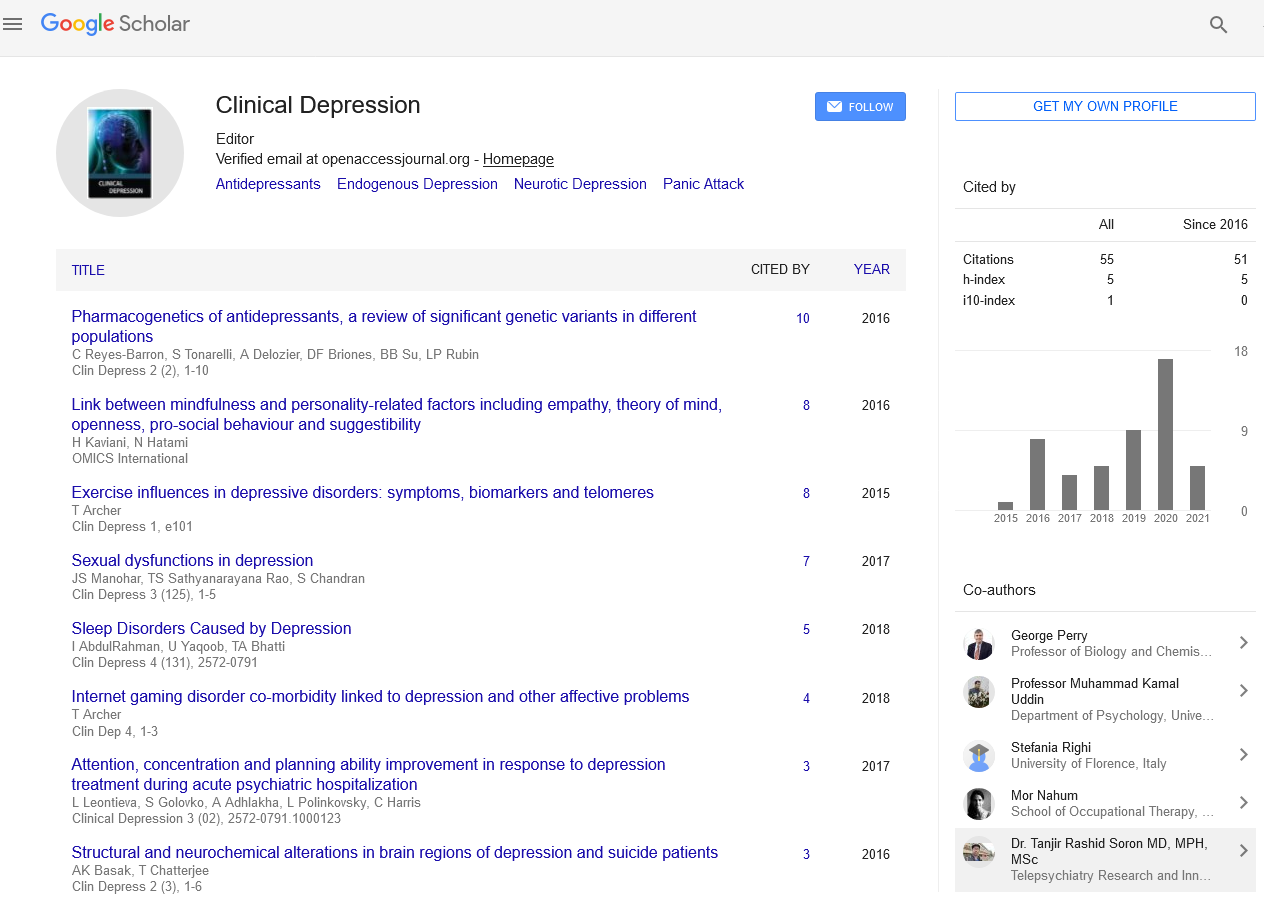
Clinical Depression received 89 citations as per Google Scholar report