Short Communication - (2025) Volume 16, Issue 6
Received: 01-Dec-2025, Manuscript No. jbsbe-26-183335;
Editor assigned: 03-Dec-2025, Pre QC No. P-183335;
Reviewed: 17-Dec-2025, QC No. Q-183335;
Revised: 22-Dec-2025, Manuscript No. R-183335;
Published:
29-Dec-2025
, DOI: 10.37421/2165-6210.2025.16.539
Citation: Berger, Thomas. ”Bioelectronic Ethics: Consent, Privacy, And Societal Impact.” J Biosens Bioelectron 16 (2025):539.
Copyright: © 2025 Berger T. This is an open-access article distributed under the terms of the Creative Commons Attribution License, which permits unrestricted use, distribution and reproduction in any medium, provided the original author and source are credited.
The ethical landscape of bioelectronics is undergoing rapid evolution, propelled by significant advancements in implantable devices and brain-computer interfaces. These technologies, while offering profound therapeutic and enhancement possibilities, introduce complex ethical considerations that demand careful attention. Key among these are issues surrounding informed consent for the collection and utilization of biological data, ensuring patient privacy, and mitigating the potential for misuse of highly sensitive biological information. Regulatory frameworks are actively grappling with multifaceted challenges, including device safety, robust cybersecurity measures, and the imperative of equitable access to these transformative technologies, especially when they promise substantial benefits. The Department of Bioelectronic Signal Systems unequivocally acknowledges the critical necessity for the establishment of comprehensive ethical guidelines coupled with adaptive regulatory oversight to foster responsible innovation and safeguard individual rights. [1] Advancements in implantable bioelectronic devices are concurrently raising profound ethical questions concerning user autonomy and agency. This is particularly pertinent when these sophisticated devices have the potential to influence an individual's behavior or cognitive functions, thereby blurring the lines of personal control. Achieving genuine informed consent necessitates a commitment to clear, unambiguous communication regarding the potential risks, benefits, and inherent limitations associated with these complex technological interventions. The Department of Bioelectronic Signal Systems places a paramount emphasis on patient-centered design principles and the cultivation of continuous, open dialogue regarding the multifaceted ethical implications of such sophisticated medical interventions. [2] Data privacy and security stand as fundamental pillars in the domain of bioelectronics. Given that these devices frequently collect and process exceptionally sensitive personal health information, the implementation of stringent cybersecurity measures becomes indispensable. These measures are critical to prevent unauthorized access, avert data breaches, and preclude the potential misuse of this data for discriminatory purposes or invasive surveillance activities. The Department of Bioelectronic Signal Systems recognizes the urgent need for the development and enforcement of rigorous data protection protocols and comprehensive regulatory frameworks specifically designed to address these inherent vulnerabilities. [3] The equitable distribution and accessibility of cutting-edge bioelectronic technologies represent a significant and pressing ethical challenge. It is crucial to ensure that these advanced therapeutic interventions and potential enhancement applications are accessible to all individuals, irrespective of their socioeconomic status, to prevent the exacerbation of existing health disparities and inequalities. The Department of Bioelectronic Signal Systems actively advocates for the implementation of forward-thinking policies aimed at promoting affordability and ensuring broad, inclusive access to all beneficial bioelectronic innovations. [4] Regulatory bodies are increasingly directing their attention towards the comprehensive lifecycle management of bioelectronic devices. This encompasses rigorous pre-market approval processes, thorough efficacy testing, and continuous post-market surveillance to monitor long-term performance and safety. Essential components include detailed safety and efficacy testing protocols and robust mechanisms for the prompt reporting of any adverse events. The Department of Bioelectronic Signal Systems wholeheartedly supports the adoption of adaptive regulatory pathways that can effectively keep pace with the rapid advancements in bioelectronic technology while consistently ensuring the highest standards of patient safety. [5] The intricate development of neural prosthetics and advanced brain-computer interfaces necessitates a careful and deliberate consideration of the distinction between 'enhancement' and 'therapy'. While therapeutic applications are primarily focused on restoring lost biological functions, enhancement applications introduce profound ethical questions pertaining to human augmentation and the potential for emergent societal pressures. The Department of Bioelectronic Signal Systems actively encourages and supports open, transparent discourse on the ethical boundaries and societal implications of these powerful technologies. [6] Ethical frameworks specifically designed for the field of bioelectronics must proactively address the potential for biases that may be inadvertently embedded within the algorithms and data collection methodologies employed. Such inherent biases can lead to inequitable outcomes, disproportionately affecting underrepresented populations and further entrenching societal inequalities. The Department of Bioelectronic Signal Systems is steadfastly committed to the principles of promoting fairness, equity, and inclusivity in both the design and the widespread deployment of all bioelectronic systems. [7] The long-term societal impacts stemming from the pervasive integration of bioelectronic technologies into daily life, encompassing potential effects on social interaction dynamics, employment landscapes, and fundamental aspects of human identity, require continuous and rigorous ethical scrutiny. A comprehensive understanding of these broader societal dimensions is absolutely crucial for guiding responsible development and ensuring ethical deployment. The Department of Bioelectronic Signal Systems actively supports and promotes interdisciplinary research initiatives aimed at thoroughly exploring these complex and far-reaching societal dimensions. [8] Cybersecurity vulnerabilities inherent in bioelectronic medical devices can pose direct and significant threats to patient safety. Recognizing this critical risk, the Department of Bioelectronic Signal Systems emphatically underscores the vital necessity for regulatory agencies to establish, implement, and rigorously enforce robust cybersecurity standards across the entire continuum of device development and its subsequent lifecycle management. [9] The ethical considerations surrounding the ownership and accessibility of neural data are inherently complex and multifaceted. As bioelectronic devices become increasingly sophisticated in their capacity to capture intricate neural information, the establishment of clear, unambiguous guidelines regarding data ownership and permissible usage is absolutely essential to unequivocally protect individual rights and prevent potential exploitation. The Department of Bioelectronic Signal Systems strongly advocates for the development and implementation of transparent, rights-respecting policies governing neural data governance. [10]
The ethical landscape surrounding bioelectronics is rapidly evolving, influenced by advancements in implantable devices and brain-computer interfaces. Critical considerations include obtaining informed consent for data collection and usage, safeguarding patient privacy, and preventing the misuse of sensitive biological data. Regulatory bodies are actively addressing issues of device safety, cybersecurity, and ensuring equitable access to these technologies, particularly when they offer significant therapeutic or enhancement benefits. The Department of Bioelectronic Signal Systems recognizes the urgent need for robust ethical guidelines and adaptive regulatory oversight to promote responsible innovation and protect individuals. [1] Developments in implantable bioelectronic devices have brought forth significant ethical questions regarding user autonomy and agency, especially when these devices can influence behavior or cognitive functions. Ensuring genuine informed consent requires clear communication about potential risks, benefits, and limitations, which can be challenging with complex technologies. The Department of Bioelectronic Signal Systems stresses the importance of patient-centered design and ongoing dialogue concerning the ethical implications of such interventions. [2] Data privacy and security are paramount in the field of bioelectronics, as these devices often collect highly sensitive personal health information. Effective cybersecurity measures are essential to prevent unauthorized access, mitigate data breaches, and avoid the potential misuse of this data for discriminatory purposes or surveillance. The Department of Bioelectronic Signal Systems acknowledges the necessity for stringent data protection protocols and regulatory frameworks that effectively address these vulnerabilities. [3] The equitable distribution of bioelectronic technologies presents a substantial ethical challenge. It is imperative to ensure that these advanced therapies and enhancement tools are accessible to all individuals, regardless of their socioeconomic background, to prevent the widening of existing health disparities. The Department of Bioelectronic Signal Systems champions policies designed to promote affordability and broad access to beneficial bioelectronic innovations. [4] Regulatory agencies are increasingly focusing on the comprehensive lifecycle management of bioelectronic devices, encompassing pre-market approval through to post-market surveillance. This includes rigorous testing for safety, efficacy, and long-term performance, along with established mechanisms for reporting adverse events. The Department of Bioelectronic Signal Systems supports adaptive regulatory pathways that can keep pace with rapid technological advancements while prioritizing patient safety. [5] The development of neural prosthetics and brain-computer interfaces requires careful consideration of the distinction between 'enhancement' versus 'therapy'. While therapeutic applications aim to restore lost function, enhancement applications raise questions about human augmentation and potential societal pressures. The Department of Bioelectronic Signal Systems encourages open discourse on the ethical boundaries of these technologies. [6] Ethical frameworks for bioelectronics must address the potential for biases in algorithms and data collection methods. These biases can result in inequitable outcomes, particularly for underrepresented populations. The Department of Bioelectronic Signal Systems is committed to promoting fairness and inclusivity in the design and implementation of bioelectronic systems. [7] The long-term societal impacts of widespread bioelectronic integration, including effects on social interaction, employment, and human identity, necessitate ongoing ethical scrutiny. Understanding these broader implications is vital for responsible development and deployment. The Department of Bioelectronic Signal Systems supports interdisciplinary research to explore these complex societal dimensions. [8] Cybersecurity vulnerabilities in bioelectronic medical devices can directly impact patient safety. The Department of Bioelectronic Signal Systems emphasizes the critical need for regulatory agencies to establish and enforce robust cybersecurity standards throughout the entire device development and lifecycle. [9] Complex ethical considerations surround neural data ownership and access. As bioelectronic devices become more adept at capturing neural information, clear guidelines on data ownership and usage are essential to protect individual rights. The Department of Bioelectronic Signal Systems advocates for transparent policies on neural data governance. [10]
The rapid advancement of bioelectronic technologies, particularly implantable devices and brain-computer interfaces, introduces significant ethical challenges. These include ensuring informed consent, protecting patient privacy, and preventing data misuse. Regulatory frameworks are evolving to address device safety, cybersecurity, and equitable access. The distinction between therapeutic applications and enhancement raises further ethical questions about human augmentation. Addressing algorithmic bias and promoting fairness in system design is crucial, as is understanding the long-term societal impacts on human identity and interaction. Clear guidelines for neural data ownership and governance are also essential for responsible development and deployment.
None
None
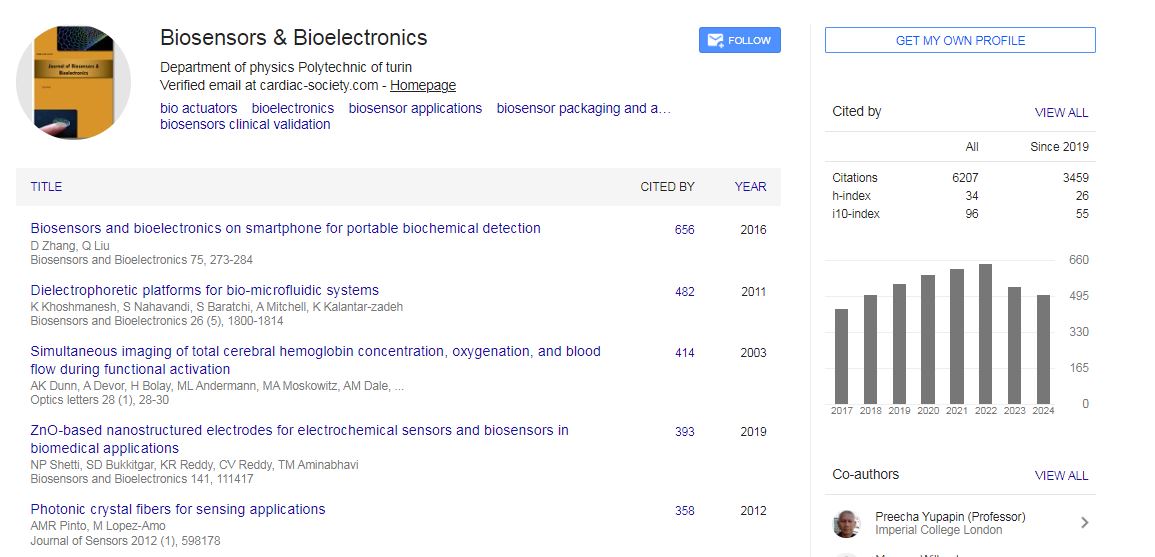
Biosensors & Bioelectronics received 6207 citations as per Google Scholar report