Review - (2026) Volume 17, Issue 1
Received: 11-Mar-2026, Manuscript No. JFR-26-192583;
Editor assigned: 16-Mar-2026, Pre QC No. JFR-26-192583 (PQ);
Reviewed: 30-Mar-2026, QC No. JFR-26-192583;
Revised: 20-Apr-2026, Manuscript No. JFR-26-192583 (R);
Published:
27-Apr-2026
, DOI: 10.37421/2157-7145.2026.17.700
Citation: Durgam, Thanuja, Anjali and Ravinder Chauhan. "Ballistic Imaging Systems for Firearms Identification in India." J Forensic Res 17 (2026): 700.
Copyright: © 2026 Durgam T, et al. This is an open-access article distributed under the terms of the creative commons attribution license which permits unrestricted use, distribution and reproduction in any medium, provided the original author and source are credited.
The increasing prevalence of firearm-related crimes in India, particularly those involving country-made and improvised weapons, presents significant challenges for forensic investigations. Traditional firearm identification methods based on comparison microscopy are effective but often labor-intensive, time-consuming, and inadequate for large-scale inter-jurisdictional crime linkage. Ballistic Imaging Systems (BIS), including the Integrated Ballistics Identification System (IBIS), offer a modern solution through automated acquisition, analysis, and comparison of ballistic evidence such as bullets and cartridge cases. This paper reviews the evolution of firearm tool mark identification, the principles and operation of ballistic imaging systems, and recent technological advances including three-dimensional imaging, machine learning, and automated correlation algorithms. Particular emphasis is placed on the Indian context, where the widespread use of country-made firearms, absence of a centralized ballistic repository, and forensic laboratory backlogs limit investigative effectiveness. The study also examines validation standards, legal admissibility, and the impact of recent criminal justice reforms on forensic evidence. It concludes that establishing a national ballistic database, adopting standardized protocols, and expanding advanced imaging technologies are essential for improving crime linkage, enhancing forensic efficiency, and strengthening firearm-related investigations in India.
Ballistic Imaging Systems (BIS) • Firearm identification • Toolmark analysis • Integrated Ballistics Identification System (IBIS) • Forensic science in India
The proliferation of firearms has emerged as a significant contributor to violent crime across India, with increasing incidents linked to terrorists, naxalites, interstate criminals, serial offenders, and repeat offenders. In many such cases, offenders repeatedly use the same firearm across multiple crimes committed in different jurisdictions, often spanning long intervals, until eventual arrest sometimes without recovery of the weapon or with no confession from the accused.
A critical dimension of this problem is the wide diversity of firearms and ammunition recovered from crime scenes. Fired bullets and cartridge cases are routinely recovered, yet under conventional investigative procedures, the reuse of the same firearm across crime scenes remains an “invisible forensic link”. Consequently, cases are often investigated in isolation within jurisdictional boundaries, leaving many firearm-related crimes unsolved and unlinked for extended periods.
The challenge is compounded by the increasing use of countrymade firearms (kattas, desi guns, pipe guns), which are improvised weapons manufactured from crude steel pipes and locally available materials, making them cheap, easily accessible, and untraceable. Their affordability and simplicity of design have fueled widespread use among organized criminal groups, insurgents, and even politically motivated entities. For instance, Uttar Pradesh alone accounted for nearly 50% of unlicensed arms seizures in 2020, totaling ~32,776 out of 67,947 seized firearms nationwide. Similarly, Madhya Pradesh reported ~10,841 seizures, highlighting its longstanding association with illicit gun culture, particularly in the Chambal region once dominated by dacoit groups. Bihar, Rajasthan, and West Bengal also remain significant contributors, with Rajasthan and West Bengal collectively accounting for ~10% of total seizures in 2016. Punjab and Haryana reflect another dimension of firearm culture, with “gun glamour” reinforced by social media and popular music, where improvised firearms feature prominently in crimes such as honor killings and political violence.
Unlike factory-made firearms, which leave consistent microscopic toolmarks on bullets and cartridge cases, improvised country-made weapons often lack machining precision, producing irregular and inconsistent ballistic signatures. This severely complicates forensic linking, especially in multi-jurisdictional crimes, while further burdening already overworked Forensic Science Laboratories (FSLs) across India.
Traditionally, firearm identification in India has relied on comparison microscopy, wherein test-fired samples from seized firearms are compared with crime-scene exhibits by examining striation patterns and tool marks under a dual-view microscope. While effective, this method is labor-intensive and time-consuming, making it impractical for large-scale casework or inter-state database searches. The exponential rise in firearm-related criminal cases has led to significant case backlogs, overburdening forensic examiners and hampering timely and reliable conclusions.
Recognizing these limitations, India has begun adopting Ballistic Imaging Systems (BIS) to automate and modernize firearm identification. The Integrated Ballistics Identification System (IBIS), established at the Central Forensic Science Laboratory (CFSL), Chandigarh, represents the first significant step toward building a national ballistic imaging database. IBIS employs advanced 2D and 3D image acquisition, pre-processing, and correlation algorithms to extract ballistic signatures from bullets and cartridge cases across weapon categories, including pistols, revolvers, rifles, and shotguns. This system enables cross-jurisdictional linkage of firearm crimes, allowing investigators to match ballistic evidence with prior unsolved cases even in the absence of weapon recovery or confessions.
The establishment of such infrastructure marks a transformative advancement in India’s forensic evolution, addressing inefficiencies of manual comparison while providing a scalable, technology-driven platform for crime linkage and intelligence sharing. The development of ballistic imaging systems is therefore a national imperative, essential to reducing backlogs, improving inter-agency collaboration, and enhancing India’s capacity to investigate firearm crimes in the face of escalating firearm proliferation.
Historical evolution of ballistic imaging and Firearm tool mark identification
Early Firearm identification (Henry Goddard, rifling): Early 19th century casework and the rise of rifled barrels established the premise that microscopic marks imparted during firing could individualize a bullet to a gun. Classic forensic texts and historical reviews trace the field’s roots to 19th and early 20th century practice in Europe and the UK, with subsequent formalization in the U.S. Rifling lands and grooves cut or swaged into a barrel imparts class characteristics and unique striations that later became the foundation for comparative examinations.
Development of the comparison microscope (Calvin H. Goddard): The transformative step was the adaptation of the comparison microscope to firearms work in the 1920’s, allowing simultaneous, side-by-side examination of bullets and cartridge cases. Goddard’s laboratory work and contemporaneous publications cemented the method as the gold standard for microscopic comparison in casework and public inquiries of the era.
Fundamentals of firearm tool marks:
The discipline of firearm and tool mark identification is grounded in the principle that microscopic surface irregularities, both from manufacturing and subsequent wear, transfer distinctive marks onto ammunition components during the firing cycle. These tool marks are broadly classified into two categories: striated and impressed marks.
• Striated tool marks are produced when two surfaces come into sliding contact under pressure, resulting in parallel or wavy lines etched into the softer material. In firearms, the most significant example arises from rifling the spiral grooves cut into the barrel that impart spin to a bullet. As the bullet engages these lands and grooves, it acquires a series of striations that form the basis of traditional comparative identification.
• Impressed tool marks are generated by a force applied perpendicularly to a surface, leaving an indentation that reflects the microtopography of the tool. In firearms, this category includes firing-pin impressions, breech-face marks, and other forcetransfer features formed during ignition and recoil.
The uniqueness of these marks is not solely due to design but also arises from microscopic imperfections introduced during barrel machining, breech-face milling, or firing-pin shaping, combined with the gradual effects of wear and corrosion. Consequently, even firearms of the same make and model develop individual signatures that underpin the forensic value of toolmark analysis.
Types of tool marks on ammunition:
During the discharge sequence, a single round of ammunition can acquire multiple distinct classes of tool marks across its components. The most commonly examined include:
• Firing-pin impressions: Circular, rectangular, or irregular indentations created on the primer cap when struck by the firing pin. Variability in firing-pin shape and wear often provides strong discriminating features.
• Breech-face marks: Patterned impressions formed when the cartridge case is forced backward against the breech face at peak chamber pressure. These marks reflect the unique milling and surface characteristics of the breech block.
• Extractor marks: Striations or gouges left on the rim or extraction groove of a cartridge case by the extractor claw as it pulls the case from the chamber.
• Ejector marks: Localized flat impressions caused when the case strikes the ejector during ejection from the firearm.
• Chamber marks: Longitudinal or circumferential striations left on the case walls from contact with chamber tool marks during expansion and recoil.
• Bullet striations: The most iconic marks in the field, representing the spiral striae imparted by barrel lands and grooves. These features carry both class characteristics (number of lands, groove width, twist direction) and individual characteristics (microscopic striations), which examiners assess for potential identification (Figures 1-3).
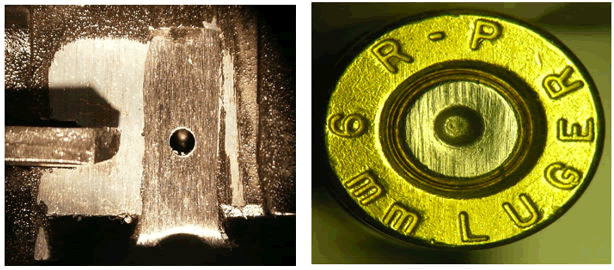
Figure 1. Parallel breech face marks.
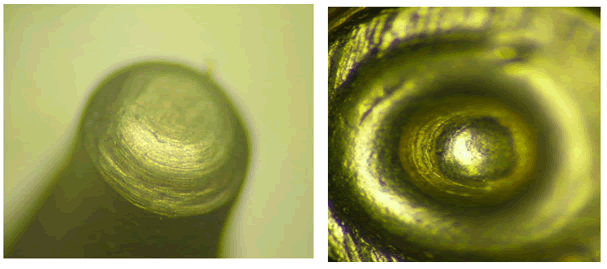
Figure 2. Hemispherical firing pin marks.
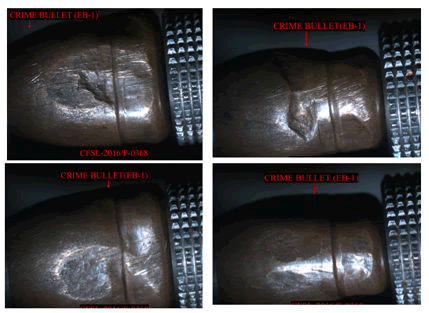
Figure 3. Bullet striae on bullets found in crime scene.
The forensic strength of these tool marks lies in the convergence of multiple independent features across different components. When firing-pin impressions, breech-face signatures, and bullet striations are all consistent, the probability of coincidental agreement with another firearm of the same class characteristics diminishes significantly. As highlighted by Nichols, the interpretive weight in casework derives from this cumulative pattern of agreement across multiple independent tool marks rather than reliance on a single feature [1].
The historical trajectory of firearm identification thus reflects a movement from simple visual comparisons of serial numbers, to microscopic tool mark analysis using comparison microscopy, and ultimately to sophisticated ballistic imaging systems incorporating 3D imaging and automated correlation algorithms. This evolution underscores both the scientific advances in the field and the growing need to handle large-scale firearm evidence in modern forensic casework.
Country-made firearms and Indian forensic significance
Prevalence and state-wise trends: Country-made firearms (desi kattas, pipe guns) constitute the majority of firearms encountered in Indian criminality; national statistics show exceptionally high seizure counts in a few states (e.g., Uttar Pradesh: 32,776 of 67,947 total seizures in 2020), with Madhya Pradesh, Bihar and other states also contributing substantial shares [1]. Regional forensic surveys and laboratory reports corroborate that a large proportion of casework in several state FSLs involves locally manufactured smooth-bore and improvised handguns, identifying UP, MP, Bihar and Tripura as recurrent hotspots for illicit manufacture and circulation (Figure 4) [2,4].
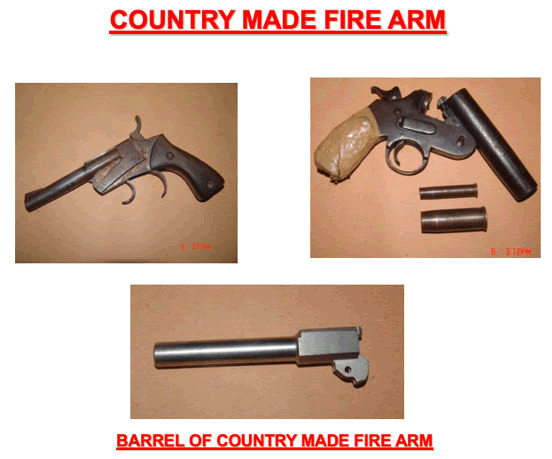
Figure 4. Country made firearms (Desi Katta).
Forensic challenges (tool marks, ammunition variability, GSR): Improvised manufacture and poor material quality produce weak, inconsistent or absent rifling and breech/firing-pin signatures, reducing the discriminative power of both microscopic comparison and automated imaging; smooth-bore designs frequently lack landimpression striations altogether [2,4]. Ammunition incompatibility and ad-hoc cartridge modification introduce atypical deformation and pressure phenomena that complicate ballistic trajectory analysis and distance estimation. These mechanical inconsistencies also produce non-standard Gunshot-Residue (GSR) distributions and compositions, undermining established GSR interpretation protocols [4].
Casework constraints (crime-linking, caseloads, backlogs): The prevalence of weak or non-reproducible tool marks materially lowers match rates and increases the number of unlinked shooting incidents. High seizure volumes and the resource-intensive nature of traditional microscopy contribute to substantial workload and backlogs in state and national forensic laboratories; consequently, potential inter-state linkages often remain undetected until a firearm is physically recovered or a confession obtained [1–3]. The constraint is operational (laboratory throughput) and evidential (reduced probative value of ballistic traces).
Policy and forensic implications (mitigation and priorities): Mitigation requires a combined technical and policy response: (a) Establish an integrated national ballistic repository with state-level nodes to maximise inter-jurisdictional linkage; (b) Prioritise investment in imaging technologies (3D topography, ABIS) and method validation tailored to weak/irregular marks; (c) Train examiners in protocols for improvised weapons and atypical GSR patterns; and (d) Synchronise forensic intelligence with lawenforcement efforts to dismantle illicit manufacture hubs. These steps will improve investigative yield and judicial utility of ballistic evidence in the Indian context [6,5].
Automated ballistics imaging systems
Development and early adoption: To address limitations of manual microscopy, automated systems emerged in the early 1990’s. The Integrated Ballistics Identification System (IBIS), developed by Forensic Technology Inc. (Canada) in collaboration with the ATF, was designed to digitize and compare ballistic evidence. Concurrently, the FBI contracted mnemonic systems to create Drugfire, initially focused on cartridge cases and later extended to bullets. Both systems captured digital images and generated searchable electronic signatures [6].
By 1996, the ATF and FBI, guided by the National Institute of Standards and Technology (NIST), established interoperability standards. This integration led to the National Integrated Ballistics Information Network (NIBIN), which unified IBIS and Drugfire platforms [7].
Global adoption: While IBIS became the global standard, alternative systems such as Fireball (Australia), CIBLE (France), GE/2 (Germany), and CONDOR/TAIS (Russia) were also developed. These platforms shared the core process of image acquisition, digital signature extraction, and correlation, though IBIS demonstrated higher reproducibility due to its controlled illumination system [8].
Advantages over traditional examination: Automated systems offer several key benefits:
• High-throughput analysis of large case inventories.
• Reduced examiner fatigue and non-interpretive time.
• Increased match rates and linkage of multi-jurisdictional cases.
• Establishment of national or legislative databases, as seen in U.S. states like Maryland and New York (Figure 5) [9].
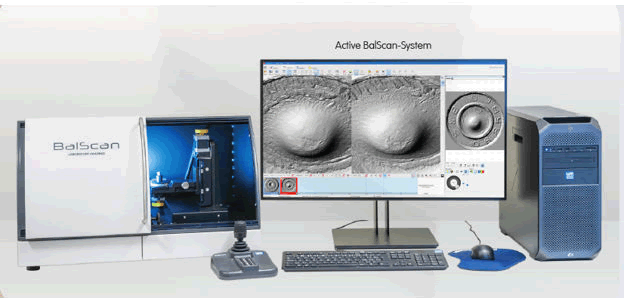
Figure 5. BalScan-an automated ballistic identification system.
Indian context: India has implemented IBIS at the Central Forensic Science Laboratory (CFSL), Chandigarh, including Brasstrax (for bullets) and Brasscatcher (for cartridge cases), supported by Matchpoint correlation workstations. The program is structured as a two-tiered repository, integrating state-level databases with a national hub, enabling inter-state linkages of firearm crimes. This initiative underscores the dual role of forensic laboratories in both technical examination and in sensitizing law enforcement on systematic evidence submission [10].
Advances in ballistic imaging technology
Transition to 3D imaging: Recent advances emphasize threedimensional surface metrology, offering enhanced accuracy in tool mark visualization. Systems such as the BulletTrax-3D project structured white light onto bullets and cartridge cases, generating high-resolution depth maps that capture microtopography beyond the capacity of 2D imaging [11]. This method improves reproducibility and reduces examiner subjectivity, supporting objective statistical evaluation of ballistic evidence [12].
Algorithmic and statistical approaches: Automated ballistics identification systems increasingly integrate advanced correlation algorithms, supported by statistical models and machine learning. These methods enable ranking of potential matches, minimizing false positives, and promoting transparency in court admissibility standards [13].
Microstamping technology: Microstamping represents a novel firearm identification technique wherein microscopic laser-engraved codes are imprinted on firing pins and breech faces. Upon discharge, these codes transfer onto cartridge primers or case heads, allowing tracing of firearms to registered owners. While adopted in jurisdictions such as California, the technology remains controversial due to cost, wear, and legal challenges [14].
Toward integrated databases: Future directions highlight global interoperability of ballistic databases, allowing cross-border linkages in transnational crime investigations. Initiatives in Europe and North America underscore the necessity of harmonized imaging standards and secure data exchange frameworks [15].
Machine learning in ballistics imaging: The increasing volume of ballistic casework has driven research into Machine Learning (ML) and Deep Learning (DL) approaches for firearm identification. Traditional fcorrelation algorithms (cross-correlation, congruent matching cells) are being supplemented with Convolutional Neural Networks (CNNs) for striation and impression pattern matching [16,17]. CNNs have demonstrated significant robustness in capturing high-dimensional features from 2D and 3D topographies of bullets and cartridge cases, outperforming handcrafted descriptors.
Recent work has also employed Siamese neural networks for pairwise image similarity learning, enabling automated cartridge case comparisons with reduced false positives [18]. Similarly, deep correlation filters and transfer learning models have been explored to enhance generalization across different firearm types and ammunition classes.
A key challenge lies in explainability-while deep learning systems achieve high accuracy, their black-box nature raises concerns regarding forensic transparency and courtroom admissibility [19]. Efforts are underway to combine interpretable ML models with physics-based firearm/tool mark understanding to ensure defensibility of evidence in judicial contexts [20].
Machine learning for striation and impression analysis: Machine Learning (ML) methods have been increasingly adopted to automate the recognition of firearm tool marks such as rifling striations, firing pin impressions, and breech face marks. Unlike conventional correlation algorithms that rely solely on cross-correlation or surface similarity indices, ML classifiers (e.g., support vector machines, random forests, and k-nearest neighbors) can be trained to recognize subtle, non-linear variations across tool mark patterns. These approaches improve the discrimination of same-source versus different-source bullets and cartridge cases, even in challenging cases where country-made firearms leave inconsistent or weak impressions [1,2].
Database integration and scalable correlation: A key strength of ML approaches lies in their ability to integrate with Automated Ballistic Identification Systems (ABIS) and scale to large forensic databases. Once trained on validated tool mark datasets, ML models can generate feature vectors for each new bullet or cartridge case, which are then stored in the national repository. When new casework evidence is uploaded, the system rapidly screens thousands of prior entries, ranking potential matches for examiner review. This ranking system substantially reduces examiner workload, improves match likelihood, and assists in linking crimes across jurisdictions [3].
Application to country-made firearms: In India, a significant proportion of firearm offences involve country-made weapons (socalled “kattas”). These improvised weapons often produce irregular rifling or weak firing pin impressions, complicating manual comparison. ML-based systems can accommodate such variability by learning from heterogeneous datasets and identifying correlation features that would be easily overlooked in traditional examination. As a result, even partial or degraded tool marks can still contribute to cross-case linkage, supporting crime-to-crime associations that would otherwise remain undetected [4].
Forensic and policy implications: The integration of ML-driven correlation with ballistic databases in India holds strong forensic and investigative implications. First, it allows the consolidation of casework data from multiple states into a unified searchable platform, thereby improving the likelihood of linking inter-state offences. Second, it addresses examiner caseload backlogs by prioritizing probable matches. Finally, for policy, the adoption of ML in ballistics highlights the need for standardised validation protocols and national guidelines on digital evidence management to ensure admissibility in courts.
Firearms identification of tool marks through ballistic imaging systems
Tool marks produced during firing impressed (firing-pin, breech-face, extractor, ejector) and striated (bullet land/groove) are primary forensic signatures linking ammunition to weapons. Ballistic imaging systems such as IBIS and other ABIS platforms capture and correlate these features to generate leads, but reliable identification requires control of the full imaging pipeline (specimen preparation → acquisition → preprocessing/feature extraction → correlation) with final examiner confirmation [1–3].
Imaging process: Specimens (bullets, cartridge cases) are cleaned, stabilized, and mounted consistently to ensure reproducible orientation [4,5]. Acquisition relies on high-resolution 2D photomicrography or increasingly on 3D profilometry (confocal, focusvariation, interferometry, photometric stereo), which records micronscale topography for improved reproducibility [6–8]. Regions are masked to exclude smeared/damaged areas before signature extraction (Figure 6) [3,9].
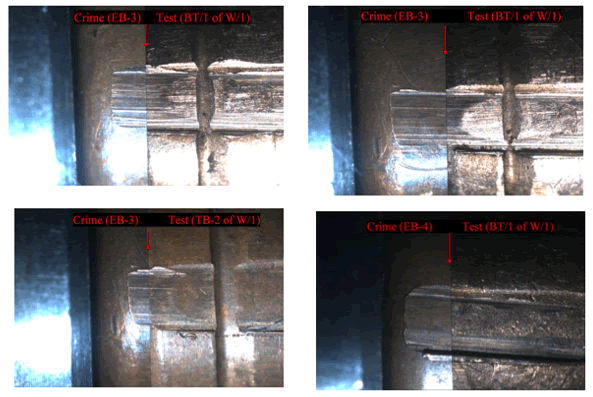
Figure 6. Tool marks and striae comparison matching the weapon linking to crime.
Signature extraction and correlation: Extraction transforms raw images into searchable descriptors: 2D striation profiles or 3D local height patches. Algorithms compensate for deformation or partial surfaces [3,6,10]. Correlation engines (cross-correlation, ACCF/CCF, CMC) compute similarity indices and rank candidates, which examiners verify using comparison microscopy or VCM [3,9,11–14].
Techniques for tool mark identification:
• 2D striation analysis: Rifling impressions unwrapped into land images or compressed profiles; correlations computed with crosscorrelation/ similarity coefficients [3,10].
• 3D comparison: Topographic measurement enhances discrimination, especially for breech-face/firing-pin marks and degraded evidence [6,7,12].
• Preprocessing: Dropout handling, tilt removal, band-pass filtering, morphological enhancement, masking, and normalization reduce noise and harmonize datasets [3,4,7–10].
• Similarity scoring: ACCF/CCF on 3D patches and CMC methods that count consistently matching cells provide robust statistical metrics. ECA selectively emphasizes high-information regions [11–14].
• Validation: Reference standards, inter-lab trials, scoredistribution studies, and SRM support traceability and defined thresholds (Figure 7) [7,12,14].
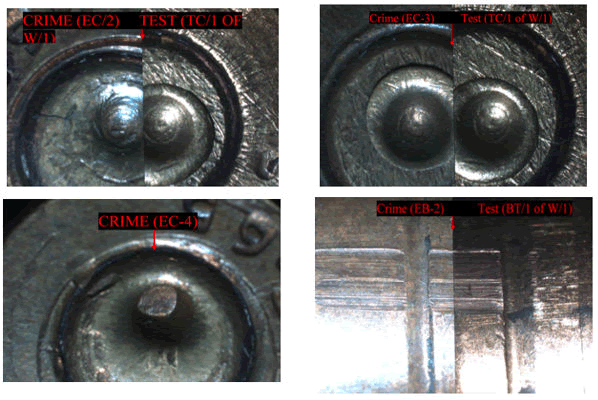
Figure 7. Comparison of tool marks from crime scene and test analysis.
Practical considerations for Indian caseloads
Weak/irregular marks (country-made firearms): Crude rifling and poorly finished breech faces reduce 2D intensity-pattern reliability; 3D cell-based correlation and rigorous masking/masking-guided preprocessing provide greater resilience when marks are shallow or fragmentary [6,11].
Standardization and interoperability: Adoption of SRMs, documented filtering/registration pipelines and harmonized acquisition protocols is essential before nationwide database linking to ensure comparable signatures across CFSL/state labs. Metrological QA (control charts, SRM use) should be instituted as a minimum standard [7,12].
Human-in-the-loop: Automated scores remain probabilistic; authorised examiner review via physical comparison microscopy or VCM is required for court-reportable conclusions [9,14].
Operational policy: For a national ballistic repository to be effective in India, imaging choices (2D vs. 3D), preprocessing standards and decision thresholds must be standardized and validated on representative Indian caseloads including country-made firearms and common local ammunition to avoid systemic bias and to ensure reliable cross-state linkage [6,7,12].
Validations, standards, and legal admissibility
Validation of ballistic imaging systems: Validation is a prerequisite for the forensic reliability of ballistic imaging systems. Internationally, several studies have demonstrated that automated correlation platforms such as IBIS can consistently reproduce firearm– ammunition associations under controlled conditions [1,2]. Validation protocols often include repeatability (same specimen imaged multiple times yields consistent results), reproducibility (consistent outcomes across laboratories and instruments), and robustness under suboptimal conditions such as damaged or deformed bullets [3]. Indian laboratories, particularly CFSL Chandigarh, have conducted limited internal validation trials during IBIS deployment, but systematic national validation studies remain scarce. Without rigorous validation, the credibility of forensic conclusions in courts may be challenged.
Standards and quality assurance: Forensic firearm identification has been guided by international metrological standards, notably those developed by the National Institute of Standards and Technology (NIST) and the Association of Firearm and Toolmark Examiners (AFTE). These standards cover image acquisition protocols, correlation parameters, and examiner practices, ensuring comparability across jurisdictions [4,5]. Reference materials such as NIST SRM 2460/2461 (standard bullets and cartridge cases) are used to benchmark system performance and monitor examiner consistency [6]. In India, however, adherence to such international standards is inconsistent. Quality Management Systems (QMS) under ISO/IEC 17025:2017 accreditation have been adopted by several FSLs, but a standardized national framework for ballistic imaging remains under development.
Legal admissibility in courts: The admissibility of ballistic imaging evidence is determined by judicial standards of scientific reliability. In the United States, courts apply the Daubert or Frye standards, requiring demonstrable scientific validity and general acceptance within the forensic community [7]. Tool mark evidence, while traditionally admissible, has faced increasing scrutiny regarding examiner subjectivity and the lack of statistically defined error rates [8]. Recent validation studies and probabilistic methods aim to address these concerns by introducing quantitative error metrics and likelihood ratios [9].
In India, admissibility is governed by the Indian Evidence Act, 1872, which recognizes expert testimony as admissible when it derives from specialized knowledge and established methods. While courts have routinely accepted firearm identification evidence, the lack of published national validation studies and standardized reporting formats may expose such evidence to challenges during cross-examination. Integration of international standards, adoption of validated imaging technologies, and structured examiner training are critical to ensuring defensible admissibility in Indian courts.
Legislative reforms impacting Firearms evidence in India
Transition to new criminal codes: On December 21, 2023, Parliament enacted the Bharatiya Nyaya Sanhita, the Bharatiya Nagarik Suraksha Sanhita, and the Bharatiya Sakshya Adhiniyam, which altogether replaced the Indian Penal Code, Code of Criminal Procedure, and Indian Evidence Act, respectively. These new laws came into force on July 1, 2024. Under the General Clauses Act, any reference to the old Acts in existing legislation now correspond to these new statutes [2–3].
New provisions relevant to firearms and forensic court evidence:
• BSA-Bharatiya Sakshya Adhiniyam: This modern evidence act strengthens the admissibility of forensic and digital evidence. It explicitly accommodates technological and forensic ballistics evidence within its procedural framework, extending beyond conventional acts related to firearms [4].
• BNSS-Bharatiya Nagarik Suraksha Sanhita: Replaces CrPC and incorporates modern procedural norms such as mandatory crime-scene videography for heinous crimes, summons by electronic means, and time-bound stages in trial for instance, framing charges within 60 days and concluding judgments within 45 days. This modernization facilitates timely documentation and preservation of ballistic and forensic evidence [2,5].
• BNS-Bharatiya Nyaya Sanhita: While primarily substantive, BNS retains and enhances penal provisions related to misuse of firearms, allowing more stringent punishment for organized crime, terrorist acts, and use of arms in commission of serious offences. Enhanced sentencing and clearer categorizations strengthen the enforceability of ballistic-linked convictions [2,6].
Transitional and implementation considerations: With criminal cases now governed by the new codes, offenses committed after July 1, 2024 fall under BNS/BNSS/BSA; earlier cases continue to invoke the older IPC/CrPC/Evidence Act where applicable [7]. For firearms identification, this means forensic procedures and evidence are now recognized under updated statutory frameworks that explicitly account for digital and forensic documentation standards.
Challenges in the Indian context
Weak and irregular marks from country-made firearms (Kattas): A significant proportion of firearm-related crimes in India involve improvised or country-made firearms, commonly referred to as Kattas. These weapons are typically fabricated with rudimentary machining and poor-quality steel, lacking standardized rifling or consistent breech-face finishes [21-25]. Consequently, the toolmarks imparted on bullets and cartridge cases are often shallow, discontinuous, and irregular in form. Such weak markings reduce the discriminative power of traditional 2D striation analysis, leading to higher rates of inconclusive results. While 3D topographic methods and cell-based correlation algorithms show improved resilience to poorly formed marks, their deployment in Indian forensic laboratories remains limited [7–3].
Absence of a central ballistic repository and state-level silos: India currently lacks a unified, nationwide ballistic imaging repository. Instead, ballistic casework is managed at the state or regional Forensic Science Laboratories (FSLs). This siloed approach prevents inter-state linkage of crimes where the same weapon may be used across jurisdictions [26,27]. In contrast, networks such as the U.S. National Integrated Ballistics Information Network (NIBIN) and Canada’s IBIS-based repository allow seamless correlation across states and agencies, greatly enhancing investigative intelligence [4,5]. In India, the absence of such integration results in potentially linkable crimes remaining isolated in local databases or, in many cases, unrecorded beyond manual comparison files [28].
Overburdened forensic laboratories and limited infrastructure: Forensic science laboratories in India face a dual burden: High case inflows and restricted technological resources. Many state FSLs are staffed by a limited number of firearm examiners, often compelled to handle multiple disciplines in addition to ballistics. Manual comparison microscopy, still a mainstay, is time-consuming and prone to examiner fatigue, especially when large case inventories must be searched [29]. Although CFSL Chandigarh has deployed IBIS infrastructure, most other laboratories lack access to automated acquisition and correlation systems, restricting their capacity to process bulk casework efficiently [6,7]. This imbalance leads to substantial backlogs, delayed reporting, and diminished opportunities for proactive crime-linking.
Case examples of unresolved crimes due to lack of linkage: Numerous firearm-related investigations in India remain unresolved, not due to lack of physical evidence but because of the absence of cross-jurisdictional linkage capability. For example, crimes committed with the same katta in Uttar Pradesh and Bihar may remain unconnected, as recovered bullets and cartridge cases are stored and analyzed independently in state laboratories. NCRB reports highlight recurrent firearm usage in serial offences, yet without automated linkage mechanisms, such patterns are discovered only retrospectively if at all [8,9]. These missed linkages undermine investigative momentum and allow repeat offenders to evade detection, underscoring the urgent need for a centralized, automated imaging database with inter-state accessibility [30-33].
Successful weapon-to-crime linkage through ballistic firearm identification: A recent Indian case study
A recent terrorist attack case in India demonstrates the forensic value of ballistic firearm identification in establishing weapon-to-crime linkages. Fired cartridge cases recovered from the crime scene and one M4 rifle with two AK-47 rifles recovered during a subsequent security operation [34] were submitted to the Central Forensic Science Laboratory (CFSL), Chandigarh, for comparative examination.
The recovered firearms were test-fired, and the resulting cartridge cases were compared with the crime-scene evidence using comparison microscopy. The examination assessed microscopic tool marks, including firing pin impressions, breech face marks, extractor marks, ejector marks, and other individual characteristics.
According to official statements, the examination identified the recovered firearms as those used in the attack. This case demonstrates the evidential value of microscopic tool mark comparison in establishing weapon-to-crime linkages and supporting forensic firearm investigations (Figure 8) [35].
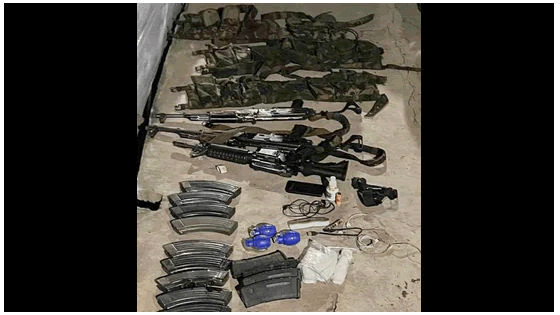
Figure 8. An image showing arms, ammunition and other items recovered during operation of a terrorist attack (PTI).
Future development in ballistic forensics must focus on technological integration and systemic strengthening. A key step is the creation of a National Ballistic Repository that integrates ballistic data from all CFSLs and state forensic labs, similar to the U.S. National Integrated Ballistic Information Network (NIBIN) model. This would allow law enforcement agencies across states to perform rapid nationwide linkages of firearms to crimes, overcoming the current fragmentation.
Interoperability with global ballistic networks should also be explored. Linking Indian databases with Interpol’s iARMS system or regional intelligence-sharing platforms would strengthen transnational firearm tracing and combat illicit arms trafficking.
Another promising avenue is the integration of ballistic data with predictive policing and crime mapping tools. By correlating firearm seizure data with geospatial crime analytics, law enforcement could identify hotspots of illicit gun circulation, thereby enabling proactive interventions.
In addition, capacity building through examiner training, adoption of s (SOPs), and legal reforms aligning forensic practices with international standards (e.g., OSAC guidelines, NIST validation protocols) will be critical for India to fully leverage ballistic imaging technologies.
Firearm examination in India presents both enduring challenges and emerging opportunities. Traditional approaches based on comparison microscopy have long provided the foundation for tool mark identification, yet the increasing prevalence of country-made firearms, with their irregular tool marks and inconsistent ammunition behavior, often limits reliable matches. These difficulties are compounded by the absence of a central ballistics repository, the fragmentation of state-level forensic databases, and the growing backlog in overburdened forensic science laboratories. Together, these constraints frequently delay or prevent the timely linkage of related firearm crimes.
Recent advances in ballistic imaging technologies particularly three-dimensional surface topography, Congruent Matching Cell (CMC) methods, and robust statistical validation demonstrate clear improvements in reproducibility and examiner support. Databasedriven correlation techniques, strengthened by machine learning– based feature extraction, offer additional pathways for scaling analysis in high-volume caseloads. Importantly, these technologies must remain examiner-centered, ensuring that automated results are confirmed through independent visual evaluation in accordance with admissibility standards.
The evolving legal framework in India, with the introduction of the Bharatiya Nyaya Sanhita (BNS), Bharatiya Nagarik Suraksha Sanhita (BNSS), and Bharatiya Sakshya Adhiniyam (BSA), provides renewed emphasis on the role of forensic evidence. These reforms reinforce the need for standardized protocols, validated methods, and transparent reporting in ballistic imaging.
In summary, strengthening firearm identification in India requires an integrated strategy: Expansion of forensic infrastructure, creation of a central national ballistics repository, adoption of international quality standards, and systematic examiner training. By aligning technological innovation with legal and procedural reforms, ballistic imaging can evolve into a decisive tool for linking crimes, curbing the circulation of country-made firearms, and delivering timely justice.
[Crossref] [Google Scholar] [PubMed]
Journal of Forensic Research received 2328 citations as per Google Scholar report