Research Article - (2025) Volume 14, Issue 4
Received: 22-Sep-2024, Manuscript No. JMS-24-148578;
Editor assigned: 25-Sep-2024, Pre QC No. JMS-24-148578 (PQ);
Reviewed: 09-Oct-2024, QC No. JMS-24-148578;
Revised: 22-Aug-2025, Manuscript No. JMS-24-148578 (R);
Published:
29-Aug-2025
, DOI: 10.37421/2167-0943.2025.14.320
Citation: Jafar, Rija. "Assessment of Therapeutic Potential of Stigma Maydis (Cornsilk) on Metabolic Syndrome." J Metabolic Synd 14 (2025): 320.
Copyright: © 2025 Jafar R. This is an open-access article distributed under the terms of the creative commons attribution license which permits unrestricted use, distribution and reproduction in any medium, provided the original author and source are credited.
Metabolic Syndrome (MetS) is a cluster of metabolic abnormalities including obesity, hypertension, dyslipidemia, and insulin resistance, which significantly increases the risk of cardiovascular diseases and type 2 diabetes. Recent research has focused on natural remedies to mitigate these conditions, with Stigma Maydis (cornsilk) emerging as a potential therapeutic agent due to its bioactive compounds, such as flavonoids, alkaloids, and phenolic acids. This study aims to assess the therapeutic potential of Stigma Maydis in managing MetS. Through a comprehensive review of existing literature, we highlight its anti-inflammatory, antioxidant, and hypoglycemic properties that may help in reducing the components of MetS. Animal and human trials have shown that cornsilk can positively influence weight management, blood pressure regulation, lipid profiles, and insulin sensitivity. Furthermore, its minimal side effects position it as a promising adjunct to conventional therapies. This abstract provides a critical evaluation of the current evidence, identifying the mechanisms through which Stigma Maydis exerts its beneficial effects and discussing future research directions to fully establish its role in treating MetS.
Metabolic syndrome • Stigma Maydis • Cornsilk • Therapeutic potential • bioactive compounds • Anti-inflammatory • Hypoglycemic
Corn silk is obtained from maize processing. Corn silk, also known as Maydis stigma, is often discarded as agricultural waste despite its potential health benefits. It is yellow threads of maize. Corn silk contains many bioactive phytochemical compounds i.e., flavonoids, flavone glycosides, sterols and terpenoids [1]. Additionally, it contains carbohydrates, proteins, vitamins, as well as potassium, magnesium, calcium, and sodium salts. Corn silk also comprises volatile oils and steroids like stigmasterol, and sitosterol along with saponins and alkaloids [2].
Metabolic syndrome describes the grouping of several cardiovascular risk factors that include obesity, dyslipidemia, hypertension, and hyperglycemia. These factors are believed to be linked to insulin resistance. The prevalence of these individual conditions, as well as the overall occurrence of metabolic syndrome, is on the rise worldwide. The primary drivers behind the growing issue of metabolic syndrome on a global scale are typically attributed to demographic shifts, rising obesity rates, and decreased physical activity. The incidence of metabolic syndrome frequently follows a similar trend as to that of obesity and type 2 diabetes. The sharpest rise in obesity rates was observed in countries with a low SocioEconomic Index (SDI). Over the past three decades, there was a notable increase in prevalence, jumping from 1.1% in 1980 to 3.85% in 2015. During the period from 1990 to 2015, the global mortality rate associated with high BMI increased by 28.3% [3]. In 2015, the estimated prevalence of diabetes in adults aged 20 to 79 years was 8.8%, and it is projected to increase to 10.4% by the year 2040 [4]. Metabolic syndrome is approximately three times as prevalent as diabetes, with a global estimate suggesting it affects around onequarter of the world's population. It means more than a billion people worldwide are currently dealing with metabolic syndrome.
According to International Diabetic Federation (IDF) criterion for metabolic syndrome includes, increased in waist circumference, men ≥ 90 cm, women ≥ 80 cm along with any 2 of the given parameters:
• Triglyceride levels equal to or exceeding 150 mg/dl (1.7 mmol/l), or undergoing treatment for high triglycerides.
• Men with HDL-C levels below 40 mg/dl (1.03 mmol/l) or women with HDL-C levels below 50 mg/dl (1.29 mmol/l) should be considered for HDL-C treatment.
• Patients with systolic blood pressure equal to or greater than 130 mmHg, or diastolic blood pressure equal to or exceeding 85 mmHg, who are on hypertension treatment or have a previous diagnosis of hypertension.
• Individuals with fasting blood glucose levels equal to or greater than 100 mg/dl (5.6 mmol/l), or receiving treatment for elevated glucose levels, may have a prior diagnosis of type 2 Diabetes and should be evaluated for metabolic syndrome [5].
A recently released research study involving 15,590 high-risk individuals in Pakistan recorded that the prevalence of metabolic syndrome was 54.9% based on the IDF criteria and 55.4% when using the NCEP-ATP III criteria [6]. Another study reported prevalence of 68.13% [7].
According to ministry of national food security and research, maize constitutes 3.0 percent of the agricultural value added and contributes 0.7 percent to the GDP. During the 2022-23 period, maize cultivation expanded to 1,720 thousand hectares, indicating a 4.1 percent increase compared to the previous year's cultivation of 1,653 thousand hectares. Despite this, production saw a notable surge of 6.9 percent, reaching 10.183 million tons from the 9.525 million tons recorded the previous year [8]. Corn silk could be used to create therapeutic foods to prevent chronic diseases. Utilizing corn silk not only promotes better health but also boosts farmers' income by turning waste into a valuable product. Research by Kaur et al. underscores its potential in food, cosmetics, and herbal medicine industries, offering opportunities for developing functional and therapeutic products [9].
Focus on disease prevention and treatment, along with health promotion and resilience need to be considered. Dietary supplements have been gaining value in recent years in all these contexts. In 2020, the worldwide market for dietary supplements surpassed a value of over 191 billion USD and is anticipated to exceed 307 billion USD by the year 2028 [10]. Corn silk, derived from Zea mays, is commonly available byproduct of corn farming. It has a wellestablished history in traditional Chinese medicine for treating various conditions, including edema, cystitis, kidney stones, diuretic effects, urinary infections, prostate issues, as well as addressing bedwetting and obesity [11].
The maximum dose of 30 g/kg in mice was not reason of death and even major complications. Hence it’s Lethal Dose (LD50) far more than its possible consumption. Flavonoids of stigma Maydis (corn silk) are its bioactive compounds that have good antioxidant potential [12]. Corn silk holds significance as a traditional herb utilized by Chinese and Native American cultures for treating various ailments. Its traditional medicinal use extends globally to countries like Turkey, the United States, and France. Numerous reports suggest its potential in antioxidant properties and health applications, including its purported diuretic effects, reduction of hyperglycemia, antidepressant properties, and combating fatigue. Corn silk is also utilized in teas and supplements aimed at addressing many health issues. The effectiveness of corn silk is closely linked to the bioactive compounds present,such as flavonoids and terpenoids, and their mechanisms of action [13]. Currently, most research indicates that corn silk exhibits hypoglycemic, reno protective, anti-hyperlipidemic, hypotensive, and antioxidant properties. Studies have also indicated that the use of corn silk is not associated with significant adverse effects. Thus, corn silk, being a natural product has potential for the treatment or prevention of metabolic syndrome [14]. The data collected by Zilic et al. underscore the richness of bioactive compounds in corn silks, particularly esters of hydroxycinnamic acids and luteolin derivatives. Corn silks harvested at the silking stage prove to be superior in yielding phenolic compounds than Mentha piperita and Ginkgo biloba. Among various hybrids, one hybrid (ZP 341) exhibits the highest total phenolic compound content, compared to green tea and Melissa officinalis. There were no significant differences in antioxidant activity between corn silks at the silking stage and medicinal herbs on average. Given their potent antioxidant properties, corn silk extracts hold promise for treating conditions linked to oxidative stress and could serve as valuable natural antioxidants in dietary supplements and functional foods. Furthermore, this research confirms the high potassium content in corn silk, which aligns with its diuretic effects [15].
Type of study
This trail is prospective clinical type and consists of three phases:
Phase I: Supplement preparations
• Product development
• Proximate analyses
• Total phenolic content analysis
Phase II: Human trial
• Anthropometric measurements
• Bio Chemical evaluation
• Clinical evaluation
• Dietary analysis
Phase III: Statistical analyses
Product development: It consisted of following stages.
A procurement of sample: First of all, corn silk was obtained from local vendors of corn in Lahore (Figure 1).
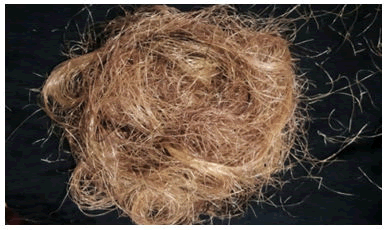
Figure 1. Raw corns silk procured from local market.
Washing, drying and grinding of sample: Corn silk was obtained and washed out properly, particles of girt, dust, and other waste material was removed. It was dried for 4-6 days in shade. Later, a mechanical grinder was used to powder the dried silk.
Extract preparation and encapsulation: According to Wu et al. corn silk extract was prepared by ethanol reflux method. In this method, corn silk and ethanol was taken in 1:30 as a solid-liquid ratio with 60% ethanol as an extraction solvent and kept in shaking water bath at 80°C for 3 h. After this extract was filtered out and evaporated in rotary evaporator [16].
This evaporated extract was then freeze dried and encapsulated in UVAS laboratory under clean and hygienic environment. Weight of each capsule was 400 mg. Further small containers were used to aseptically deliver dosage of each person.
Proximate analysis of CS powder: The proximate analysis of Corn Silk (CS) powder will be conducted on a minimum of three times, employing the procedures outlined in AOAC. This analysis will encompass measurements of total moisture content, total ash content, total protein, crude fat, crude fiber, and Non-Fiber Carbohydrates (NFE) [17].
Moisture content: Moisture content in each sample will be calculated by following the AOAC official method 930.04, and by using the given formula:
Moisture content (%)=((wt. of fresh sample (g)-wt. of dried sample (g))/wt. of fresh sample (g)) × 100
Total ash: Total ash content will be determined using the AOAC official method 930.05, and the estimation will be carried out using the following formula:
Total ash=[((wt. of ash (g)+crucible)-wt. of crucible)/ wt. of sample (g))] × 100
Crude protein: The Kjeldahl method, specified in AOAC official method 976.05, will be used to determine the total nitrogen content in the sample, utilizing the following formula. Subsequently, the crude protein percentage will be calculated by multiplying the nitrogen percentage by a factor of 6.25 [18].
N (%)=((Vol. of 0.1 N H2SO4 × Vol. of dilution × 0.0014)/(Wt. of sample (g) × 10)) × 100
Crude protein=N (%) × 6.25
Crude fat: To determine the crude fat content in each sample, we will perform ether extraction following the guidelines outlined in AOAC official method 930.09. The subsequent calculation will rely on the following formula:
Crude fat (%)=((wt. of thimble before drying-wt. of thimble after drying)/Weight of sample) × 100
Crude fiber: For this, AOAC official method 962.09 will be followed and will be estimated by using the bellow-mentioned formula:
Crude fiber (%)=((wt. of crucible with sample before ashing (g)-wt. of crucible with ash after ashing (g))/Weight of sample) × 100
Nitrogen free extract: For the estimation of nitrogen-free extract, the following equation will be used:
NFE%=100-(Total ash%+crude fat%+crude protein%+crude fiber%)
Next step involves testing total phenolic compounds of the product.
Determination of total phenolic content: Total Phenolic Compounds (TPC) will be tested in the product for the preliminary phytochemical analysis. The testing will be conducted in the Department of Food Science and Human Nutrition in the University of Veterinary and Animal Sciences, Lahore.
With the Folin-Ciocalteu method, the total phenolic content of the corn silk extract and its fractions will be ascertained. A 10 mL volumetric flask was filled with 0.01 g of precisely weighed gallic acid standard, which was then dissolved to create the gallic acid standard curve. The mother liquor was defined as the concentration at which distilled water was introduced, which was 1.0 mg/mL. The 1.0 mg/mL standard solution was then divided into different volumes (0 mL, 0.1 mL, 0.2 mL, 0.3 mL, 0.4 mL, and 0.5 mL) and processed using the Folin colorimetric method in 10 mL volumetric flasks. After adding 1.5 mL of a 20% Na2CO3 solution, 0.5 mL of Folin's reagent was added. The mixture was heated at a steady volume using ultrapure water.
The TPC was calculated using equation:
X=(ρ × V × N)/m
Where X represents the polyphenol component in the sample, ρ is the polyphenol mass concentration in the test solution, V is the volume of the test solution, N is the dilution factor, and m is the mass of the sample.
Human trial
Participants: We selected 40 participants from healthcare facilities in Lahore. I participated in two nutrition medical camps organized by Shalamar Hospital Lahore and Zunf Medicare in Lahore. Additionally, I have taken my patients from Chaudhary Hospital in Data Gunj Bakhsh,Lahore, for which I have taken a permission letter. The inclusion criteria for the selection of patients was a BMI greater than 25 kg/m2 , dyslipidemia, altered blood glucose levels, and an age range of 30 to 55 years for both males and females. The exclusion criteria included any critically ill patient or patients with thyroid disorders, liver disease, kidney disorders, cancer, and other metabolic disorders etc. As the follow up of patients was critical more patients were recruited to compensate for the follow up missed.
Span of study: A clinical trial involving 40 patients with metabolic syndrome was conducted over an 8-week period. Participants were supplemented with CSP capsules, taken twice daily with dosage of 400 mg/capsule. The total 20 members need to be followed as control and experimental group before intervention and after intervention (Table 1).
| ID. no. | Age | Gender | Education level | Socioeconomic status | Disease status | medicine | Weight 1 | Weight 2 | Physical activity |
| P1 | 40 | F | Masters | Middle | DM+ | Insulin+ Glucophage | 70 | 69.5 | Sedentary |
| P2 | 35 | F | Nurse | Middle | 85 | 84 | Moderate | ||
| P3 | 41 | F | Illiterate | Middle | HTN+, DM+ | Insulin, BP medicine | 75 | 75 | Sedentary |
| P4 | 45 | F | Illiterate | Worker | No | No | 58 | 58.5 | Moderate |
| P5 | 43 | M | Illiterate | Worker | HTN+, Anxiety | BP medicines, anti-depressant | 88 | 44 | Moderate |
| P6 | 51 | M | Illiterate | Worker | HTN+, DM+ | Lipid lowering | 105 | 103 | Moderate |
| P7 | 38 | M | MBA | Middle | No | No | 100 | 97 | Moderate |
| P8 | 39 | M | Master | Middle | No | No | 93 | 91 | Sedentary |
| P9 | 60 | M | B.com | Middle | HTN+ | No | 107 | 105 | Sedentary |
| P10 | 39 | M | Business | SVT | No | 97 | 96 | Sedentary | |
| P11 | 47 | F | Graduation | Middle | HTN+ | Lipid lowering | 74 | 73 | Moderate |
| P12 | 30 | M | Income tax consultant | Middle | HTN+ | Lipid lowering | 94 | 93 | Sedentary |
| P13 | 50 | M | Bachelors | Middle | DM+, HTN+ | Lipid lowering | 97 | 95 | Sedentary |
| P14 | 39 | F | Bachelors | Middle | HTN+ | No | 71 | 70.5 | Sedentary |
| P15 | 46 | F | Doctorate | Middle | HTN+ | No | 110 | 108 | Sedentary |
| P16 | 49 | M | Graduation | Middle | HTN+ | Dispirine | 85 | 84 | Sedentary |
| P17 | 56 | F | Illiterate | Middle | DM+, HTN+ | Glucophage | 56 | 56.5 | Sedentary |
| P18 | 49 | F | Graduation | Middle | DM+, HTN+ | Dispirine | 60 | 61 | Sedentary |
| P19 | 50 | F | Matric | middle | DM+, HTN+ | No | 90 | 89 | Sedentary |
| P20 | 60 | M | Graduation | Middle | DM+, HTN+ | Lipid lowering, Glucophage | 79 | 76 | Sedentary |
Table 1. Data collected from patients.
Anthropometric measurements: Anthropometric measurements were meticulously recorded for all patients, focusing on key indicators such as weight, height, and waist circumference. Weight was measured using a calibrated digital scale to ensure accuracy. Height was measured with a stadiometer, ensuring the patients stood upright without shoes. Waist circumference was assessed using a flexible measuring tape, positioned midway between the lower rib and the iliac crest. These measurements provided essential baseline data for evaluating changes in body composition and health status over the course of the clinical trial. These were taken before and after the intervention of CSP capsule intervention (Figure 2).
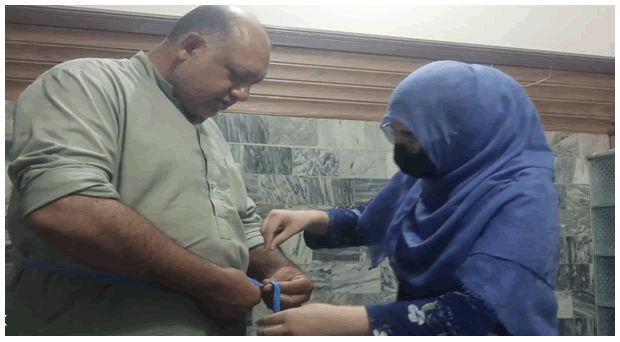
Figure 2. Anthropometric measurement (waist circumference) of patient.
Biochemical evaluation: Biochemical analysis of the lipid profile was conducted both before and after the intervention to assess the impact of CSP capsule supplementation. Blood samples were collected from all participants to measure key lipid parameters, including total cholesterol, LDL cholesterol, HDL cholesterol, and triglycerides. Following the 8-week supplementation period, a second round of lipid profile analysis was performed to determine any significant changes. Comparing the pre and post-intervention data allowed for a thorough evaluation of the efficacy of CSP capsules in improving lipid profiles among patients with metabolic syndrome (Table 2-6).
Normal values for above mentioned tests are mentioned as under:
| Lipid profile | Normal Values |
| Cholesterol | <200 mg/dL |
| Triglycerides | <150 mg/dL |
| HDL | 40-60 mg/dL |
| LDL | <150 mg/dL |
Table 2. Normal values of blood tests.
| Glucose profile | Normal values |
| Blood glucose level fasting | 70-100 rng/dL |
Table 3. Glucose profile normal ranges.
|
Parameter |
Normal values |
|
Blood pressure |
80/120 mm of Hg |
Table 4. Blood pressure normal range.
| ID. no. | T. Chol 1 | T. Trigly 1 | HDL 1 | LDL 1 | SBP 1 | DBP 1 | BSL (F) 1 |
| P1 | 243 | 330 | 43 | 160 | 130 | 90 | 264 |
| P2 | 224 | 145 | 32 | 169 | 125 | 80 | 120 |
| P3 | 210 | 149 | 36 | 168 | 120 | 80 | 250 |
| P4 | 175 | 245 | 28 | 119 | 130 | 90 | 103 |
| P5 | 170 | 133 | 39 | 110 | 130 | 90 | 91 |
| P6 | 224 | 267 | 36 | 157 | 150 | 90 | 120 |
| P7 | 217 | 139 | 34 | 168 | 140 | 90 | 110 |
| P8 | 183 | 70 | 35 | 152 | 180 | 110 | 100 |
| P9 | 139 | 136 | 35 | 77 | 140 | 90 | 93 |
| P10 | 204 | 118 | 51 | 131 | 140 | 90 | 90 |
| P11 | 267 | 485 | 37 | 75 | 145 | 95 | 99 |
| P12 | 160 | 214 | 38 | 70 | 130 | 90 | 86 |
| P13 | 219 | 261 | 42 | 147 | 150 | 90 | 250 |
| P14 | 200 | 140 | 40 | 150 | 140 | 90 | 140 |
| P15 | 245 | 213 | 40 | 146 | 160 | 120 | 120 |
| P16 | 134 | 65 | 34 | 70 | 130 | 90 | 115 |
| P17 | 171 | 305 | 33 | 127 | 140 | 90 | 230 |
| P18 | 196 | 80 | 34 | 125 | 170 | 100 | 219 |
| P19 | 156 | 192 | 32 | 123 | 140 | 80 | 139 |
| P20 | 110 | 80 | 29 | 75 | 140 | 100 | 200 |
Table 5. Patients’ blood parameters before treatment.
| ID. no. | T. Chol 2 | T. Trigly 2 | HDL 2 | LDL 2 | SBP 2 | DBP 2 | BSL (F) 2 |
| P1 | 204 | 286 | 44 | 145 | 135 | 90 | 251 |
| P2 | 193 | 112 | 39 | 147 | 120 | 80 | 102 |
| P3 | 168 | 113 | 45 | 141 | 120 | 80 | 239 |
| P4 | 145 | 203 | 36 | 112 | 120 | 80 | 98 |
| P5 | 139 | 102 | 45 | 93 | 120 | 85 | 90 |
| P6 | 193 | 225 | 42 | 146 | 140 | 90 | 112 |
| P7 | 169 | 103 | 41 | 153 | 135 | 90 | 100 |
| P8 | 159 | 68 | 45 | 154 | 170 | 100 | 98 |
| P9 | 123 | 102 | 46 | 70 | 130 | 90 | 110 |
| P10 | 178 | 79 | 53 | 109 | 135 | 90 | 98 |
| P11 | 232 | 389 | 43 | 70 | 140 | 90 | 95 |
| P12 | 136 | 156 | 46 | 68 | 125 | 80 | 95 |
| P13 | 167 | 169 | 45 | 123 | 140 | 90 | 236 |
| P14 | 156 | 84 | 46 | 128 | 130 | 90 | 129 |
| P15 | 223 | 190 | 59 | 120 | 140 | 100 | 124 |
| P16 | 133 | 65 | 30 | 82 | 130 | 90 | 115 |
| P17 | 156 | 195 | 49 | 125 | 130 | 90 | 215 |
| P18 | 189 | 77 | 36 | 117 | 150 | 80 | 206 |
| P19 | 147 | 178 | 38 | 103 | 130 | 80 | 128 |
| P20 | 107 | 74 | 34 | 58 | 130 | 90 | 175 |
Table 6. Patients parameters after treatment.
Consent form: Patients meeting the inclusion criteria were counseled, after which they were asked to sign a consent form. Upon obtaining their consent, they were enrolled in the study. By agreeing to participate in the study, the following data was obtained from them:
• Anthropometric measurement such as weight, height and waist circumference will be taken from the participant.
• Fasting blood glucose levels and blood pressure was assessed before and after the intervention.
• Blood lipid profile of the participants was assessed before and after the intervention.
• 24-hour dietary recall and physical activity were assessed using questionnaire.
Statistical analysis: The statistical significance of the host parameter data was computed using one-way ANOVA and correlation (SPSS Inc., Chicago, IL, USA). Variations were called significant when the p-values were below 0.05. The data was analyzed by using SPSS-20.
Proximate analysis
Proximate analysis was performed in laboratories of University of Veterinary and Animal Sciences, Lahore (Table 7). Results of proximate analysis of corn silk extract powder are as follows:
| Constituents | Oven dried powder (%) | Corn silk extracts powder (%) |
| Dry matter | 98.81 | 95.5 |
| Moisture | 1.186 | 0 |
| Crude fiber (%) | 3.95 | Nil |
| Crude protein (%) | 16.5 | 5.5 |
| Fat% | 3.4 | 3.6 |
| Ash% | 2.32 | 3.5 |
| NFE% | -- | 87.55 |
Table 7. Proximate analysis of corn silk powder oven dried and corn silk extract powder (freeze dried).
The proximate analysis of the sample revealed a high dry matter content of 95.5%, with no moisture or crude fiber present. It contained 5.5% crude protein, 3.6% fat, 3.5% ash, and 87.55% Nitrogen-Free Extract (NFE). The sample is rich in carbohydrates, with moderate protein and fat levels, and no crude fiber (Figure 3).
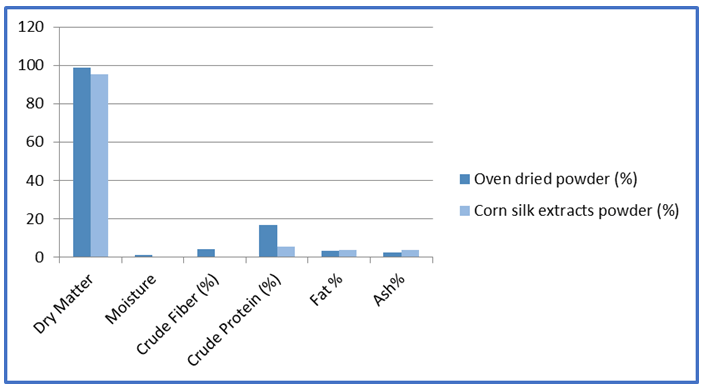
Figure 3. Proximate analysis of corn silk extract powder and corn silk powder.
Total phenolic content of CSE
Total phenolic content of freeze dried ethanolic extract of corn silk powder was performed to check its antioxidant capacity. The results are given in the Table 8 as follow:
| Dilution of CSE extract (1 g/1 ml) | Absorbance | Total phenolic content (mgGAE/g) |
| 100 µg/ml | 0.237 | 198 |
| 50 µg/ml | 0.165 | 231 |
| 25 µg/ml | 0.135 | 324 |
Table 8. Total phenolic content of CSE powder.
The mean total phenolic content of CSE is 251 mgGAE/g of sample. This is measured against different dilutions of 1 g/1 ml ethanolic extract of corn silk. Spectrophotometric absorbance is measured at 760 nm Jafar R J Metabolic Synd, Volume 14:4, 2025 Page 7 of 11 Table 7. Proximate analysis of corn silk powder oven dried and corn silk extract powder (freeze dried). Figure 3. Proximate analysis of corn silk extract powder and corn silk powder. excluding blank solution absorbance. The procedure was performed in UVAS lab. To avoid error 3 measurements were taken (Figure 4).
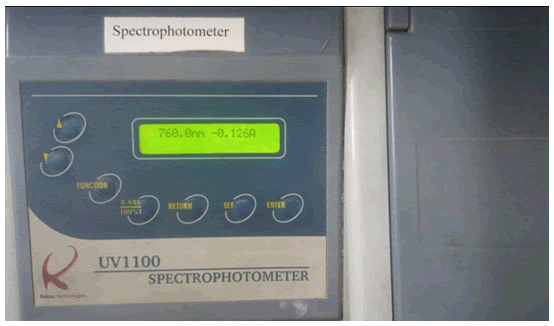
Figure 4. Spectrophotometer.
Anthropometric analysis
The anthropometric data include weight, height and waist circumference. These values were taken from recruited patients before and after trial of 40 days. Waist circumference is necessary to measure as it is crucial determinant of metabolic syndrome. Weight was compared before and after intervention to the patients. Mean value and standard deviation of weight before and after intervention was 84.70 ± 16.33 and 81.45 ± 17.81 respectively (Table 9).
| Weight | Mean | N | Std. deviation | Std. error mean | Sig. |
| Before treatment | 84.7 | 20 | 16.33885 | 3.65348 | 0 |
| After treatment | 81.45 | 20 | 17.81624 | 3.98383 |
Table 9. Effect of corn silk extract powder on weight.
The p value 0 is as less than 0.005, hence the results are significant.
Total cholesterol analysis
Total cholesterol is one of the parameter of blood lipid profile. The mean total cholesterol values before and after intervention with standard deviations are 192.35 ± 40.71 and 165.85 ± 32.68 respectively (Table 10).
|
Total cholesterol |
Mean |
N |
Std. deviation |
Std. error mean |
Sig. |
|
Before treatment |
192.35 |
20 |
40.71373 |
9.10387 |
0 |
|
After treatment |
165.85 |
20 |
32.68071 |
7.30763 |
Table 10. Effect of corn silk extract powder on total cholesterol.
P value less than 0.005 declare the results are significant.
Total triglycerides analysis
Statistical analysis on total triglycerides of the patients that had been followed came as given in the Table 11. The means and standard deviation of it before and after the intervention were 188.35 ± 104.95 and 148.50 ± 83.63, respectively (p=0.000).
| Total Triglycerides | Mean | N | Std. deviation | Std. error mean | Sig. |
| Before treatment | 188.35 | 20 | 104.9513 | 23.46781 | 0 |
| After treatment | 148.5 | 20 | 83.63234 | 18.70076 |
Table 11. Effect of corn silk extract powder on total triglycerides
HDL analysis
HDL means and standard deviation before and after the intervention are 36.40 ± 5.23 and 43.10 ± 6.61 respectively as given in the Table 12 P value less than 0.005 i.e., 0.002 shows that the results are significant.
| HDL | Mean | N | Std. deviation | Std. error mean | Sig. |
| Before treatment | 36.4 | 20 | 5.23551 | 1.17069 | 0.002 |
| After treatment | 43.1 | 20 | 6.60861 | 1.47773 |
Table 12. Effect of corn silk extract powder on HDL.
LDL analysis: LDL analysis is the forth parameter of blood lipid profile. The mean values and standard deviation of it before and after trial are 125.95 ± 35.39 and 113.20 ± 30.86 respectively (Table 13).
|
LDL |
Mean |
N |
Std. deviation |
Std. error mean |
Sig. |
|
Before treatment |
125.95 |
20 |
35.39473 |
7.9145 |
0 |
|
After treatment |
113.2 |
20 |
30.85893 |
6.90027 |
Table 13. Effect of corn silk extract powder on LDL.
P value is significant as it is less than 0.005. (p|=0.00)
Fasting blood sugar level analysis: Fasting blood glucose was monitored once before and after the intervention. The mean values and standard deviation of it are 146.95 ± 62.39 and 140.80 ± 56.31 respectively as given in the Table 14 (p=0.00).
| Fasting blood sugar level | Mean | N | Std. deviation | Std. error mean | Sig. |
| Before treatment | 146.95 | 20 | 62.38798 | 13.95038 | 0 |
| After treatment | 140.8 | 20 | 56.31079 | 12.59148 |
Table 14. Effect of corn silk extract powder on fasting blood sugar level.
Blood pressure analysis
As blood pressure is measure of systolic and diastolic pressure. The mean systolic pressure before and after invention along with standard deviations are 141.5 ± 14.88 and 133.5 ± 11.82 respectively (Table 15). Both values for diastolic pressure are 92.25 ± 9.52 and 87.75 ± 6.17 respectively (P=0.00) (Figures 5 and 6).
| Systolic blood pressure | Mean | N | Std. deviation | Std. error mean | Sig. |
| Before treatment | 141.5 | 20 | 14.87669 | 3.32653 | 0 |
| After treatment | 133.5 | 20 | 11.82103 | 2.64326 | |
| Diastolic blood pressure | |||||
| Before treatment | 92.25 | 20 | 9.5249 | 2.12983 | 0 |
| After treatment | 87.75 | 20 | 6.17188 | 1.38007 | |
Table 15. Effect of corn silk extract powder on blood pressure.
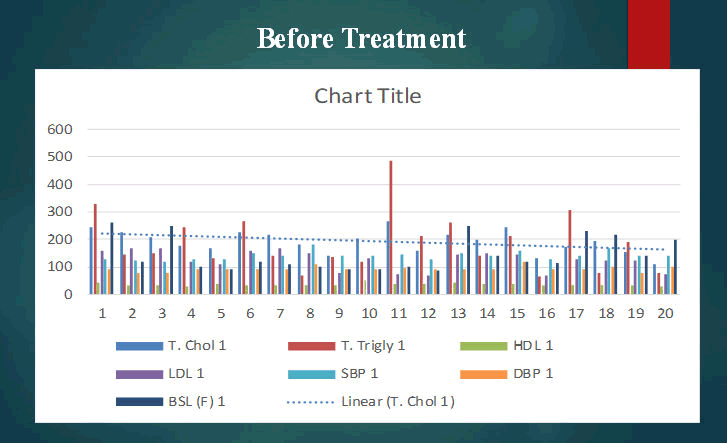
Figure 5. Graph showing research parameters before intervention of CSE powder.
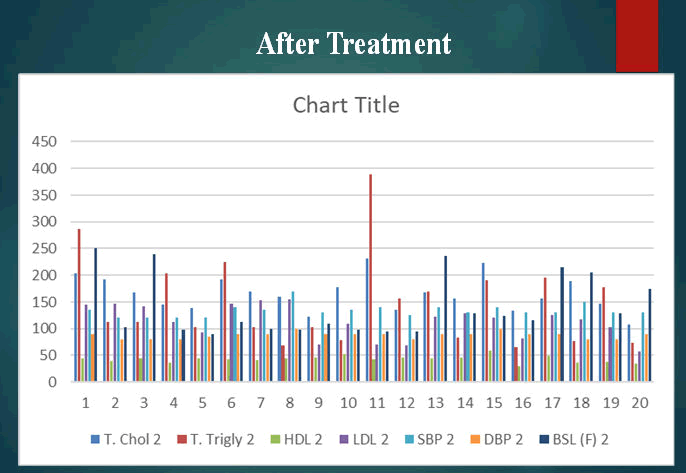
Figure 6. Graph showing research parameters after intervention of CSE powder.
Many researches have looked at the prevalence of metabolic syndrome, as it is prevalent in the world. Adil et al. have out the first meta-analysis on this subject in Pakistan in 2023 to ascertain the pooled prevalence of metabolic syndrome. This meta-analysis contained information from 30,419 people who seemed to be in good health. Eighteen (85.0%) of the studies were cross-sectional in nature. Eleven (55.0%) and six (30.0%) of the studies were carried out in Sindh Province and Punjab Province, respectively, with the majority of the studies (17 or 85.0%) concentrating on metropolitan regions. An estimate of the prevalence of metabolic syndrome in Pakistani society is given by this meta-analysis. The startling findings show that metabolic syndrome is far more common in those who believe themselves to be healthy, frequently as a result of the lack of knowledge about or ignorance of hidden illnesses including hypertension, dyslipidemia, and obesity. Those residing in the provinces of Sindh and Punjab had a noticeably greater incidence. Furthermore, central obesity, low HDL, and high triglyceride levels greatly increase the risk of developing metabolic syndrome [19].
Corn silk has been used as traditional medicine in china and reported many beneficial effects of it in hyperlipidemia, diabetes and hypertension. A meta-analysis suggests role of corn silk as antidiabetic, antihypertensive, lowering of lipid and a good antioxidant source. In this meta-analysis about 15 studies of different rat trial designs are compiled that describe role of corn silk in diabetes, hypertension, and hyperlipidemia and as antioxidant [20].
According to a study the nutritional composition of corn silk powder is about 7.89% of moisture content, 0.55% fat, 5.29%ash, and 15.29% protein. Another study reported a range of different nutritional constituent of corn silk powder i.e., it holds moisture (9.65–10.4%), carbohydrates (65.5–74.3%), fat (0.29–4.74%), protein (9.42–17.6%), dietary fiber (7.34%), and ash (1.2–3.91%). Proximate analysis done in Food and Nutrition Department Lab tells us that the moisture content of corn silk powder is 1.186%, 3.4% fat, 3.95% fiber, 16.5% protein and 2.32% ash. While proximate analysis of corn silk powder dried in oven and corn silk extract powder which was freeze dried compared, we get to know that less protein, slightly more fat and more ash in it. Corn silk extract is hygroscopic and can absorb water immediately while its proximate analysis suggests that there is nil moisture in it.
The total phenolic content in corn silk extract depends upon various factors like maturity stage of corn silk, harvest type, method of extraction either water, methanolic or ethanolic extract. It was observed by studies that ethanolic extract yield more phenolic compounds than water extract. This may be due to solvent polarity also affected by maturity and harvest type of corn silk. In a research, extracting the phenolic content with solvents in methanol, ethanol, water, and ethyl acetate, the results were 101.99 ± 8.05, 93.43 ± 2.26, 35.34 ± 2.17, and 6.70 ± 0.51 mg GAE/g, respectively. The mean total phenolic content measured in Department of Food Science and Human Nutrition by Folin Ciocaltu reagent came 251 mg/GAE per gram of solid corn silk extract. This range is higher due to ethanolic extraction and also the process of freeze drying protected antioxidant capacity of it.
In anthropometry weight and waist circumference of the recruited participants were measured. Waist circumference that is greater than 80 cm in females and greater than 90 cm in males is a marker of metabolic syndrome. As the patients of metabolic syndrome needed to be screened out so it was essential to measure this. Another parameter of weight was measured before and after the intervention of corn silk extract powder. A molecular level study identified 13 targets, two important signaling pathways (PPAR and PI3K-Akt), and four bioactives (β-Amyrone, Neotocopherol, β-Stigmasterol, and Xanthosine) of CS against obesity. In another study maysin from corn silk has the capacity to decrease lipid accumulation in the cell, adipocyte differentiation, and lipogenesis, as well as to promote boxidation, which in turn causes greater lipolysis, suggests that it has a strong potential as an anti-adipogenic drug. In this human trial weight mean values and standard deviation before and after intervention was 84.70 ± 16.33 and 81.45 ± 17.81 respectively. These results are significant suggesting role of corn silk extract in weight reduction.
Lipid profile includes total cholesterol, total triglycerides, HDL, and LDL levels. These are suggestive of hyperlipidemia in body. Metabolic syndrome patients usually have hyperlipidemia and can be determined through this. According to a prior study, after three weeks of feeding 0.2% purified flavonoids from corn silk, the experimental group rabbits' TC, TG, and LDL-C content had dramatically decreased in comparison to the control group, with the respective lowering rates being 60.9%, 194.2%, and 64.9%. Nonetheless, the feeding experimental group rabbits had a greater serum concentration of HDL-C than the control group. In this research our lipid profile parameters have shown significant results as the intervention has improved these markers. The mean total cholesterol values before and after intervention with standard deviations are 192.35 ± 40.71 and 165.85 ± 32.68 respectively. The total triglycerides mean and standard deviations are 188.35 ± 104.95 and 148.50 ± 83.63, respectively. The mean values and standard deviation of LDL before and after trial are 125.95 ± 35.39 and 113.20 ± 30.86 respectively. HDL has shown increase in mean values 36.40 ± 5.23 to 43.10 ± 6.61 after the intervention and follow up phase.
In a study, the corn silks extract shown strong and moderate inhibitory potential against α-amylase and α-glucosidase, respectively, according to an in vitro investigation. With corresponding half-maximal inhibitory concentrations (IC50) of 5.89 and 0.93 mg/mL, the inhibition was concentration-dependent. Alkaloids, phenols, flavonoids, saponins, tannins, and phytosterols were identified as potential inhibitory ingredients by phytochemical investigations. Sabiu et al. used water extract; in this research results are more significant as ethanolic extract has been used. The mean values and standard deviation of it changed from 146.95 ± 62.39 to 140.80 ± 56.31 after intervention.
A randomized study investigated the impact of different doses of corn silk aqueous extract on Intraocular Pressure (IOP) and blood pressure in 40 hypertensive subjects (20 ystemic and 20 non-systemic). Subjects received either water or varying doses of the extract, ranging from 60 to 260 mg/kg body weight, with measurements taken at baseline and hourly for eight hours’ post-administration. Results indicated a significant dose-dependent reduction in both IOP and blood pressure, with the most pronounced effects observed at higher doses. The extract's potassium content may likely induced natriuresis and diuresis, contributing to its hypotensive properties. The results of this human trial also suggest significant results for blood pressure. There is a decrease in mean values of both systolic and diastolic blood pressure. The mean systolic pressure before and after intervention along with standard deviations are 141.5 ± 14.88 and 133.5 ± 11.82 respectively. Both values for diastolic pressure are 92.25 ± 9.52 and 87.75 ± 6.17 respectively.
It can be concluded that ethanolic extract of corn silk with freeze drying protect the antioxidants of it. The supplements of this extract when given to human work as a potential nutraceutical. It has ameliorated the symptoms of metabolic syndrome. It can work as a good anti diabetic, antihypertensive, antioxidant and antihyperlipidemia reagent. And in metabolic syndrome patients it can work as a good adjuvant.
[Crossref] [Google Scholar] [PubMed]
[Crossref] [Google Scholar] [PubMed]
[Crossref] [Google Scholar] [PubMed]
[Crossref] [Google Scholar] [PubMed]
[Crossref] [Google Scholar] [PubMed]
[Crossref] [Google Scholar] [PubMed]
[Crossref] [Google Scholar] [PubMed]
[Crossref] [Google Scholar] [PubMed]
[Crossref] [Google Scholar] [PubMed]
[Crossref] [Google Scholar] [PubMed]
[Crossref] [Google Scholar] [PubMed]
[Crossref] [Google Scholar] [PubMed]
[Crossref] [Google Scholar] [PubMed]
[Crossref] [Google Scholar] [PubMed]
Journal of Metabolic Syndrome received 48 citations as per Google Scholar report