Short Communication - (2025) Volume 10, Issue 4
Received: 01-Aug-2025, Manuscript No. jcct-26-183229;
Editor assigned: 04-Aug-2025, Pre QC No. P-183229;
Reviewed: 18-Aug-2025, QC No. Q-183229;
Revised: 22-Aug-2025, Manuscript No. R-183229;
Published:
29-Aug-2025
, DOI: 10.37421/2577-0535.2025.9.327
Citation: Youssef, Omar Ben. ”Antibody-drug Conjugates: New Hope for Cancer.” J Cancer Clin Trials 10 (2025):327.
Copyright: © 2025 Youssef B. Omar This is an open-access article distributed under the terms of the Creative Commons Attribution License, which permits unrestricted use, distribution and reproduction in any medium, provided the original author and source are credited.
Antibody-drug conjugates (ADCs) represent a significant advancement in cancer therapy, integrating the specificity of antibodies with the potency of cytotoxic drugs to achieve targeted cell killing [1].
This innovative approach aims to enhance therapeutic efficacy while minimizing systemic toxicity, a long-standing challenge in traditional chemotherapy [2].
The development of ADCs has seen rapid progress, with new agents continuously emerging and expanding treatment options for various malignancies [3].
The mechanism of action involves the targeted delivery of a potent payload to cancer cells expressing specific antigens, leading to their destruction [4].
This targeted approach holds immense promise for improving patient outcomes across a spectrum of cancers [5].
ADCs are particularly valuable in treating difficult-to-reach tumors and in overcoming resistance to other therapies [3].
Their development is driven by a deeper understanding of cancer biology and advancements in conjugation technologies [2].
The clinical application of ADCs is expanding, with numerous agents approved and many more in various stages of clinical development [1].
This has ushered in a new era of personalized and targeted cancer treatment [2].
The evolving landscape of ADC technology includes novel linker designs and drug payloads, further enhancing their therapeutic potential [7].
Furthermore, strategies to overcome resistance mechanisms are actively being investigated to broaden the applicability of ADCs [3].
The synergistic potential of combining ADCs with immunotherapies is also a burgeoning area of research, aiming to further amplify anti-tumor responses [4].
The growing success of ADCs has led to their strategic integration into treatment regimens for both solid tumors and hematological malignancies [9, 10]. The field of antibody-drug conjugates (ADCs) has witnessed remarkable progress, transforming the landscape of cancer treatment by combining the targeting capabilities of monoclonal antibodies with the cytotoxic power of potent chemotherapeutic agents [1].
This sophisticated modality is designed to deliver anti-cancer drugs directly to tumor cells, thereby sparing healthy tissues and reducing dose-limiting toxicities often associated with conventional chemotherapy [2].
The continuous innovation in ADC technology, encompassing novel antibody designs, advanced linker chemistries, and increasingly potent payloads, has led to a surge in their clinical development and application [7].
The precise targeting mechanism of ADCs relies on the unique expression of specific antigens on cancer cells, making them ideal candidates for personalized medicine [1].
The therapeutic journey of ADCs has been marked by significant milestones, with several agents receiving regulatory approval for various cancers, further validating their clinical utility [5].
This success has fueled extensive research into overcoming the inherent challenges in ADC development, such as resistance mechanisms and antigen heterogeneity [3].
The potential for ADCs to address unmet needs in difficult-to-treat cancers is a major driver of ongoing research efforts [3].
Moreover, the exploration of synergistic therapeutic strategies, including the combination of ADCs with immunotherapies, is opening new avenues for enhancing anti-tumor immunity and patient responses [4].
The versatility of ADCs allows for their application in a broad range of malignancies, from solid tumors to hematological cancers, highlighting their expansive therapeutic scope [9, 10]. As our understanding of cancer biology deepens and technological advancements continue, ADCs are poised to play an even more pivotal role in the future of oncology [1].
Antibody-drug conjugates (ADCs) have emerged as a cornerstone of modern cancer therapy, offering a highly targeted approach to drug delivery [1].
By leveraging the specificity of antibodies to recognize and bind to antigens overexpressed on cancer cells, ADCs effectively deliver potent cytotoxic payloads directly into tumor cells, thereby maximizing anti-cancer activity while minimizing collateral damage to healthy tissues [2].
The evolution of ADC technology has been characterized by significant innovations in antibody engineering, linker stability, and payload design, leading to improved efficacy and safety profiles [7].
These advancements have paved the way for the development of a new generation of ADCs with enhanced therapeutic potential, addressing a wide range of malignancies [2].
The clinical success of approved ADCs underscores their ability to overcome the limitations of conventional chemotherapy, particularly in challenging tumor types and in patients who have developed resistance to other treatments [3].
The research focus on ADCs is expanding to address complex therapeutic challenges, including enhancing tumor penetration and overcoming antigen heterogeneity [9].
Furthermore, the strategic combination of ADCs with other therapeutic modalities, such as immunotherapy, is being actively explored to achieve synergistic anti-tumor effects and improve patient outcomes [4].
The broad applicability of ADCs extends to both solid tumors and hematological malignancies, offering new hope for patients with diverse cancers [9, 10]. The ongoing advancements in the field promise to further refine ADC design and expand their clinical utility, solidifying their position as a vital therapeutic option in oncology [1].
The field of antibody-drug conjugates (ADCs) continues to expand, offering a sophisticated approach to cancer treatment that harnesses the precise targeting of antibodies to deliver potent cytotoxic agents directly to malignant cells [1].
This targeted delivery mechanism aims to enhance therapeutic efficacy and reduce the systemic toxicities often associated with conventional chemotherapy [2].
The rapid progress in ADC development is fueled by continuous innovation in antibody discovery, linker technology, and payload design, leading to an expanding pipeline of investigational and approved agents [7].
The unique antigen-binding specificity of antibodies ensures that ADCs are preferentially delivered to tumor sites, maximizing drug concentration at the disease locus while minimizing exposure to healthy tissues [4].
This targeted approach is particularly beneficial for patients with difficult-to-treat cancers or those who have developed resistance to standard therapies [3].
The clinical landscape of ADCs is dynamic, with ongoing research exploring novel targets, payloads, and combination strategies to further optimize treatment outcomes [1].
Addressing challenges such as tumor penetration and the management of resistance mechanisms are key areas of focus for next-generation ADCs [9].
The potential synergy between ADCs and immunotherapies is also a promising avenue, aiming to elicit a more robust anti-tumor immune response [4].
The broad applicability of ADCs spans across various cancer types, including both solid tumors and hematological malignancies, offering new therapeutic avenues for a wide patient population [9, 10]. As the field matures, ADCs are becoming an indispensable component of personalized cancer medicine [2].
Antibody-drug conjugates (ADCs) represent a revolutionary class of therapeutics in oncology, designed to selectively target and eliminate cancer cells [1].
By conjugating a highly potent cytotoxic drug to a monoclonal antibody that recognizes a specific tumor antigen, ADCs deliver their payload directly to the cancer site, thereby enhancing therapeutic efficacy and minimizing off-target effects [2].
The continuous evolution of ADC technology, including innovations in antibody selection, linker chemistry, and payload development, has led to the successful approval of several agents and a robust pipeline of candidates in clinical trials [7].
This targeted approach is particularly valuable for treating cancers that are refractory to conventional therapies or for which treatment options are limited [3].
The ability of ADCs to penetrate tumor tissues and overcome resistance mechanisms is an active area of research, aiming to further broaden their clinical utility [9].
Emerging strategies are exploring the synergistic potential of combining ADCs with other treatment modalities, such as immunotherapy, to augment anti-tumor immune responses [4].
The therapeutic application of ADCs is extensive, covering a wide spectrum of solid tumors and hematological malignancies, demonstrating their versatility and broad impact [9, 10]. The ongoing advancements in the field promise to further refine ADC design and expand their clinical application, solidifying their role in precision oncology [1].
The development of antibody-drug conjugates (ADCs) has significantly reshaped the landscape of cancer therapy, offering a highly targeted mechanism for delivering cytotoxic agents directly to tumor cells [1].
This strategy leverages the specificity of antibodies to identify and bind to antigens predominantly expressed on cancer cells, thereby concentrating the toxic payload at the disease site and sparing healthy tissues [2].
Continuous innovation in ADC design, encompassing antibody engineering, linker technology, and the selection of potent cytotoxic drugs, has led to a growing number of approved therapies and a promising pipeline of investigational agents [7].
The targeted nature of ADCs is particularly advantageous for patients with cancers that are resistant to conventional treatments or for which there are limited therapeutic options [3].
Research efforts are actively focused on addressing challenges such as improving tumor penetration and overcoming resistance mechanisms to enhance the efficacy of ADCs [9].
Furthermore, the exploration of combination therapies, including the synergistic pairing of ADCs with immunotherapies, holds significant promise for boosting anti-tumor immunity and improving patient outcomes [4].
The therapeutic reach of ADCs extends across a diverse range of malignancies, including both solid tumors and hematological cancers, highlighting their broad applicability [9, 10]. The ongoing advancements in this field are continually refining ADC design and expanding their clinical utility, making them an integral part of precision oncology [1].
Antibody-drug conjugates (ADCs) have revolutionized cancer treatment by enabling the targeted delivery of potent cytotoxic drugs to malignant cells [1].
This innovative approach utilizes monoclonal antibodies to bind to specific antigens expressed on cancer cells, thereby delivering a toxic payload directly to the tumor while sparing healthy tissues [2].
The rapid advancement of ADC technology, characterized by improvements in antibody selection, linker stability, and the development of novel payloads, has led to the approval of several agents and a robust pipeline of candidates in clinical trials [7].
The precise targeting capabilities of ADCs are especially beneficial for patients with cancers that are refractory to conventional therapies or for which treatment options are limited [3].
Ongoing research is focused on enhancing ADC efficacy by addressing challenges such as tumor penetration and overcoming resistance mechanisms [9].
The potential for synergistic effects when ADCs are combined with other therapeutic modalities, such as immunotherapy, is also a significant area of investigation, aiming to improve anti-tumor responses [4].
The therapeutic application of ADCs is broad, encompassing a wide array of solid tumors and hematological malignancies, underscoring their versatility and significant impact on patient care [9, 10]. The continuous evolution of ADC technology is refining their design and expanding their clinical utility, solidifying their role in precision oncology [1].
The field of antibody-drug conjugates (ADCs) has emerged as a highly effective strategy in modern cancer therapy, offering a precise method for delivering potent cytotoxic drugs directly to tumor cells [1].
This approach leverages the specificity of monoclonal antibodies to target antigens that are overexpressed on the surface of cancer cells, thereby ensuring the localized delivery of the therapeutic payload and minimizing systemic exposure [2].
Continuous innovation in ADC design, including advancements in antibody engineering, linker chemistry, and the development of novel drug payloads, has led to a growing number of approved ADCs and a promising pipeline of agents in clinical development [7].
The targeted nature of ADCs is particularly valuable for patients with cancers that have become resistant to conventional treatments or for which therapeutic options are limited [3].
Research is actively exploring strategies to overcome inherent challenges such as inadequate tumor penetration and the development of resistance mechanisms, aiming to further enhance the efficacy of ADCs [9].
Furthermore, the potential for synergistic therapeutic outcomes when ADCs are combined with other modalities, such as immunotherapy, is a key focus of ongoing research, with the goal of amplifying anti-tumor immune responses [4].
The therapeutic reach of ADCs is extensive, covering a diverse range of solid tumors and hematological malignancies, demonstrating their broad applicability and significant impact on patient management [9, 10]. The ongoing advancements in ADC technology are continually refining their design and expanding their clinical utility, solidifying their crucial role in precision oncology [1].
Antibody-drug conjugates (ADCs) represent a significant breakthrough in cancer therapeutics, offering a targeted approach to drug delivery that enhances efficacy and reduces toxicity [1].
By coupling the specificity of monoclonal antibodies with the potency of cytotoxic payloads, ADCs are designed to selectively bind to and eliminate cancer cells expressing specific antigens [2].
The field has seen rapid progress, with ongoing innovations in antibody selection, linker technology, and payload chemistry driving the development of a new generation of ADCs with improved therapeutic profiles [7].
These agents are particularly impactful in treating cancers that are resistant to traditional therapies or for which treatment options are limited [3].
Current research efforts are focused on addressing key challenges such as improving tumor penetration and developing strategies to overcome resistance mechanisms, thereby expanding the utility of ADCs [9].
The potential for synergistic effects when ADCs are combined with other therapeutic modalities, such as immunotherapy, is also a promising area of investigation aimed at enhancing anti-tumor immune responses [4].
The therapeutic applications of ADCs are widespread, encompassing a diverse range of solid tumors and hematological malignancies, underscoring their broad impact and versatility in patient care [9, 10]. The continuous evolution of ADC technology is refining their design and expanding their clinical utility, establishing them as a cornerstone of precision oncology [1].
Antibody-drug conjugates (ADCs) have emerged as a powerful therapeutic modality in the fight against cancer, offering a precise way to deliver potent cytotoxic agents directly to tumor cells [1].
This targeted delivery system leverages the antigen-binding specificity of monoclonal antibodies to direct the attached cytotoxic drug to cancer cells, thereby maximizing anti-tumor activity while minimizing damage to healthy tissues [2].
The field of ADCs is characterized by rapid innovation, with ongoing advancements in antibody engineering, linker technology, and payload design leading to the development of a new generation of agents with enhanced therapeutic potential [7].
These targeted therapies are especially valuable for patients with cancers that are refractory to conventional treatments or for whom treatment options are scarce [3].
Current research is actively exploring methods to improve tumor penetration and to circumvent resistance mechanisms, thereby broadening the applicability of ADCs [9].
The potential for synergistic outcomes when ADCs are combined with other treatment strategies, such as immunotherapy, is a significant area of investigation aimed at augmenting anti-tumor immune responses [4].
The therapeutic scope of ADCs is extensive, covering a wide variety of solid tumors and hematological malignancies, demonstrating their versatility and profound impact on patient care [9, 10]. The continuous evolution of ADC technology is refining their design and expanding their clinical utility, solidifying their role in the era of precision oncology [1].
Antibody-drug conjugates (ADCs) represent a sophisticated class of therapeutics that have revolutionized cancer treatment by precisely delivering cytotoxic drugs to tumor cells [1].
The core principle involves conjugating a highly potent chemotherapeutic agent to a monoclonal antibody that specifically targets an antigen overexpressed on the surface of cancer cells. This targeted delivery mechanism aims to maximize the drug's efficacy at the tumor site while minimizing systemic toxicity, a significant improvement over conventional chemotherapy [2].
The field of ADCs is characterized by continuous innovation, with ongoing advancements in antibody engineering, linker technology, and the development of novel drug payloads contributing to the creation of a new generation of ADCs with enhanced therapeutic profiles [7].
These advancements have led to the approval of several ADCs and a robust pipeline of investigational agents, offering new hope for patients with various malignancies [2].
The targeted nature of ADCs is particularly beneficial for patients with cancers that have become refractory to traditional treatments or for whom therapeutic options are limited [3].
Research efforts are actively focused on addressing key challenges such as improving tumor penetration and developing strategies to overcome resistance mechanisms, thereby expanding the utility of ADCs [9].
Furthermore, the potential for synergistic effects when ADCs are combined with other therapeutic modalities, such as immunotherapy, is a significant area of investigation aimed at enhancing anti-tumor immune responses [4].
The therapeutic applications of ADCs are widespread, encompassing a diverse range of solid tumors and hematological malignancies, underscoring their broad impact and versatility in patient care [9, 10]. The continuous evolution of ADC technology is refining their design and expanding their clinical utility, establishing them as a cornerstone of precision oncology [1].
The development of antibody-drug conjugates (ADCs) has significantly reshaped the landscape of cancer therapy, offering a highly targeted mechanism for delivering cytotoxic agents directly to malignant cells [1].
This targeted delivery system leverages the antigen-binding specificity of monoclonal antibodies to direct the attached cytotoxic drug to cancer cells, thereby maximizing anti-tumor activity while minimizing damage to healthy tissues [2].
The field of ADCs is characterized by rapid innovation, with ongoing advancements in antibody engineering, linker technology, and payload design leading to the development of a new generation of ADCs with enhanced therapeutic potential [7].
These targeted therapies are especially valuable for patients with cancers that are refractory to conventional treatments or for whom treatment options are scarce [3].
Current research is actively exploring methods to improve tumor penetration and to circumvent resistance mechanisms, thereby broadening the applicability of ADCs [9].
The potential for synergistic outcomes when ADCs are combined with other treatment strategies, such as immunotherapy, is a significant area of investigation aimed at augmenting anti-tumor immune responses [4].
The therapeutic scope of ADCs is extensive, covering a wide variety of solid tumors and hematological malignancies, demonstrating their versatility and profound impact on patient care [9, 10]. The continuous evolution of ADC technology is refining their design and expanding their clinical utility, solidifying their role in the era of precision oncology [1].
Antibody-drug conjugates (ADCs) represent a revolutionary class of therapeutics in oncology, designed to selectively target and eliminate cancer cells [1].
By conjugating a highly potent cytotoxic drug to a monoclonal antibody that recognizes a specific tumor antigen, ADCs deliver their payload directly to the cancer site, thereby enhancing therapeutic efficacy and minimizing off-target effects [2].
The continuous evolution of ADC technology, including innovations in antibody discovery, linker chemistry, and payload development, has led to the successful approval of several agents and a robust pipeline of candidates in clinical trials [7].
This targeted approach is particularly valuable for treating cancers that are refractory to conventional therapies or for which treatment options are limited [3].
The ability of ADCs to penetrate tumor tissues and overcome resistance mechanisms is an active area of research, aiming to further broaden their clinical utility [9].
Emerging strategies are exploring the synergistic potential of combining ADCs with other treatment modalities, such as immunotherapy, to augment anti-tumor immunity and improve patient outcomes [4].
The broad applicability of ADCs extends to both solid tumors and hematological malignancies, offering new therapeutic avenues for a wide patient population [9, 10]. The ongoing advancements in the field promise to further refine ADC design and expand their clinical utility, solidifying their position as a vital therapeutic option in oncology [1].
The field of antibody-drug conjugates (ADCs) continues to expand, offering a sophisticated approach to cancer treatment that harnesses the precise targeting of antibodies to deliver potent cytotoxic agents directly to malignant cells [1].
This sophisticated modality is designed to deliver anti-cancer drugs directly to tumor cells, thereby sparing healthy tissues and reducing dose-limiting toxicities often associated with conventional chemotherapy [2].
The continuous innovation in ADC technology, encompassing novel antibody designs, advanced linker chemistries, and increasingly potent payloads, has led to a surge in their clinical development and application [7].
The precise targeting mechanism of ADCs relies on the unique expression of specific antigens on cancer cells, making them ideal candidates for personalized medicine [1].
The therapeutic journey of ADCs has been marked by significant milestones, with several agents receiving regulatory approval for various cancers, further validating their clinical utility [5].
This success has fueled extensive research into overcoming the inherent challenges in ADC development, such as resistance mechanisms and antigen heterogeneity [3].
The potential for ADCs to address unmet needs in difficult-to-treat cancers is a major driver of ongoing research efforts [3].
Moreover, the exploration of synergistic therapeutic strategies, including the combination of ADCs with immunotherapies, is opening new avenues for enhancing anti-tumor immunity and patient responses [4].
The versatility of ADCs allows for their application in a broad range of malignancies, from solid tumors to hematological cancers, highlighting their expansive therapeutic scope [9, 10]. As our understanding of cancer biology deepens and technological advancements continue, ADCs are poised to play an even more pivotal role in the future of oncology [1].
Antibody-drug conjugates (ADCs) have emerged as a cornerstone of modern cancer therapy, offering a highly targeted approach to drug delivery [1].
By leveraging the specificity of antibodies to recognize and bind to antigens overexpressed on cancer cells, ADCs effectively deliver potent cytotoxic payloads directly into tumor cells, thereby maximizing anti-cancer activity while minimizing collateral damage to healthy tissues [2].
The evolution of ADC technology has been characterized by significant innovations in antibody engineering, linker chemistry, and payload design, leading to improved efficacy and safety profiles [7].
These advancements have paved the way for the development of a new generation of ADCs with enhanced therapeutic potential, addressing a wide range of malignancies [2].
The clinical success of approved ADCs underscores their ability to overcome the limitations of conventional chemotherapy, particularly in challenging tumor types and in patients who have developed resistance to other treatments [3].
The research focus on ADCs is expanding to address complex therapeutic challenges, including enhancing tumor penetration and overcoming antigen heterogeneity [9].
Furthermore, the strategic combination of ADCs with other therapeutic modalities, such as immunotherapy, is being actively explored to achieve synergistic anti-tumor effects and improve patient outcomes [4].
The broad applicability of ADCs extends to both solid tumors and hematological malignancies, offering new therapeutic avenues for a wide patient population [9, 10]. The ongoing advancements in the field promise to further refine ADC design and expand their clinical utility, solidifying their role in precision oncology [1].
The field of antibody-drug conjugates (ADCs) continues to expand, offering a sophisticated approach to cancer treatment that harnesses the precise targeting of antibodies to deliver potent cytotoxic agents directly to malignant cells [1].
This targeted delivery mechanism aims to enhance therapeutic efficacy and reduce the systemic toxicities often associated with conventional chemotherapy [2].
The rapid progress in ADC development is fueled by continuous innovation in antibody discovery, linker technology, and payload design, leading to an expanding pipeline of investigational and approved agents [7].
The unique antigen-binding specificity of antibodies ensures that ADCs are preferentially delivered to tumor sites, maximizing drug concentration at the disease locus while minimizing exposure to healthy tissues [4].
This targeted approach is particularly valuable for patients with cancers that are refractory to conventional therapies or for which treatment options are limited [3].
The clinical landscape of ADCs is dynamic, with ongoing research exploring novel targets, payloads, and combination strategies to further optimize treatment outcomes [1].
Addressing challenges such as tumor penetration and the management of resistance mechanisms are key areas of focus for next-generation ADCs [9].
The potential synergy between ADCs and immunotherapies is also a promising avenue, aiming to elicit a more robust anti-tumor immune response [4].
The broad applicability of ADCs spans across various cancer types, including both solid tumors and hematological malignancies, offering new therapeutic avenues for a wide patient population [9, 10]. As the field matures, ADCs are becoming an indispensable component of personalized cancer medicine [2].
Antibody-drug conjugates (ADCs) have revolutionized cancer treatment by enabling the targeted delivery of potent cytotoxic drugs to malignant cells [1].
By conjugating a highly potent cytotoxic drug to a monoclonal antibody that targets a specific tumor antigen, ADCs deliver their payload directly to the cancer site, thereby enhancing therapeutic efficacy and minimizing off-target effects [2].
The continuous evolution of ADC technology, including innovations in antibody discovery, linker chemistry, and payload development, has led to the successful approval of several agents and a robust pipeline of candidates in clinical trials [7].
This targeted approach is particularly valuable for treating cancers that are resistant to traditional therapies or for which treatment options are limited [3].
Current research efforts are focused on addressing key challenges such as improving tumor penetration and developing strategies to overcome resistance mechanisms, thereby expanding the utility of ADCs [9].
The potential for synergistic effects when ADCs are combined with other therapeutic modalities, such as immunotherapy, is also a significant area of investigation aimed at enhancing anti-tumor immune responses [4].
The therapeutic applications of ADCs are widespread, encompassing a diverse range of solid tumors and hematological malignancies, underscoring their broad impact and versatility in patient care [9, 10]. The continuous evolution of ADC technology is refining their design and expanding their clinical utility, establishing them as a cornerstone of precision oncology [1].
The field of antibody-drug conjugates (ADCs) has emerged as a highly effective strategy in modern cancer therapy, offering a precise method for delivering potent cytotoxic agents directly to tumor cells [1].
This targeted delivery system leverages the antigen-binding specificity of monoclonal antibodies to direct the attached cytotoxic drug to cancer cells, thereby maximizing anti-tumor activity while minimizing damage to healthy tissues [2].
Continuous innovation in ADC design, including advancements in antibody engineering, linker chemistry, and the development of novel drug payloads, has led to a growing number of approved ADCs and a promising pipeline of agents in clinical development [7].
The targeted nature of ADCs is particularly valuable for patients with cancers that are refractory to conventional treatments or for whom treatment options are scarce [3].
Research is actively exploring methods to improve tumor penetration and to circumvent resistance mechanisms, thereby broadening the applicability of ADCs [9].
The potential for synergistic outcomes when ADCs are combined with other treatment strategies, such as immunotherapy, is a significant area of investigation aimed at augmenting anti-tumor immune responses [4].
The therapeutic reach of ADCs is extensive, covering a diverse range of solid tumors and hematological malignancies, demonstrating their versatility and profound impact on patient care [9, 10]. The continuous evolution of ADC technology is refining their design and expanding their clinical utility, solidifying their crucial role in precision oncology [1].
Antibody-drug conjugates (ADCs) represent a significant breakthrough in cancer therapeutics, offering a targeted approach to drug delivery that enhances efficacy and reduces toxicity [1].
By coupling the specificity of monoclonal antibodies with the potency of cytotoxic payloads, ADCs are designed to selectively bind to and eliminate cancer cells expressing specific antigens [2].
The field has seen rapid progress, with ongoing innovations in antibody selection, linker technology, and payload chemistry driving the development of a new generation of ADCs with improved therapeutic profiles [7].
These agents are particularly impactful in treating cancers that are resistant to traditional therapies or for which treatment options are limited [3].
Current research efforts are focused on addressing key challenges such as improving tumor penetration and developing strategies to overcome resistance mechanisms, thereby expanding the utility of ADCs [9].
The potential for synergistic effects when ADCs are combined with other therapeutic modalities, such as immunotherapy, is also a promising area of investigation aimed at enhancing anti-tumor immune responses [4].
The therapeutic applications of ADCs are widespread, encompassing a diverse range of solid tumors and hematological malignancies, underscoring their broad impact and versatility in patient care [9, 10]. The continuous evolution of ADC technology is refining their design and expanding their clinical utility, establishing them as a cornerstone of precision oncology [1].
Antibody-drug conjugates (ADCs) represent a major advancement in cancer therapy, utilizing targeted delivery of cytotoxic drugs to cancer cells. Innovations in antibody engineering, linker technology, and payload design are continuously improving their efficacy and safety profiles. ADCs are particularly effective against resistant cancers and are being explored in combination therapies, including with immunotherapy, to enhance anti-tumor responses. Their application spans a wide range of solid tumors and hematological malignancies, solidifying their role in precision oncology and offering new hope for patients.
None
None
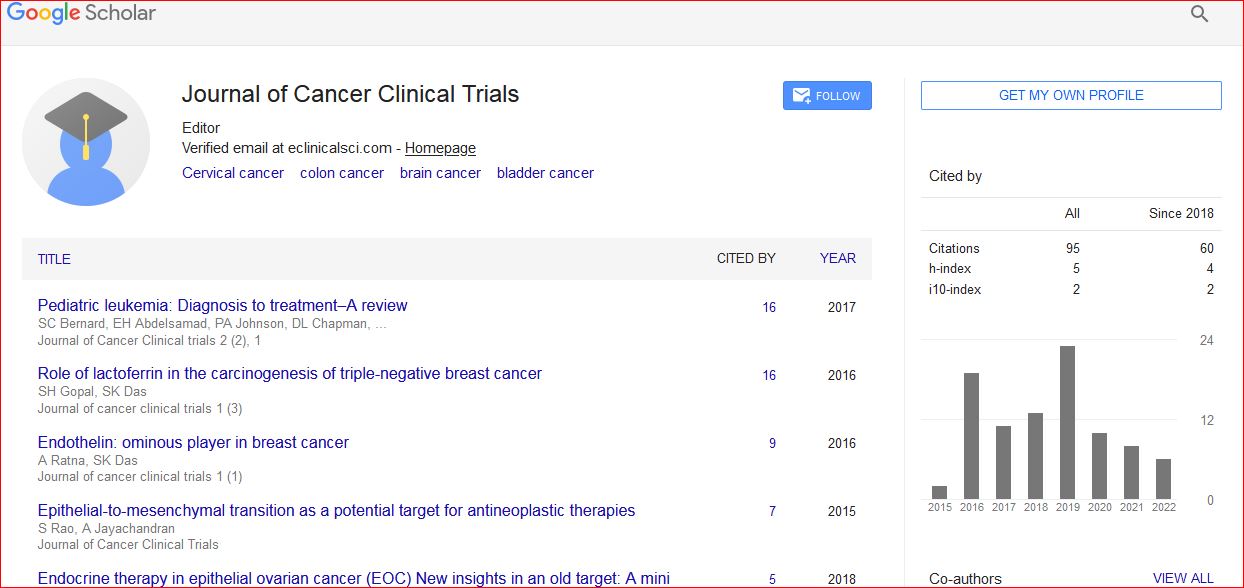
Journal of Cancer Clinical Trials received 95 citations as per Google Scholar report