Richard Lawson
University of Oxford, United Kingdom
Posters & Accepted Abstracts: J Coron Heart Dis
Atrial fibrillation (AF) is a major global cause of stroke, requiring effective anticoagulation strategies tailored to individual risk profiles. This session examines advances in personalized antithrombotic therapy, focusing on risk stratification models, pharmacogenomics, and patient-centered treatment approaches. The talk reviews current guidelines for NOACs, comparing their efficacy, safety, and dosing considerations. Novel data on biomarkers and genetic markers influencing drug metabolism will be highlighted, particularly in populations with renal impairment, elderly patients, and those with multiple comorbidities. Case-based analyses will illustrate how personalized therapy improves outcomes by minimizing bleeding events while ensuring strong stroke protection. Additionally, the presentation explores the growing role of digital adherence tools and remote monitoring technologies that support long-term anticoagulation management. Future perspectives include integrating AI prediction models, wearable devices for arrhythmia tracking, and tailored dosing algorithms aimed at achieving precision anticoagulation.
Richard Lawson is a Professor of Cardiovascular Medicine at the University of Oxford and an internationally recognized expert in atrial fibrillation and stroke prevention. His research focuses on individualized anticoagulation strategies and pharmacogenomic-based therapy optimization. He has authored more than 180 scientific papers and contributes to major international guideline committees. Prof. Lawson lectures widely on global cardiovascular risk reduction and digital cardiac therapeutics.
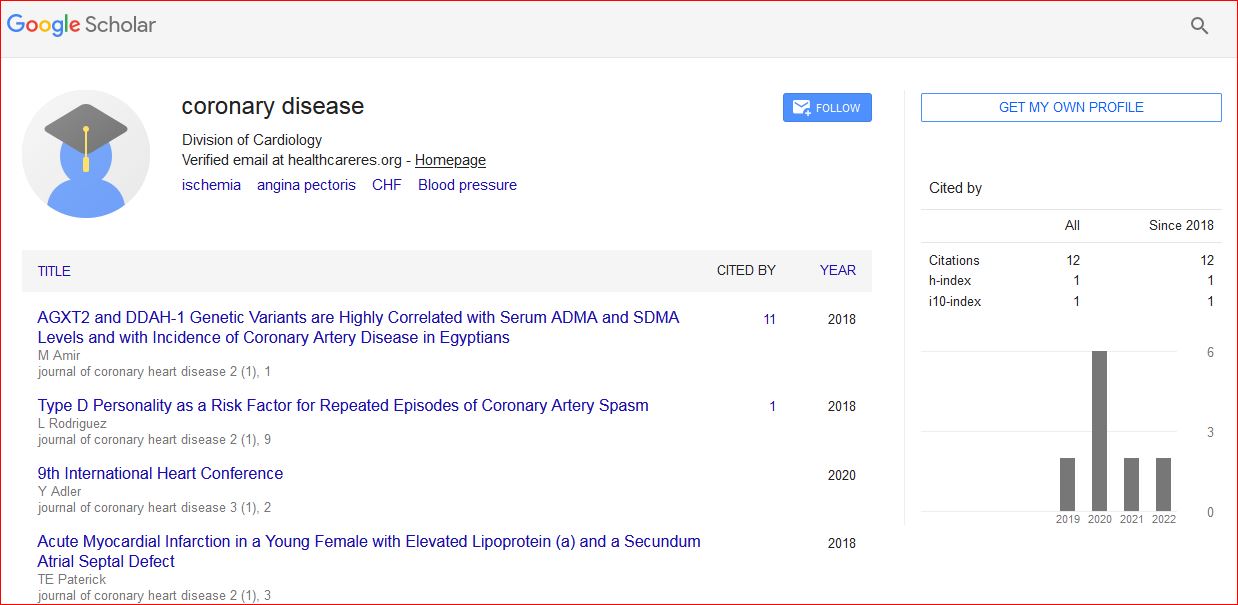
Journal of Coronary Heart Diseases received 15 citations as per Google Scholar report
 Spanish
  Chinese
  Russian
  German
  French
  Japanese
  Portuguese
  Hindi
Hindi 