Mariana B Pereira
Faculty of Health Sciences, University of Beira Interior, Covilhã, Portugal
Scientific Tracks Abstracts: J Nurs Care
Background: Palliative sedation is an essential clinical intervention for relieving refractory symptoms in terminally ill patients. It is defined as the controlled use of medications to reduce or suspend consciousness to relieve intractable suffering in an ethically appropriate manner. Nevertheless, its application is marked by a complex network of challenges, from precisely defining truly refractory symptoms to clarify differences between palliative sedation and practices such as euthanasia. Aim: To explore the barriers and ethical dilemmas inherent in the decision to initiate palliative sedation. Design: The research study was conducted between September and November 2024 using the following databases: PubMed/ MEDLINE, Web of Science, Science Direct and Scielo. The PRISMA diagram guided the selection of studies. The target population was defined as adult patients in end-of-life, family members/caregivers and health professionals involved in the care process. Results: The research identified 23 eligible studies for this review. The analysis of the results led to the identification of 17 main themes, which reflect the influence of various factors on the decision to initiate palliative sedation, ranging from clinical and institutional considerations to cultural and ethical issues. The most mentioned being communication and respect for patient autonomy. Conclusion: Respect patient autonomy and promote clear communication are fundamental pillars for avoiding conflict and distress. Healthcare professionals face ethical dilemmas, such as balancing the relief of suffering while with the risk of the anticipation of death, highlighting the importance of the intention and proportionality behind sedation. The subjectivity of suffering and the difficulty in admitting a symptom as refractory are important barriers. Investing in the professional training and promoting timely discussion of patient preferences with multidisciplinary dialogue are fundamental steps toward more informed and humane decision-making. Keywords: palliative sedation, end-of-life, medical decision making, palliative care, ethics.
Mariana Barbosa Pereira is a 6th year medical student at the Faculty of Health Sciences of the University of Beira Interior, in Covilhã, Portugal. She is currently finalizing her medical training and this work represents her first scientific dissemination project at a congress. Mariana has a special interest in areas such as palliative medicine and intends to deepen her knowledge and skills in this area, which is essential for the humanized and comprehensive care of patients.
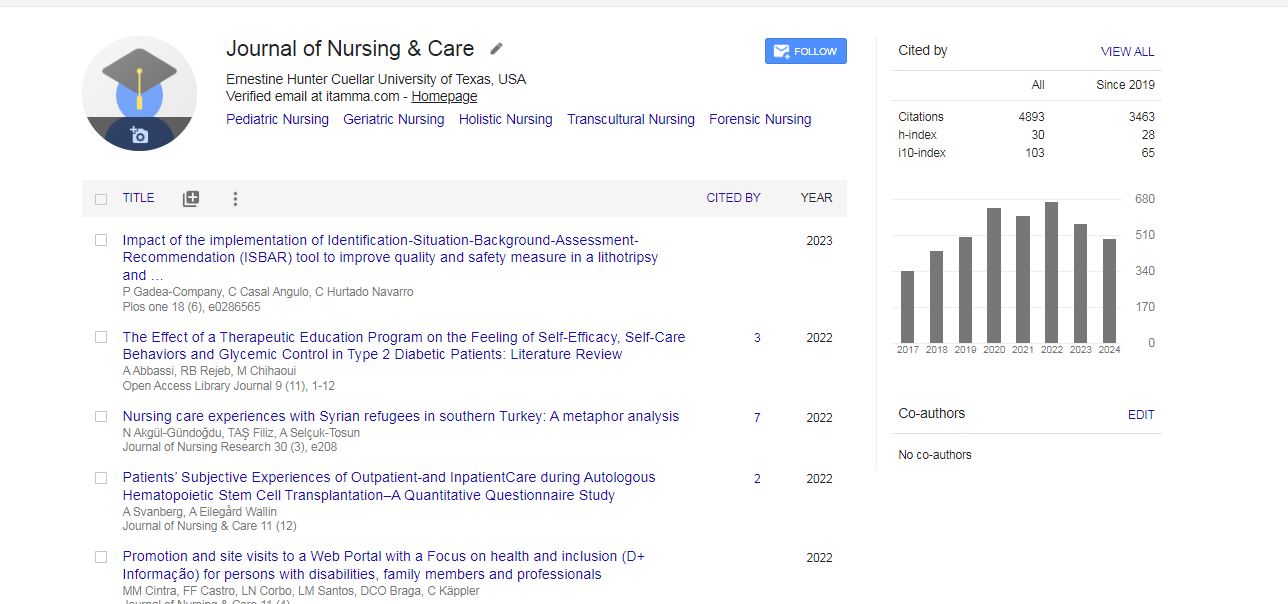
Journal of Nursing & Care received 4230 citations as per Google Scholar report
 Spanish
  Chinese
  Russian
  German
  French
  Japanese
  Portuguese
  Hindi
Hindi 