Short Communication - (2025) Volume 9, Issue 6
Received: 02-Nov-2025, Manuscript No. hps-26-184496;
Editor assigned: 04-Nov-2025, Pre QC No. P-184496;
Reviewed: 18-Nov-2025, QC No. Q-184496;
Revised: 24-Nov-2025, Manuscript No. R-184496;
Published:
29-Nov-2025
, DOI: 10.37421/2573-4563.2025.9.380
Citation: Almeida, Teresa F.. ”Understanding Drug-Induced Liver and Pancreatic Toxicity.” J Hepatol Pancreat Sci 09 (2025):380.
Copyright: © 2025 Almeida F. Teresa This is an open-access article distributed under the terms of the Creative Commons Attribution License, which permits unrestricted use, distribution and reproduction in any medium, provided the original author and source are credited.
Drug-induced liver injury (DILI) and pancreatic toxicity represent significant and complex clinical challenges arising from adverse reactions to a wide range of medications. Understanding the intricate underlying mechanisms is paramount for effective risk assessment and patient management. These mechanisms often involve idiosyncratic responses, where individual susceptibility plays a critical role, alongside metabolic activation pathways that can generate toxic intermediates. Mitochondrial dysfunction is increasingly recognized as a common pathway contributing to cellular damage in both the liver and pancreas when exposed to certain drugs. Furthermore, immune-mediated pathways are crucial in the pathogenesis of DILI, where the drug or its metabolites can trigger an adaptive immune response leading to tissue injury. Genetic predisposition, encompassing variations in drug-metabolizing enzymes and immune response genes, significantly influences an individual's susceptibility to these toxicities. Patient-specific factors, such as age, sex, and existing medical conditions, further modulate the risk profile. Drug-specific properties, including dosage, duration of therapy, and the inherent chemical structure of the compound, are also key determinants of toxicity. Proactive identification of at-risk individuals through pharmacogenomic profiling and careful drug selection based on a comprehensive risk-benefit analysis are essential strategies for mitigating these potentially severe adverse events. Therefore, a multidisciplinary approach integrating clinical, genetic, and pharmacological insights is crucial for addressing the burden of DILI and drug-induced pancreatitis. The accurate diagnosis and management of drug-induced pancreatic conditions also require careful consideration of diverse mechanisms, including direct cellular toxicity and hypersensitivity reactions. Ultimately, advancing our understanding of these complex interactions will pave the way for more personalized and safer therapeutic strategies. [1] Idiosyncratic drug-induced liver injury (iDILI) presents a considerable diagnostic challenge due to its variable clinical and biochemical manifestations. Genetic factors, particularly variations in drug-metabolizing enzymes and immune response genes, are pivotal in determining an individual's susceptibility to iDILI. Recent research has underscored the significant role of immune mechanisms, including the formation of drug-reactive metabolites that can initiate T-cell responses and subsequently lead to hepatocellular damage. Personalized approaches to risk assessment are becoming increasingly important in the clinical setting. [2] Pancreatitis, a serious inflammatory condition of the pancreas, can be precipitated by a broad spectrum of medications. The mechanisms underlying drug-induced pancreatitis (DIP) are diverse and can include direct toxic effects on pancreatic acinar cells, hypersensitivity reactions, obstruction of the pancreatic duct, and alterations in pancreatic blood flow. Differentiating DIP from other causes of pancreatitis is often challenging but is essential for appropriate management and the avoidance of causative drugs. Risk factors for DIP encompass drug dosage, duration of therapy, and individual patient characteristics. [3] Mitochondrial dysfunction is a common pathway implicated in both drug-induced liver and pancreatic toxicity. Numerous drugs have the potential to disrupt the mitochondrial electron transport chain, thereby impairing ATP production and leading to the generation of reactive oxygen species (ROS). This oxidative stress can subsequently trigger apoptosis and necrosis in hepatocytes and pancreatic acinar cells. Strategies focused on protecting mitochondrial function or scavenging ROS hold considerable promise for therapeutic intervention. [4] Immune-mediated mechanisms are increasingly recognized as critical contributors to drug-induced liver injury (DILI). Beyond direct cellular damage, drugs or their metabolites can act as haptens, binding to self-proteins and eliciting an adaptive immune response. This can manifest as drug-specific T-cell activation, ultimately leading to cytotoxic T-lymphocyte-mediated injury. A thorough understanding of these immune pathways is vital for the development of diagnostic biomarkers and targeted therapeutic interventions. [5] Genetic risk factors for drug-induced liver injury (DILI) are progressively being elucidated, offering promising avenues for personalized risk assessment. Polymorphisms in genes encoding cytochrome P450 enzymes, drug transporters, and immune mediators can significantly influence an individual's susceptibility to DILI. For instance, variations in HLA alleles have demonstrated a strong association with DILI from specific drugs such as abacavir and flucloxacillin. Pharmacogenomic approaches are thus essential for predicting and preventing DILI. [6] Risk assessment for drug-induced pancreatic toxicity necessitates a multifaceted approach. Clinicians must meticulously consider the inherent toxicity of the prescribed drug, the patient's medical history including prior pancreatitis episodes or known risk factors such as hypertriglyceridemia or gallstones, concomitant medications, and the duration and dosage of therapy. Early recognition of characteristic symptoms, including abdominal pain, nausea, and vomiting, is critical for prompt diagnosis and effective management to prevent severe complications. [7] Drug metabolism plays a central role in the pathogenesis of drug-induced liver injury (DILI). Reactive metabolites, frequently generated by cytochrome P450 enzymes, can form covalent bonds with cellular macromolecules, leading to cellular dysfunction and subsequent immune responses. A comprehensive understanding of these metabolic pathways, encompassing the roles of phase I and phase II enzymes and drug transporters, is key to predicting which drugs are likely to cause DILI and identifying individuals who may be particularly susceptible. [8] Drug-induced liver injury (DILI) stands as a significant cause of acute liver failure. DILI can present with a wide spectrum of clinical manifestations, ranging from mild, transient elevations in liver enzymes to severe hepatotoxicity that may necessitate liver transplantation. Identified risk factors include genetic susceptibility, advanced age, sex, alcohol consumption, and the concomitant use of other medications. Early recognition and the prompt withdrawal of the offending agent are paramount for successful therapeutic outcomes. [9] The development of reliable biomarkers for drug-induced liver injury (DILI) remains a pressing clinical need. Traditional liver enzyme assays often provide limited specificity and sensitivity in diagnosing DILI. Emerging biomarkers, including microRNAs, extracellular vesicles, and novel protein markers, are currently under investigation for their potential to enhance the early detection and risk stratification of DILI, thereby facilitating more timely and effective interventions. [10]
Drug-induced liver injury (DILI) and pancreatic toxicity represent significant clinical challenges stemming from adverse reactions to various medications. Understanding the underlying mechanisms, which often involve idiosyncratic responses, metabolic activation, mitochondrial dysfunction, and immune-mediated pathways, is crucial for effective risk assessment. Genetic predisposition, patient factors, and drug-specific properties all contribute to the variability in susceptibility. Proactive identification of at-risk individuals and careful drug selection are key to mitigating these toxicities. [1] Idiosyncratic drug-induced liver injury (iDILI) remains a diagnostic puzzle, often presenting with varied clinical and biochemical profiles. Genetic factors, particularly variations in drug-metabolizing enzymes and immune response genes, play a pivotal role in determining individual susceptibility. Recent advances highlight the importance of immune mechanisms, including the formation of drug-reactive metabolites that can trigger T-cell responses, leading to hepatocellular damage. Personalized approaches to risk assessment are gaining traction. [2] Pancreatitis, a serious inflammation of the pancreas, can be triggered by a wide array of medications. The mechanisms of drug-induced pancreatitis (DIP) are diverse, encompassing direct toxic effects on acinar cells, hypersensitivity reactions, obstruction of the pancreatic duct, and alterations in pancreatic blood flow. Differentiating DIP from other causes of pancreatitis is challenging but essential for proper management and avoidance of culprit drugs. Risk factors include drug dosage, duration of therapy, and individual patient characteristics. [3] Mitochondrial dysfunction is a common pathway implicated in both drug-induced liver and pancreatic toxicity. Many drugs can disrupt the electron transport chain, impair ATP production, and lead to the generation of reactive oxygen species (ROS). This oxidative stress can trigger apoptosis and necrosis in hepatocytes and pancreatic acinar cells. Strategies aimed at protecting mitochondrial function or scavenging ROS hold promise for therapeutic intervention. [4] Immune-mediated mechanisms are increasingly recognized as critical contributors to drug-induced liver injury (DILI). Beyond direct cellular damage, drugs or their metabolites can act as haptens, binding to self-proteins and eliciting an adaptive immune response. This can manifest as drug-specific T-cell activation, leading to cytotoxic T-lymphocyte-mediated injury. Understanding these immune pathways is vital for developing diagnostic biomarkers and targeted therapies. [5] Genetic risk factors for drug-induced liver injury (DILI) are being elucidated, offering pathways for personalized risk assessment. Polymorphisms in genes encoding cytochrome P450 enzymes, drug transporters, and immune mediators can significantly influence an individual's susceptibility to DILI. For instance, variations in HLA alleles have been strongly associated with DILI from specific drugs like abacavir and flucloxacillin. Pharmacogenomic approaches are essential for predicting and preventing DILI. [6] Risk assessment for drug-induced pancreatic toxicity requires a multifaceted approach. Clinicians must consider the inherent toxicity of the prescribed drug, the patient's medical history (including prior pancreatitis episodes or known risk factors like hypertriglyceridemia or gallstones), concomitant medications, and the duration and dosage of therapy. Early recognition of symptoms, such as abdominal pain, nausea, and vomiting, is critical for prompt diagnosis and management to prevent severe complications. [7] Drug metabolism plays a central role in the pathogenesis of drug-induced liver injury (DILI). Reactive metabolites, often generated by cytochrome P450 enzymes, can covalently bind to cellular macromolecules, leading to cellular dysfunction and immune responses. Understanding these metabolic pathways, including the role of phase I and phase II enzymes and drug transporters, is key to predicting which drugs are likely to cause DILI and identifying susceptible individuals. [8] Drug-induced liver injury (DILI) is a significant cause of acute liver failure. DILI can manifest with a broad spectrum of clinical presentations, from mild, transient elevations in liver enzymes to severe hepatotoxicity requiring liver transplantation. Risk factors include genetic susceptibility, age, sex, alcohol consumption, and concomitant use of other medications. Early recognition and withdrawal of the offending agent are paramount for successful management. [9] The development of reliable biomarkers for drug-induced liver injury (DILI) is a pressing need. Traditional liver enzymes provide limited specificity and sensitivity. Emerging biomarkers, including microRNAs, extracellular vesicles, and novel protein markers, are being investigated for their potential to improve early detection and risk stratification of DILI, thereby enabling more timely and effective interventions. [10]
Drug-induced liver injury (DILI) and pancreatic toxicity are serious adverse drug reactions with complex underlying mechanisms. Idiosyncratic responses, metabolic activation, mitochondrial dysfunction, and immune-mediated pathways contribute to their pathogenesis. Genetic predisposition, patient-specific factors, and drug characteristics influence individual susceptibility. Early identification of at-risk individuals and judicious drug selection are crucial for preventing and managing these toxicities. Understanding drug metabolism and genetic variations is key to predicting risk. While traditional biomarkers have limitations, emerging markers show promise for improved early detection and stratification. Management hinges on prompt recognition and withdrawal of the offending agent.
None
None
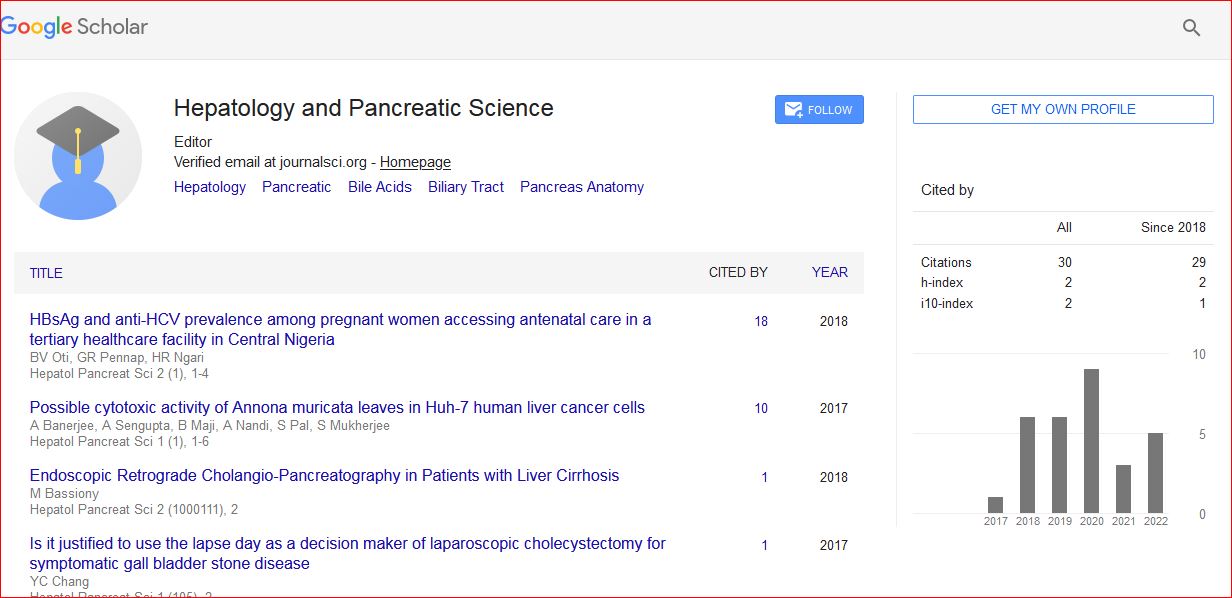
Hepatology and Pancreatic Science received 34 citations as per Google Scholar report