Commentary - (2025) Volume 14, Issue 6
Received: 31-Oct-2025, Manuscript No. jio-26-184841;
Editor assigned: 03-Nov-2025, Pre QC No. P-184841;
Reviewed: 17-Nov-2025, QC No. Q-184841;
Revised: 21-Nov-2025, Manuscript No. R-184841;
Published:
28-Nov-2025
, DOI: 10.37421/2329-6771.2025.14.590
Citation: Farouk, Omar. ”Holistic Childhood Cancer Care: Integrating Therapies for Well-being.” J Integr Onco 14 (2025):590.
Copyright: © 2025 Farouk O. This is an open-access article distributed under the terms of the Creative Commons Attribution License, which permits unrestricted use, distribution and reproduction in any medium, provided the original author and source are credited.
Integrative approaches in pediatric oncology represent a paradigm shift, focusing on a holistic strategy that merges conventional medical treatments with complementary therapies. This multifaceted approach aims to significantly enhance the overall well-being of children diagnosed with cancer. By integrating various modalities, the goal is to not only combat the disease but also to effectively manage the often-debilitating side effects associated with aggressive treatments, thereby improving the quality of life for these young patients and their families. [1] Central to this integrative framework are mind-body therapies, which have shown considerable promise in alleviating psychological distress. Modalities such as mindfulness and meditation are being employed to mitigate symptoms of anxiety, depression, and pain, empowering young patients with essential coping mechanisms. This focus on emotional resilience is critical during the arduous journey of cancer treatment, contributing to a more positive psychological state and enhancing their ability to navigate challenges. [2] Nutritional support stands as a fundamental pillar within integrative pediatric oncology. The primary objective is to ensure adequate energy and nutrient intake, which is crucial for combating treatment-related malnutrition and facilitating the body's recovery processes. Personalized dietary plans are essential, taking into account the unique needs of each child and potential interactions with various therapeutic regimens, ultimately optimizing growth and development. [3] Physical rehabilitation and tailored exercise interventions are vital components for pediatric cancer survivors. These programs are designed to improve functional capacity, reduce the pervasive symptom of fatigue, and enhance overall physical well-being. Regaining strength, improving cardiovascular health, and facilitating a return to normal activities are key outcomes, directly impacting the long-term quality of life for these resilient individuals. [4] Music therapy has emerged as a valuable complementary modality within pediatric oncology settings. Its application has proven effective in reducing anxiety, modulating pain perception, and alleviating procedural distress experienced by children undergoing cancer treatment. Music therapy provides a powerful avenue for emotional expression and serves as a comforting distraction, contributing to a more positive and manageable patient experience. [5] The integration of art therapy offers a unique non-verbal outlet for children facing cancer. This creative modality allows them to express complex emotions, process their challenging experiences, and cope with the profound psychological impact of the disease. Art therapy can foster a crucial sense of control and promote emotional healing throughout the entirety of their treatment journey. [6] Family-centered care is an indispensable aspect of integrative pediatric oncology, acknowledging the profound influence of the family unit on a child's healing process. This approach emphasizes supporting caregivers, fostering open and honest communication, and actively involving families in treatment decisions. Such engagement is instrumental in achieving improved patient outcomes and reducing the overall burden on the family system. [7] Acupuncture and acupressure, techniques rooted in traditional Chinese medicine, are being investigated for their potential in managing treatment-related symptoms. Specifically, their efficacy in alleviating nausea, vomiting, and pain in pediatric cancer patients is under scrutiny. These complementary interventions may offer adjunctive relief, thereby improving the tolerability of conventional cancer therapies. [8] The significance of social support and comprehensive psychosocial interventions cannot be overstated in the context of pediatric oncology. These interventions are designed to address the multifaceted emotional and social challenges encountered by both the child and their family. Robust support systems are crucial for fostering resilience, mitigating feelings of isolation, and enhancing coping strategies throughout the demanding cancer journey. [9] Ultimately, integrative oncology in pediatric settings champions a patient-centered philosophy. This ensures that complementary therapies are administered safely and effectively in conjunction with standard medical treatments. This holistic model is dedicated to optimizing the overall health and well-being of young patients engaged in the challenging fight against cancer. [10]
Integrative approaches in pediatric oncology provide a comprehensive strategy by blending standard medical treatments with complementary therapies to significantly improve patient well-being and effectively manage treatment-related side effects. These methods are designed to enhance the quality of life, reduce symptom burden, and provide essential support for the physical and emotional health of children with cancer and their families, aiming for optimized care through a multidisciplinary perspective that embraces the entire patient experience. [1] Mind-body therapies, including mindfulness and meditation, have demonstrated considerable potential in reducing distress, anxiety, and pain among pediatric cancer patients. These interventions equip young patients with effective coping mechanisms, fostering greater emotional resilience during demanding treatment periods and contributing to an improved overall psychological state, thus enhancing their capacity to manage the emotional toll of their illness. [2] Nutritional support plays a critical role in integrative pediatric oncology, focusing on maintaining adequate energy and nutrient intake to combat treatment-induced malnutrition and support the body's recovery. The development of personalized dietary plans, which consider individual patient needs and potential interactions with ongoing therapies, is paramount for optimizing growth and ensuring healthy development in these young patients. [3] Physical rehabilitation and targeted exercise interventions are vital for pediatric cancer survivors, aiming to improve functional capacity, alleviate fatigue, and enhance overall physical well-being. Customized exercise programs are designed to help patients regain strength, improve cardiovascular health, and facilitate a smoother transition back to normal daily activities, thereby exerting a positive influence on their long-term quality of life. [4] Music therapy has emerged as a valuable complementary modality in the care of pediatric oncology patients, proving effective in reducing anxiety, pain perception, and procedural distress for children undergoing cancer treatment. Its application supports children in expressing their emotions and provides a comforting distraction, contributing significantly to a more positive and less traumatic patient experience. [5] The incorporation of art therapy within pediatric oncology offers a crucial non-verbal avenue for children to express their feelings, process their experiences, and cope with the psychological ramifications of cancer. This creative approach can foster a much-needed sense of empowerment and promote emotional healing throughout the demanding course of their treatment. [6] Family-centered care constitutes a foundational element of integrative pediatric oncology, recognizing the indispensable role of the family unit in a child's healing journey. Providing support to caregivers, promoting transparent communication, and actively involving families in treatment decisions are essential steps that lead to improved outcomes and a reduced burden on the family as a whole. [7] Acupuncture and acupressure are being explored as potential interventions for managing treatment-related symptoms such as nausea, vomiting, and pain in pediatric cancer patients. These techniques derived from traditional Chinese medicine may offer valuable adjunctive relief, potentially improving the tolerability of conventional cancer therapies and enhancing patient comfort. [8] The crucial role of social support and comprehensive psychosocial interventions is recognized in pediatric oncology for addressing the emotional and social challenges faced by children and their families. Well-established support systems are vital for fostering resilience, reducing feelings of isolation, and enhancing coping strategies, thereby improving the overall well-being throughout the cancer journey. [9] Integrative oncology in pediatric settings emphasizes a deeply patient-centered approach, ensuring that complementary therapies are applied safely and effectively alongside conventional medical treatments. This holistic model is dedicated to maximizing the overall health and well-being of young patients who are courageously battling cancer. [10]
Integrative pediatric oncology adopts a holistic approach, combining conventional treatments with complementary therapies to enhance patient well-being and manage side effects. Key components include mind-body therapies like mindfulness and meditation for distress reduction, nutritional support for combating malnutrition, and physical rehabilitation to improve function and reduce fatigue. Complementary modalities such as music therapy and art therapy offer emotional expression and coping mechanisms, while acupuncture and acupressure may help with symptom management. Family-centered care and robust psychosocial support are essential for addressing the emotional and social challenges faced by children and their families. This integrated model prioritizes a patient-centered approach to optimize the overall health and well-being of young cancer patients.
None
None
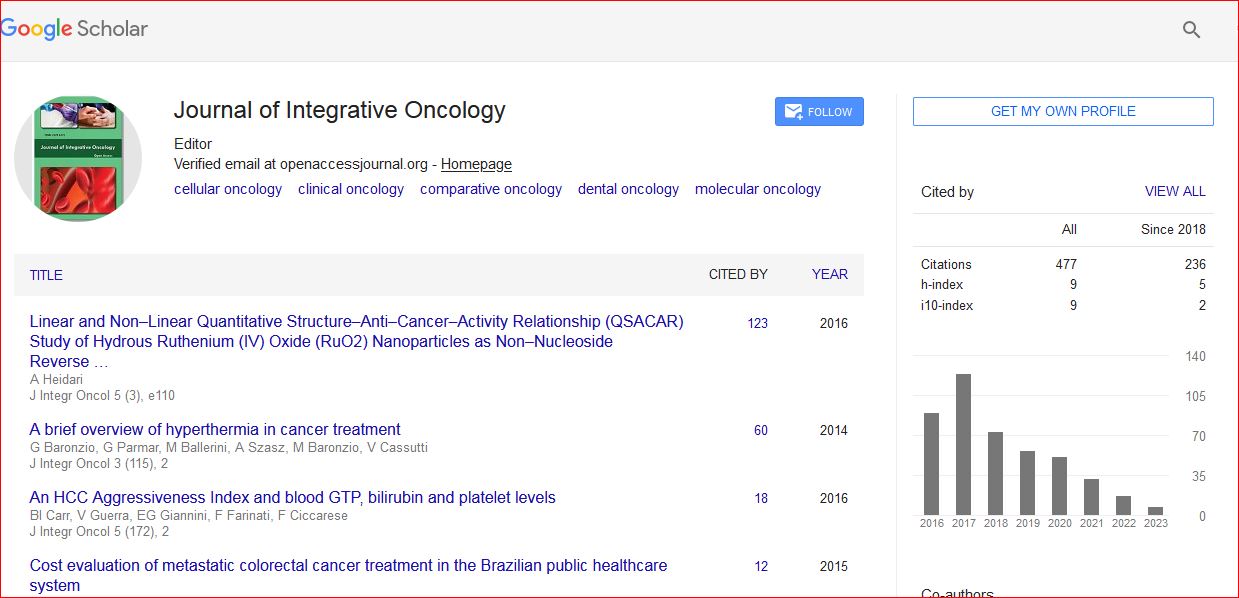
Journal of Integrative Oncology received 495 citations as per Google Scholar report