Brief Report - (2025) Volume 10, Issue 5
Received: 01-Oct-2025, Manuscript No. jomp-26-185122;
Editor assigned: 03-Oct-2025, Pre QC No. P-185122;
Reviewed: 17-Oct-2025, QC No. Q-185122;
Revised: 22-Oct-2025, Manuscript No. R-185122;
Published:
29-Oct-2025
, DOI: 10.37421/2576-3857.2025.10.324
Citation: Nowak, Magdalena. ”Targeted Neoantigen Vaccines For Non-Small Cell Lung Cancer.” J Oncol Med and Pract 10 (2025):324.
Copyright: © 2025 Nowak M. This is an open-access article distributed under the terms of the Creative Commons Attribution License, which permits unrestricted use, distribution and reproduction in any medium, provided the original author and source are credited.
Personalized neoantigen vaccines are emerging as a groundbreaking strategy for the treatment of non-small cell lung cancer (NSCLC), a disease with significant unmet clinical needs. This innovative approach leverages the unique mutational landscape of an individual's tumor to design vaccines that can precisely target and eliminate cancer cells. By identifying patient-specific tumor neoantigens, these vaccines aim to stimulate a robust and tailored immune response, offering a promising avenue for overcoming the complex immune evasion mechanisms inherent in NSCLC. The potential to enhance treatment efficacy, especially when integrated with existing immunotherapeutic modalities, underscores the significance of this therapeutic frontier [1].
The fundamental principle underlying the development of neoantigen vaccines in NSCLC lies in exploiting the immunogenicity of tumor-specific mutations. These genetic alterations give rise to abnormal proteins, or neoantigens, that are recognized as foreign by the immune system. Neoantigen vaccines are meticulously engineered to educate and prime the patient's immune system, specifically T cells, to identify and eradicate cancer cells that express these distinctive neoantigens. Current research endeavors are intensely focused on optimizing various aspects of vaccine design, including the selection of immunogenic neoantigens, the choice of delivery platforms, and the identification of patient populations most likely to benefit from this therapy, all with the goal of maximizing response rates and clinical outcomes [2].
A comprehensive understanding of the tumor microenvironment (TME) is absolutely critical for the successful implementation of neoantigen vaccines in NSCLC. The TME is a complex ecosystem that often harbors immunosuppressive factors, which can impede the effectiveness of vaccine-induced T-cell responses. These immunosuppressive elements can create a hostile environment for anti-tumor immunity, diminishing the therapeutic impact of the vaccine. Consequently, researchers are actively exploring strategies to modulate the TME, aiming to create a more permissive environment for immune activation. A key area of investigation involves combining neoantigen vaccines with other immunotherapies, such as immune checkpoint inhibitors, to synergistically enhance anti-tumor immunity and overcome these suppressive barriers [3].
The clinical validation of personalized neoantigen vaccines for NSCLC is an ongoing and essential process. Rigorous clinical trials are indispensable for comprehensively assessing the safety profile and therapeutic efficacy of these novel vaccines. Early-phase clinical investigations have begun to yield encouraging results, suggesting a potential for significant clinical benefit, particularly in patient cohorts characterized by a high tumor mutational burden (TMB). However, further extensive research is imperative to refine patient stratification methodologies and optimize treatment regimens to ensure the widespread and effective application of these vaccines in clinical practice [4].
The intricate process of neoantigen identification and the subsequent manufacturing of personalized vaccines present substantial technical hurdles that must be addressed for widespread clinical adoption. Accurate and efficient prediction of immunogenic neoantigens from complex tumor sequencing data necessitates the deployment of robust and sophisticated bioinformatic pipelines. These computational tools are vital for sifting through vast amounts of genetic information to pinpoint the most likely targets for an immune response. Furthermore, achieving scalability and cost-effectiveness in the production of personalized vaccines remains a paramount consideration, as these factors will directly influence the accessibility and feasibility of this therapy for a broader patient population [5].
Predicting which specific neoantigens possess the greatest potential to elicit a potent and clinically meaningful immune response is a central and challenging area of ongoing research. The immunogenicity of a neoantigen is influenced by a confluence of factors, including its intrinsic binding affinity to major histocompatibility complex (MHC) molecules, its relative expression levels within the tumor, and the characteristics of the surrounding amino acid sequences. To enhance the precision of neoantigen selection, advanced computational tools and algorithms are continuously being developed and refined to improve the prioritization of neoantigens with the highest likelihood of triggering a robust anti-tumor immune response [6].
The utilization of messenger RNA (mRNA) technology for the development of neoantigen vaccines offers distinct advantages, particularly in terms of rapid manufacturing capabilities and the potential for inducing potent immunogenicity. mRNA vaccines function by instructing the patient's own cells to transiently produce specific neoantigen proteins. This process effectively transforms the patient's cells into factories for tumor antigens, thereby stimulating a vigorous T-cell-mediated immune response directed against the cancer. This innovative mRNA platform has demonstrated considerable promise in early-stage clinical trials for NSCLC, highlighting its potential as a versatile and effective delivery system [7].
Combination therapeutic strategies are increasingly recognized as crucial for effectively overcoming the sophisticated resistance mechanisms employed by NSCLC tumors. The synergy between neoantigen vaccines and immune checkpoint inhibitors (ICIs) is a particularly promising area of investigation. By combining these approaches, researchers aim to broaden the scope and intensity of the anti-tumor immune response, thereby enhancing the ability to combat the disease and overcome the immunosuppressive milieu of the tumor microenvironment. This dual attack strategy seeks to unlock new therapeutic potential [8].
The durability of the immune responses generated by neoantigen vaccines is a pivotal determinant of long-term clinical benefit for patients with NSCLC. Factors that significantly influence the persistence of these anti-tumor immune responses include the qualitative and quantitative characteristics of the neoantigen-specific T cells that are generated following vaccination, as well as the sustained presence and presentation of tumor antigens within the patient's body. Understanding and optimizing these factors are key to achieving durable disease control [9].
Patient-reported outcomes (PROs) are gaining increasing recognition as a vital component in the comprehensive evaluation of cancer therapies, including novel treatments like personalized neoantigen vaccines for NSCLC. The systematic assessment of PROs provides invaluable insights into a patient's quality of life, their overall experience with treatment, and the subjective impact of the therapy. Integrating PRO data with objective clinical efficacy measures offers a more holistic and patient-centered understanding of treatment success [10].
Personalized neoantigen vaccines represent a significant advancement in the therapeutic landscape of non-small cell lung cancer (NSCLC). This innovative approach is predicated on identifying unique neoantigens specific to each patient's tumor. By precisely targeting these patient-specific tumor neoantigens, the vaccines are designed to elicit a highly targeted and potent immune response against cancer cells. This strategy holds considerable promise for overcoming the immune evasion tactics commonly employed by NSCLC and substantially improving treatment efficacy, particularly when administered in conjunction with established immunotherapies [1].
The underlying rationale for employing neoantigen vaccines in the context of NSCLC is deeply rooted in the immunogenic nature of tumor-specific mutations. These genetic alterations lead to the expression of novel proteins, neoantigens, that are recognized as foreign by the patient's immune system. Consequently, these vaccines are intentionally designed to educate and activate the patient's immune system, enabling it to recognize and mount an attack against cancer cells that harbor these unique mutational signatures. Current research is actively dedicated to exploring and refining optimal vaccine design parameters, including the selection of highly immunogenic neoantigens, the most effective methods for vaccine delivery, and the precise criteria for selecting patients who are most likely to achieve a favorable response, all with the overarching goal of maximizing therapeutic success [2].
A profound understanding of the tumor microenvironment (TME) is absolutely essential for the successful application and efficacy of neoantigen vaccines in NSCLC. The TME is characterized by a complex milieu of cellular and molecular components that can significantly influence the immune response. Within this environment, various immunosuppressive factors can actively hinder or dampen the effectiveness of the T-cell responses that are intended to be generated by the vaccine. Therefore, strategies focused on modulating the TME, such as the concurrent administration of neoantigen vaccines with immune checkpoint inhibitors, are currently under intensive investigation to create a more favorable immunological landscape for therapeutic intervention [3].
The ongoing clinical development of personalized neoantigen vaccines for NSCLC is a critical step in their journey towards broader clinical application. Robust clinical trials are indispensable for rigorously evaluating both the safety and the therapeutic efficacy of these advanced vaccines. Preliminary findings from these trials have begun to indicate a potential for significant clinical benefit, particularly observed in patients who exhibit a high tumor mutational burden (TMB). Nevertheless, further comprehensive research is essential to optimize the methods for patient stratification and to fine-tune the treatment regimens, thereby ensuring the effective and widespread use of these vaccines in clinical practice [4].
The complex process involved in identifying patient-specific neoantigens and subsequently manufacturing personalized vaccines poses considerable technical challenges that must be effectively addressed to facilitate widespread clinical adoption. The accurate prediction of immunogenic neoantigens from extensive tumor sequencing data requires the implementation of highly robust and sophisticated bioinformatic pipelines. Furthermore, ensuring the scalability and cost-effectiveness of the manufacturing process for these highly personalized vaccines are critical considerations that will directly impact their accessibility and feasibility for a larger patient population [5].
A crucial area of ongoing research revolves around the ability to accurately predict which neoantigens are most likely to elicit a potent and clinically relevant immune response. The immunogenicity of a neoantigen is influenced by a multifaceted interplay of factors, including its inherent binding affinity to major histocompatibility complex (MHC) molecules, its level of expression within the tumor, and the surrounding amino acid sequences. To improve the precision of neoantigen selection, advanced computational tools and predictive algorithms are continuously being developed and refined to enhance the prioritization of neoantigens that have the greatest potential to stimulate a robust anti-tumor immune response [6].
The adoption of messenger RNA (mRNA) technology in the development of neoantigen vaccines presents several compelling advantages, most notably in terms of accelerated production timelines and the capacity to induce strong immunogenicity. mRNA vaccines function by providing cells with the genetic instructions to transiently produce specific neoantigen proteins. This mechanism effectively turns the patient's own cells into factories for these tumor antigens, thereby stimulating a vigorous T-cell-mediated immune response directed against the malignant cells. This cutting-edge mRNA platform has shown considerable promise in early-phase clinical trials investigating its application in NSCLC, highlighting its potential as a versatile and effective therapeutic modality [7].
Combination therapeutic strategies are increasingly recognized as vital for effectively overcoming the multifaceted resistance mechanisms that are characteristic of NSCLC. The synergistic combination of neoantigen vaccines with immune checkpoint inhibitors (ICIs) is a particularly promising avenue of research. The fundamental aim of this combined approach is to amplify the overall anti-tumor immune response and to surmount the immunosuppressive tumor microenvironment, thereby enhancing the potential for therapeutic success [8].
The duration and persistence of the immune responses elicited by neoantigen vaccines are critical determinants of long-term clinical benefit for patients suffering from NSCLC. Several factors contribute to the longevity of these anti-tumor immune responses, including the quality and quantity of neoantigen-specific T cells generated post-vaccination, as well as the sustained expression and presentation of tumor antigens within the patient. Optimizing these elements is essential for achieving durable disease control [9].
Patient-reported outcomes (PROs) are assuming an increasingly important role in the comprehensive evaluation of cancer therapies, including novel treatments such as personalized neoantigen vaccines for NSCLC. The systematic assessment of PROs offers invaluable insights into the patient's quality of life, their overall experience during treatment, and the perceived impact of the therapy. By complementing objective clinical efficacy data, PROs provide a more complete and patient-centered perspective on treatment outcomes [10].
Personalized neoantigen vaccines are a promising new frontier in treating non-small cell lung cancer (NSCLC). These vaccines identify patient-specific tumor neoantigens to stimulate a targeted immune response. Research is focused on optimizing vaccine design, delivery, and patient selection. Understanding and modulating the tumor microenvironment, often by combining vaccines with other immunotherapies like checkpoint inhibitors, is crucial for success. Clinical trials are vital for assessing safety and efficacy, with early results showing potential, especially in patients with high tumor mutational burden. Technical challenges in neoantigen identification and manufacturing, as well as predicting immunogenic neoantigens, are being addressed. mRNA technology offers advantages in rapid production and immunogenicity. The durability of immune responses and patient-reported outcomes are key factors in evaluating long-term benefit.
None
None
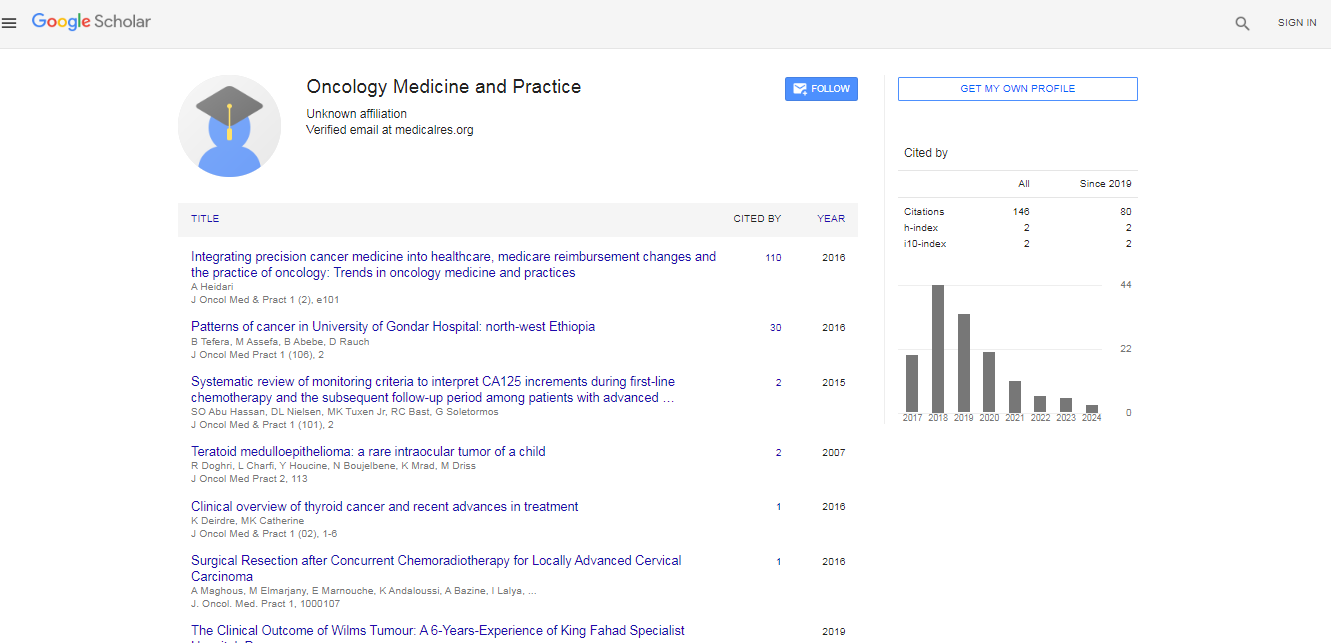
Journal of Oncology Medicine & Practice received 142 citations as per Google Scholar report