Perspective - (2025) Volume 14, Issue 4
Received: 01-Jul-2025, Manuscript No. jio-26-184820;
Editor assigned: 03-Jul-2025, Pre QC No. P-184820;
Reviewed: 17-Jul-2025, QC No. Q-184820;
Revised: 22-Jul-2025, Manuscript No. jio-26-184820;
Published:
29-Jul-2025
, DOI: 10.37421/2329-6771.2025.14.569
Citation: Harper, Daniel. ”Personalized Nutrition in Oncology: Tailored for Better Outcomes.” J Integr Onco 14 (2025):569.
Copyright: © 2025 Harper D. This is an open-access article distributed under the terms of the Creative Commons Attribution License, which permits unrestricted use, distribution and reproduction in any medium, provided the original author and source are credited.
Personalized nutrition in integrative oncology represents a significant advancement in cancer care, focusing on tailoring dietary interventions to the unique biological and health profiles of individual patients. This approach considers factors such as genetic makeup, tumor characteristics, ongoing treatment regimens, and the patient's overall health status to optimize nutritional support and improve outcomes. The primary aim is to enhance nutritional status, mitigate the adverse effects of cancer therapies, boost treatment efficacy, and ultimately improve the quality of life for individuals battling cancer. Key insights underscore the critical importance of understanding specific macronutrient and micronutrient requirements in relation to different cancer types and therapeutic modalities, highlighting the growing recognition of the gut microbiome's influence and the potential of targeted supplements and dietary patterns to play a vital role in this individualized approach. [1] The intricate relationship between diet, the gut microbiota, and the effectiveness of cancer treatments is a central theme in personalized nutrition strategies. Research is increasingly exploring how particular dietary components can actively modulate the composition and function of the gut microbiome. This modulation can, in turn, influence inflammatory responses within the body and affect the metabolism of chemotherapeutic agents, thereby having a direct impact on treatment efficacy and the degree of toxicity experienced by patients. A deeper comprehension of these complex interactions is essential for the development of nutritional strategies that specifically target and leverage the microbiome for improved oncological outcomes. [2] Personalized dietary interventions, such as plant-based diets, are being investigated for their capacity to enhance the well-being of cancer survivors. Studies are focusing on whether customized advice, which takes into account individual patient preferences and their cultural backgrounds, can lead to greater adherence to dietary recommendations. This enhanced adherence is believed to translate into a more pronounced positive effect on a patient's overall health and comfort, both during and after the completion of cancer treatment, suggesting that individualizing dietary plans is key to maximizing their benefits. [3] Specific micronutrients, including vitamin D and omega-3 fatty acids, are recognized for their potential to modulate the immune system and provide crucial support for patients undergoing cancer therapy. Evidence suggests that personalized supplementation strategies, informed by an individual's blood levels and specific nutritional requirements, are necessary to optimize immune function. Furthermore, these tailored approaches may play a role in reducing treatment-related inflammation, indicating that individualized micronutrient management is a valuable component of supportive cancer care. [4] The emerging field of nutrigenomics, which investigates how dietary components interact with and influence gene expression, is gaining substantial traction in the realm of personalized oncology. This area of research examines how individual genetic variations can affect the way nutrients are metabolized and how patients respond to different dietary interventions. By understanding these genetic predispositions, it is becoming increasingly possible to formulate truly individualized nutritional plans designed to optimize patient outcomes and personalize cancer treatment strategies. [5] The ketogenic diet, characterized by its very low carbohydrate, moderate protein, and high fat composition, is being explored for its potential role as an adjunct therapy in oncology. Current research is synthesizing evidence on its proposed mechanisms of action, reviewing data from clinical trials, and emphasizing the critical importance of personalized application. Due to potential side effects and varying individual patient responses, careful monitoring and tailored approaches are deemed essential for its safe and effective use in cancer patients. [6] The practical implementation of personalized nutrition within clinical oncology settings presents both significant challenges and promising opportunities. Addressing these requires a concerted effort, including the establishment of multidisciplinary teams, robust patient education initiatives, and the seamless integration of comprehensive nutritional assessments into routine cancer care protocols. Effectively delivering individualized dietary support is paramount to realizing the full potential of personalized nutrition in oncology. [7] Dietary patterns play a crucial role in managing treatment-induced side effects, such as nausea and vomiting, which are common among cancer patients. Personalized dietary advice, which includes modifications to food texture, careful meal timing, and strategic food choices, can significantly improve symptom control. This individualized approach not only enhances patient comfort but also contributes to better management of these challenging side effects during cancer treatment. [8] The gut microbiome is emerging as a new frontier in cancer immunotherapy, with prebiotics and probiotics showing potential in modulating its composition to enhance treatment response. Personalized interventions specifically targeting the gut microbiota could act synergistically with immunotherapies, thereby improving their overall efficacy. This represents a key area of development within the broader strategy of personalized oncology. [9] Cancer-related cachexia, a complex metabolic syndrome characterized by involuntary weight loss and muscle wasting, poses a significant challenge in cancer care. Personalized dietary advice and tailored nutritional support are crucial for addressing the intricate metabolic derangements associated with cachexia. The goal of these individualized strategies is to improve muscle mass, enhance functional status, and ultimately improve the prognosis for patients affected by this debilitating condition. [10]
Personalized nutrition in integrative oncology is defined by its focus on tailoring dietary interventions to the unique characteristics of individual cancer patients. This highly individualized approach takes into account a comprehensive array of factors, including the patient's specific genetic makeup, the biological characteristics of their tumor, the particular treatment regimens they are undergoing, and their overall health status. The overarching goals of this approach are multifaceted, aiming to optimize the patient's nutritional status, effectively mitigate the often-debilitating side effects associated with cancer treatments, enhance the efficacy of the therapies themselves, and ultimately improve the overall quality of life experienced by individuals living with cancer. Key insights derived from current research consistently highlight the profound importance of understanding the nuanced macronutrient and micronutrient needs that are intrinsically linked to specific cancer types and the therapies used to treat them. Furthermore, the critical role of the gut microbiome in influencing health and treatment outcomes, along with the potential of targeted nutritional supplements and specific dietary patterns, are increasingly recognized as vital components of this personalized strategy. [1] The complex interplay between an individual's diet, the intricate ecosystem of their gut microbiota, and the ultimate outcomes of cancer treatment is a crucial area of focus within the evolving landscape of personalized nutrition. This particular review delves into how specific dietary components possess the capacity to modulate the gut microbiome in significant ways. Such modulation can directly influence the body's inflammatory responses and impact the metabolic pathways involved in drug metabolism, which in turn can profoundly affect both the efficacy of cancer treatments and the level of toxicity experienced by patients. A comprehensive understanding of these multifaceted and often intricate interactions is therefore considered indispensable for the successful development and implementation of nutritional strategies that are specifically designed to target and leverage the microbiome for improved oncological results. [2] A notable area of investigation within personalized nutrition involves assessing the efficacy of tailored, plant-based dietary interventions specifically designed to improve the quality of life and reduce debilitating fatigue experienced by cancer survivors. This research emphasizes a crucial aspect: the impact of personalized advice that meticulously considers an individual's unique preferences and their cultural backgrounds. It is hypothesized that when dietary recommendations are aligned with these personal factors, patients are more likely to adhere to the prescribed plans. This enhanced adherence, in turn, is expected to lead to a more significant and positive impact on the patient's overall well-being, encompassing both the period during active treatment and the survivorship phase following treatment completion. [3] Within the context of cancer therapy, specific micronutrients, such as vitamin D and omega-3 fatty acids, are recognized for their significant role in modulating the immune response and providing essential support to patients undergoing treatment. The current body of evidence underscores a critical need for the development and application of personalized supplementation strategies. These strategies should be based on objective measures like blood levels and individual requirements, aiming to optimize immune function and effectively reduce treatment-related inflammation. This personalized approach ensures that patients receive the precise micronutrient support they need for optimal outcomes. [4] The expanding field of nutrigenomics, which scientifically explores the intricate relationship between diet and gene expression, is rapidly becoming increasingly relevant and indispensable in the practice of personalized oncology. This particular scientific article meticulously discusses how variations in an individual's genetic makeup can profoundly influence the metabolism of various nutrients and, consequently, affect their response to specific dietary interventions. By unraveling these genetic predispositions, nutrigenomics is paving the way for the creation of truly individualized nutritional plans that are specifically designed to optimize patient outcomes in cancer care. [5] This comprehensive review meticulously synthesizes the most current scientific evidence available regarding the role and potential application of the ketogenic diet as an adjunct therapy in the management of cancer. It critically examines the proposed biological mechanisms underlying its effects, reviews available clinical trial data, and strongly emphasizes the paramount importance of personalized application in its use. The review underscores the necessity for meticulous patient monitoring and the implementation of tailored approaches, primarily due to the potential for side effects and the inherent variability in individual patient responses to such a restrictive diet. [6] The implementation of personalized nutrition within the demanding clinical setting of oncology presents a complex landscape characterized by both significant challenges and considerable opportunities for advancement. This insightful article directly addresses the critical need for collaborative efforts involving multidisciplinary teams, the vital importance of comprehensive patient education, and the seamless integration of thorough nutritional assessments into the fabric of routine cancer care. These essential components are crucial for the effective and successful delivery of individualized dietary support to cancer patients. [7] This particular article places a distinct focus on the pivotal role that well-defined dietary patterns can play in the effective management of treatment-related side effects, specifically nausea and vomiting, which are commonly experienced by cancer patients. It strongly emphasizes the significant benefits that can be achieved through personalized dietary advice. This advice often centers on strategic modifications to food texture, careful attention to meal timing, and the judicious selection of specific food choices, all of which can substantially improve symptom control and enhance overall patient comfort during treatment. [8] This insightful article delves into the promising potential of prebiotics and probiotics in the context of modulating the gut microbiome, with a specific focus on their capacity to enhance the response to immunotherapy in cancer patients. It compellingly highlights how personalized interventions that are specifically designed to target and influence the gut microbiota could potentially act in a synergistic manner to significantly improve the overall efficacy of immunotherapies. This represents a critically important and rapidly evolving area within the broader strategic framework of personalized oncology. [9] This specific study meticulously examines the profound impact that personalized dietary advice can have on the management of cancer-related cachexia, a serious and debilitating condition. It strongly emphasizes the critical need for tailored nutritional support strategies that are specifically designed to address the complex metabolic derangements invariably associated with cachexia. The ultimate aim of these individualized interventions is to effectively improve muscle mass, enhance functional status, and ultimately improve the overall prognosis for patients grappling with this challenging condition. [10]
Personalized nutrition in oncology tailors dietary interventions to individual cancer patients, considering genetics, tumor type, treatment, and health status to optimize nutrition, mitigate side effects, enhance treatment efficacy, and improve quality of life. Key factors include macronutrient/micronutrient needs, gut microbiome influence, and targeted supplements. Diet's interplay with the gut microbiome impacts treatment outcomes by modulating inflammation and drug metabolism, necessitating microbiome-targeted strategies. Personalized, plant-based diets and micronutrient supplementation (e.g., vitamin D, omega-3s) show promise in improving patient well-being and immune function. Nutrigenomics further enables individualized plans by considering genetic variations in nutrient metabolism. The ketogenic diet is explored as an adjunct therapy, requiring careful personalization and monitoring. Implementing personalized nutrition faces challenges but offers opportunities through multidisciplinary teams and patient education. Dietary strategies for managing treatment-related nausea and vomiting, as well as cancer cachexia, are crucial and benefit from personalization. Furthermore, prebiotics and probiotics may enhance immunotherapy response by modulating the gut microbiome, a key area in personalized oncology.
None
None
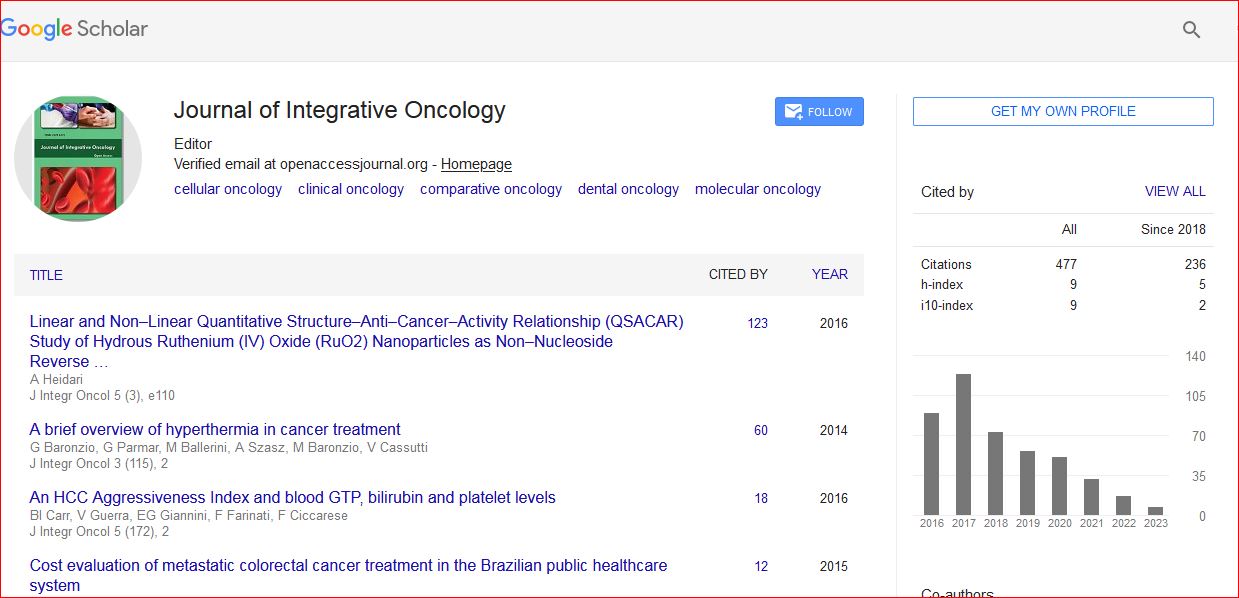
Journal of Integrative Oncology received 495 citations as per Google Scholar report