Short Communication - (2025) Volume 21, Issue 5
Received: 01-Sep-2025, Manuscript No. jos-26-185180;
Editor assigned: 03-Sep-2025, Pre QC No. P-185180;
Reviewed: 17-Sep-2025, QC No. Q-185180;
Revised: 22-Sep-2025, Manuscript No. R-185180;
Published:
29-Sep-2025
, DOI: 10.37421/1584-9341.2024.20.229
Citation: Dlamini, Sibusiso. ”Optimizing Quality of Life After
Hepatic Resection.” J Surg 21 (2025):229.
Copyright: © 2025 Dlamini S. This is an open-access article distributed under the terms of the Creative Commons Attribution License, which permits unrestricted use,
distribution and reproduction in any medium, provided the original author and source are credited.
Assessing patient-reported quality of life (QoL) following major hepatic resection is crucial for understanding the true impact of this surgery. This research highlights that while oncological outcomes are primary, long-term QoL metrics like physical functioning, fatigue, and pain significantly influence patient recovery and overall satisfaction. Multidisciplinary care and targeted rehabilitation are essential for optimizing QoL post-resection [1].
Understanding the specific domains of QoL most affected after major liver surgery, such as gastrointestinal symptoms and body image concerns, provides actionable insights. This study emphasizes the importance of pre-operative patient education and post-operative psychological support to mitigate these challenges and improve the patient experience. Early identification of QoL deficits can guide personalized recovery plans [2].
This research delves into the nuances of QoL recovery trajectories after extensive liver surgery. It reveals that while initial recovery can be challenging, many patients experience significant improvements in QoL over 1-2 years, particularly regarding pain and physical activity. The study underscores the role of surgical approach and patient comorbidities in shaping these long-term outcomes [3].
Factors influencing patient-reported outcomes (PROs) post-hepatectomy are complex, encompassing physical, psychological, and social dimensions. This paper highlights the importance of standardizing PRO assessment tools and integrating them into routine clinical practice to better capture the patient's journey. Identifying predictors of poor QoL can enable early interventions [4].
The surgical approach in major hepatectomy, whether open or minimally invasive, can have differential impacts on QoL. This study suggests that while short-term recovery might be faster with minimally invasive techniques, long-term QoL outcomes may converge, emphasizing the importance of surgeon expertise and patient selection. Comprehensive post-operative care remains paramount [5].
This paper examines the specific challenges related to fatigue and pain management post-hepatectomy, which are critical determinants of QoL. It highlights the need for tailored pain control strategies and a phased return to activity to prevent chronic fatigue and improve functional status. Proactive management can significantly enhance patient recovery [6].
The psychological impact of undergoing major liver surgery, including anxiety and depression, significantly affects QoL. This study emphasizes the utility of psycho-oncological support and mindfulness-based interventions in helping patients cope with the emotional burden of surgery and improve their overall well-being and perceived QoL [7].
Rehabilitation programs tailored to post-hepatectomy patients are vital for restoring physical function and improving QoL. This paper evaluates the effectiveness of structured exercise and nutritional interventions in accelerating recovery, reducing complications, and enhancing the long-term QoL of individuals who have undergone major liver resection [8].
This study investigates the impact of liver regeneration and remaining liver function on long-term QoL following major hepatectomy. It suggests that adequate hepatic reserve is a strong predictor of favorable QoL outcomes, particularly concerning energy levels and daily activities. Monitoring liver function post-operatively is key [9].
Patient preferences and shared decision-making are critical in managing expectations and improving QoL after major hepatic resection. This article emphasizes the importance of open communication regarding potential QoL impacts, recovery timelines, and treatment options, fostering a collaborative approach between surgeons and patients [10].
Assessing patient-reported quality of life (QoL) after major hepatic resection is essential for a comprehensive understanding of surgical outcomes beyond oncological success. Research indicates that physical functioning, fatigue, and pain are key determinants of long-term patient satisfaction and recovery. Effective management strategies involve multidisciplinary care and targeted rehabilitation programs [1].
Identifying the specific QoL domains most affected by major liver surgery, such as gastrointestinal issues and body image, offers crucial insights for improving patient care. Pre-operative patient education and robust post-operative psychological support are vital for addressing these challenges and enhancing the overall patient experience. Early detection of QoL deficits is key to tailoring recovery plans [2].
Investigations into QoL recovery trajectories post-extensive liver surgery reveal that while the initial period may be difficult, many patients demonstrate significant QoL improvements over one to two years, particularly in pain management and physical activity. The choice of surgical approach and pre-existing patient comorbidities significantly influence these long-term results [3].
The array of factors influencing patient-reported outcomes after hepatectomy is multifaceted, encompassing physical, psychological, and social elements. Standardizing PRO assessment tools and integrating them into regular clinical practice is crucial for accurately tracking the patient's journey. Identifying factors that predict poor QoL allows for timely and effective interventions [4].
Different surgical approaches for major hepatectomy, including open versus minimally invasive techniques, can lead to varied QoL impacts. While minimally invasive methods may offer faster short-term recovery, long-term QoL outcomes tend to align, underscoring the significance of surgical expertise and appropriate patient selection. Comprehensive post-operative care remains indispensable [5].
This research specifically addresses the post-hepatectomy challenges of fatigue and pain, which are critical for QoL. It emphasizes the necessity of customized pain management plans and a structured return to activity to prevent chronic fatigue and improve functional capabilities. Proactive management is essential for optimizing patient recovery [6].
The psychological sequelae of major liver surgery, including anxiety and depression, have a profound effect on QoL. Psycho-oncological support and mindfulness-based interventions are highlighted as effective methods for assisting patients in managing the emotional toll of surgery, thereby improving their well-being and perceived QoL [7].
Post-hepatectomy rehabilitation programs play a pivotal role in restoring physical function and enhancing QoL. The effectiveness of structured exercise and nutritional support in expediting recovery, reducing complications, and improving long-term QoL for patients who have undergone major liver resection is a key area of study [8].
The influence of liver regeneration and residual liver function on long-term QoL following major hepatectomy is a significant consideration. Adequate hepatic reserve is strongly associated with positive QoL outcomes, particularly in terms of energy levels and daily functioning. Continuous monitoring of liver function post-surgery is therefore essential [9].
Incorporating patient preferences and engaging in shared decision-making are fundamental to managing expectations and improving QoL after major hepatic resection. Open communication about potential QoL consequences, recovery timelines, and treatment choices fosters a collaborative relationship between patients and their surgical teams [10].
Patient-reported quality of life (QoL) is a critical aspect of recovery after major hepatic resection, influencing patient satisfaction and long-term outcomes. Key factors affecting QoL include physical functioning, fatigue, pain, gastrointestinal symptoms, and psychological well-being. Both surgical approach and patient comorbidities play a role in recovery trajectories. Multidisciplinary care, tailored rehabilitation programs, pre-operative education, and post-operative psychological support are essential for optimizing QoL. Standardizing outcome assessments and engaging in shared decision-making with patients are also vital. Adequate liver regeneration and function are predictors of favorable long-term QoL. Addressing these multifaceted aspects proactively can significantly enhance the patient experience and recovery.
None
None
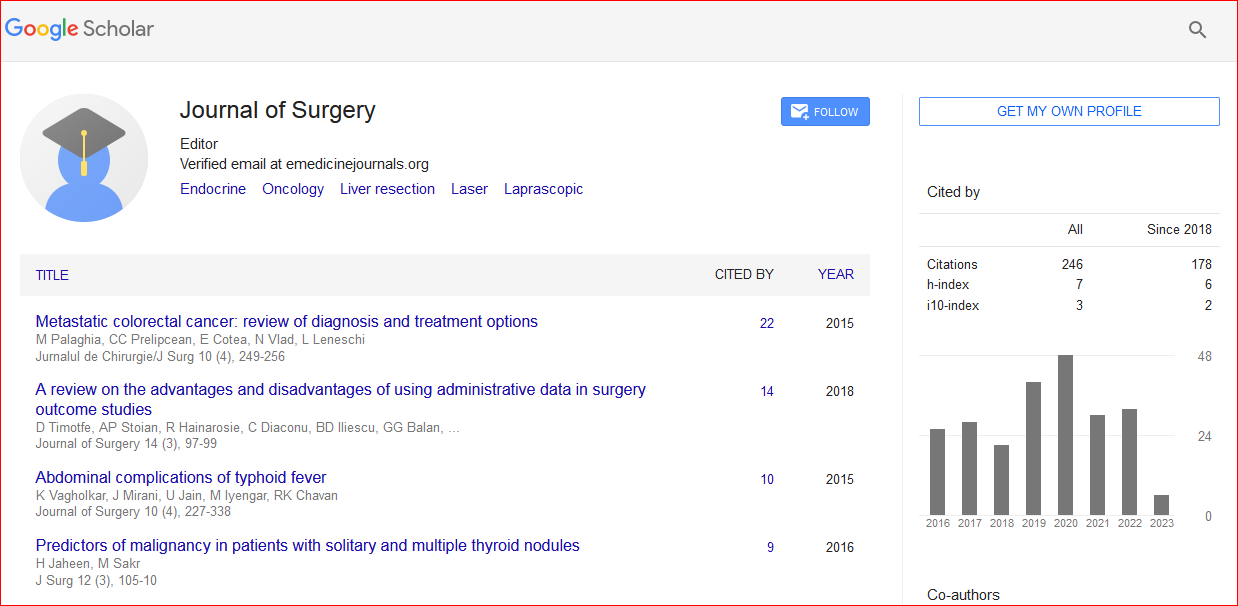
Journal of Surgery received 288 citations as per Google Scholar report