Perspective - (2025) Volume 14, Issue 2
Received: 01-Jun-2025, Manuscript No. jms-25-172633;
Editor assigned: 03-Jun-2025, Pre QC No. P-172633;
Reviewed: 17-Jun-2025, QC No. Q-172633;
Revised: 23-Jun-2025, Manuscript No. R-172633;
Published:
30-Jun-2025
, DOI: 10.37421/2167-0943.2024.13.406
Citation: Bellucci, Dario. ”Nutrition’s Reach: Health, Performance, Sustainability.” J Metabolic Synd 14 (2025):406.
Copyright: © 2025 Bellucci D. This is an open-access article distributed under the terms of the Creative Commons Attribution License, which permits unrestricted use,
distribution and reproduction in any medium, provided the original author and source are credited.
Personalized nutrition, a rapidly evolving field, holds significant promise for tailoring dietary recommendations based on an individual's unique genetic, microbiome, and lifestyle factors. The idea is to move beyond generic dietary guidelines towards more precise and effective strategies for preventing and managing chronic diseases, ultimately aiming for precision health outcomes. While the potential benefits are vast, successfully implementing personalized nutrition requires overcoming challenges related to data integration, ethical considerations, and clinical application[1].
Adopting plant-based diets can significantly improve cardiometabolic health, primarily by reducing the risk of conditions like heart disease, type 2 diabetes, and obesity. These diets, rich in fruits, vegetables, whole grains, nuts, and legumes, are typically lower in saturated fat and cholesterol while being high in fiber and various phytonutrients. What this really means is a focus on plant foods supports better blood pressure, lipid profiles, and insulin sensitivity, contributing to overall cardiovascular well-being[2].
The gut microbiota plays a crucial role in human health, acting as a critical interface between diet and physiological outcomes. The composition and function of these microbial communities are heavily influenced by dietary intake, and in turn, they impact nutrient absorption, immune function, and even neurological processes. Maintaining a diverse and balanced gut microbiota through a healthy diet is essential for preventing various diseases and promoting overall well-being[3].
Research consistently shows a strong link between adherence to a Mediterranean diet and better cognitive function, particularly as people age. This dietary pattern, rich in fruits, vegetables, whole grains, healthy fats like olive oil, and lean proteins, appears to protect against cognitive decline and reduce the risk of neurodegenerative diseases. What this really means is that the anti-inflammatory and antioxidant properties of the Mediterranean diet support brain health, potentially preserving memory and other cognitive abilities over time[4].
Achieving sustainable diets is crucial for ensuring both food security and environmental protection. This involves promoting dietary patterns that are not only healthy but also have low environmental impact, respecting biodiversity and ecosystems, and optimizing resource use. Here's the thing: transitioning to more sustainable food systems requires addressing production practices, reducing food waste, and encouraging shifts in consumer behavior towards diets rich in plant-based foods[5].
Maternal nutrition plays a profound role in influencing a child's risk of developing obesity later in life. Inadequate or excessive nutrient intake during pregnancy and lactation can program the offspring's metabolism, increasing susceptibility to weight gain and related health issues. Let's break it down: optimizing maternal diet is a critical strategy for early childhood obesity prevention, highlighting the long-term impact of prenatal and early postnatal nutritional environments[6].
Nutritional management is an indispensable part of comprehensive care for individuals with chronic kidney disease (CKD). Dietary interventions, including protein restriction, sodium control, and adequate calorie intake, can slow disease progression, alleviate symptoms, and improve quality of life. Tailoring nutritional strategies to the specific stage of CKD and individual needs is essential for effective management, preventing complications, and supporting kidney function[7].
Micronutrient deficiencies, often referred to as 'hidden hunger,' remain a significant global health challenge, affecting billions worldwide. These deficiencies, involving essential vitamins and minerals like iron, iodine, vitamin A, and zinc, impair physical and cognitive development, weaken immune systems, and increase mortality rates. Addressing this issue requires multifaceted interventions, including food fortification, supplementation, and promoting diverse and nutrient-rich diets[8].
Effective nutrition strategies are fundamental for optimizing athletic performance and enhancing recovery. Athletes require tailored approaches to energy intake, macronutrient ratios, and micronutrient support to meet the demands of training, competition, and post-exercise repair. Understanding appropriate timing and composition of meals and supplements helps maximize energy stores, minimize muscle damage, and facilitate adaptation, giving athletes a competitive edge[9].
The link between nutrition and mental health is becoming increasingly clear, with growing evidence suggesting that dietary patterns significantly influence psychological well-being. Nutrient deficiencies, pro-inflammatory diets, and imbalances in the gut microbiota are associated with a higher risk of mood disorders, anxiety, and cognitive impairment. Prioritizing a whole-foods-based diet, rich in essential nutrients and prebiotics, can support brain function and contribute to better mental health outcomes[10].
Personalized nutrition, a rapidly evolving field, holds significant promise for tailoring dietary recommendations based on an individual's unique genetic, microbiome, and lifestyle factors. The idea is to move beyond generic dietary guidelines towards more precise and effective strategies for preventing and managing chronic diseases, ultimately aiming for precision health outcomes. While the potential benefits are vast, successfully implementing personalized nutrition requires overcoming challenges related to data integration, ethical considerations, and clinical application[1]. Adopting plant-based diets can significantly improve cardiometabolic health, primarily by reducing the risk of conditions like heart disease, type 2 diabetes, and obesity. These diets, rich in fruits, vegetables, whole grains, nuts, and legumes, are typically lower in saturated fat and cholesterol while being high in fiber and various phytonutrients. What this really means is a focus on plant foods supports better blood pressure, lipid profiles, and insulin sensitivity, contributing to overall cardiovascular well-being[2].
The gut microbiota plays a crucial role in human health, acting as a critical interface between diet and physiological outcomes. The composition and function of these microbial communities are heavily influenced by dietary intake, and in turn, they impact nutrient absorption, immune function, and even neurological processes. Maintaining a diverse and balanced gut microbiota through a healthy diet is essential for preventing various diseases and promoting overall well-being[3]. Research consistently shows a strong link between adherence to a Mediterranean diet and better cognitive function, particularly as people age. This dietary pattern, rich in fruits, vegetables, whole grains, healthy fats like olive oil, and lean proteins, appears to protect against cognitive decline and reduce the risk of neurodegenerative diseases. What this really means is that the anti-inflammatory and antioxidant properties of the Mediterranean diet support brain health, potentially preserving memory and other cognitive abilities over time[4].
Achieving sustainable diets is crucial for ensuring both food security and environmental protection. This involves promoting dietary patterns that are not only healthy but also have low environmental impact, respecting biodiversity and ecosystems, and optimizing resource use. Here's the thing: transitioning to more sustainable food systems requires addressing production practices, reducing food waste, and encouraging shifts in consumer behavior towards diets rich in plant-based foods[5]. Maternal nutrition plays a profound role in influencing a child's risk of developing obesity later in life. Inadequate or excessive nutrient intake during pregnancy and lactation can program the offspring's metabolism, increasing susceptibility to weight gain and related health issues. Let's break it down: optimizing maternal diet is a critical strategy for early childhood obesity prevention, highlighting the long-term impact of prenatal and early postnatal nutritional environments[6].
Nutritional management is an indispensable part of comprehensive care for individuals with chronic kidney disease (CKD). Dietary interventions, including protein restriction, sodium control, and adequate calorie intake, can slow disease progression, alleviate symptoms, and improve quality of life. Tailoring nutritional strategies to the specific stage of CKD and individual needs is essential for effective management, preventing complications, and supporting kidney function[7]. Micronutrient deficiencies, often referred to as 'hidden hunger,' remain a significant global health challenge, affecting billions worldwide. These deficiencies, involving essential vitamins and minerals like iron, iodine, vitamin A, and zinc, impair physical and cognitive development, weaken immune systems, and increase mortality rates. Addressing this issue requires multifaceted interventions, including food fortification, supplementation, and promoting diverse and nutrient-rich diets[8].
Effective nutrition strategies are fundamental for optimizing athletic performance and enhancing recovery. Athletes require tailored approaches to energy intake, macronutrient ratios, and micronutrient support to meet the demands of training, competition, and post-exercise repair. Understanding appropriate timing and composition of meals and supplements helps maximize energy stores, minimize muscle damage, and facilitate adaptation, giving athletes a competitive edge[9]. The link between nutrition and mental health is becoming increasingly clear, with growing evidence suggesting that dietary patterns significantly influence psychological well-being. Nutrient deficiencies, pro-inflammatory diets, and imbalances in the gut microbiota are associated with a higher risk of mood disorders, anxiety, and cognitive impairment. Prioritizing a whole-foods-based diet, rich in essential nutrients and prebiotics, can support brain function and contribute to better mental health outcomes[10].
Personalized nutrition is an evolving field that promises to tailor dietary recommendations based on individual genetic, microbiome, and lifestyle factors, moving towards precision health outcomes for chronic disease prevention and management. Plant-based diets offer substantial benefits for cardiometabolic health, effectively reducing the risk of heart disease, type 2 diabetes, and obesity through their rich fiber and phytonutrient content. The gut microbiota acts as a crucial link between diet and physiological health, impacting nutrient absorption, immune response, and neurological functions, emphasizing the need for a diverse and balanced microbial community. Research highlights a strong association between the Mediterranean diet and enhanced cognitive function, particularly in aging populations, suggesting its protective role against cognitive decline. Achieving sustainable diets is paramount for global food security and environmental stewardship. This involves promoting healthy dietary patterns with low environmental impact, reducing food waste, and fostering a shift towards plant-rich foods. Maternal nutrition during pregnancy and lactation significantly influences a child's future obesity risk, underscoring its critical role in early childhood obesity prevention. For individuals with chronic kidney disease, customized nutritional interventions, including protein and sodium control, are indispensable for slowing disease progression and improving patient well-being. Micronutrient deficiencies, commonly known as "hidden hunger," represent a pervasive global health challenge, affecting physical and cognitive development and immune function. Optimizing athletic performance and recovery hinges on tailored nutrition strategies encompassing energy intake, macronutrient balance, and precise timing. Furthermore, a growing body of evidence connects dietary patterns to mental health, indicating that whole-foods-based diets rich in essential nutrients can support brain function and psychological well-being.
None
None
Indexed at, Google Scholar, Crossref
Indexed at, Google Scholar, Crossref
Indexed at, Google Scholar, Crossref
Indexed at, Google Scholar, Crossref
Indexed at, Google Scholar, Crossref
Indexed at, Google Scholar, Crossref
Indexed at, Google Scholar, Crossref
Indexed at, Google Scholar, Crossref
Indexed at, Google Scholar, Crossref
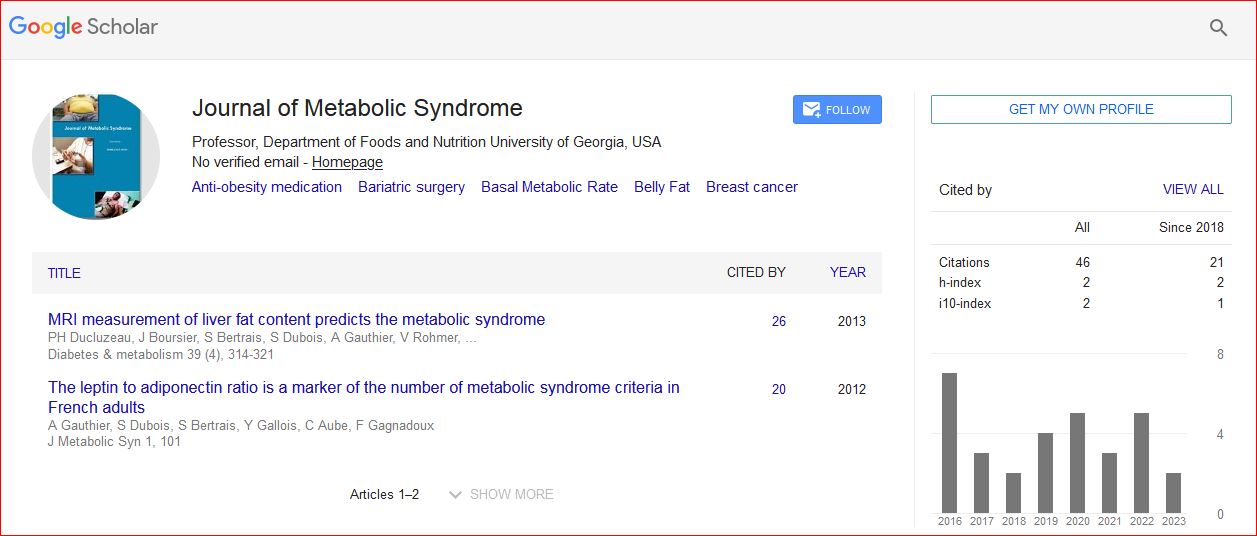
Journal of Metabolic Syndrome received 48 citations as per Google Scholar report