Perspective - (2025) Volume 10, Issue 4
Received: 01-Jul-2025, Manuscript No. apn-26-179152;
Editor assigned: 03-Jul-2025, Pre QC No. P-179152;
Reviewed: 14-Jul-2025, QC No. Q-179152;
Revised: 22-Jul-2025, Manuscript No. R-179152;
Published:
29-Jul-2025
, DOI: 10.37421/2573-0347.2025.10.442
Citation: Rossi, Isabella. âNavigating Ethical & Legal Challenges for APNs.â J Adv Practice Nurs 10 (2025):442.
Copyright: © 2025 Rossi I. This is an open-access article distributed under the terms of the Creative Commons Attribution License, which permits unrestricted use, distribution
and reproduction in any medium, provided the original author and source are credited.
Advanced practice nurses (APNs) are increasingly encountering a complex web of ethical dilemmas and legal considerations within their practice, particularly in community health settings. These challenges encompass a wide range of issues, from upholding patient autonomy and ensuring informed consent to navigating the limitations of their scope of practice, the intricacies of care delegation, and the critical maintenance of professional boundaries. The ethical imperative to ensure equitable access to care, actively address the social determinants that influence health outcomes, and serve as staunch advocates for vulnerable populations are fundamental aspects of their professional responsibility [1].
The advent and widespread integration of telehealth into advanced nursing practice have introduced a novel set of ethical and legal considerations that require careful navigation. Central to this evolving landscape are the paramount importance of safeguarding patient privacy and ensuring robust data security during remote consultations. APNs must also master the nuances of obtaining informed consent specifically for virtual care modalities and remain acutely aware of the legal restrictions that govern practicing across state or national borders, all while adhering to established standards of care for telehealth [2].
The persistent discourse surrounding the expansion of the scope of practice for advanced practice nurses (APNs) carries significant ethical and legal implications that necessitate thorough examination. Defining the precise boundaries of APN autonomy, the scope of their prescriptive authority, and the parameters of independent practice demands meticulous attention to patient safety and the assurance of professional competency. While ethical arguments often highlight the potential to improve access to care and alleviate workforce shortages, legal frameworks must rigorously ensure that APNs are adequately prepared and appropriately regulated to meet the demands of these broadened roles [3].
Maintaining clear and appropriate professional boundaries stands as an ongoing ethical challenge for advanced practice nurses, a complexity that is often amplified in community settings where interpersonal relationships can naturally deepen. This ongoing challenge involves skillfully managing dual relationships, proactively avoiding potential conflicts of interest, and consistently ensuring effective and appropriate communication with both patients and their families. Legally, transgressions in maintaining these boundaries can result in severe consequences, including disciplinary actions by regulatory bodies, costly malpractice claims, and, in the most serious cases, the potential loss of professional licensure [4].
Informed consent remains an unassailable cornerstone of ethical healthcare delivery, and it is imperative that advanced practice nurses (APNs) ensure its comprehensive and robust implementation in all aspects of patient care. This vital process involves furnishing patients with clear, easily understandable information regarding their diagnoses, available treatment alternatives, potential risks, and anticipated benefits, thereby empowering them to make autonomous decisions regarding their health. Challenges to obtaining truly informed consent can arise when engaging with patients who have diminished cognitive capacity, individuals facing language barriers, or when presenting exceedingly complex medical information. Legally, a failure to obtain adequate informed consent can expose practitioners to significant liability and legal repercussions. APNs play a crucial and indispensable role in the essential process of educating patients and actively facilitating truly informed decision-making [5].
Malpractice risk management for advanced practice nurses (APNs) is not merely a reactive measure but necessitates a proactive and strategic approach to diligently identify and effectively mitigate potential threats that could jeopardize patient safety and their professional legal standing. This comprehensive strategy encompasses meticulous and thorough documentation of all patient interactions and care provided, unwavering adherence to evidence-based practices, fostering highly effective communication with interprofessional healthcare teams, and committing to continuous professional development. A deep understanding of the common factors that precipitate malpractice claims, such as diagnostic errors, medication administration mistakes, and failures in patient monitoring, is absolutely crucial for effective prevention. Ultimately, ethical practice is intrinsically and inextricably linked to robust risk mitigation strategies, fostering a pervasive culture of patient safety and unwavering accountability [6].
Ethical considerations surrounding the delegation of patient care tasks by advanced practice nurses (APNs) are of paramount importance in ensuring the well-being of patients and upholding professional accountability. APNs must possess a comprehensive understanding and the requisite skills to accurately assess the competency of the healthcare personnel to whom tasks are delegated, and to provide appropriate and ongoing supervision. Existing legal frameworks often delineate the specific scope of permissible delegation and clearly define the responsibilities of the delegating APN. Ineffective or negligent management of delegated tasks can unfortunately lead to direct patient harm and significant legal repercussions for the APN. The ethical principles of beneficence and non-maleficence serve as guiding beacons for responsible and sound delegation practices [7].
Advocacy for vulnerable populations represents a core ethical responsibility that rests firmly with advanced practice nurses (APNs). This crucial role involves a deep commitment to addressing the multifaceted social determinants of health that disproportionately affect certain groups, vigorously promoting health equity across diverse communities, and actively protecting the fundamental rights of individuals who may encounter significant barriers to accessing necessary healthcare. The legal dimensions of advocacy for APNs include a thorough understanding of patient rights legislation and the professional codes of ethics that explicitly mandate and support such advocacy. APNs must maintain comprehensive knowledge of available community resources and possess a keen awareness of the systemic issues that exert a profound impact on the health outcomes of marginalized populations. In essence, their role is indispensable in amplifying the voices of those who are frequently unheard and underserved [8].
Electronic health records (EHRs) and the associated data security measures present substantial and evolving ethical and legal challenges for advanced practice nurses (APNs). The unwavering maintenance of patient confidentiality, the assurance of data integrity, and strict compliance with governing regulations, such as the Health Insurance Portability and Accountability Act (HIPAA), are absolutely paramount. Ethical breaches can manifest through various means, including unauthorized access to sensitive patient information, improper disclosure of protected health data, or the implementation of insecure data storage practices. The legal ramifications for non-compliance with these regulations can be severe, encompassing substantial financial penalties and significant damage to professional reputation. APNs must therefore maintain a heightened level of vigilance in their utilization of EHR systems and remain consistently aware of the ever-evolving landscape of cybersecurity threats [9].
Collaborative practice agreements (CPAs) established between advanced practice nurses (APNs) and physicians are fundamentally essential for effectively navigating the intricate legal and ethical terrain of interprofessional patient care. These formal agreements serve the critical purpose of clearly delineating roles, defining responsibilities, and establishing structured referral processes, thereby ensuring a cohesive and coordinated approach to patient management. From an ethical perspective, robust collaboration serves to optimize patient outcomes and promote the efficient utilization of healthcare resources. Legally, clearly defined and well-articulated agreements can effectively protect both APNs and physicians from potential liability by establishing unambiguous lines of accountability. Consequently, the regular review and timely updates of these agreements are indispensable to ensure they accurately reflect current clinical practice and evolving regulatory requirements [10].
Advanced practice nurses (APNs) are frequently confronted with a complex array of ethical dilemmas and legal considerations, particularly within the dynamic context of community health settings. Their practice involves navigating intricate issues pertaining to patient autonomy, the critical process of informed consent, understanding and adhering to scope of practice limitations, the responsibilities associated with delegating care, and the essential maintenance of professional boundaries. Furthermore, APNs bear significant ethical responsibilities to ensure equitable access to healthcare services, to actively address the social determinants that profoundly influence health outcomes, and to serve as dedicated advocates for vulnerable populations [1].
The increasing integration of telehealth into the daily practice of advanced nursing has introduced a new dimension of ethical and legal challenges that demand careful consideration. A primary concern is the imperative to ensure patient privacy and the security of data during remote consultations, alongside the necessity of obtaining informed consent for care delivered via virtual modalities. APNs must possess a clear understanding of the legal boundaries concerning practice across different states or national jurisdictions and strictly adhere to the established standards of care specifically for telehealth services. Addressing disparities in technological access, which can exacerbate existing health inequities, and navigating complex reimbursement policies are also key considerations. The overarching ethical obligation to provide care of equivalent quality, irrespective of the delivery modality, remains a central and enduring concern [2].
The continuous evolution of the scope of practice for advanced practice nurses (APNs) remains a subject of significant discussion, carrying substantial ethical and legal ramifications. The precise definition of APN autonomy, the extent of their prescriptive authority, and the parameters of independent practice require a cautious and thorough evaluation that prioritizes patient safety and confirms professional competence. Ethical arguments in favor of scope expansion often emphasize improvements in patient access to care and the alleviation of healthcare workforce shortages. Concurrently, legal frameworks must be robust enough to guarantee that APNs are adequately prepared and appropriately regulated to meet the increasing demands of these expanded roles. Proactive advocacy for legislative changes that align with contemporary healthcare needs is therefore crucial [3].
Maintaining appropriate professional boundaries represents a persistent ethical challenge for advanced practice nurses, particularly in community-based settings where the patient-practitioner relationship may evolve into more personal interactions. This encompasses the adept management of dual relationships, the diligent avoidance of conflicts of interest, and the consistent assurance of clear and professional communication with both patients and their family members. From a legal standpoint, boundary violations can precipitate severe repercussions, including formal disciplinary actions from licensing boards, costly malpractice lawsuits, and the ultimate consequence of losing professional licensure. A profound understanding of the subtle dynamics inherent in professional interactions, coupled with the implementation of well-defined strategies for boundary maintenance, is absolutely essential for upholding ethical practice [4].
Informed consent serves as a fundamental ethical principle in healthcare, and advanced practice nurses (APNs) are ethically obligated to ensure its thorough and diligent implementation. This entails providing patients with clear, comprehensible information about their diagnoses, all viable treatment options, potential risks, and anticipated benefits, thereby empowering them to make autonomous decisions about their care. Challenges may arise when interacting with patients who have diminished capacity to consent, those who face language barriers, or when the medical information itself is exceptionally complex. Legally, a failure to obtain adequate informed consent can expose healthcare providers to significant legal liability. APNs play an indispensable role in educating patients and facilitating the process of truly informed decision-making [5].
Malpractice risk management for advanced practice nurses (APNs) necessitates a proactive and systematic approach aimed at identifying and mitigating potential threats to patient safety and their professional legal standing. Key strategies include meticulous and thorough documentation of all patient care activities, strict adherence to evidence-based clinical practices, fostering effective communication with interprofessional teams, and engaging in continuous professional development. Understanding the common factors that contribute to malpractice claims, such as diagnostic errors, medication administration mistakes, and inadequate patient monitoring, is vital for prevention. Ethical practice is intrinsically linked to effective risk mitigation, cultivating a strong culture of safety and accountability within the healthcare setting [6].
The ethical considerations involved in the delegation of patient care responsibilities by advanced practice nurses (APNs) are critical for ensuring patient well-being and maintaining professional accountability. APNs must possess the requisite knowledge and skills to accurately assess the competency of the individuals to whom care is delegated and to provide appropriate supervision. Legal frameworks typically define the permissible scope of delegation and delineate the specific responsibilities of the delegating APN. Improper management of delegated tasks can result in adverse patient outcomes and significant legal repercussions for the APN. Upholding the ethical principles of beneficence and non-maleficence guides responsible and effective delegation practices [7].
Advocacy for vulnerable populations constitutes a core ethical responsibility for advanced practice nurses (APNs). This involves a commitment to addressing the social determinants of health that contribute to health disparities, promoting health equity across all communities, and actively protecting the rights of individuals who may face substantial barriers to accessing healthcare. The legal aspects of advocacy for APNs include an understanding of patient rights legislation and adherence to professional codes of ethics that mandate advocacy. APNs must be knowledgeable about available community resources and systemic issues that negatively impact the health outcomes of marginalized groups. Their role is crucial in amplifying the voices of those who are often marginalized and unheard [8].
Electronic health records (EHRs) and the associated data security protocols present significant ethical and legal challenges for advanced practice nurses (APNs). Maintaining patient confidentiality, ensuring the integrity of data, and complying with regulations such as HIPAA are of utmost importance. Ethical breaches can occur through unauthorized access, improper disclosure of information, or insecure data storage practices. The legal consequences for non-compliance can be severe, including substantial fines and damage to professional reputation. APNs must remain vigilant in their use of EHRs and stay informed about evolving cybersecurity threats [9].
Collaborative practice agreements (CPAs) between advanced practice nurses (APNs) and physicians are instrumental in navigating the complex legal and ethical landscape of interprofessional patient care. These agreements serve to clarify roles, define responsibilities, and outline referral processes, thereby ensuring a coordinated and effective approach to patient management. Ethically, such collaboration fosters optimal patient outcomes and promotes the efficient utilization of healthcare resources. Legally, well-defined agreements can shield both APNs and physicians from liability by establishing clear lines of accountability. Regular review and updates of these agreements are essential to reflect current practice and regulatory changes [10].
Advanced practice nurses (APNs) navigate a complex landscape of ethical and legal challenges, including patient autonomy, informed consent, scope of practice, delegation, and professional boundaries, particularly in community health and telehealth settings. Addressing social determinants of health and advocating for vulnerable populations are also key ethical imperatives. APNs must be aware of state practice acts, licensure, malpractice risks, and evolving regulations for telehealth and electronic health records. Maintaining patient privacy and data security with EHRs is crucial, as is understanding and adhering to collaborative practice agreements with physicians. Proactive risk management, meticulous documentation, and continuous professional development are essential for safeguarding both patients and practitioners.
None
None
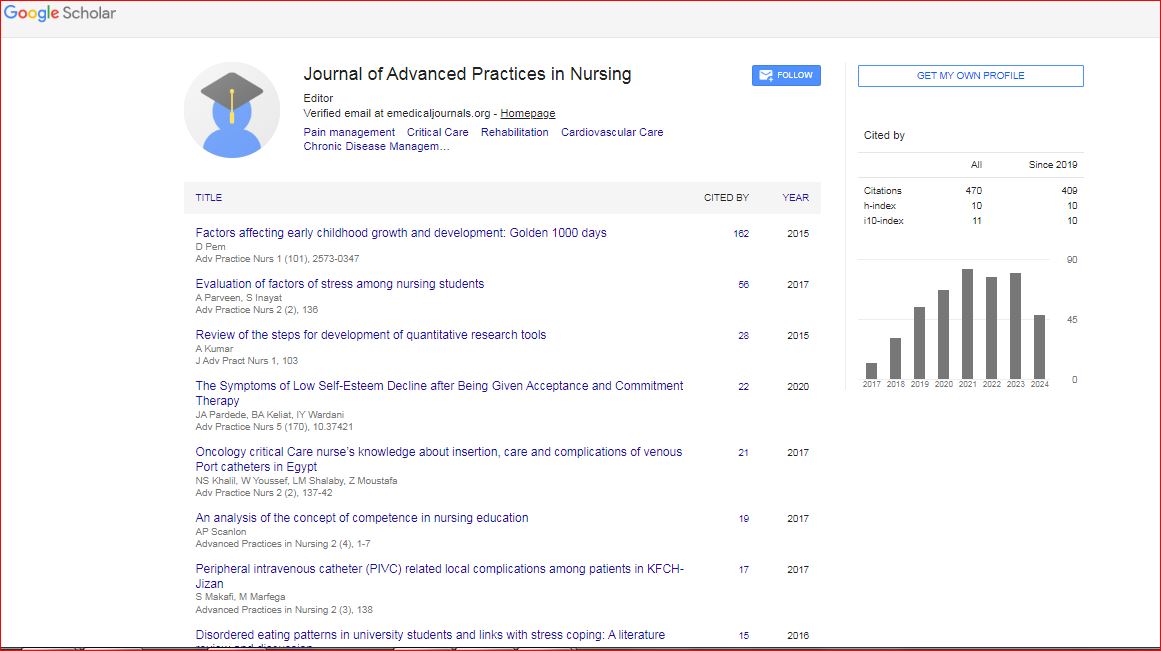
Journal of Advanced Practices in Nursing received 410 citations as per Google Scholar report