Brief Report - (2025) Volume 14, Issue 3
Received: 02-Jun-2025, Manuscript No. jsp-26-182248;
Editor assigned: 04-Jun-2025, Pre QC No. P-182248;
Reviewed: 18-Jun-2025, QC No. Q-182248;
Revised: 23-Jun-2025, Manuscript No. R-182248;
Published:
30-Jun-2025
, DOI: 10.37421/2165-7939.2025.14.721
Citation: Wei, Chen. ”Multimodal Non-Surgical Low Back Pain Management.” J Spine 14 (2025):721.
Copyright: © 2025 Wei C. This is an open-access article distributed under the terms of the Creative Commons Attribution License, which permits unrestricted use, distribution and reproduction in any medium, provided the original author and source are credited.
Current evidence strongly supports the use of multimodal non-surgical approaches for the management of chronic low back pain, with a particular emphasis on exercise therapy, manual therapy, and psychological interventions. Graded exercise programs have demonstrated significant efficacy in improving functional capacity and reducing pain levels among individuals suffering from chronic low back pain. Cognitive behavioral therapy is a well-established psychological intervention that has shown considerable effectiveness in helping patients manage the persistent pain and associated psychological distress. Mindfulness-based stress reduction techniques offer another avenue for improving pain acceptance and reducing psychological distress, leading to better coping mechanisms and reduced pain interference. Pharmacological management, encompassing the use of non-steroidal anti-inflammatory drugs (NSAIDs) and certain antidepressants like duloxetine, can be considered as part of a comprehensive treatment plan, though careful attention to potential side effects and the duration of use is paramount. Interventional procedures, such as epidural steroid injections, may provide temporary relief for specific patterns of radicular pain, but their long-term effectiveness is subject to debate and they are best considered within a broader management strategy. The American College of Physicians provides a clinical practice guideline that underscores the importance of a personalized, patient-centered approach, which is crucial for optimizing outcomes in the treatment of chronic low back pain. This comprehensive approach acknowledges the multifaceted nature of chronic pain and aims to tailor interventions to the unique needs of each individual patient. By integrating various therapeutic modalities, healthcare providers can work towards achieving more sustainable pain relief and improved quality of life for those affected by this debilitating condition. The foundation of effective chronic low back pain management lies in a thorough understanding of the condition and a commitment to evidence-based practices [1].
Spinal manipulation therapy, particularly at low doses, presents a conservative yet effective option for individuals grappling with chronic low back pain, offering a tangible pathway to pain reduction and enhanced mobility. Research indicates that spinal manipulation therapy is comparable in its efficacy to other recognized conservative treatments, including structured exercise regimens and pharmaceutical interventions, suggesting its value as a viable therapeutic modality. The underlying mechanisms through which spinal manipulation therapy exerts its beneficial effects are thought to involve neuromodulation, a process that influences the nervous system's perception of pain, and improved biomechanics, addressing underlying issues with spinal movement and alignment. For optimal results and patient safety, careful patient selection and the application of appropriate manipulative techniques are considered essential components of successful treatment. This highlights the need for skilled practitioners who can accurately assess and appropriately treat patients with chronic low back pain. The systematic review and meta-analysis provides robust evidence for its effectiveness [2].
Cognitive behavioral therapy (CBT) stands as a cornerstone within the framework of non-surgical management strategies for chronic low back pain, directly addressing the psychological factors that often perpetuate and exacerbate the pain experience. CBT equips patients with valuable coping strategies, enabling them to better manage pain-related anxiety and depression, which are common comorbidities that significantly impact quality of life. Moreover, CBT fosters improved functional engagement, encouraging individuals to participate more actively in their daily lives despite the presence of pain. The effectiveness of CBT in this context is well-established, particularly when it is thoughtfully integrated with physical rehabilitation programs, creating a synergistic effect that enhances overall treatment outcomes. This integrated approach recognizes the intricate connection between mental and physical well-being in the management of chronic conditions. The systematic review and meta-analysis confirms its robust efficacy [3].
The role of exercise in the comprehensive management of chronic low back pain is undeniably paramount, serving as a foundational element for recovery and long-term well-being. Structured and progressive exercise programs, encompassing a variety of modalities such as aerobic conditioning, targeted strengthening exercises, and flexibility training, consistently lead to significant improvements in key areas including pain intensity, functional capacity, and overall quality of life. Crucially, a tailored approach that meticulously considers the individual patient's specific needs, limitations, and preferences is considered the key to unlocking the full therapeutic potential of exercise. This personalized strategy ensures that interventions are safe, effective, and sustainable, promoting adherence and maximizing the likelihood of positive outcomes. The systematic review and meta-analysis of randomized controlled trials supports its critical importance [4].
Mindfulness-based stress reduction (MBSR) emerges as a promising intervention for individuals navigating the complexities of chronic low back pain, primarily by fostering improved pain acceptance and significantly reducing psychological distress. The core techniques employed in MBSR, such as guided meditation and body scanning practices, empower individuals to cultivate a different, more adaptive relationship with their pain experience. This shift in perspective can lead to the development of more effective coping mechanisms and a notable reduction in the overall interference of pain in daily life. MBSR offers a non-pharmacological approach that addresses the mental and emotional aspects of chronic pain, contributing to a more holistic healing process. The systematic review and meta-analysis highlights its potential benefits [5].
Pharmacological options, including the well-established non-steroidal anti-inflammatory drugs (NSAIDs) and certain classes of antidepressants like duloxetine, can serve as valuable tools for providing symptomatic relief in the management of chronic low back pain. However, their utility, particularly concerning long-term use, necessitates careful and ongoing consideration due to the potential for various adverse side effects that can impact patient health and well-being. Consequently, multimodal treatment strategies that adeptly integrate pharmacotherapy with carefully selected non-pharmacological interventions are generally considered the preferred approach for achieving sustained and meaningful benefit. This integrated approach aims to maximize efficacy while minimizing risks, promoting a balanced and effective treatment plan. The systematic review emphasizes the need for careful consideration [6].
Manual therapy, a broad category of hands-on techniques that includes joint mobilization and manipulation, can offer significant benefits for individuals experiencing chronic low back pain by enhancing joint mechanics and alleviating muscle stiffness. These therapies are frequently utilized in conjunction with prescribed exercise programs and patient education to further amplify functional outcomes and promote recovery. The ultimate effectiveness of manual therapy can be influenced by a variety of factors, including the specific type of manual therapy employed and the unique clinical presentation and condition of the individual patient. This underscores the importance of individualized assessment and treatment planning in optimizing the benefits of manual therapy. The systematic review and meta-analysis supports its utility [7].
Interventional procedures, such as epidural steroid injections, have the potential to provide temporary pain relief for a carefully selected subset of individuals diagnosed with chronic low back pain, especially those presenting with distinct radicular symptoms. Nevertheless, the long-term effectiveness and durability of these interventions are subjects of ongoing debate within the medical community. Therefore, they should be judiciously considered as a complementary component within a comprehensive non-surgical management plan, rather than being relied upon as a standalone or definitive solution. This cautious approach ensures that interventions are applied appropriately and in conjunction with other evidence-based strategies. The systematic review of randomized controlled trials addresses their role [8].
The biopsychosocial model is of fundamental importance in achieving a comprehensive understanding and effectively managing chronic low back pain, recognizing its complex etiology. This widely accepted model posits that pain perception and experience are intricately influenced by a dynamic interplay of biological, psychological, and social factors, thereby necessitating a holistic and integrated treatment approach that comprehensively addresses all these interconnected dimensions. By acknowledging the multifaceted nature of chronic pain, clinicians can develop more personalized and effective treatment plans. This model provides a valuable framework for understanding the patient as a whole, rather than focusing solely on the physical symptoms. The systematic review of evidence underscores its necessity [9].
Patient education plays an indispensable and vital role in the non-surgical management of chronic low back pain, serving as a critical component of successful treatment. Empowering patients with a thorough understanding of their condition, fostering realistic expectations regarding recovery, and equipping them with effective self-management strategies can profoundly improve adherence to prescribed treatments and significantly enhance functional outcomes. Informed patients are better positioned to actively participate in their recovery journey and achieve long-term improvements in their quality of life. This proactive approach benefits both the patient and the healthcare provider by fostering a collaborative relationship. The systematic review highlights its significant impact [10].
Multimodal non-surgical approaches are strongly supported by current evidence for the management of chronic low back pain, with a significant emphasis placed on the integration of exercise therapy, manual therapy, and psychological interventions. Graded exercise programs are recognized for their proven efficacy in enhancing functional capacity and reducing pain levels, offering a structured pathway for recovery and improved quality of life. Cognitive behavioral therapy (CBT) stands out as a cornerstone psychological intervention, demonstrating considerable effectiveness in equipping individuals with essential coping strategies to manage the persistent pain and associated psychological distress, which are often intertwined with the physical symptoms. Mindfulness-based stress reduction (MBSR) techniques provide an additional avenue for individuals to cultivate improved pain acceptance and effectively reduce psychological distress, thereby leading to more adaptive coping mechanisms and a diminished interference of pain in daily activities. Pharmacological management, which includes the judicious use of non-steroidal anti-inflammatory drugs (NSAIDs) and certain antidepressants such as duloxetine, can be considered as part of a broader therapeutic strategy, albeit with a crucial need for careful monitoring of potential side effects and thoughtful consideration of the duration of treatment. Interventional procedures, including epidural steroid injections, may offer temporary respite for specific radicular pain patterns, though their long-term effectiveness remains a subject of ongoing discussion and they are best viewed as adjuncts within a comprehensive non-surgical plan. The overarching principle emphasized in current clinical practice guidelines is the necessity of a personalized, patient-centered approach, which is fundamental for optimizing therapeutic outcomes and achieving sustained improvements in function and well-being. This individualized strategy ensures that treatment plans are tailored to the unique needs and circumstances of each patient, fostering a more effective and holistic recovery process. The commitment to evidence-based practices is crucial for guiding these multimodal interventions [1].
Low-dose spinal manipulation therapy has emerged as a valuable conservative treatment option for individuals experiencing chronic low back pain, demonstrably contributing to reductions in pain intensity and improvements in overall mobility. Clinical studies suggest that the efficacy of spinal manipulation therapy is comparable to that of other established conservative treatments, such as prescribed exercise and pharmacological interventions, indicating its significant therapeutic value. The mechanisms underpinning the beneficial effects of spinal manipulation are believed to involve neuromodulatory processes, which influence the central nervous system's processing of pain signals, and improvements in biomechanics, addressing issues related to joint function and movement patterns. It is imperative that careful patient selection and the precise application of appropriate manipulative techniques are prioritized to ensure optimal outcomes and patient safety. This highlights the importance of skilled practitioners in delivering this therapy effectively. The systematic review and meta-analysis confirms its effectiveness [2].
Cognitive behavioral therapy (CBT) is widely regarded as a fundamental component of non-surgical strategies for managing chronic low back pain, specifically targeting the psychological factors that contribute to the chronicity and persistence of pain. Through CBT, patients acquire and develop effective coping mechanisms, enabling them to better manage pain-related anxiety and depressive symptoms, which are common and significantly impact their daily functioning and overall quality of life. Furthermore, CBT encourages improved functional engagement, motivating individuals to participate more actively in their daily lives and rehabilitation efforts. The well-documented effectiveness of CBT is particularly pronounced when it is seamlessly integrated with physical rehabilitation programs, creating a synergistic effect that enhances the overall success of the treatment regimen. This integrated approach underscores the profound connection between mental and physical health in addressing chronic pain conditions. The systematic review and meta-analysis reinforces its established efficacy [3].
The critical importance of exercise in the effective management of chronic low back pain cannot be overstated, serving as a foundational pillar for recovery, functional restoration, and long-term health. Structured and progressively challenging exercise programs, which typically incorporate aerobic conditioning, targeted strengthening exercises, and flexibility training, are consistently associated with significant and measurable improvements in pain intensity, overall functional capacity, and subjective quality of life. It is paramount that a highly tailored approach is adopted, meticulously considering the unique needs, specific limitations, and individual preferences of each patient. This personalized strategy is the key to maximizing the therapeutic benefits of exercise and ensuring patient adherence and long-term success. The systematic review and meta-analysis of randomized controlled trials provides strong evidence for this approach [4].
Mindfulness-based stress reduction (MBSR) demonstrates considerable promise as an intervention for individuals contending with chronic low back pain, primarily through its ability to foster enhanced pain acceptance and significantly mitigate psychological distress. The core practices within MBSR, such as meditation and body scanning, empower individuals to cultivate a more adaptive and less reactive relationship with their pain experience. This fundamental shift in perspective can lead to the development of more robust coping mechanisms and a notable reduction in the perceived interference of pain in various aspects of their lives. MBSR offers a valuable non-pharmacological pathway to address the psychological dimensions of chronic pain, contributing to a more holistic and integrated approach to patient care. The systematic review and meta-analysis highlights its positive impact [5].
Pharmacological interventions, including the use of non-steroidal anti-inflammatory drugs (NSAIDs) and certain antidepressants like duloxetine, can effectively provide symptomatic relief for individuals suffering from chronic low back pain. However, the potential for adverse side effects associated with their long-term use necessitates careful consideration and vigilant monitoring. Therefore, multimodal treatment strategies that thoughtfully combine pharmacotherapy with non-pharmacological interventions are generally considered the preferred approach for achieving sustained benefits and improving overall patient outcomes. This integrated perspective aims to optimize therapeutic efficacy while minimizing potential risks. The systematic review emphasizes the need for careful management [6].
Manual therapy, which encompasses a range of hands-on techniques such as mobilization and manipulation, can yield beneficial effects for individuals with chronic low back pain by improving joint mechanics and reducing muscle stiffness. These therapies are frequently employed as adjunctive treatments alongside exercise and patient education to enhance functional outcomes and promote recovery. The degree of effectiveness observed with manual therapy can be influenced by several factors, including the specific type of technique utilized and the individual characteristics and condition of the patient. This variability underscores the importance of a personalized and adaptive approach to manual therapy. The systematic review and meta-analysis supports its role [7].
Interventional procedures, specifically epidural steroid injections, may offer temporary pain relief for a select group of patients with chronic low back pain, particularly those exhibiting radicular symptoms. However, the long-term efficacy and sustainability of these interventions are subjects of ongoing scientific debate. Consequently, they should be viewed as a potential component within a comprehensive non-surgical management strategy, rather than a primary or standalone treatment. This balanced perspective ensures that interventional procedures are used judiciously and in conjunction with other evidence-based therapies. The systematic review of randomized controlled trials addresses their application [8].
The biopsychosocial model is integral to a thorough understanding and effective management of chronic low back pain, acknowledging the complex interplay of factors that contribute to the pain experience. This model asserts that biological, psychological, and social influences are all critical determinants of pain, thereby mandating a holistic and integrated therapeutic approach that addresses these interconnected dimensions comprehensively. By adopting this perspective, clinicians can develop more nuanced and effective treatment plans that cater to the multifaceted nature of chronic pain. This framework promotes a patient-centered approach that considers the individual within their broader context. The systematic review of evidence underscores its essential nature [9].
Patient education is an indispensable element in the non-surgical management of chronic low back pain, playing a pivotal role in achieving successful outcomes. Providing patients with clear and comprehensive information about their condition, establishing realistic expectations for recovery, and equipping them with effective self-management strategies are crucial for enhancing treatment adherence and significantly improving functional capabilities. Well-informed patients are more likely to actively participate in their treatment plans and achieve lasting improvements in their quality of life. This empowers patients and fosters a collaborative therapeutic relationship. The systematic review highlights its substantial impact [10].
Chronic low back pain management is best approached with multimodal non-surgical strategies, including exercise, manual therapy, and psychological interventions like CBT and MBSR. Pharmacological options and interventional procedures can offer temporary relief but require careful consideration due to side effects and debated long-term efficacy. A personalized, patient-centered approach is paramount, recognizing the influence of biological, psychological, and social factors. Patient education is crucial for adherence and self-management, ultimately improving function and quality of life.
None
None
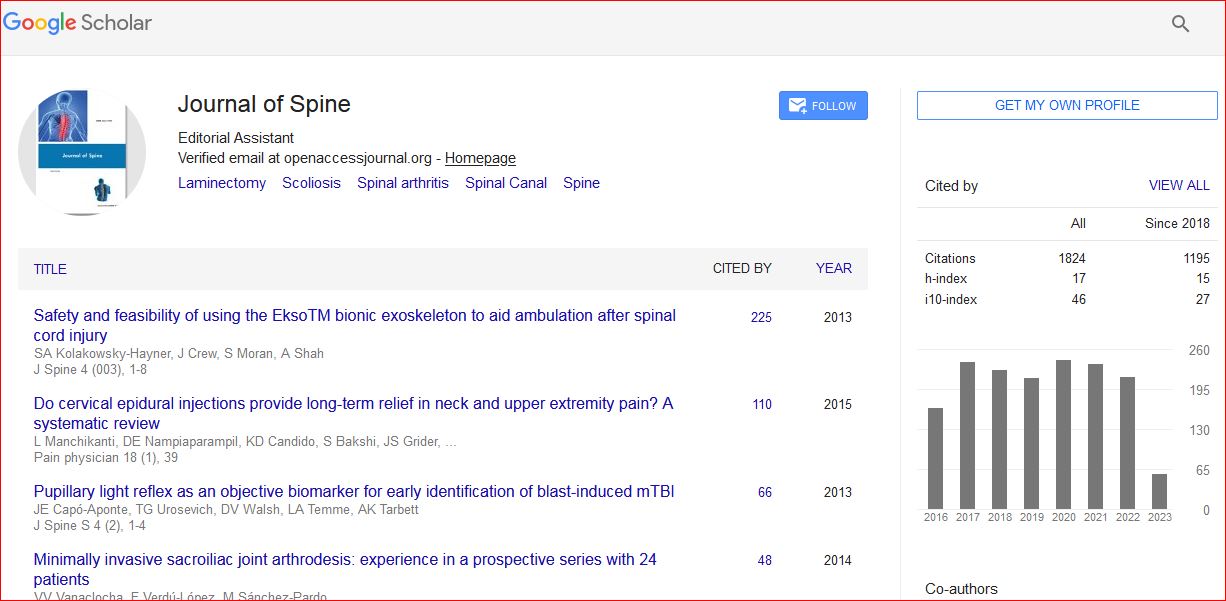
Journal of Spine received 2022 citations as per Google Scholar report