Commentary - (2025) Volume 9, Issue 5
Received: 03-Oct-2025, Manuscript No. jcre-26-187229;
Editor assigned: 06-Oct-2025, Pre QC No. P-187229;
Reviewed: 20-Oct-2025, QC No. Q-187229;
Revised: 24-Oct-2025, Manuscript No. R-187229;
Published:
31-Oct-2025
, DOI: 10.37421/2795-6172.2025.9.359
Citation: Idris, Amina. ”Magnesium: A Promising Prophylaxis for Migraines.” J Clin Res 09 (2025):359.
Copyright: © 2025 Idris A. This is an open-access article distributed under the terms of the Creative Commons Attribution License, which permits unrestricted use, distribution and reproduction in any medium, provided the original author and source are credited.
The potential role of dietary magnesium in reducing migraine frequency is a growing area of research, with numerous studies exploring its therapeutic applications. Current evidence suggests a significant link between magnesium deficiency and increased susceptibility to migraines, as well as greater severity of attacks. This deficiency may predispose individuals to a higher incidence and intensity of migraine experiences, underscoring the importance of adequate magnesium levels for neurological health. Magnesium supplementation is being considered a viable therapeutic strategy for migraine management due to its multifaceted involvement in crucial physiological processes. Its role in neurotransmitter regulation and the modulation of neuronal excitability appears central to its anti-migraine effects, offering a promising avenue for non-pharmacological intervention. Investigations into the impact of oral magnesium supplementation on migraine patients have yielded promising results, with some studies indicating a significant reduction in both the frequency and intensity of migraine attacks. These findings highlight the practical benefits of magnesium as a dietary or supplemental intervention for individuals suffering from this debilitating condition. A comprehensive systematic review and meta-analysis of existing literature on magnesium for migraine prophylaxis has further solidified its efficacy. The pooled data consistently demonstrate that magnesium supplementation can lead to a statistically significant decrease in the number of migraine days per month, providing robust evidence for its use. Furthermore, research has begun to illuminate the association between low serum magnesium levels and the chronification of migraines. Individuals experiencing chronic migraine are frequently found to have deficient magnesium levels, suggesting that correcting this deficiency could be instrumental in managing or even reversing the progression of the condition. Specific migraine subtypes are also being investigated for their response to magnesium. For instance, studies examining the effects of magnesium citrate supplementation in patients with migraine with aura have indicated a reduction in the frequency and duration of aura episodes and associated headaches, pointing to a targeted benefit. The neurobiological mechanisms underpinning magnesium's anti-migraine effects are also being elucidated. Its action as an NMDA receptor antagonist, its influence on calcitonin gene-related peptide (CGRP) modulation, and its anti-inflammatory properties are key mechanisms that provide a strong scientific rationale for its therapeutic use. From a dietary perspective, adequate intake of magnesium from food sources such as leafy greens and nuts has been suggested to contribute to a lower incidence of headaches, including migraines. This emphasizes the potential of dietary modifications as a primary approach to migraine prevention. Beyond its direct neurological effects, magnesium's impact on mitochondrial function is also being explored in relation to migraine pathophysiology. Its crucial role in cellular energy production suggests that impaired mitochondrial function, potentially due to magnesium deficiency, could be a contributing factor to migraine attacks. Despite the growing body of evidence, challenges remain in standardizing research protocols for magnesium in migraine treatment. Variations in magnesium forms, dosages, and patient populations necessitate further study to definitively establish its place in clinical guidelines, though its safety profile remains a significant advantage.
The potential role of dietary magnesium in reducing migraine frequency is a significant area of current scientific inquiry. Emerging research indicates a discernible link between magnesium deficiency and an increased susceptibility to migraines, as well as heightened severity of these episodes. This deficiency may predispose individuals to a greater incidence and intensity of migraine experiences, emphasizing the critical importance of maintaining adequate magnesium levels for optimal neurological function. Magnesium supplementation is increasingly recognized as a viable therapeutic strategy for migraine management, largely due to its extensive involvement in critical physiological processes. Its documented influence on neurotransmitter regulation and the modulation of neuronal excitability appears to be central to its observed anti-migraine effects, presenting a promising avenue for non-pharmacological intervention. Studies specifically investigating the impact of oral magnesium supplementation on individuals suffering from migraines have reported encouraging outcomes. Several studies have documented a statistically significant reduction in both the frequency and intensity of migraine attacks among participants receiving magnesium, underscoring the practical benefits of this intervention. A thorough systematic review and meta-analysis examining the efficacy of magnesium for migraine prophylaxis has further reinforced its therapeutic value. The aggregated data from multiple studies consistently indicate that magnesium supplementation can lead to a significant decrease in the monthly occurrence of migraine days, providing robust evidence to support its use. Further research has begun to elucidate the association between diminished serum magnesium levels and the chronification of migraines. A notable observation is that individuals experiencing chronic migraine are frequently found to exhibit deficient magnesium levels, suggesting that addressing this deficiency could be instrumental in managing or potentially reversing the progression of the condition. Investigations are also focusing on the effects of magnesium on specific migraine subtypes. For example, studies involving magnesium citrate supplementation in patients diagnosed with migraine with aura have reported a reduction in the frequency and duration of aura episodes, along with associated headaches, indicating a potential for targeted therapeutic benefit. The underlying neurobiological mechanisms contributing to magnesium's anti-migraine effects are progressively being understood. Key mechanisms include its role as an NMDA receptor antagonist, its modulation of calcitonin gene-related peptide (CGRP), and its intrinsic anti-inflammatory properties, all of which provide a strong scientific basis for its therapeutic application. From a nutritional standpoint, the adequate dietary intake of magnesium, sourced from foods such as leafy green vegetables and various nuts, has been associated with a lower incidence of headaches, including migraines. This highlights the potential efficacy of dietary modifications as a foundational approach to migraine prevention. Moreover, the impact of magnesium on mitochondrial function is being actively investigated in the context of migraine pathophysiology. Its fundamental role in cellular energy production suggests that compromised mitochondrial function, potentially linked to magnesium deficiency, could be a contributing factor to the development of migraine attacks. Notwithstanding the accumulating evidence, certain challenges persist in the standardization of research methodologies concerning magnesium's effects on migraines. Variability in the forms of magnesium used, the dosages administered, and the specific patient populations studied necessitates further rigorous investigation to definitively establish magnesium's definitive role within migraine treatment guidelines, although its favorable safety profile is a considerable asset.
Research indicates a strong link between magnesium deficiency and migraines, with supplementation showing promise in reducing attack frequency and intensity. Studies highlight magnesium's role in neurotransmitter regulation, neuronal excitability, and preventing cortical spreading depression. Systematic reviews and meta-analyses confirm its efficacy for migraine prophylaxis. Low magnesium levels are also associated with chronic migraine, suggesting correction may alter disease trajectory. Specific benefits for migraine with aura are noted, and underlying mechanisms involve NMDA receptor antagonism, CGRP modulation, and anti-inflammatory properties. Mitochondrial function is another area of investigation. While dietary intake is encouraged, supplementation is a viable option, though further standardization of research is needed to fully define its place in treatment guidelines.
None
None
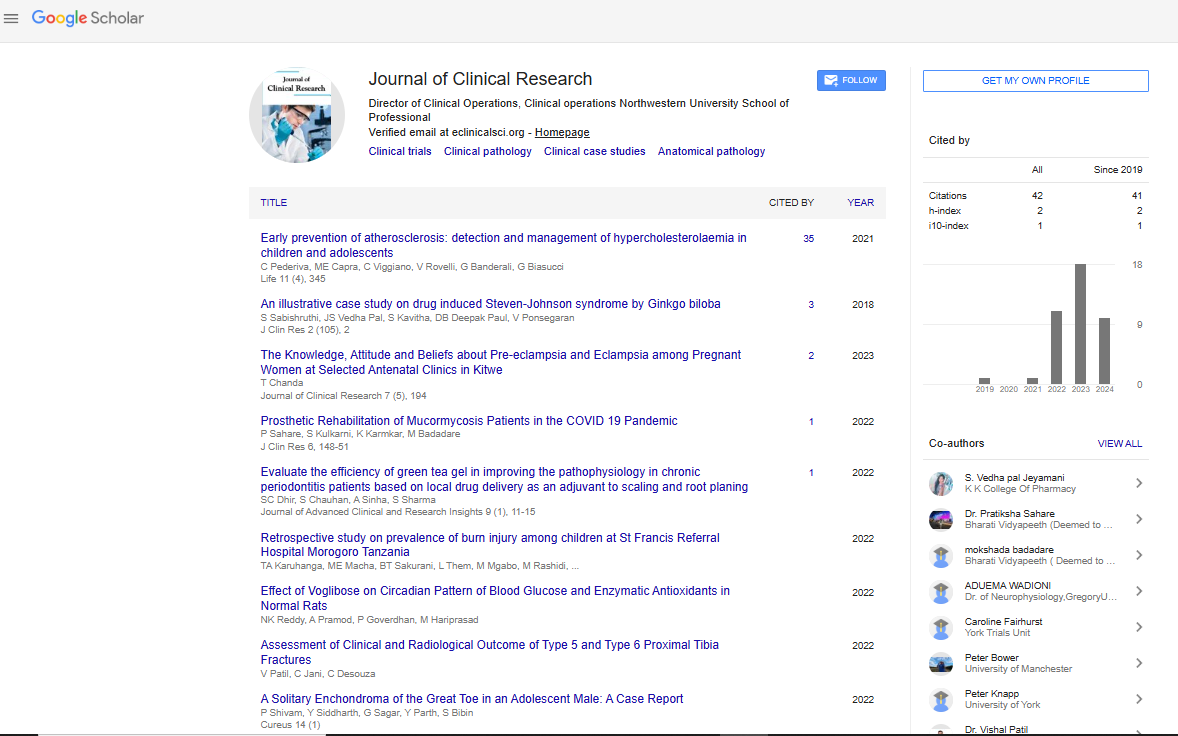
Journal of Clinical Research received 11 citations as per Google Scholar report