Opinion - (2025) Volume 14, Issue 4
Received: 01-Aug-2025, Manuscript No. jeom-26-188179;
Editor assigned: 04-Aug-2025, Pre QC No. P-188179;
Reviewed: 18-Aug-2025, QC No. Q-188179;
Revised: 22-Aug-2025, Manuscript No. R-188179;
Published:
29-Aug-2025
, DOI: 10.37421/2169-026X.2025.14.542
Citation: Laurent, Sophie. ”Leading Digital Transformation: Agility, Data, and Ethics.” J Entrepren Organiz Manag 14 (2025):542.
Copyright: © 2025 Laurent S. This is an open-access article distributed under the terms of the Creative Commons Attribution License, which permits unrestricted use, distribution and reproduction in any medium, provided the original author and source are credited.
Digital transformation is fundamentally reshaping organizational management, demanding new leadership styles and strategic approaches. It involves integrating digital technology into all areas of a business, leading to significant changes in how organizations operate and deliver value to customers. This shift necessitates agile structures, data-driven decision-making, and a culture that embraces continuous learning and innovation. Effective management in this era requires a focus on employee upskilling, cybersecurity, and the ethical implications of advanced technologies [1].
The strategic implementation of digital transformation is crucial for organizational competitiveness. It's not just about adopting new technologies but about rethinking business models, processes, and culture. Leadership plays a pivotal role in driving this change, fostering an environment that supports experimentation and adaptation. Organizations must consider the impact on their workforce, ensuring that skills align with evolving digital demands [2].
Organizational culture acts as a significant enabler or barrier to digital transformation. Cultivating a culture that values agility, collaboration, and a willingness to embrace change is paramount. Management must actively promote this cultural shift, empowering employees and fostering open communication about digital initiatives. Without this cultural foundation, technological investments are unlikely to yield their full potential [3].
Leadership in digital transformation requires a blend of visionary thinking and practical execution. Leaders must articulate a clear digital strategy, champion innovation, and be adept at managing the human element of change. This includes fostering trust, encouraging risk-taking, and ensuring that employees are equipped with the necessary skills to navigate the digital landscape. Their role is critical in aligning the organization towards its digital goals [4].
Agile methodologies are increasingly vital for managing digital transformation initiatives. Their iterative and flexible nature allows organizations to adapt quickly to changing market demands and technological advancements. Effective implementation involves empowering cross-functional teams and fostering a culture of continuous improvement. This approach moves away from traditional, rigid management structures towards more dynamic and responsive ways of working [5].
Data-driven decision-making is a cornerstone of effective organizational management in the digital age. Leveraging analytics and insights derived from data allows for more informed strategic choices, improved operational efficiency, and a better understanding of customer needs. This requires robust data infrastructure, analytical capabilities, and a management team that prioritizes evidence-based strategies [6].
The impact of digital transformation on employee engagement and well-being is a critical consideration for organizational management. While digital tools can enhance flexibility and collaboration, they also introduce challenges such as information overload and the blurring of work-life boundaries. Management must focus on creating a supportive digital work environment that prioritizes employee well-being and fosters a sense of connection [7].
Innovation management is intrinsically linked to digital transformation. Organizations must foster an innovative mindset and establish processes that encourage the development and adoption of new digital solutions. This includes creating spaces for experimentation, learning from failures, and continuously seeking opportunities to leverage digital technologies for competitive advantage [8].
Cybersecurity is no longer a purely IT concern but a fundamental aspect of organizational management in the digital age. Digital transformation expands the attack surface, making robust cybersecurity strategies and proactive risk management essential. Leadership must ensure that cybersecurity is integrated into all digital initiatives and that employees are trained to be vigilant [9].
The ethical considerations of digital transformation are increasingly important for responsible organizational management. As organizations adopt AI, big data, and automation, they must grapple with issues of data privacy, algorithmic bias, and the societal impact of their digital activities. Establishing clear ethical guidelines and fostering a culture of ethical awareness is crucial [10].
Digital transformation is fundamentally reshaping organizational management, demanding new leadership styles and strategic approaches. It involves integrating digital technology into all areas of a business, leading to significant changes in how organizations operate and deliver value to customers. This shift necessitates agile structures, data-driven decision-making, and a culture that embraces continuous learning and innovation. Effective management in this era requires a focus on employee upskilling, cybersecurity, and the ethical implications of advanced technologies [1].
The strategic implementation of digital transformation is crucial for organizational competitiveness. It's not just about adopting new technologies but about rethinking business models, processes, and culture. Leadership plays a pivotal role in driving this change, fostering an environment that supports experimentation and adaptation. Organizations must consider the impact on their workforce, ensuring that skills align with evolving digital demands [2].
Organizational culture acts as a significant enabler or barrier to digital transformation. Cultivating a culture that values agility, collaboration, and a willingness to embrace change is paramount. Management must actively promote this cultural shift, empowering employees and fostering open communication about digital initiatives. Without this cultural foundation, technological investments are unlikely to yield their full potential [3].
Leadership in digital transformation requires a blend of visionary thinking and practical execution. Leaders must articulate a clear digital strategy, champion innovation, and be adept at managing the human element of change. This includes fostering trust, encouraging risk-taking, and ensuring that employees are equipped with the necessary skills to navigate the digital landscape. Their role is critical in aligning the organization towards its digital goals [4].
Agile methodologies are increasingly vital for managing digital transformation initiatives. Their iterative and flexible nature allows organizations to adapt quickly to changing market demands and technological advancements. Effective implementation involves empowering cross-functional teams and fostering a culture of continuous improvement. This approach moves away from traditional, rigid management structures towards more dynamic and responsive ways of working [5].
Data-driven decision-making is a cornerstone of effective organizational management in the digital age. Leveraging analytics and insights derived from data allows for more informed strategic choices, improved operational efficiency, and a better understanding of customer needs. This requires robust data infrastructure, analytical capabilities, and a management team that prioritizes evidence-based strategies [6].
The impact of digital transformation on employee engagement and well-being is a critical consideration for organizational management. While digital tools can enhance flexibility and collaboration, they also introduce challenges such as information overload and the blurring of work-life boundaries. Management must focus on creating a supportive digital work environment that prioritizes employee well-being and fosters a sense of connection [7].
Innovation management is intrinsically linked to digital transformation. Organizations must foster an innovative mindset and establish processes that encourage the development and adoption of new digital solutions. This includes creating spaces for experimentation, learning from failures, and continuously seeking opportunities to leverage digital technologies for competitive advantage [8].
Cybersecurity is no longer a purely IT concern but a fundamental aspect of organizational management in the digital age. Digital transformation expands the attack surface, making robust cybersecurity strategies and proactive risk management essential. Leadership must ensure that cybersecurity is integrated into all digital initiatives and that employees are trained to be vigilant [9].
The ethical considerations of digital transformation are increasingly important for responsible organizational management. As organizations adopt AI, big data, and automation, they must grapple with issues of data privacy, algorithmic bias, and the societal impact of their digital activities. Establishing clear ethical guidelines and fostering a culture of ethical awareness is crucial [10].
Digital transformation is profoundly altering organizational management, necessitating new leadership approaches and strategies. This transformation involves integrating digital technologies across all business functions, leading to significant shifts in operations and value delivery. Key to this evolution are agile structures, data-informed decisions, and a culture of continuous learning and innovation. Effective leadership in this era must prioritize employee upskilling, robust cybersecurity, and the ethical deployment of advanced technologies. Rethinking business models, processes, and culture is as vital as technology adoption, with leadership playing a crucial role in fostering an experimental environment. Organizational culture is a critical factor, requiring agility and collaboration. Agile methodologies are essential for adapting to market changes, while data-driven decision-making enhances strategic choices and efficiency. Employee well-being and engagement are paramount, as is managing the challenges introduced by digital tools. Innovation management is directly tied to digital transformation, requiring a mindset that embraces new solutions and learns from failures. Cybersecurity has become a core management concern, demanding integrated strategies. Finally, ethical considerations, including data privacy and algorithmic bias, are critical for responsible digital transformation.
None
None
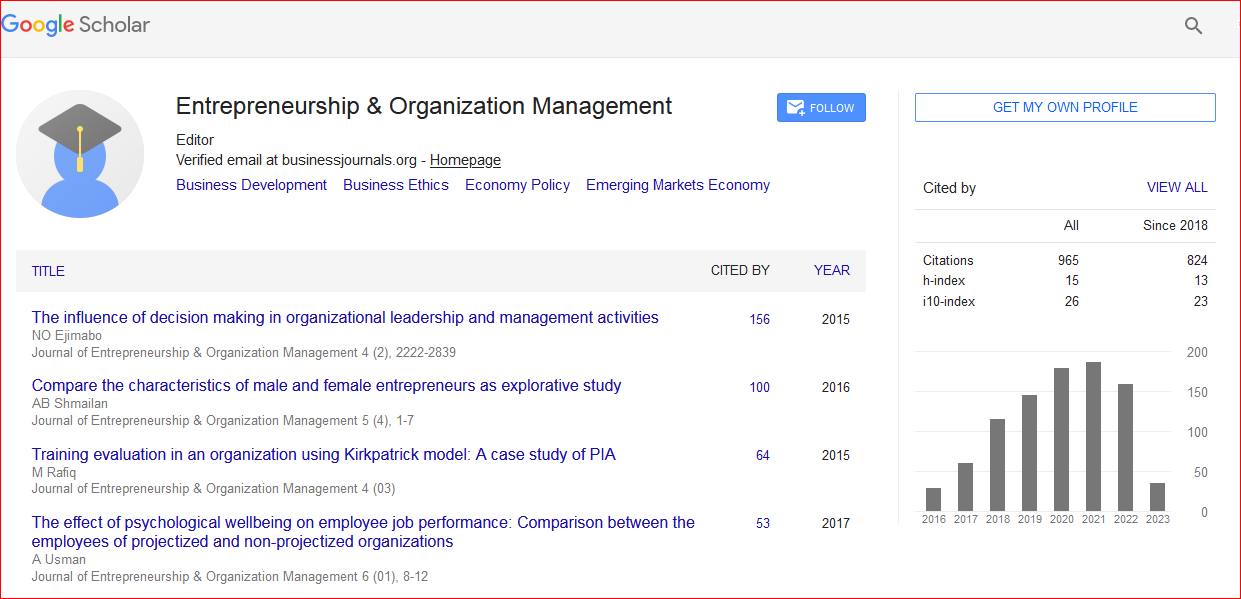
Entrepreneurship & Organization Management received 1115 citations as per Google Scholar report