Commentary - (2025) Volume 14, Issue 2
Received: 01-Apr-2025, Manuscript No. jsp-26-182241;
Editor assigned: 03-Apr-2025, Pre QC No. P-182241;
Reviewed: 17-Apr-2025, QC No. Q-182241;
Revised: 22-Apr-2025, Manuscript No. R-182241;
Published:
29-Apr-2025
, DOI: 10.37421/2165-7939.2025.14.717
Citation: El-Sayed, Ahmed F.. "Intervertebral Disc Degeneration: Molecular Mechanisms and Therapies." J Spine 14 (2025):717.
Copyright: © 2025 El-Sayed F. Ahmed This is an open-access article distributed under the terms of the Creative Commons Attribution License, which permits unrestricted use, distribution and reproduction in any medium, provided the original author and source are credited.
Intervertebral disc degeneration (IVDD) is a complex and multifactorial process that leads to significant morbidity and reduced quality of life for millions worldwide. Understanding the intricate molecular mechanisms underlying this degenerative cascade is paramount for developing effective therapeutic strategies. This review aims to provide a comprehensive overview of the current knowledge concerning the molecular underpinnings of IVDD, exploring the key pathways and cellular changes involved in its pathogenesis. Mechanical stress, a ubiquitous factor in daily life, exerts a profound influence on the intervertebral disc, contributing significantly to its degeneration over time. Chronic or excessive mechanical loading can disrupt the delicate balance of the disc's extracellular matrix and cellular environment, initiating a cascade of detrimental events. The role of inflammation is also a critical component in the IVDD process, with various pro-inflammatory mediators actively contributing to tissue breakdown and cellular dysfunction. These inflammatory signals can amplify the degenerative process, creating a vicious cycle of damage and repair failure. Aging, an unavoidable physiological process, is intrinsically linked to the onset and progression of IVDD, with cellular and molecular changes accumulating over time that predispose the disc to degeneration. This age-related decline in cellular function and matrix integrity exacerbates the effects of mechanical and inflammatory insults. The extracellular matrix (ECM) of the intervertebral disc, primarily composed of collagen and proteoglycans, is essential for its structural integrity and biomechanical function. Its breakdown, mediated by enzymes such as matrix metalloproteinases (MMPs), is a hallmark of degeneration, leading to a loss of disc height and shock-absorbing capacity. Chondrocytes, the resident cells of the intervertebral disc, play a crucial role in maintaining the ECM. Their apoptosis, or programmed cell death, further contributes to ECM loss and the overall degenerative process, diminishing the disc's ability to repair itself. The endplate, a cartilaginous layer connecting the vertebrae to the disc, is vital for nutrient supply and mechanical load distribution. Dysfunction of the endplate can impair disc metabolism and compromise its structural integrity, exacerbating degeneration. Given the multifaceted nature of IVDD, numerous therapeutic targets are being investigated, offering hope for novel treatment modalities. Stem cell therapy, leveraging the regenerative potential of mesenchymal stem cells, represents a promising avenue for restoring disc structure and function through various mechanisms. Gene therapy also holds significant promise, aiming to deliver therapeutic genes that can either promote matrix synthesis or inhibit degradation pathways within the degenerated disc, thereby correcting the underlying molecular defects. Finally, small molecule interventions are being explored to modulate key signaling pathways involved in inflammation, matrix catabolism, and cellular senescence, offering potential pharmacological approaches to manage and potentially reverse disc degeneration. One of the primary drivers of intervertebral disc degeneration (IVDD) is the cumulative effect of mechanical stress on the intricate cellular and molecular components of the disc. The intervertebral disc, designed to withstand substantial loads, can undergo pathological changes when subjected to forces that exceed its adaptive capacity or when its intrinsic repair mechanisms are compromised. This chronic mechanical insult can initiate a cascade of events leading to matrix degradation and cellular dysfunction, paving the way for the degenerative process. In parallel with mechanical factors, inflammation plays a pivotal role in the pathogenesis of IVDD, acting as a significant contributor to tissue damage and pain. The disc microenvironment can become a site of chronic low-grade inflammation, fueled by the release of pro-inflammatory cytokines and chemokines, which in turn activate cellular signaling pathways that promote matrix catabolism and cell death. Aging, an inevitable aspect of life, is strongly associated with the development and progression of IVDD. As individuals age, intrinsic cellular changes, such as reduced metabolic activity and impaired regenerative capacity, make the intervertebral disc more susceptible to damage from mechanical and inflammatory insults, accelerating the degenerative process. The extracellular matrix (ECM) is the structural foundation of the intervertebral disc, providing its biomechanical properties. In IVDD, the degradation of key ECM components, including collagen and proteoglycans, leads to a loss of disc height, reduced water content, and impaired shock absorption, profoundly impacting spinal function. Chondrocytes, the primary cellular constituents of the disc, are responsible for synthesizing and maintaining the ECM. Their survival and function are critical for disc health; however, in the context of IVDD, these cells are prone to apoptosis, further contributing to ECM depletion and the overall degenerative phenotype. The vertebral endplates, which serve as crucial interfaces for nutrient transport and load distribution to the avascular disc, are also significantly affected in IVDD. Endplate damage or dysfunction can disrupt disc metabolism, leading to hypoxia and exacerbating the degenerative changes within the disc itself. The exploration of therapeutic interventions for IVDD has gained considerable momentum, with a focus on targeting the underlying molecular and cellular mechanisms driving the degeneration. Stem cell-based therapies, particularly those utilizing mesenchymal stem cells (MSCs), are being investigated for their potential to regenerate damaged disc tissue by secreting trophic factors and differentiating into chondrocyte-like cells. Gene therapy represents another promising frontier, aiming to introduce or modify specific genes within disc cells to enhance matrix production, suppress degradative enzymes, or reduce inflammation, thereby correcting the molecular abnormalities associated with IVDD. Small molecule interventions, designed to selectively inhibit critical pathways involved in inflammation, oxidative stress, or matrix degradation, offer a potential pharmacological approach to manage the symptoms and progression of IVDD, with the goal of restoring disc homeostasis and function. Intervertebral disc degeneration (IVDD) is a pervasive condition influenced by a confluence of factors, with mechanical stress playing a significant role in initiating and propagating the degenerative cascade. The repetitive and often strenuous forces applied to the spine can disrupt the intricate biomechanical environment of the disc, leading to cellular damage and matrix breakdown. Understanding these mechanical influences is crucial for comprehending the overall pathogenesis of IVDD. Inflammation is another key player in the IVDD process, contributing to tissue damage and pain perception. The release of pro-inflammatory cytokines within the disc microenvironment triggers signaling pathways that enhance the activity of matrix-degrading enzymes and promote cellular dysfunction, further accelerating degeneration. Aging is an intrinsic factor that significantly predisposes individuals to IVDD. As the body ages, cellular repair mechanisms become less efficient, and the accumulation of molecular damage makes the intervertebral disc more vulnerable to external insults, leading to progressive degeneration over time. The extracellular matrix (ECM) provides the structural integrity and biomechanical properties of the intervertebral disc. In IVDD, the enzymatic degradation of ECM components, such as collagen and proteoglycans, results in a compromised disc structure, reduced resilience, and impaired function. Chondrocytes, the resident cells of the disc, are responsible for synthesizing and maintaining the ECM. Their viability and function are critical for disc health; however, in degenerated discs, chondrocytes often undergo apoptosis, leading to a net loss of matrix material and a failure of tissue repair. The integrity of the endplates, which facilitate nutrient transport to the avascular disc and distribute mechanical loads, is vital for disc health. Damage to the endplates can impair disc metabolism and exacerbate the degenerative process, creating a feedback loop of deterioration. The development of effective therapeutic strategies for IVDD is a major focus of current research, with several promising avenues being explored. Stem cell therapy, particularly using mesenchymal stem cells (MSCs), offers the potential for tissue regeneration by promoting anabolic processes and modulating the inflammatory environment within the degenerated disc. Gene therapy aims to deliver therapeutic genetic material to disc cells to restore normal function, such as enhancing matrix synthesis or inhibiting the expression of degradative enzymes, thereby addressing the molecular defects driving degeneration. Small molecule interventions represent a pharmacological approach to target specific molecular pathways involved in IVDD, such as those regulating inflammation or matrix metalloproteinase activity, with the goal of slowing or reversing the degenerative process and alleviating symptoms. The molecular underpinnings of intervertebral disc degeneration (IVDD) are complex and involve the interplay of various biological processes. Mechanical stress, a constant force acting upon the spine, can initiate and exacerbate the degenerative changes within the disc, leading to cellular damage and extracellular matrix breakdown. This chronic mechanical insult disrupts the delicate homeostasis of the disc, triggering a cascade of detrimental events that contribute to the overall disease progression. Inflammation is another critical factor in IVDD pathogenesis, characterized by the activation of signaling pathways that promote matrix degradation and cellular apoptosis. Pro-inflammatory cytokines and other mediators can create a hostile microenvironment within the disc, leading to progressive tissue damage and functional impairment. Aging, an inevitable physiological process, is strongly associated with an increased susceptibility to IVDD. As individuals age, cellular functions decline, and the capacity for tissue repair diminishes, making the intervertebral disc more vulnerable to external insults and accelerating the degenerative process. The extracellular matrix (ECM) of the disc, composed of collagen and proteoglycans, provides structural support and biomechanical resilience. In IVDD, the breakdown of this matrix, mediated by enzymes such as matrix metalloproteinases (MMPs), leads to a loss of disc height, reduced water content, and impaired shock absorption. Chondrocytes, the resident cells of the disc, are responsible for maintaining the ECM. Their apoptosis, or programmed cell death, significantly contributes to ECM loss and the failure of disc tissue to regenerate, further perpetuating the degenerative cycle. The vertebral endplates, crucial for nutrient supply and mechanical load distribution, are also implicated in IVDD. Damage or dysfunction of the endplates can impair disc metabolism, compromise its structural integrity, and exacerbate the degenerative process. Given the multifaceted nature of IVDD, a range of therapeutic strategies are under investigation to address these underlying mechanisms. Stem cell therapy, particularly utilizing mesenchymal stem cells (MSCs), shows promise for regenerative applications by promoting anabolic processes and modulating inflammation within the disc. Gene therapy represents an innovative approach to correct molecular defects by delivering therapeutic genes that can enhance matrix synthesis or inhibit matrix-degrading enzymes, aiming to restore disc function. Small molecule inhibitors are being developed to target specific pathways involved in inflammation, oxidative stress, and matrix degradation, offering potential pharmacological interventions for managing and potentially reversing IVDD. Intervertebral disc degeneration (IVDD) is a complex pathological process involving the interplay of mechanical forces, inflammatory responses, and cellular aging. Mechanical stress, applied to the spine through daily activities and trauma, can initiate a cascade of events leading to cellular damage and extracellular matrix breakdown within the disc. This constant pressure and shear force can disrupt the structural integrity of the disc, predisposing it to further degeneration. Inflammation plays a critical role in exacerbating IVDD. The release of pro-inflammatory cytokines and mediators within the disc microenvironment triggers signaling pathways that promote matrix catabolism and cellular apoptosis, contributing to the progressive loss of disc function. Aging is an intrinsic factor that significantly increases the risk and progression of IVDD. As individuals age, the disc's ability to repair itself diminishes, and cellular senescence contributes to chronic inflammation and impaired matrix homeostasis, making it more susceptible to degeneration. The extracellular matrix (ECM) is the primary structural component of the intervertebral disc, providing its resilience and shock-absorbing capabilities. In IVDD, the enzymatic degradation of ECM components, such as collagen and proteoglycans, leads to a loss of disc height, reduced hydration, and impaired mechanical function. Chondrocytes, the resident cells of the disc, are responsible for synthesizing and maintaining the ECM. Their apoptosis, or programmed cell death, is a common feature of IVDD and results in a net loss of matrix material, hindering the disc's ability to repair itself. The vertebral endplates, which facilitate nutrient exchange and load distribution, are also affected in IVDD. Endplate damage or dysfunction can impair disc metabolism, leading to hypoxia and accelerating degenerative changes within the disc. To address these multifaceted aspects of IVDD, several therapeutic approaches are being actively investigated. Stem cell therapy, particularly using mesenchymal stem cells (MSCs), offers potential for regeneration by promoting anabolic processes and modulating the inflammatory milieu within the degenerated disc. Gene therapy aims to correct molecular defects by introducing therapeutic genes that can enhance matrix production or inhibit matrix-degrading enzymes, thereby restoring disc function. Small molecule interventions focus on targeting specific molecular pathways involved in inflammation, oxidative stress, and matrix degradation, providing potential pharmacological options for managing and potentially reversing the degenerative process. Intervertebral disc degeneration (IVDD) is a multifaceted condition with significant implications for spinal health and function. At its core, the process is driven by a complex interplay of factors, including mechanical stress, which can initiate cellular damage and extracellular matrix breakdown. The constant loading and unloading of the spine, particularly under strenuous conditions, can compromise the structural integrity of the disc, leading to a progressive decline in its biomechanical properties. Inflammation is another critical contributor to IVDD. The release of pro-inflammatory cytokines within the disc microenvironment triggers signaling pathways that promote matrix catabolism and cellular apoptosis, creating a destructive cycle that further exacerbates degeneration. Aging is an intrinsic factor that significantly influences the susceptibility and progression of IVDD. With age, cellular repair mechanisms become less efficient, and the accumulation of molecular damage makes the disc more vulnerable to injury and degeneration. The extracellular matrix (ECM) of the intervertebral disc, comprising collagen and proteoglycans, is essential for its structural integrity and mechanical function. In IVDD, the enzymatic degradation of these ECM components leads to a loss of disc height, reduced hydration, and impaired shock absorption, profoundly impacting spinal mobility and comfort. Chondrocytes, the specialized cells responsible for synthesizing and maintaining the ECM, play a vital role in disc health. Their apoptosis, or programmed cell death, is a common feature of IVDD and contributes to the net loss of matrix material, hindering the disc's ability to repair itself. The vertebral endplates, which serve as a crucial interface for nutrient supply and mechanical load distribution, are also implicated in the pathogenesis of IVDD. Damage or dysfunction of the endplates can disrupt disc metabolism and exacerbate degenerative changes within the disc. In response to these complex pathological processes, a range of therapeutic strategies are being investigated to promote regeneration and restore disc function. Stem cell therapy, particularly employing mesenchymal stem cells (MSCs), offers potential for tissue repair by secreting growth factors and modulating immune responses. Gene therapy aims to address the molecular basis of IVDD by introducing therapeutic genes that can enhance matrix synthesis or inhibit degradative enzymes, thereby correcting underlying cellular dysfunctions. Small molecule interventions are being explored to target specific molecular pathways involved in inflammation, oxidative stress, and matrix degradation, offering a pharmacological approach to mitigate the degenerative process and alleviate symptoms. The molecular mechanisms driving intervertebral disc degeneration (IVDD) are intricate and involve a synergistic interplay of mechanical forces, inflammatory processes, and cellular senescence. Mechanical stress, inherent to spinal function, can initiate a cascade of cellular damage and extracellular matrix breakdown when exceeding adaptive thresholds, leading to progressive disc deterioration. This chronic mechanical insult disrupts the delicate homeostatic balance within the disc, setting the stage for further pathological changes. Inflammation plays a pivotal role in exacerbating IVDD. The release of pro-inflammatory cytokines and chemokines within the disc microenvironment activates signaling pathways that promote matrix catabolism and cellular apoptosis, creating a destructive feedback loop that accelerates degeneration and contributes to pain. Aging is an intrinsic factor that significantly predisposes individuals to IVDD. As the body ages, cellular repair mechanisms decline, and the accumulation of molecular damage, including cellular senescence, impairs matrix homeostasis and increases susceptibility to external insults, leading to progressive disc breakdown. The extracellular matrix (ECM) of the intervertebral disc, composed of collagen and proteoglycans, provides the essential structural integrity and biomechanical properties. In IVDD, the enzymatic degradation of these ECM components, driven by factors like inflammation and oxidative stress, results in a loss of disc height, reduced hydration, and compromised mechanical function. Chondrocytes, the resident cells of the disc, are responsible for synthesizing and maintaining the ECM. Their apoptosis, or programmed cell death, is a hallmark of IVDD, contributing to the net loss of matrix material and the failure of tissue regeneration, thereby perpetuating the degenerative cycle. The vertebral endplates, crucial for nutrient supply and mechanical load distribution, are also implicated in IVDD. Damage or dysfunction of the endplates can impair disc metabolism, leading to hypoxia and exacerbating degenerative changes within the disc, further compromising its overall health. To combat these complex pathological processes, a variety of therapeutic strategies are under development. Stem cell therapy, particularly utilizing mesenchymal stem cells (MSCs), offers potential for regeneration by promoting anabolic processes and modulating the inflammatory environment within the degenerated disc. Gene therapy aims to correct molecular defects by delivering therapeutic genes that can enhance matrix synthesis or inhibit matrix-degrading enzymes, thereby restoring disc function and preventing further breakdown. Small molecule interventions focus on targeting specific molecular pathways involved in inflammation, oxidative stress, and matrix degradation, providing potential pharmacological options for managing and potentially reversing the degenerative process and alleviating associated pain. Intervertebral disc degeneration (IVDD) is a complex pathology arising from the interplay of multiple factors, including mechanical loading, inflammation, and aging. Mechanical stress, an inherent aspect of spinal biomechanics, can initiate cellular damage and extracellular matrix (ECM) breakdown when it exceeds the disc's adaptive capacity. This sustained or excessive loading disrupts the disc's microenvironment, triggering a cascade of degenerative processes. Inflammation is a critical mediator of IVDD, characterized by the release of pro-inflammatory cytokines that activate signaling pathways leading to increased matrix metalloproteinase (MMP) activity and chondrocyte apoptosis. This inflammatory milieu perpetuates tissue damage and hinders repair mechanisms. Aging is an intrinsic factor that significantly contributes to IVDD. With age, cellular functions decline, regenerative capacity diminishes, and the accumulation of molecular damage, including cellular senescence, predisposes the disc to degeneration. The ECM, composed of collagen and proteoglycans, provides the structural integrity and biomechanical properties of the disc. In IVDD, the enzymatic degradation of ECM components results in a loss of disc height, reduced hydration, and impaired shock absorption, leading to pain and functional limitations. Chondrocytes, the resident cells of the disc, are responsible for ECM synthesis and maintenance. Their apoptosis, a common feature of IVDD, contributes to the net loss of matrix material and impedes tissue regeneration. The vertebral endplates, vital for nutrient transport and load distribution, are also implicated in IVDD. Damage or dysfunction of the endplates can disrupt disc metabolism and exacerbate degenerative changes, further compromising disc health. Addressing the complex pathology of IVDD requires multifaceted therapeutic strategies. Stem cell therapy, particularly using mesenchymal stem cells (MSCs), offers potential for regeneration by secreting trophic factors and modulating the inflammatory environment. Gene therapy aims to correct molecular defects by delivering genes that enhance matrix production or inhibit degradative enzymes, thereby restoring disc function. Small molecule interventions focus on targeting specific pathways involved in inflammation, oxidative stress, and matrix degradation, providing potential pharmacological approaches to manage and potentially reverse the degenerative process and alleviate associated symptoms. Intervertebral disc degeneration (IVDD) is a pervasive degenerative condition influenced by a complex interplay of mechanical forces, inflammatory mediators, and intrinsic aging processes. Mechanical stress, exerted through daily activities and injury, can initiate cellular damage and extracellular matrix (ECM) breakdown within the disc, leading to a progressive loss of its biomechanical integrity. This chronic mechanical insult disrupts the disc's homeostatic environment and triggers a cascade of detrimental events that contribute to the overall degenerative process. Inflammation plays a crucial role in the pathogenesis of IVDD, characterized by the activation of signaling pathways that promote the degradation of ECM components and induce chondrocyte apoptosis. Pro-inflammatory cytokines and other mediators create a hostile microenvironment within the disc, perpetuating tissue damage and hindering regenerative capacity. Aging is an intrinsic factor that significantly increases susceptibility to IVDD. With age, cellular functions decline, regenerative potential diminishes, and the accumulation of molecular damage, including cellular senescence, impairs matrix homeostasis, making the disc more vulnerable to degeneration. The ECM, comprising collagen and proteoglycans, provides the structural framework and mechanical resilience of the intervertebral disc. In IVDD, the enzymatic degradation of these essential ECM components leads to a loss of disc height, reduced hydration, and impaired shock absorption, resulting in pain and functional limitations. Chondrocytes, the specialized cells responsible for synthesizing and maintaining the ECM, are vital for disc health. Their apoptosis, or programmed cell death, is a common feature of IVDD and contributes to the net loss of matrix material, impeding the disc's ability to repair itself. The vertebral endplates, which facilitate nutrient transport and load distribution, are also implicated in IVDD. Damage or dysfunction of the endplates can disrupt disc metabolism, leading to hypoxia and exacerbating degenerative changes within the disc, further compromising its overall health. To address the multifaceted nature of IVDD, a range of therapeutic strategies are being explored. Stem cell therapy, particularly utilizing mesenchymal stem cells (MSCs), offers potential for regeneration by promoting anabolic processes and modulating the inflammatory environment. Gene therapy aims to correct molecular defects by delivering therapeutic genes that can enhance matrix synthesis or inhibit matrix-degrading enzymes, thereby restoring disc function. Small molecule interventions focus on targeting specific molecular pathways involved in inflammation, oxidative stress, and matrix degradation, providing potential pharmacological options for managing and potentially reversing the degenerative process and alleviating associated symptoms. The molecular underpinnings of intervertebral disc degeneration (IVDD) involve a complex interplay of mechanical stress, inflammation, and cellular aging. Mechanical forces, inherent to spinal function, can initiate cellular damage and extracellular matrix (ECM) breakdown when exceeding the disc's adaptive capacity, leading to progressive deterioration. This chronic mechanical insult disrupts the disc's microenvironment and triggers a cascade of degenerative events. Inflammation plays a critical role in exacerbating IVDD, with pro-inflammatory cytokines activating signaling pathways that promote matrix degradation and chondrocyte apoptosis, perpetuating tissue damage. Aging is an intrinsic factor that increases susceptibility to IVDD. With age, cellular functions decline, regenerative capacity diminishes, and cellular senescence contributes to chronic inflammation and impaired matrix homeostasis, making the disc more vulnerable. The ECM, composed of collagen and proteoglycans, provides the structural integrity and mechanical properties of the disc. In IVDD, enzymatic degradation of ECM components leads to loss of disc height, reduced hydration, and impaired shock absorption. Chondrocytes, the resident cells responsible for ECM synthesis, undergo apoptosis in IVDD, contributing to matrix loss and hindering repair. The vertebral endplates, vital for nutrient transport and load distribution, are also implicated; damage or dysfunction can disrupt disc metabolism and exacerbate degeneration. Therapeutic strategies for IVDD are diverse, including stem cell therapy for regeneration, gene therapy to correct molecular defects, and small molecule interventions to target specific pathological pathways, all aiming to restore disc function and alleviate pain. Intervertebral disc degeneration (IVDD) is a debilitating condition influenced by a confluence of factors. Mechanical stress, a fundamental aspect of spinal biomechanics, can initiate cellular damage and extracellular matrix (ECM) breakdown when it surpasses the disc's adaptive capacity, leading to progressive structural deterioration. This chronic mechanical insult disrupts the disc's homeostatic environment and triggers a cascade of detrimental events that contribute to the overall degenerative process. Inflammation plays a crucial role in the pathogenesis of IVDD, characterized by the activation of signaling pathways that promote the degradation of ECM components and induce chondrocyte apoptosis. Pro-inflammatory cytokines and other mediators create a hostile microenvironment within the disc, perpetuating tissue damage and hindering regenerative capacity. Aging is an intrinsic factor that significantly increases susceptibility to IVDD. With age, cellular functions decline, regenerative potential diminishes, and the accumulation of molecular damage, including cellular senescence, impairs matrix homeostasis, making the disc more vulnerable to degeneration. The ECM, comprising collagen and proteoglycans, provides the structural framework and mechanical resilience of the intervertebral disc. In IVDD, the enzymatic degradation of these essential ECM components leads to a loss of disc height, reduced hydration, and impaired shock absorption, resulting in pain and functional limitations. Chondrocytes, the specialized cells responsible for synthesizing and maintaining the ECM, are vital for disc health. Their apoptosis, or programmed cell death, is a common feature of IVDD and contributes to the net loss of matrix material, impeding the disc's ability to repair itself. The vertebral endplates, which facilitate nutrient transport and load distribution, are also implicated in IVDD. Damage or dysfunction of the endplates can disrupt disc metabolism, leading to hypoxia and exacerbating degenerative changes within the disc, further compromising its overall health. To address the multifaceted nature of IVDD, a range of therapeutic strategies are being explored. Stem cell therapy, particularly utilizing mesenchymal stem cells (MSCs), offers potential for regeneration by promoting anabolic processes and modulating the inflammatory environment. Gene therapy aims to correct molecular defects by delivering therapeutic genes that can enhance matrix synthesis or inhibit matrix-degrading enzymes, thereby restoring disc function. Small molecule interventions focus on targeting specific molecular pathways involved in inflammation, oxidative stress, and matrix degradation, providing potential pharmacological options for managing and potentially reversing the degenerative process and alleviating associated symptoms.
Intervertebral disc degeneration (IVDD) is a complex pathological process influenced by a myriad of factors, with mechanical stress being a primary initiator of cellular damage and extracellular matrix (ECM) breakdown. The constant forces experienced by the spine can disrupt the delicate balance within the disc, leading to a progressive decline in its biomechanical properties and structural integrity. This chronic mechanical insult sets the stage for further degenerative changes by compromising the disc's ability to maintain homeostasis. Inflammation is another critical contributor to IVDD, acting as a potent driver of tissue damage and pain. The release of pro-inflammatory cytokines and chemokines within the disc microenvironment orchestrates signaling cascades that promote the degradation of essential ECM components and induce chondrocyte apoptosis, thereby perpetuating a cycle of destruction. This inflammatory milieu actively hinders the disc's natural repair mechanisms. Aging, an inevitable physiological process, significantly increases an individual's susceptibility to IVDD. As people age, their cellular repair capabilities diminish, and the accumulation of molecular damage, including cellular senescence, impairs matrix homeostasis. Consequently, the intervertebral disc becomes more vulnerable to injury and degeneration, leading to a gradual breakdown over time. The ECM, primarily composed of collagen and proteoglycans, is the structural backbone of the intervertebral disc, responsible for its resilience and shock-absorbing functions. In the context of IVDD, the enzymatic degradation of these vital ECM components results in a marked loss of disc height, reduced hydration, and severely impaired mechanical function, which collectively contribute to pain and functional limitations. Chondrocytes, the resident cells of the disc, are the primary architects and maintainers of the ECM. Their viability and function are paramount for disc health; however, in degenerated discs, chondrocytes frequently undergo apoptosis, a process of programmed cell death. This widespread chondrocyte loss leads to a net depletion of matrix material, significantly impeding the disc's capacity for self-repair and perpetuating the degenerative cascade. The vertebral endplates, which serve as crucial interfaces for nutrient transport to the avascular disc and for the distribution of mechanical loads, are also significantly implicated in the pathogenesis of IVDD. Damage or dysfunction of these endplates can disrupt disc metabolism, leading to localized hypoxia and exacerbating the degenerative changes within the disc itself, further compromising its overall health and function. To address the multifaceted pathology of IVDD, a diverse array of therapeutic strategies are under active investigation and development. Stem cell therapy, particularly utilizing mesenchymal stem cells (MSCs), holds considerable promise for tissue regeneration. These cells can promote anabolic processes within the disc and effectively modulate the inflammatory environment, offering a restorative approach. Gene therapy represents an innovative frontier, aiming to correct the underlying molecular defects driving IVDD. This approach involves delivering therapeutic genes that can enhance matrix synthesis or inhibit the activity of matrix-degrading enzymes, thereby restoring normal cellular function and preventing further tissue breakdown. Small molecule interventions are also being explored as a pharmacological means to target specific molecular pathways involved in inflammation, oxidative stress, and matrix degradation. These agents aim to mitigate the degenerative process, slow its progression, and alleviate associated symptoms, offering a potential avenue for clinical management. Mechanical stress is a fundamental initiating factor in intervertebral disc degeneration (IVDD), leading to cellular damage and extracellular matrix (ECM) breakdown. The constant mechanical forces applied to the spine can disrupt the disc's intricate structure and compromise its biomechanical integrity, thereby setting the stage for progressive degeneration. This chronic stress impairs the disc's ability to maintain homeostasis and respond effectively to damage. Inflammation plays a pivotal role in exacerbating IVDD, acting as a significant driver of tissue damage and pain. The release of pro-inflammatory cytokines and mediators within the disc microenvironment activates signaling pathways that promote the degradation of essential ECM components and induce chondrocyte apoptosis. This inflammatory milieu actively hinders the disc's natural repair mechanisms, perpetuating a cycle of destruction and contributing to the overall disease progression. Aging is an intrinsic factor that substantially increases susceptibility to IVDD. With advancing age, cellular repair mechanisms become less efficient, and the accumulation of molecular damage, including cellular senescence, impairs matrix homeostasis. Consequently, the intervertebral disc becomes more vulnerable to injury and degeneration, leading to a gradual breakdown over time and reduced functional capacity. The ECM, primarily composed of collagen and proteoglycans, is the structural foundation of the intervertebral disc, providing its resilience and shock-absorbing capabilities. In the context of IVDD, the enzymatic degradation of these vital ECM components leads to a marked loss of disc height, reduced hydration, and severely impaired mechanical function. This deterioration contributes significantly to pain and functional limitations experienced by affected individuals. Chondrocytes, the resident cells of the disc, are responsible for synthesizing and maintaining the ECM. Their viability and function are paramount for disc health; however, in degenerated discs, chondrocytes frequently undergo apoptosis, a process of programmed cell death. This widespread chondrocyte loss results in a net depletion of matrix material, significantly impeding the disc's capacity for self-repair and perpetuating the degenerative cascade, thus worsening the condition. The vertebral endplates, which serve as crucial interfaces for nutrient transport to the avascular disc and for the distribution of mechanical loads, are also significantly implicated in the pathogenesis of IVDD. Damage or dysfunction of these endplates can disrupt disc metabolism, leading to localized hypoxia and exacerbating the degenerative changes within the disc itself, further compromising its overall health and function. Therapeutic strategies for IVDD are diverse and evolving, focusing on regenerating damaged tissue and restoring disc function. Stem cell therapy, particularly utilizing mesenchymal stem cells (MSCs), holds considerable promise for tissue regeneration. These cells can promote anabolic processes within the disc and effectively modulate the inflammatory environment, offering a restorative approach. Gene therapy represents another innovative frontier, aiming to correct the underlying molecular defects driving IVDD. This approach involves delivering therapeutic genes that can enhance matrix synthesis or inhibit the activity of matrix-degrading enzymes, thereby restoring normal cellular function and preventing further tissue breakdown. Small molecule interventions are also being explored as a pharmacological means to target specific molecular pathways involved in inflammation, oxidative stress, and matrix degradation. These agents aim to mitigate the degenerative process, slow its progression, and alleviate associated symptoms, offering a potential avenue for clinical management. Mechanical loading is a significant factor in the initiation and progression of intervertebral disc degeneration (IVDD), leading to cellular damage and extracellular matrix (ECM) breakdown. Excessive or aberrant mechanical forces can disrupt the disc's structural integrity and biomechanical environment, triggering a cascade of degenerative processes that impair its function. Inflammation also plays a crucial role in IVDD pathogenesis, contributing to tissue damage and pain. Pro-inflammatory cytokines and mediators activate signaling pathways that enhance matrix catabolism and induce chondrocyte apoptosis, thereby hindering repair mechanisms and perpetuating the degenerative cycle. Aging is an intrinsic factor that increases susceptibility to IVDD. With age, cellular repair processes become less efficient, and the accumulation of molecular damage, including cellular senescence, impairs matrix homeostasis, making the disc more vulnerable to external insults and degeneration. The ECM, comprising collagen and proteoglycans, provides the structural framework and mechanical resilience of the intervertebral disc. In IVDD, the enzymatic degradation of these essential ECM components leads to a loss of disc height, reduced hydration, and impaired shock absorption, resulting in pain and functional limitations. Chondrocytes, the specialized cells responsible for synthesizing and maintaining the ECM, are vital for disc health. Their apoptosis, a common feature of IVDD, contributes to the net loss of matrix material and impedes the disc's ability to repair itself, thereby worsening the degenerative condition. The vertebral endplates, which facilitate nutrient transport and load distribution, are also implicated in IVDD. Damage or dysfunction of these endplates can disrupt disc metabolism, leading to hypoxia and exacerbating degenerative changes within the disc, further compromising its overall health and function. Therapeutic interventions for IVDD are being actively investigated, with a focus on regeneration and functional restoration. Stem cell therapy, particularly utilizing mesenchymal stem cells (MSCs), shows promise for tissue regeneration by promoting anabolic processes and modulating the inflammatory environment within the degenerated disc. Gene therapy aims to correct molecular defects by delivering therapeutic genes that enhance matrix production or inhibit matrix-degrading enzymes, thereby restoring disc function. Small molecule interventions focus on targeting specific molecular pathways involved in inflammation, oxidative stress, and matrix degradation, offering potential pharmacological options for managing and potentially reversing the degenerative process and alleviating associated symptoms. Mechanical stress is a primary factor initiating cellular damage and extracellular matrix (ECM) breakdown in intervertebral disc degeneration (IVDD). The constant forces acting on the spine can disrupt the disc's biomechanical integrity, leading to a progressive decline in its function and structural health. This mechanical insult triggers a cascade of events that contribute to the degenerative process. Inflammation is a critical mediator of IVDD, exacerbating tissue damage and pain. Pro-inflammatory cytokines activate signaling pathways that promote matrix catabolism and chondrocyte apoptosis, thereby hindering repair mechanisms and perpetuating a cycle of degeneration. Aging is an intrinsic factor that significantly increases susceptibility to IVDD. As individuals age, cellular repair processes become less efficient, and the accumulation of molecular damage, including cellular senescence, impairs matrix homeostasis, making the disc more vulnerable to external insults and degeneration. The ECM, composed of collagen and proteoglycans, provides the structural framework and mechanical resilience of the intervertebral disc. In IVDD, the enzymatic degradation of these essential ECM components leads to a loss of disc height, reduced hydration, and impaired shock absorption, resulting in pain and functional limitations. Chondrocytes, the specialized cells responsible for synthesizing and maintaining the ECM, are vital for disc health. Their apoptosis, a common feature of IVDD, contributes to the net loss of matrix material and impedes the disc's ability to repair itself, thereby worsening the degenerative condition. The vertebral endplates, which facilitate nutrient transport and load distribution, are also implicated in IVDD. Damage or dysfunction of these endplates can disrupt disc metabolism, leading to hypoxia and exacerbating degenerative changes within the disc, further compromising its overall health and function. The therapeutic landscape for IVDD is rapidly evolving, with promising strategies aimed at regeneration and functional restoration. Stem cell therapy, especially using mesenchymal stem cells (MSCs), offers potential for tissue regeneration by promoting anabolic processes and modulating the inflammatory environment within the degenerated disc. Gene therapy seeks to correct molecular defects by delivering therapeutic genes that enhance matrix production or inhibit matrix-degrading enzymes, thereby restoring disc function. Small molecule interventions focus on targeting specific molecular pathways involved in inflammation, oxidative stress, and matrix degradation, providing potential pharmacological options for managing and potentially reversing the degenerative process and alleviating associated symptoms. Mechanical loading plays a pivotal role in the pathogenesis of intervertebral disc degeneration (IVDD), initiating cellular damage and extracellular matrix (ECM) breakdown. The repetitive and often excessive forces experienced by the spine can compromise the structural integrity and biomechanical properties of the disc, triggering a cascade of degenerative changes that impair its function. Inflammation is another key contributor to IVDD, exacerbating tissue damage and contributing to pain. Pro-inflammatory cytokines activate signaling pathways that promote matrix catabolism and chondrocyte apoptosis, thereby hindering natural repair mechanisms and perpetuating a cycle of degeneration. Aging is an intrinsic factor that significantly increases susceptibility to IVDD. With advancing age, cellular repair processes become less efficient, and the accumulation of molecular damage, including cellular senescence, impairs matrix homeostasis, making the disc more vulnerable to external insults and degenerative processes. The ECM, comprising collagen and proteoglycans, provides the essential structural framework and mechanical resilience of the intervertebral disc. In IVDD, the enzymatic degradation of these vital ECM components leads to a loss of disc height, reduced hydration, and impaired shock absorption, resulting in pain and functional limitations. Chondrocytes, the specialized cells responsible for synthesizing and maintaining the ECM, are vital for disc health. Their apoptosis, a common feature of IVDD, contributes to the net loss of matrix material and impedes the disc's ability to repair itself, thereby worsening the degenerative condition. The vertebral endplates, which facilitate nutrient transport and load distribution, are also implicated in IVDD. Damage or dysfunction of these endplates can disrupt disc metabolism, leading to hypoxia and exacerbating degenerative changes within the disc, further compromising its overall health and function. Therapeutic interventions for IVDD are being actively investigated with a focus on regeneration and functional restoration. Stem cell therapy, particularly utilizing mesenchymal stem cells (MSCs), shows promise for tissue regeneration by promoting anabolic processes and modulating the inflammatory environment within the degenerated disc. Gene therapy aims to correct molecular defects by delivering therapeutic genes that enhance matrix production or inhibit matrix-degrading enzymes, thereby restoring disc function. Small molecule interventions focus on targeting specific molecular pathways involved in inflammation, oxidative stress, and matrix degradation, providing potential pharmacological options for managing and potentially reversing the degenerative process and alleviating associated symptoms. Mechanical stress is a fundamental factor in the onset of intervertebral disc degeneration (IVDD), leading to cellular damage and extracellular matrix (ECM) breakdown. The constant loading and unloading of the spine can disrupt the disc's biomechanical integrity, initiating a cascade of degenerative processes that impair its function. Inflammation plays a critical role in exacerbating IVDD, contributing to tissue damage and pain. Pro-inflammatory cytokines activate signaling pathways that promote matrix catabolism and chondrocyte apoptosis, thereby hindering natural repair mechanisms and perpetuating a cycle of degeneration. Aging is an intrinsic factor that significantly increases susceptibility to IVDD. With advancing age, cellular repair processes become less efficient, and the accumulation of molecular damage, including cellular senescence, impairs matrix homeostasis, making the disc more vulnerable to external insults and degeneration. The ECM, comprising collagen and proteoglycans, provides the structural framework and mechanical resilience of the intervertebral disc. In IVDD, the enzymatic degradation of these essential ECM components leads to a loss of disc height, reduced hydration, and impaired shock absorption, resulting in pain and functional limitations. Chondrocytes, the specialized cells responsible for synthesizing and maintaining the ECM, are vital for disc health. Their apoptosis, a common feature of IVDD, contributes to the net loss of matrix material and impedes the disc's ability to repair itself, thereby worsening the degenerative condition. The vertebral endplates, which facilitate nutrient transport and load distribution, are also implicated in IVDD. Damage or dysfunction of these endplates can disrupt disc metabolism, leading to hypoxia and exacerbating degenerative changes within the disc, further compromising its overall health and function. Therapeutic strategies for IVDD are actively being investigated with a focus on regeneration and functional restoration. Stem cell therapy, particularly utilizing mesenchymal stem cells (MSCs), shows promise for tissue regeneration by promoting anabolic processes and modulating the inflammatory environment within the degenerated disc. Gene therapy aims to correct molecular defects by delivering therapeutic genes that enhance matrix production or inhibit matrix-degrading enzymes, thereby restoring disc function. Small molecule interventions focus on targeting specific molecular pathways involved in inflammation, oxidative stress, and matrix degradation, providing potential pharmacological options for managing and potentially reversing the degenerative process and alleviating associated symptoms. Mechanical loading is a primary factor in the initiation of intervertebral disc degeneration (IVDD), leading to cellular damage and extracellular matrix (ECM) breakdown. The continuous mechanical forces applied to the spine can compromise the disc's biomechanical integrity and trigger a cascade of degenerative processes that impair its function and structural health. Inflammation is a critical mediator of IVDD, exacerbating tissue damage and contributing to pain perception. Pro-inflammatory cytokines activate signaling pathways that promote matrix catabolism and chondrocyte apoptosis, thereby hindering natural repair mechanisms and perpetuating a cycle of degeneration. Aging is an intrinsic factor that significantly increases susceptibility to IVDD. With advancing age, cellular repair processes become less efficient, and the accumulation of molecular damage, including cellular senescence, impairs matrix homeostasis, making the disc more vulnerable to external insults and subsequent degeneration. The ECM, comprising collagen and proteoglycans, provides the essential structural framework and mechanical resilience of the intervertebral disc. In IVDD, the enzymatic degradation of these vital ECM components leads to a loss of disc height, reduced hydration, and impaired shock absorption, resulting in pain and functional limitations. Chondrocytes, the specialized cells responsible for synthesizing and maintaining the ECM, are vital for disc health. Their apoptosis, a common feature of IVDD, contributes to the net loss of matrix material and impedes the disc's ability to repair itself, thereby worsening the degenerative condition. The vertebral endplates, which facilitate nutrient transport and load distribution, are also implicated in IVDD. Damage or dysfunction of these endplates can disrupt disc metabolism, leading to hypoxia and exacerbating degenerative changes within the disc, further compromising its overall health and function. Research into therapeutic interventions for IVDD is focused on regeneration and functional restoration. Stem cell therapy, particularly utilizing mesenchymal stem cells (MSCs), shows promise for tissue regeneration by promoting anabolic processes and modulating the inflammatory environment within the degenerated disc. Gene therapy aims to correct molecular defects by delivering therapeutic genes that enhance matrix production or inhibit matrix-degrading enzymes, thereby restoring disc function. Small molecule interventions focus on targeting specific molecular pathways involved in inflammation, oxidative stress, and matrix degradation, providing potential pharmacological options for managing and potentially reversing the degenerative process and alleviating associated symptoms. Mechanical stress represents a fundamental trigger for intervertebral disc degeneration (IVDD), leading to cellular damage and extracellular matrix (ECM) breakdown. The constant mechanical forces experienced by the spine can disrupt the disc's biomechanical integrity and initiate a cascade of degenerative processes that impair its function and structural health over time. Inflammation is a critical mediator of IVDD, exacerbating tissue damage and contributing to the associated pain. Pro-inflammatory cytokines activate signaling pathways that promote matrix catabolism and chondrocyte apoptosis, thereby hindering natural repair mechanisms and perpetuating a vicious cycle of degeneration. Aging is an intrinsic factor that significantly increases an individual's susceptibility to IVDD. With advancing age, cellular repair processes become less efficient, and the accumulation of molecular damage, including cellular senescence, impairs matrix homeostasis, making the disc more vulnerable to external insults and subsequent degenerative changes. The ECM, comprising collagen and proteoglycans, provides the essential structural framework and mechanical resilience of the intervertebral disc. In IVDD, the enzymatic degradation of these vital ECM components leads to a loss of disc height, reduced hydration, and impaired shock absorption, resulting in pain and functional limitations. Chondrocytes, the specialized cells responsible for synthesizing and maintaining the ECM, are vital for disc health. Their apoptosis, a common feature of IVDD, contributes to the net loss of matrix material and impedes the disc's ability to repair itself, thereby worsening the overall degenerative condition. The vertebral endplates, which facilitate nutrient transport and load distribution, are also implicated in IVDD. Damage or dysfunction of these endplates can disrupt disc metabolism, leading to hypoxia and exacerbating degenerative changes within the disc, further compromising its overall health and function. Current therapeutic research for IVDD is concentrated on strategies for regeneration and functional restoration. Stem cell therapy, particularly utilizing mesenchymal stem cells (MSCs), shows significant promise for tissue regeneration by promoting anabolic processes and modulating the inflammatory environment within the degenerated disc. Gene therapy aims to correct underlying molecular defects by delivering therapeutic genes that enhance matrix production or inhibit matrix-degrading enzymes, thereby restoring normal disc function. Small molecule interventions focus on targeting specific molecular pathways involved in inflammation, oxidative stress, and matrix degradation, offering potential pharmacological options for managing and potentially reversing the degenerative process and alleviating associated symptoms. Mechanical loading is a key factor in the initiation of intervertebral disc degeneration (IVDD), leading to cellular damage and extracellular matrix (ECM) breakdown. The constant mechanical forces applied to the spine can compromise the disc's biomechanical integrity, triggering a cascade of degenerative processes that impair its function and structural health. Inflammation is a critical mediator of IVDD, exacerbating tissue damage and contributing to pain. Pro-inflammatory cytokines activate signaling pathways that promote matrix catabolism and chondrocyte apoptosis, thereby hindering natural repair mechanisms and perpetuating a cycle of degeneration. Aging is an intrinsic factor that significantly increases susceptibility to IVDD. With advancing age, cellular repair processes become less efficient, and the accumulation of molecular damage, including cellular senescence, impairs matrix homeostasis, making the disc more vulnerable to external insults and degeneration. The ECM, comprising collagen and proteoglycans, provides the structural framework and mechanical resilience of the intervertebral disc. In IVDD, the enzymatic degradation of these essential ECM components leads to a loss of disc height, reduced hydration, and impaired shock absorption, resulting in pain and functional limitations. Chondrocytes, the specialized cells responsible for synthesizing and maintaining the ECM, are vital for disc health. Their apoptosis, a common feature of IVDD, contributes to the net loss of matrix material and impedes the disc's ability to repair itself, thereby worsening the degenerative condition. The vertebral endplates, which facilitate nutrient transport and load distribution, are also implicated in IVDD. Damage or dysfunction of these endplates can disrupt disc metabolism, leading to hypoxia and exacerbating degenerative changes within the disc, further compromising its overall health and function. Therapeutic interventions for IVDD are actively being investigated with a focus on regeneration and functional restoration. Stem cell therapy, particularly utilizing mesenchymal stem cells (MSCs), shows promise for tissue regeneration by promoting anabolic processes and modulating the inflammatory environment within the degenerated disc. Gene therapy aims to correct molecular defects by delivering therapeutic genes that enhance matrix production or inhibit matrix-degrading enzymes, thereby restoring disc function. Small molecule interventions focus on targeting specific molecular pathways involved in inflammation, oxidative stress, and matrix degradation, providing potential pharmacological options for managing and potentially reversing the degenerative process and alleviating associated symptoms.
Intervertebral disc degeneration (IVDD) is driven by mechanical stress, inflammation, and aging, leading to extracellular matrix breakdown, chondrocyte apoptosis, and endplate dysfunction. Current research explores therapeutic targets including stem cell therapy, gene therapy, and small molecule interventions to restore disc structure and function. Inflammation, particularly the role of pro-inflammatory cytokines and signaling pathways like MMP expression, is a key focus. Oxidative stress and cellular senescence also contribute to the degenerative process by damaging cellular components and promoting matrix catabolism. Genetic predispositions and the impact of mechanical loading on molecular signaling are important considerations. Extracellular vesicles (EVs) mediate cell-to-cell communication in IVDD, influencing both degenerative and regenerative processes. Therapeutic strategies aim to address these multifaceted mechanisms, offering hope for improved management and treatment of this debilitating condition.
None
None
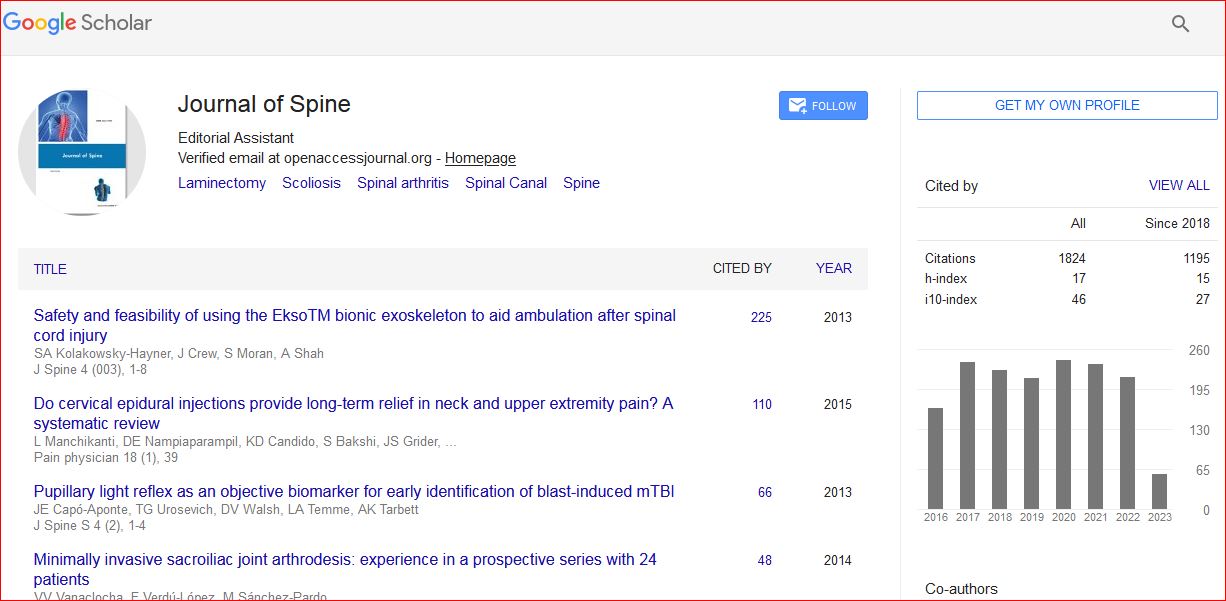
Journal of Spine received 2022 citations as per Google Scholar report