Short Communication - (2025) Volume 14, Issue 6
Received: 31-Oct-2025, Manuscript No. jio-26-184842;
Editor assigned: 03-Nov-2025, Pre QC No. P-184842;
Reviewed: 17-Nov-2025, QC No. Q-184842;
Revised: 21-Nov-2025, Manuscript No. R-184842;
Published:
28-Nov-2025
, DOI: DOI: 10.37421/2329-6771.2025.14.591
Citation: Silva, Helena. ”Integrative Oncology: Enhancing Wellbeing, Managing Side Effects.” J Integr Onco 14 (2025):591.
Copyright: © 2025 Silva H. This is an open-access article distributed under the terms of the Creative Commons Attribution License, which permits unrestricted use, distribution and reproduction in any medium, provided the original author and source are credited.
Managing long-term treatment side effects in oncology is a critical aspect of patient care, aiming to enhance quality of life and treatment adherence. Integrative methods, which combine conventional medical treatments with complementary therapies, present a promising avenue for achieving these goals. These approaches often involve tailored nutritional support, mind-body practices such as mindfulness and yoga, acupuncture, and targeted exercise regimens, all personalized to the individual patient's needs. The overarching objective is to effectively mitigate common symptoms like fatigue, pain, nausea, and anxiety, while concurrently fostering overall patient well-being. Evidence increasingly suggests that these integrated methods can significantly bolster coping mechanisms, alleviate the burden of treatment-related symptoms, and ultimately contribute to improved long-term health outcomes for cancer survivors [1].
Fatigue stands out as a pervasive and debilitating long-term side effect experienced by many cancer patients, profoundly impacting their daily functioning and overall quality of life. Integrative interventions are being actively explored as effective strategies to manage this persistent symptom. These interventions frequently include tailored exercise programs, mindfulness-based stress reduction techniques, and specialized nutritional counseling. Research has begun to indicate that personalized exercise plans can lead to notable improvements in energy levels and a reduction in the severity of fatigue. Similarly, mind-body techniques show considerable potential in assisting patients to better cope with fatigue by addressing underlying psychological distress and promoting relaxation. Therefore, a multidisciplinary approach, incorporating these various elements, is recognized as key to effectively managing cancer-related fatigue [2].
Pain management for cancer survivors often necessitates a multimodal strategy, wherein integrative therapies play a crucial supportive role. Acupuncture, for instance, has demonstrated considerable efficacy in reducing chronic pain, including cancer-related pain, through its ability to modulate pain pathways and influence the release of neurotransmitters within the body. Concurrently, mind-body interventions, such as yoga and meditation, can empower patients to better manage their perception of pain and enhance their psychological well-being. These practices collectively contribute to a more positive overall pain experience and can reduce the reliance on opioid analgesics, thereby minimizing the risks associated with long-term opioid use [3].
Nausea and vomiting represent common and highly distressing side effects frequently associated with chemotherapy and radiation therapies. Integrative approaches, including the use of ginger supplementation and acupuncture, have emerged as promising adjuncts for alleviating these challenging symptoms. Ginger, owing to its inherent anti-inflammatory and antiemetic properties, can serve as an effective complementary therapy. Acupuncture, particularly through stimulation of the P6 acupoint, has also been recognized for its ability to significantly reduce the incidence and severity of chemotherapy-induced nausea. These non-pharmacological methods offer a valuable means of providing relief without introducing the additional side effects that can accompany conventional antiemetic medications [4].
Psychological distress, encompassing anxiety and depression, frequently accompanies individuals during the long-term survivorship phase following cancer treatment. Integrative oncology places a significant emphasis on the utilization of mind-body practices as a means to support and enhance mental health among these patients. Techniques such as mindfulness, meditation, yoga, and tai chi are particularly effective in helping patients manage stress, improve their capacity for emotional regulation, and cultivate a greater sense of overall well-being. It is believed that these practices exert their beneficial effects by modulating the body's physiological stress response and fostering a more positive outlook, thereby playing a vital role in the cancer recovery process [5].
Nutrition is recognized as playing a pivotal role in supporting the recovery and well-being of cancer survivors, as well as in the effective management of treatment-related side effects. An integrative approach to cancer care often incorporates personalized dietary recommendations designed to address specific issues such as cachexia, persistent fatigue, and impaired immune function. The focus is typically placed on ensuring a balanced intake of both macronutrients and micronutrients, with careful consideration given to the inclusion of specific foods or supplements known for their anti-inflammatory or immune-boosting properties. Compelling evidence supports the notion that optimal nutrition can significantly aid in the recovery process, enhance energy levels, and contribute to improved overall health outcomes [6].
Sleep disturbances are a frequently encountered long-term consequence of cancer treatment, often contributing significantly to increased fatigue and a diminished quality of life for survivors. Integrative interventions are increasingly being employed to address these sleep-related problems, with cognitive behavioral therapy for insomnia (CBT-I) and various relaxation techniques showing particular promise. Furthermore, practices such as mindfulness and gentle forms of exercise have also demonstrated beneficial effects in improving sleep quality among cancer survivors. The primary aim of these strategies is to help regulate natural sleep-wake cycles and to mitigate the disruptive impact that stress and anxiety can have on sleep patterns [7].
Cardiotoxicity, a potential consequence of various cancer therapies, can lead to long-term cardiovascular complications. While conventional medical management remains the cornerstone of treatment, lifestyle modifications and complementary therapies adopted within an integrative framework can significantly support cardiovascular health. Regular physical activity, carefully tailored to the individual's capacity and tolerance, is paramount for improving cardiac function and reducing modifiable risk factors. Similarly, dietary interventions that emphasize heart-healthy foods can play a substantial role. These integrative strategies are designed to bolster cardiovascular resilience and mitigate the late-onset effects of cancer treatment [8].
Neuropathy, especially peripheral neuropathy, is a common and often persistent side effect arising from neurotoxic cancer treatments, such as certain chemotherapies. Integrative approaches in this context focus on both effective symptom management and the promotion of improved nerve function. Acupuncture has been extensively investigated for its potential to alleviate neuropathic pain and enhance sensory function. Additionally, mind-body practices like mindfulness and gentle exercises may assist patients in coping with the sensory disturbances and psychological impacts associated with neuropathy. Nutritional support, particularly the inclusion of B vitamins and antioxidants, is also considered beneficial for nerve health [9].
Cognitive impairment, frequently referred to as 'chemo-brain,' can manifest as a long-lasting side effect impacting crucial cognitive functions such as memory, attention, and executive function. Integrative strategies are being developed to support cognitive rehabilitation in these patients. These interventions include physical exercise, which has shown demonstrable positive effects on cognitive performance in cancer survivors, and mind-body practices like meditation, which may help improve attention spans and reduce the subjective perception of cognitive deficits. Nutritional interventions aimed at supporting brain health also form an integral component of this comprehensive therapeutic approach [10].
The management of long-term side effects in oncology is paramount for improving patient quality of life and adherence to therapy. Integrative methods, which combine conventional medical care with complementary therapies, offer promising strategies for addressing these challenges. This approach often involves tailored nutritional support, mind-body practices like mindfulness and yoga, acupuncture, and exercise, all personalized to individual patient needs. The overarching aim is to mitigate common symptoms such as fatigue, pain, nausea, and anxiety, while simultaneously supporting overall well-being. Growing evidence suggests these methods can enhance coping mechanisms, reduce the burden of treatment, and contribute to better long-term outcomes for cancer survivors [1].
Fatigue represents a pervasive long-term side effect of cancer treatment that significantly impacts daily functioning and quality of life. Integrative interventions, including exercise, mindfulness-based stress reduction, and nutritional counseling, are being explored to manage this debilitating symptom. Research indicates that personalized exercise programs can improve energy levels and reduce fatigue severity. Mind-body techniques also show potential in helping patients cope with fatigue by addressing psychological distress and promoting relaxation. A multidisciplinary approach is essential for effectively managing cancer-related fatigue [2].
Pain management in survivors of cancer often requires a multimodal strategy, with integrative therapies playing a crucial supportive role. Acupuncture, for example, has demonstrated efficacy in reducing chronic pain, including cancer-related pain, by modulating pain pathways and influencing neurotransmitter release. Mind-body interventions such as yoga and meditation can also help patients manage pain perception and improve psychological well-being, thus contributing to a better overall pain experience and potentially reducing reliance on opioid analgesics [3].
Nausea and vomiting are common and distressing side effects of chemotherapy and radiation. Integrative approaches, such as ginger supplementation and acupuncture, have shown promise in alleviating these symptoms. Ginger, with its anti-inflammatory and antiemetic properties, can be an effective adjunct therapy. Acupuncture, specifically acupressure at the P6 point, has also been recognized for its ability to reduce chemotherapy-induced nausea. These complementary methods can offer relief without the additional side effects often associated with antiemetic medications [4].
Psychological distress, including anxiety and depression, frequently accompanies long-term cancer survivorship. Integrative oncology emphasizes the use of mind-body practices to support mental health. Techniques such as mindfulness, meditation, yoga, and tai chi can help patients manage stress, improve emotional regulation, and foster a sense of well-being. These practices are thought to work by modulating the body's stress response and promoting a more positive outlook, thereby aiding in the recovery process [5].
Nutrition plays a critical role in supporting cancer survivors and managing treatment side effects. An integrative approach often includes personalized dietary recommendations to address issues like cachexia, fatigue, and impaired immune function. Emphasis is placed on a balanced intake of macronutrients and micronutrients, with consideration for the use of specific foods or supplements known to have anti-inflammatory or immune-boosting properties. Evidence supports that optimal nutrition can aid in recovery, improve energy levels, and enhance overall health [6].
Sleep disturbances are a common long-term consequence of cancer treatment, contributing to fatigue and reduced quality of life. Integrative interventions, such as cognitive behavioral therapy for insomnia (CBT-I) and relaxation techniques, are increasingly used to address sleep problems. Mindfulness and gentle exercise have also shown benefit in improving sleep quality for cancer survivors. These strategies aim to regulate sleep-wake cycles and reduce the impact of stress and anxiety on sleep [7].
Cardiotoxicity from cancer therapies can lead to long-term cardiovascular complications. While conventional medical management is primary, lifestyle modifications and complementary therapies within an integrative framework can support cardiovascular health. Regular physical activity, tailored to individual capacity, is paramount for improving cardiac function and reducing risk factors. Dietary interventions focusing on heart-healthy foods can also play a significant role. These integrative strategies aim to enhance resilience and mitigate late effects [8].
Neuropathy, particularly peripheral neuropathy, is a common and often persistent side effect of neurotoxic cancer treatments like chemotherapy. Integrative approaches focus on symptom management and improving nerve function. Acupuncture has been investigated for its potential to alleviate neuropathic pain and improve sensory function. Mindfulness and gentle exercises may also help patients cope with the sensory and psychological impacts of neuropathy. Nutritional support, especially B vitamins and antioxidants, can be beneficial [9].
Cognitive impairment, often referred to as 'chemo-brain,' can be a long-lasting side effect affecting memory, attention, and executive function. Integrative strategies aim to support cognitive rehabilitation. This includes physical exercise, which has demonstrated positive effects on cognitive function in survivors, and mind-body practices like meditation, which may improve attention and reduce the perception of cognitive deficits. Nutritional interventions targeting brain health are also a component of this comprehensive approach [10].
Integrative oncology combines conventional care with complementary therapies to manage long-term cancer treatment side effects. These methods address issues such as fatigue, pain, nausea, anxiety, sleep disturbances, cardiotoxicity, neuropathy, and cognitive impairment. Key integrative strategies include nutritional support, mind-body practices like mindfulness and yoga, acupuncture, and tailored exercise programs. Evidence suggests these approaches improve patient quality of life, coping mechanisms, and overall well-being, while potentially reducing treatment burden and reliance on medications.
None
None
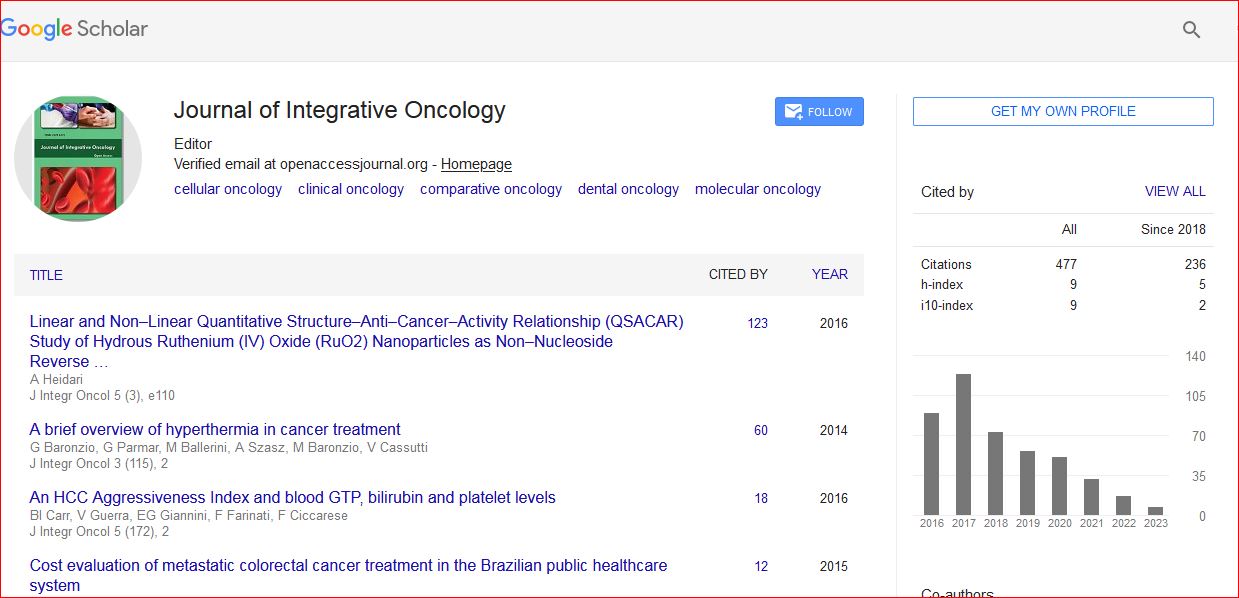
Journal of Integrative Oncology received 495 citations as per Google Scholar report