Short Communication - (2025) Volume 14, Issue 3
Received: 01-May-2025, Manuscript No. jio-26-184813;
Editor assigned: 05-May-2025, Pre QC No. P-184813;
Reviewed: 19-May-2025, QC No. Q-184813;
Revised: 22-May-2025, Manuscript No. R-184813;
Published:
29-May-2025
, DOI: DOI: 10.37421/2329-6771.2025.14.561
Citation: Mendes, Carla. ”Integrative Oncology: Enhancing Psychological Well-being In Cancer.” J Integr Onco 14 (2025):561.
Copyright: © 2025 Mendes C. This is an open-access article distributed under the terms of the Creative Commons Attribution License, which permits unrestricted use, distribution and reproduction in any medium, provided the original author and source are credited.
Integrative oncology programs are increasingly recognized for their profound positive influence on the psychological well-being of cancer patients. These programs skillfully blend traditional medical interventions with complementary therapies, aiming to alleviate the emotional and mental burdens associated with cancer. A primary benefit observed is the significant reduction in anxiety, depression, and general distress experienced by patients undergoing treatment. This multifaceted approach not only improves the quality of life but also cultivates more effective coping mechanisms, leading to higher overall satisfaction with the care received. Furthermore, the collaborative nature of these programs empowers patients, thereby lessening the psychological impact of a cancer diagnosis and its arduous treatment journey [1].
The application of mindfulness-based stress reduction (MBSR) within the oncology setting has demonstrated considerable efficacy in mitigating psychological distress. MBSR interventions are instrumental in decreasing levels of anxiety and depression, while concurrently fostering improved emotional regulation and resilience. This therapeutic modality aids patients in developing adaptive coping strategies, which are vital for maintaining a more positive psychological outlook throughout their treatment. By focusing on present moment awareness, MBSR helps patients to better manage the inherent stressors of cancer care and its associated treatments. Yoga therapy has emerged as a valuable complementary modality for enhancing the psychological outcomes for cancer patients. Research indicates its effectiveness in reducing prevalent symptoms such as fatigue and sleep disturbances, alongside psychological manifestations like depression and anxiety. The inherent physical and mental benefits of yoga contribute to an elevated sense of well-being, providing patients with a structured and accessible method for managing stress and promoting relaxation during a challenging period. Music therapy interventions have shown considerable promise in positively influencing the psychological state of cancer patients, particularly in managing associated pain, anxiety, and depression. The engagement with music offers a unique avenue for emotional expression, stress reduction, and mood enhancement. This non-pharmacological approach is instrumental in bolstering coping abilities and instilling a sense of comfort and personal control amidst the uncertainties of cancer treatment. Nutritional interventions, when integrated into oncology care, play a vital role in improving psychological outcomes by addressing the underlying physiological factors that affect mood and energy. By optimizing nutrient intake, these interventions can mitigate treatment-induced side effects such as fatigue and nausea, which indirectly contribute to alleviating psychological distress. This holistic perspective underscores the interconnectedness of physical health and mental well-being in the cancer patient's journey. The incorporation of mind-body therapies, including meditation and guided imagery, within integrative oncology frameworks has proven effective in diminishing symptoms of depression and anxiety in cancer patients. These techniques are designed to induce relaxation, heighten self-awareness, and strengthen emotional resilience. By cultivating a greater sense of calm and personal control, mind-body interventions significantly aid patients in their psychological adaptation to a cancer diagnosis and its demanding treatment regimen. Acupuncture, as an integral component of integrative oncology, offers promising relief for psychological symptoms such as anxiety and fatigue in cancer patients. By addressing physical discomfort and promoting a state of relaxation, acupuncture can indirectly enhance mood and reduce overall distress. This therapeutic modality serves as a valuable complementary option for managing the multifaceted emotional and physical challenges inherent in cancer care. Expressive arts therapy, which encompasses disciplines like visual arts, drama, and movement, represents a potent avenue for emotional processing and psychological healing for individuals facing cancer. These creative outlets provide patients with essential means to articulate complex emotions, mitigate stress, and cultivate a profound sense of connection. The integration of arts therapy demonstrably enhances coping strategies and fosters improved overall psychological well-being. Social support networks and group-based interventions within integrative oncology settings are critically important for bolstering psychological resilience. The opportunity for patients to connect with peers who share similar experiences effectively combats feelings of isolation and cultivates a strong sense of community. These programs facilitate the sharing of coping strategies and provide essential emotional validation, ultimately leading to better mental health outcomes. Integrative oncology programs that thoughtfully include patient navigation and psychoeducational components are strongly associated with enhanced psychological outcomes. Patient navigation serves to demystify the often-complex cancer journey, thereby reducing treatment-related anxiety, while psychoeducation equips patients with crucial knowledge and practical coping skills. This comprehensive strategy empowers patients to navigate the intricacies of cancer care with greater assurance and a diminished psychological burden [10].
The implementation of mindfulness-based stress reduction (MBSR) within cancer care settings has proven effective in significantly reducing psychological distress. MBSR interventions have been shown to lower anxiety and depression, while simultaneously enhancing emotional regulation and promoting resilience. This approach equips patients with adaptive coping strategies, contributing to a more positive psychological state throughout their treatment. It offers a structured way to manage the inherent stressors of cancer and its therapies. Yoga therapy stands out as a beneficial adjunctive therapy for improving the psychological well-being of cancer patients. Studies consistently highlight its efficacy in alleviating fatigue, sleep disturbances, and psychological symptoms such as depression and anxiety. The practice of yoga provides both physical and mental advantages, leading to an enhanced sense of well-being and offering patients a practical method for stress management. Music therapy interventions have yielded positive results in addressing the psychological state of cancer patients, particularly in managing pain, anxiety, and depression. Engaging with music provides a powerful outlet for emotional expression, stress reduction, and mood improvement. This therapeutic use of music offers a non-pharmacological means to enhance coping abilities and promote feelings of comfort and control. Nutritional interventions, when incorporated into integrative oncology care, contribute significantly to better psychological outcomes by addressing the physiological factors that influence mood and energy levels. By optimizing nutrition, these programs can reduce treatment-related side effects like fatigue and nausea, thereby indirectly easing psychological distress. This approach supports overall well-being and bolsters a patient's capacity to handle the demands of cancer treatment. Mind-body therapies, such as meditation and guided imagery, are integral to integrative oncology and are effective in reducing symptoms of depression and anxiety among cancer patients. These techniques foster relaxation, improve self-awareness, and enhance emotional resilience. By promoting a sense of calm and control, these interventions aid in the psychological adjustment to a cancer diagnosis and its treatment. Acupuncture, as a component of integrative oncology, shows considerable promise in alleviating psychological symptoms, including anxiety and fatigue, in cancer patients. By addressing physical discomfort and encouraging relaxation, acupuncture can indirectly improve mood and lessen overall distress. It provides a complementary option for managing the complex emotional and physical challenges of cancer. Expressive arts therapy, which includes visual arts, drama, and movement, serves as a potent tool for emotional processing and psychological healing in individuals with cancer. These creative modalities offer patients a means to express complex feelings, reduce stress, and develop a sense of connection. The use of arts therapy contributes to improved coping mechanisms and overall psychological health. Social support networks and group-based interventions within integrative oncology settings are crucial for enhancing psychological resilience. Connecting with peers who share similar experiences helps reduce feelings of isolation and fosters a strong sense of community. These programs promote shared coping strategies and offer emotional validation, leading to improved mental health outcomes. Integrative oncology programs that incorporate patient navigation and psychoeducational components are linked to better psychological outcomes. Patient navigation helps to clarify the cancer care process, reducing treatment-related anxiety, while psychoeducation empowers patients with knowledge and coping skills. This comprehensive approach enables patients to manage the complexities of cancer care more confidently and with less psychological burden [10].
Integrative oncology programs significantly improve the psychological well-being of cancer patients by combining conventional treatments with complementary therapies. These approaches effectively reduce anxiety, depression, and distress, leading to enhanced quality of life and coping mechanisms. Specific interventions like mindfulness-based stress reduction, yoga therapy, music therapy, mind-body techniques, acupuncture, and expressive arts therapy all contribute to alleviating psychological symptoms. Additionally, nutritional support, social networks, patient navigation, and psychoeducation play crucial roles in empowering patients and fostering resilience throughout their cancer journey. The holistic and multidisciplinary nature of integrative oncology is key to reducing the psychological burden associated with cancer.
None
None
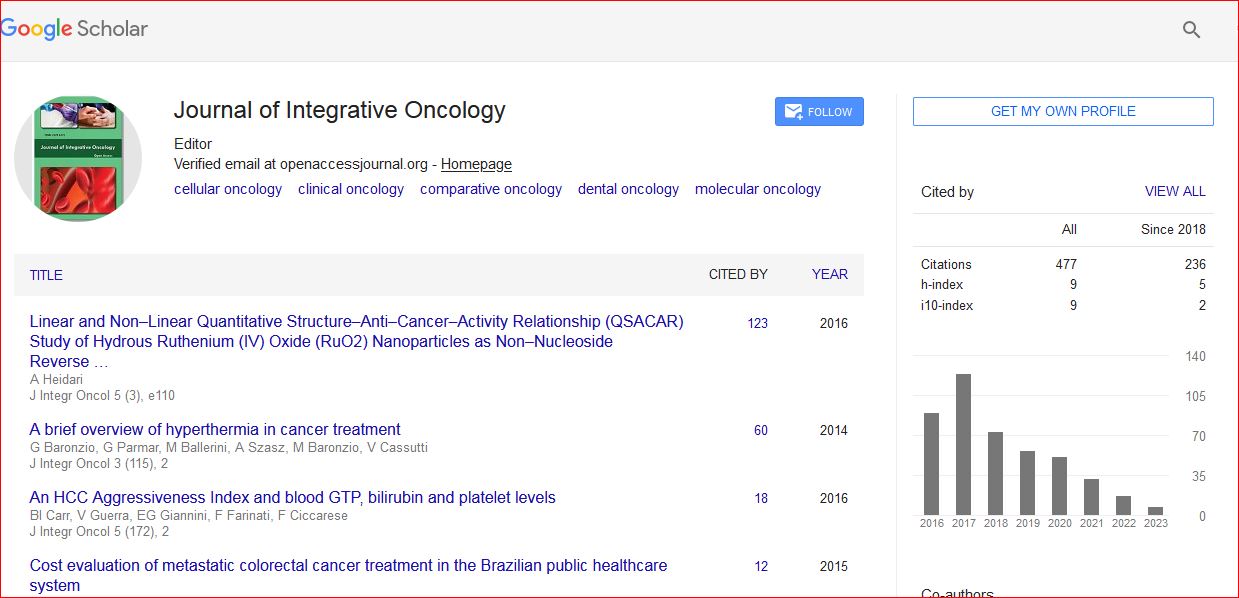
Journal of Integrative Oncology received 495 citations as per Google Scholar report