Short Communication - (2025) Volume 14, Issue 4
Received: 01-Jul-2025, Manuscript No. jio-26-184822;
Editor assigned: 03-Jul-2025, Pre QC No. P-184822;
Reviewed: 17-Jul-2025, QC No. Q-184822;
Revised: 22-Jul-2025, Manuscript No. R-184822;
Published:
29-Jul-2025
, DOI: 10.37421/2329-6771.2025.14.571
Citation: Lindstrom, Johan. ”Herbal Therapies for Chemotherapy Side Effects Management.” J Integr Onco 14 (2025):571.
Copyright: © 2025 Lindstrom J. This is an open-access article distributed under the terms of the Creative Commons Attribution License, which permits unrestricted use, distribution and reproduction in any medium, provided the original author and source are credited.
The management of chemotherapy-induced side effects remains a critical aspect of supportive cancer care, significantly impacting patient quality of life and treatment adherence. Among the various supportive strategies, herbal therapies have garnered increasing attention for their potential to alleviate common adverse events associated with cytotoxic treatments. This exploration delves into the evidence supporting the use of specific herbs for managing side effects such as nausea, vomiting, fatigue, and mucositis, highlighting their proposed mechanisms of action, safety profiles, and potential interactions with conventional therapies within the evolving landscape of integrative oncology. Clinicians require evidence-based guidance to safely and effectively incorporate these complementary approaches into patient care [1].
Chemotherapy-induced peripheral neuropathy (CIPN) is another debilitating side effect that can lead to dose reductions or treatment cessation. While conventional pharmacological interventions for CIPN are limited, complementary and alternative medicine (CAM) approaches, including the use of herbal therapies, are being investigated for their potential to manage this complex condition. This review synthesizes findings from clinical trials and observational studies, examining the efficacy and safety of specific botanicals and emphasizing the need for rigorous research to establish their role in CIPN management [2].
Chemotherapy-induced nausea and vomiting (CINV) are among the most common and distressing side effects of cancer treatment, significantly affecting a patient's well-being and ability to tolerate therapy. Ginger, a well-known botanical with antiemetic properties, has been studied for its efficacy in preventing and managing CINV. This study provides quantitative data on the effectiveness of ginger supplementation in reducing the severity and frequency of nausea and vomiting in patients with gynecologic cancers, contributing to the understanding of its therapeutic potential [3].
Cancer-related fatigue (CRF) is a pervasive and often overwhelming symptom experienced by a large proportion of cancer patients, impacting their daily functioning and overall quality of life. Ginseng, a group of adaptogenic herbs, has been explored for its potential to combat CRF. This paper reviews preclinical and clinical evidence suggesting that certain ginseng compounds may improve energy levels and reduce fatigue in cancer patients undergoing treatment, offering insights into its application as an adjunct therapy [4].
Chemotherapy-induced nausea, separate from vomiting, presents a significant challenge for patients undergoing cancer treatment. Peppermint oil, recognized for its gastrointestinal soothing properties, is being investigated for its potential to alleviate this specific side effect. This article examines the rationale behind its use, drawing from traditional medicine and early research, and discusses the importance of considering different administration methods and potential gastrointestinal effects [5].
Chemotherapy can often lead to a suppression of the immune system, rendering patients more susceptible to infections and potentially compromising treatment outcomes. Astragalus polysaccharides, components of the astragalus plant, are being studied for their immunomodulatory effects. This research investigates their potential to mitigate chemotherapy-induced immunosuppression and their implications for enhancing immune function in cancer patients undergoing chemotherapy, aiming to improve treatment outcomes [6].
Oral mucositis, characterized by inflammation and ulceration of the oral mucosa, is a painful and dose-limiting side effect of certain chemotherapy regimens and radiotherapy. Herbal remedies are being explored for their anti-inflammatory and wound-healing properties to manage this condition. This review critically assesses the evidence for using various herbal remedies, including chamomile, to manage chemotherapy-induced mucositis, discussing its potential as a topical or oral agent for symptom relief [7].
Beyond specific side effects, integrative approaches to cancer symptom management often consider practices that address multiple symptoms simultaneously. While not strictly herbal, acupuncture and moxibustion, traditional Chinese medicine techniques, are often employed alongside herbal therapies. This study explores their efficacy in managing chemotherapy-induced fatigue and pain, providing context for integrative approaches to symptom control [8].
Chemotherapy-induced diarrhea (CID) can range from mild to severe, leading to dehydration, electrolyte imbalances, and reduced quality of life. Identifying effective interventions is crucial for patient management. This systematic review evaluates the effectiveness of various botanical agents in managing CID, examining the available evidence for herbs with potential anti-diarrheal properties and highlighting the need for further clinical investigation [9].
As the use of herbal medicines in cancer care grows, ensuring patient safety is paramount. Potential drug interactions between herbal products and conventional chemotherapy agents, as well as the inherent safety profiles of these herbs, require careful consideration. This article provides an overview of the safety considerations and potential drug interactions when using herbal medicines alongside conventional cancer therapies, emphasizing the importance of a thorough patient history, evidence-based selection of herbs, and ongoing monitoring [10].
The role of herbal therapies in managing common chemotherapy-induced side effects, such as nausea, vomiting, fatigue, and mucositis, is a significant area of interest within integrative oncology. This article reviews the evidence for specific herbs, detailing their proposed mechanisms of action, established safety profiles, and the potential for drug interactions when used concurrently with conventional cancer treatments. The primary objective is to furnish clinicians with evidence-based guidance for the safe and effective integration of these complementary therapies into patient care protocols [1].
Complementary and alternative medicine (CAM) approaches, including the utilization of herbal therapies, are increasingly being investigated for their potential to manage chemotherapy-induced peripheral neuropathy (CIPN), a common and often distressing side effect. This review synthesizes findings derived from clinical trials and observational studies, offering a comprehensive examination of the efficacy and safety of various CAM modalities. It specifically discusses the potential benefits offered by certain botanicals and underscores the critical need for rigorous scientific research to definitively establish their role in the management of CIPN [2].
The efficacy of ginger in the prevention and management of chemotherapy-induced nausea and vomiting (CINV) in patients diagnosed with gynecologic cancers has been investigated. This study offers quantitative data, elucidating the effectiveness of ginger supplementation in diminishing the severity and frequency of nausea and vomiting experienced by these patients. Consequently, it contributes valuable insights into the therapeutic potential of ginger within this specific patient population and clinical context [3].
Cancer-related fatigue (CRF) is a prevalent and debilitating symptom that can profoundly affect a cancer patient's quality of life and ability to engage in daily activities. This paper explores the potential benefits of ginseng in addressing CRF. It presents a review of both preclinical and clinical evidence that suggests specific compounds found in ginseng may lead to improvements in energy levels and a reduction in fatigue among cancer patients undergoing treatment, thereby offering insights into its potential application as an adjunctive therapy [4].
The alleviation of chemotherapy-induced nausea, a common and often unpleasant side effect, is a significant concern for patients undergoing cancer treatment. Peppermint oil is being examined for its potential to provide relief from this symptom. This article delves into the theoretical basis for its use, drawing upon traditional medicinal practices and preliminary research findings. It also addresses the importance of considering various methods of administration and potential gastrointestinal effects that may arise from its use [5].
Chemotherapy can compromise the immune system, increasing the risk of infections and potentially affecting treatment efficacy. Astragalus polysaccharides are being studied for their capacity to bolster the immune system during chemotherapy. This research investigates the immunomodulatory effects of astragalus and its implications for enhancing immune function in cancer patients undergoing chemotherapy, with the overarching aim of improving treatment outcomes and overall patient well-being [6].
Chemotherapy and chemoradiotherapy can induce oral mucositis, a painful condition affecting the mouth. Herbal remedies are being explored for their capacity to reduce inflammation and promote healing in the oral cavity. This systematic review critically evaluates the evidence supporting the use of various herbal remedies, including chamomile, for managing chemotherapy-induced mucositis. It examines the anti-inflammatory and wound-healing properties of chamomile and discusses its potential utility as both a topical and oral agent for symptom amelioration [7].
Integrative approaches to cancer care often encompass a range of therapies designed to manage multiple symptoms simultaneously. While not exclusively herbal, acupuncture and moxibustion, recognized practices within traditional Chinese medicine, are frequently utilized in conjunction with herbal interventions. This study investigates their combined effectiveness in managing chemotherapy-induced fatigue and pain, thereby providing a broader context for understanding integrative strategies for symptom control [8].
Chemotherapy-induced diarrhea (CID) can significantly impact a patient's quality of life and nutritional status. Identifying effective interventions to manage CID is crucial. This systematic review assesses the effectiveness of various botanical agents that may possess anti-diarrheal properties. It examines the available clinical evidence and highlights the necessity for further research to confirm the utility of these herbs in treating CID [9].
With the increasing use of herbal medicines in oncology, it is imperative to address their safety and potential interactions with conventional cancer therapies. This article provides a comprehensive overview of the safety considerations and potential drug interactions associated with the use of herbal medicines in cancer care. It emphasizes the critical importance of obtaining a thorough patient history, selecting herbs based on robust evidence, and implementing ongoing patient monitoring to ensure safety within integrative oncology settings [10].
This collection of research focuses on the use of herbal therapies as complementary treatments for managing common chemotherapy-induced side effects. Studies investigate the efficacy of specific herbs, including ginger for nausea and vomiting, ginseng for fatigue, peppermint oil for nausea, astragalus for immunosuppression, chamomile for mucositis, and various botanical agents for diarrhea. The reviews also cover broader aspects of integrative oncology, such as the use of acupuncture and moxibustion for fatigue and pain, and highlight the critical importance of understanding herbal medicine safety and potential drug interactions with conventional cancer therapies. The overarching goal is to provide evidence-based guidance for clinicians to safely integrate these natural remedies into patient care to improve quality of life during cancer treatment.
None
None
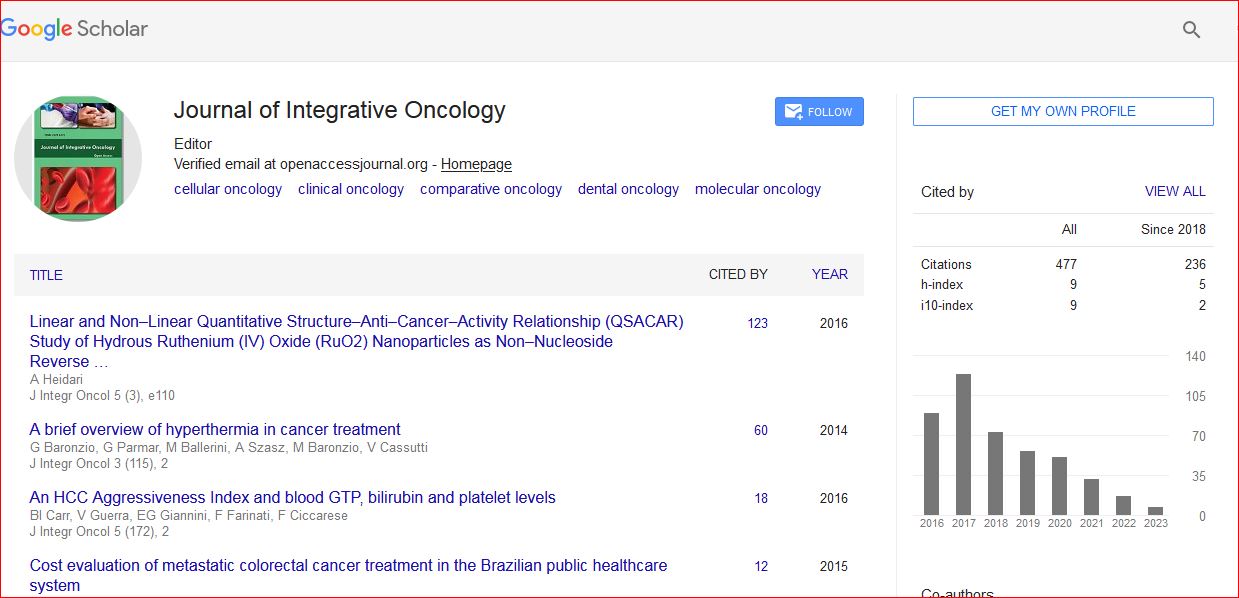
Journal of Integrative Oncology received 495 citations as per Google Scholar report