Perspective - (2025) Volume 14, Issue 4
Received: 01-Jul-2025, Manuscript No. jio-26-184821;
Editor assigned: 03-Jul-2025, Pre QC No. P-184821;
Reviewed: 17-Jul-2025, QC No. Q-184821;
Revised: 22-Jul-2025, Manuscript No. R-184821;
Published:
29-Jul-2025
, DOI: 10.37421/2329-6771.2025.14.570
Citation: Noor, Fatima. "Gut Microbiome, Diet, and Cancer: A Link." J Integr Onco 14 (2025):570.
Copyright: © 2025 Noor F. This is an open-access article distributed under the terms of the Creative Commons Attribution License, which permits unrestricted use, distribution and reproduction in any medium, provided the original author and source are credited.
The intricate relationship between the gut microbiome, dietary habits, and the development of cancer represents a dynamic and expanding field of scientific inquiry. Emerging research highlights how specific microbial communities can significantly influence host metabolism, modulate immune responses, and even impact the effectiveness of established cancer therapies. This influence is often exerted through the production of various metabolites or by altering inflammatory processes within the host [1].
Dietary choices are fundamentally important in shaping the composition and functional capabilities of the gut microbial landscape. These dietary-microbiome interactions, in turn, can profoundly affect numerous cancer-related outcomes, encompassing the initial risk, the rate of disease progression, and an individual's response to treatment [1].
High dietary fiber intake stands out as a critical factor in modulating the diversity and overall function of the gut microbiota. Its substantial impact on cancer risk, particularly for colorectal cancer, is well-documented. The fermentation of fiber by beneficial gut bacteria yields short-chain fatty acids, such as butyrate, which are known for their potent anti-inflammatory and anti-tumorigenic properties [2].
In contrast, dietary patterns characterized by high consumption of processed foods, red meat, and saturated fats have been consistently associated with an elevated risk of developing various forms of cancer. This heightened risk may be significantly mediated by the gut microbiome, which can be prompted to promote inflammation and produce potentially carcinogenic metabolites [4].
The gut microbiome's influence is not limited to cancer initiation and progression but extends to the realm of cancer immunotherapy. The specific composition of an individual's gut microbial community has emerged as a potential predictor of patient response to these advanced treatments. Certain bacterial species have been linked to enhanced efficacy of immune checkpoint inhibitors [3].
Furthermore, the gut microbiome plays a significant role in the complex metabolic pathways of bile acids. These compounds are increasingly implicated in the pathogenesis of specific cancers, notably those affecting the liver and the colon. Alterations in bile acid profiles, often driven by microbial activity, can profoundly influence cellular proliferation, inflammation, and the induction of DNA damage [5].
Interventions targeting the gut microbiome, such as probiotics and prebiotics, are actively being investigated for their potential to influence both cancer development and its treatment. Prebiotics serve to selectively nourish beneficial bacteria, while probiotics are live beneficial microorganisms, both aiming to restore microbial balance and reduce inflammation [7].
The beneficial effects of certain dietary components, such as polyphenols found abundantly in fruits, vegetables, and beverages like tea and red wine, are also intertwined with the gut microbiome. These compounds can be transformed by gut bacteria into bioactive forms that possess antioxidant, anti-inflammatory, and anti-cancer properties [8].
Metabolic byproducts generated by gut bacteria, including trimethylamine N-oxide (TMAO) and specific indole derivatives, have demonstrated the capacity to influence cancer progression. TMAO, frequently associated with diets rich in red meat and choline, has been linked to increased cardiovascular disease risk and potentially certain cancers [9].
Ultimately, a comprehensive understanding of the bidirectional communication pathways between the gut microbiome, diet, and the host's immune system is paramount for unraveling its complex role in cancer. Dietary elements influence microbial composition, which in turn profoundly shapes immune responses through the secretion of immunomodulatory molecules [10].
The complex interplay between the gut microbiome, dietary patterns, and the development of cancer is a rapidly advancing area of research, with significant implications for prevention and treatment strategies. Evidence suggests that specific microbial compositions can alter host metabolism, immune responses, and even the efficacy of cancer therapies through metabolite production or modulation of inflammation [1].
Dietary choices directly influence the gut microbial landscape, and these interactions can impact cancer risk, progression, and treatment response, highlighting the potential of personalized dietary interventions informed by an individual's microbiome profile for improved cancer management [1].
Dietary fiber intake is a cornerstone in modulating gut microbial diversity and function, playing a critical role in cancer prevention. Bacterial fermentation of fiber produces short-chain fatty acids like butyrate, which exhibit anti-inflammatory and anti-tumorigenic effects. Increased fiber consumption is linked to a reduced risk of several cancers, particularly colorectal cancer, by fostering a healthier gut environment and enhancing immune surveillance [2].
Conversely, diets rich in processed foods, red meat, and saturated fats are associated with increased cancer risk, an effect potentially mediated by the gut microbiome. These dietary habits can promote inflammation and the production of carcinogenic metabolites by gut bacteria, fostering a pro-tumorigenic environment. A shift towards plant-based diets rich in fruits, vegetables, and whole grains can promote a more protective gut microbial ecosystem [4].
The gut microbiome's role extends to cancer immunotherapy, where microbial composition can predict patient response. Specific bacterial species have been associated with enhanced efficacy of immune checkpoint inhibitors, possibly by priming the immune system or modulating the tumor microenvironment. Dysbiosis, however, may contribute to treatment resistance, underscoring the importance of understanding these interactions for microbiome-based therapeutic augmentation [3].
The gut microbiome influences bile acid metabolism, a process implicated in the pathogenesis of cancers like liver and colorectal cancer. Microbial alterations in bile acid profiles can affect cell proliferation, inflammation, and DNA damage. Consequently, dietary components that modulate bile acid composition and microbial interactions are crucial for cancer risk management [5].
Personalized nutrition, tailored to an individual's microbiome profile, is emerging as a promising approach in cancer care. This strategy aims to optimize nutrient absorption, bolster the immune system, and potentially mitigate treatment side effects by modulating the gut microbiota. Although still developing, this personalized approach holds significant promise for enhancing patient outcomes [6].
Probiotics and prebiotics, interventions designed to modify the gut microbiome, are being explored for their potential impact on cancer. Prebiotics selectively nourish beneficial bacteria, while probiotics introduce beneficial microorganisms. These interventions may help restore microbial balance, reduce inflammation, and improve gut barrier function, although their specific efficacy in different cancer contexts warrants further investigation [7].
Polyphenols, abundant in plant-based foods and beverages, interact with the gut microbiome to exert anti-cancer effects. Gut bacteria metabolize polyphenols into bioactive forms that possess antioxidant, anti-inflammatory, and anti-cancer properties, potentially by influencing microbial diversity and host signaling pathways [8].
Metabolites produced by gut bacteria, such as TMAO and certain indoles, can influence cancer progression. TMAO, associated with diets high in red meat and choline, is linked to increased cardiovascular disease risk and potentially certain cancers. Conversely, indole derivatives from tryptophan metabolism can be protective, and dietary modifications can alter the production of these metabolites [9].
Understanding the dynamic interplay between the gut microbiome, diet, and the immune system is fundamental to comprehending its role in cancer. Dietary components shape microbial composition, which in turn influences immune responses via immunomodulatory molecules. This complex interaction can either promote or suppress cancer development and affect the success of immunotherapies [10].
The gut microbiome, diet, and cancer development are intricately linked, with microbial composition influencing metabolism, immunity, and treatment response. Dietary patterns directly shape the microbiome, impacting cancer risk and progression. Fiber-rich diets promote beneficial bacteria and produce anti-cancer compounds like butyrate, while diets high in processed foods and red meat may increase risk. The microbiome also affects cancer immunotherapy efficacy and bile acid metabolism, which is implicated in certain cancers. Personalized nutrition based on microbiome profiles and interventions like probiotics and prebiotics show promise for cancer management. Polyphenols and bacterial metabolites also play roles, with some promoting cancer and others offering protection. A comprehensive understanding of these interactions is crucial for developing effective cancer prevention and treatment strategies.
None
None
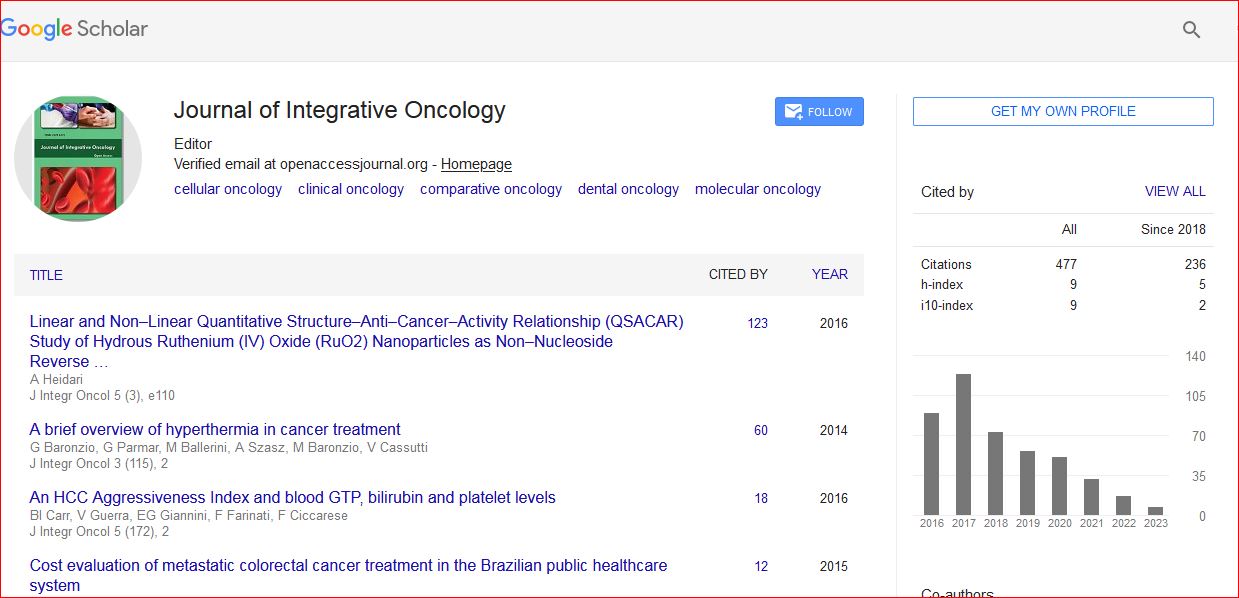
Journal of Integrative Oncology received 495 citations as per Google Scholar report