Review Article - (2025) Volume 13, Issue 3
Received: 10-Sep-2024, Manuscript No. JCMG-24-147674;
Editor assigned: 13-Sep-2024, Pre QC No. JCMG-24-147674 (PQ);
Reviewed: 27-Sep-2024, QC No. JCMG-24-147674;
Revised: 10-Jun-2025, Manuscript No. JCMG-24-147674 (R);
Published:
17-Jun-2025
, DOI: 10.37421/2472-128X.2025.13.337
Citation: Javaid, Iqra. "Genetic Counsellor: Ethical, Social, and Cultural Implications of Clinical Genetic Testing." J Clin Med Genomics 13 (2025): 337.
Copyright: © 2025 Javaid I. This is an open-access article distributed under the terms of the creative commons attribution license which permits unrestricted use, distribution and reproduction in any medium, provided the original author and source are credited.
Genetic counselling is a patient-centred communication practice with the aims of facilitating people understanding, autonomous decision making, while adhering to the ethics of genetic counseling. Trained professionals in genetic counseling aid the clients in recognizing and adapting to the medical, psychological, and hereditary consequences of inherited diseases. The genetic testing process has certain distinctive legal, ethical, and social features and need major concern. Genetic/Genomic Testing (GGT) is a method for targeted diagnosis of genetic disorder and improvement of human health. Counsellors handles sensitive patient information that could have significantly impact on patient's life; therefore, it is imperative to consider Ethical, Legal, and Social Implications (ELSI) during such testing. Therefore, ELSI studies helps to identify concerns increased due to genomic advancement that could affect clients, their families, and community. The aim of this review is identify what type of ethical, legal, and social issues are major concerns during genetic testing and counselling process.
Genetic counselling • Genetic screening • Prenatal screening • Genetics services • Ethics • Counseling techniques
Genetic counsellors facilitate patients and families to make informed decisions, which are often influenced by powerful emotions. Genetic counselling and genetic testing are effective practices that are needed to inform best guiding policy, ensure responsible implementation into client care, and help families to manage future health risk by engaging in family screening [1].
The discipline of genetic counselling traditionally has been guided by "non-defectiveness, defined in many ways, such as a dedication to refraining from imposing one's views on patients, method to prevent compulsion or persuasion in genetic counselling [2].
If 'non-directiveness' meant simply following the patient's requests, it would be a shallow approach because it could lead to failure to fulfill the role of counsellor. The active non-directiveness method, which involves considering patient care instead of simply following given requests, has been more widely used in genetic counselling [3].
The increasing diversity of genetics and genomics research is adding more strain on the concept of non-directiveness. This has led to uncertainty about the authority of genetic counsellors to make normative assertions or recommendations. Despite evidence of proactive, evidence-based advice, this uncertainty persists. Genetic counsellors should consider a broader perspective onethics, morality, accepting beneficence and non-maleficence, as well as understanding of relational factors and personal autonomy [4].
Goal of genetic counsellor
Genetic counsellors are qualified health professionals with expertise in genome and genetics as well as skills in counselling and communication. They are responsible to interpret than translate complex genomic information into simple data for clients and families to ease their understanding. Genetic counsellors are able to address issues such as consent and autonomy, personal and family adaptation to impairment, social views towards disability, individual risk perceptions, communication within extended family dynamics, and the challenges of managing uncertainty [5].
Genetic testing and assessment of family history can answer qualitatively different technical and mundane questions. Counsellors have more purviews to offer recommendations when the aim is to provide practical information or facilitate a widely understood good outcome [6]. Figure 1 below highlights key components of genetic counseling, including risk assessment, counseling, education, and test implications.
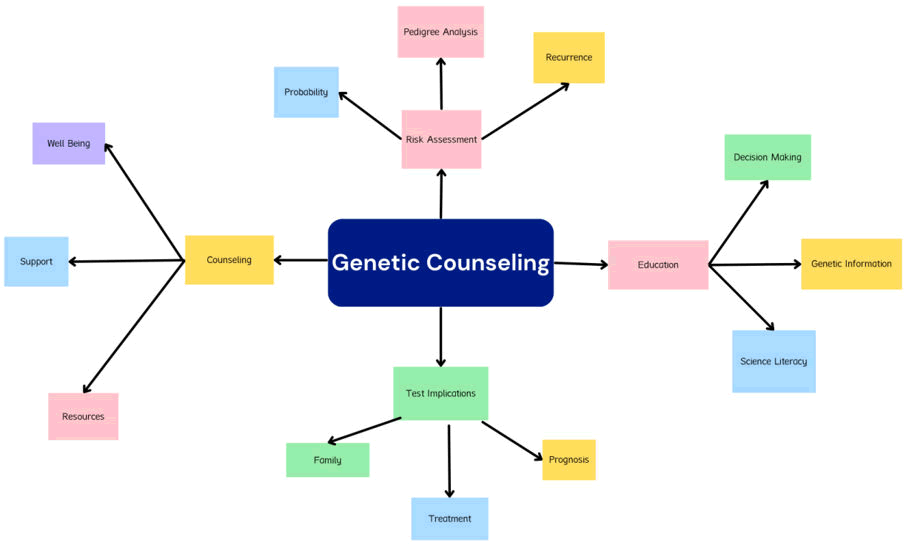
Figure 1. Key aspects of genetic counseling.
Genetic/genomic testing
Two complementary approaches are used to prevent diseases: Genetic and Genomic Testing (GGT), which handles important personal data and has a major impact on the lives of patients and their families [7].
Genetic testing can identify DNA anomalies that may indicate pathological concerns and finds certain mutations for monogenic disorders in the patient's DNA. Additionally, genetic testing identifies specific genes, risk factors and predispositions to diseases. As a result, genetic testing can assist medical professionals detect mutations in a patient's DNA, determining a patient's risk for disease, thereby enabling them to avoid or delay illness [8,9].
As technology becomes more advanced and cost-effective, genetic testing facilities have been established in Low and Middle-Income Countries (LMICs). However, the demand for their services is much lower than the number of genetic counsellors available worldwide [10].
Genetics and Genomics Research (GGR) involves addressing ethical, legal, and social issues for clinical practice and research, particularly in village areas [11]. Therefore, counsellors must follow ethical principles that respect the patient’s diverse values.
Genetic testing poses distinctive challenges, requiring counselors to consider reproductive choices, the impact of genetic differences, and disabilities on individuals' lives with nuance [12,13].
ELSI parameters
It's crucial to consider the parameters of the ethical, legal, and social issues summarized by the acronym ELSI for GGT criteria. Various definitions exist for the ELSI fields, but principles of Chameau et al. are mostly adopted because they separate legal, ethical, and social fields in order to address particular challenges [14].
Human rights frameworks establish the universal standards for patient rights through ethical principles [15]. These principles, including autonomy, beneficence, non-maleficence, and justice are widely recognized, contributed to creating a common framework for medical care [16,17].
In the Genomic and Genetic Technologies (GGT) some criteria address limits, authority, and techniques for decision making like how and who makes the final decisions.
Furthermore, social criteria have been defined based on the principle of distributive justice, aiming for an equitable society. Therefore, the focus is on allowing access to effective communication, genomic medicine services, and information dissemination across diverse sectors of society [18].
In the definitions of ELSI, ethical is the pillar as it is interconnected with all of them. This includes respect for human rights, in which patient decision takes precedence over any economic or scientific interests, serving as a fundamental guiding principle.
To satisfy GGT requirements, the ELSI and their connections between fields were shown in Figure 2 below.
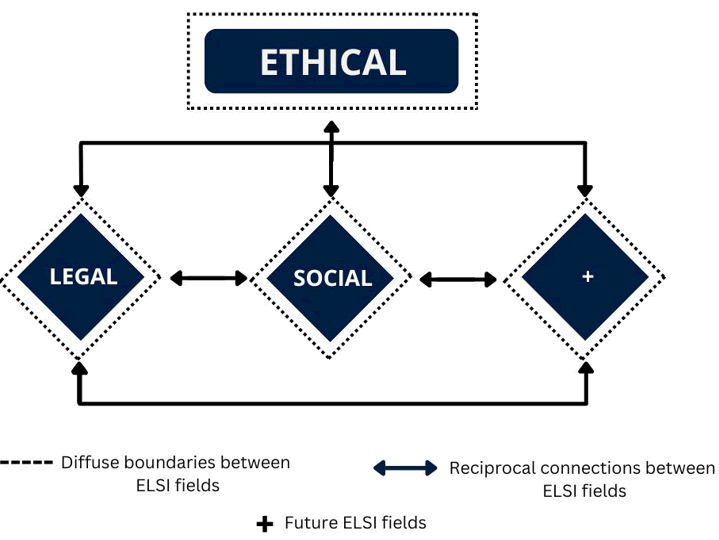
Figure 2. ELSI fields and their various interconnections.
Figure 2 above shows the legal and social fields with the expectation of inclusion of additional fields in the future. All dotted lines indicating uncertain boundaries between fields are delimited so relevant topics can join. All fields are interconnected, as their criteria often overlap. As noted in Figure 2 there is strong synergy among ELSI components [19].
Individuals with disabilities their families face a range of Ethical, Legal, and Social Issues (ELSI), such as autonomy when reproducing (the ability to decide and manage one's reproduction, including choosing to have children) along with devaluation (the possibility of preventing the birth of disabled individuals with the recent advancement in genomic technologies). Due to the application of genomic technology, fewer individuals with disabilities or genetic disorders are born [20].
Social ecological model
The Socioecological Model (SEM) proposes that individual outcomes are impacted by different social, ecological, and cultural factors. In genetic counselling, the SEM helps counsellors in different areas and identifies gaps for future research. The model shows different levels of effects on a person's health from the person to the laws and regulations.
Ethical issues
A counselor faces various ethical problems that arise during different phases of genetic testing. Patients and caregivers of low socioeconomic status have less desire for treatment and often prefer a counsellor to make final decisions for them.
The explicit or implicit information to clients is the termination of pregnancy; counsellors mostly employ negative connotations to effect the patient’s decision for termination of pregnancy. Section II holds the Code of Ethics states that, genetic counsellors:
"Respect their clients' beliefs, inclinations, circumstances, feelings, family relationships, and cultural traditions."
The above quotation highlights the importance of the ethic that will be guidance for genetic counselling. Genetic services also have psychosocial concerns like fear and anxiety linked with genetic testing. Patients with a genetic testing feel like blame, experience guilt, and are a burden to their extended family members.
When personal, familial, emotional, or cultural values are more significant, genetic counsellors provide evidence-based recommendations without deferring with patient preferences.
The ethical issues were mainly categorized into three stages:
• Personal characteristics, including expert competencies, personality traits, and moral values.
• The implementation of ethical values within the analysis process, with further categorize into autonomy, knowledge, and data protection.
• The implications of genome diagnosis, containing clients’ autonomy over their own lives, and their perceptions of the world.
Although there is no universal set of ethical rules that applies to every situation genetic counselors may encounter, having informed ethical guidelines for genetic counsellors might be useful to practice. Genetic counsellors should adopt a broader range of recognized ethical principles that may add precision to their challenging task.
According to Parker and Clarke, the ethical framework for clinical genetics consultation consists of the following steps, from identifying ethical issues to engaging fully as a professional (Table 1).
| SR | Step | Description |
| 1 | Recognize the ethical problem | Identify the ethical question: What should be done? Avoid taking it as a patient, their family, and society problem. |
| 2 | Frame the problem appropriately | Consider ethical, social, and counselling perspectives to frame the concern or problem. |
| 3 | Identify involved parties and interests | Consider all stakeholder's potential interests: Patients, unborn children, and future generations. |
| 4 | Explore potential solutions | Formulate a logical argument for the best result and explain how the solution accounts for all interests. |
| 5 | Supplement with ethical theory | Avoid the mechanical application of principles. Draw intuitions from major moral philosophies: Deontology, consequentialism, and virtue ethics. |
| 6 | Engage fully as a professional | Consider the perspectives of all involved parties and potential emotional responses. Integrate interpersonal, rational, and communication skills. |
Table 1. Ethical framework in genetics for counselor.
Above mention Table 1 framework begins with identifying ethical problems by knowing and framing the problem. It highlights the importance of recognizing all involved parties and their interests, exploring potential solutions, and accompanying them with insights from major ethical theories. Finally, it stresses the need for professionals to engage fully, integrating interpersonal and rational skills to ensure comprehensive ethical consultations.
Legal issues
Confidentiality is a crucial legal responsibility in counselling, ensuring excellent care and patients' interests. Counsellors must inform clients about the nature of the treatment and cause, build trust, and maintain professional identity. Health professionals must ensure dignity for individuals with intellectual disabilities without discrimination based on gender, sexual orientation, race, color, or disability.
Social issues
Stigma and discrimination: Genetic counselors may encounter challenges due to the effects of social stigma, patients with genetic disorder experience social isolation, discrimination, and psychological distress after disclosing their genetic results. Social stigma is linked with a genetic disease, as affected individuals and their families have to deal with discrimination when seeing cousins' marriage prospects.
Decision-making: A genetic counsellor makes sure that individuals completely understand the implications of genetic testing and the potential outcomes. To make well-informed decisions, patients must have a thorough understanding of the frequency of the disorder they are dealing with limited knowledge about genetic diseases is a common obstacle for medical genetics in counselling. Clinicians feel less confident in counselling, providing information, or regarding genetic diseases due to lack of information.
Genetic counsellors must provide comprehensive information in order to help patients to make informed decisions, but the complexity of the genetic information and inadequate knowledge can make this more challenging.
Access and financial barriers: Availability to genetic counselling and genetic testing can be inadequate due to socioeconomic factors, geographic location, and healthcare services. Financial barriers were common hindrances to patients due to the high cost of genetic services especially for rural patients. Sometimes services are not available; affected individuals must travel long distances for genetic services.
The decision of pregnancy termination is also influenced by the perceived lack of support and medical treatment options. Many patients do not undergo prenatal diagnosis due to their perception that genetic diseases cannot be cured.
Lack of awareness: The genetic counselling profession is less recognized, as compared to other medical workers like nurses and doctors. Many health care workers report that their understanding of genetics was inadequate and need additional educational workshops and programs to improve their medical genetic knowledge.
Socioeconomic status: Social variables impact how genetic services are used and comprehended. Individuals with higher levels of education and socioeconomic status are more likely to be knowledgeable about genetic services. These individuals can be educated through various resources, such as websites, service providers, and books, to better understand their condition. Conversely, those with lower literacy levels may struggle to access and comprehend genetic services.
Cultural issues
Islam and termination of pregnancy: Mostly women face pressure to have healthy children and are blamed if a child is born with abnormalities. Religious principles can pose barriers to accessing genetic services, as some oppose pregnancy termination. In Islam, final decisions related to the status of pregnancy based on the severity and gestational age, are determined by fatwas. In Pakistan and other Islamic states, Islamic fatwas permit termination when clinicians advise it.
Traditional medicine: Without biological understanding of genetic disease, cultural beliefs can significantly influence behavior toward affected individuals. Traditional healers are integral members of some communities and maybe the preferred compare to other health service due to lack of more effective alternatives.
Cultural beliefs: Cultural beliefs and practices, such as karma, curses, superstitions, and perceived punishment from God can significantly influence the understanding and acceptance of genetic diseases. Clinicians must openly address these misconceptions to alleviate feelings of guilt.
This article explains that genetic counsellors have strong reasons to carefully weigh the advantages and disadvantages of genetic testing for patients and their families when offering counselling. We also believe that counsellors are justified in providing recommendations to patients in certain situations based on the ethical considerations of doing well and avoiding harm.
Therefore, it is important to conduct a knowledge synthesis of social, ethical, and cultural issues related to genetic testing and counselling. This will help in understanding the factors that are relevant to implementing genetic services. The evidence gathered by comprehensive research would be valuable for stakeholders in developing sufficient genetic services in LMICs.
Additionally, the use of diverse methodological approaches captures a wide range of ethical, social, and cultural factors, providing a complete understanding of the genetic testing or counselling experience.
This review paper was independently conducted, and no specific contributions were received from other individuals or organizations. I appreciate the valuable research and insights provided by the authors of the studies referenced in this work.
The authors have declared no conflicts of interest.
The study did not receive any funding, and no prior appearances of the research for manuscript.
Iqra Javaid: Conceived the idea, developed the theory, contributed to the conceptualization, data analysis, writing, and final approval of the version to be published. Additionally, Iqra Javaid handled editing, proofreading, and critical revision of the manuscript for intellectual content.
The data that supports the findings of this study are available on request from the first author, Iqra Javaid. The data are not publicly available due to restrictions on their containing information that could compromise the privacy of research participants. The corresponding author can provide access to the data, models, and code that support the findings of this study.
This review paper involved the analysis and synthesis of existing literature and data. Ethical approval was not required as the research did not involve original data collection or experimentation. All sources of information were cited appropriately, and the paper adheres to ethical standards in scholarly research.
[Crossref] [Google Scholar] [PubMed]
[Crossref] [Google Scholar] [PubMed]
[Crossref] [Google Scholar] [PubMed]
[Crossref] [Google Scholar] [PubMed]
[Crossref] [Google Scholar] [PubMed]
[Crossref] [Google Scholar] [PubMed]
[Crossref] [Google Scholar] [PubMed]
[Crossref] [Google Scholar] [PubMed]
[Crossref] [Google Scholar] [PubMed]
[Crossref] [Google Scholar] [PubMed]
[Crossref] [Google Scholar] [PubMed]
[Crossref] [Google Scholar] [PubMed]
[Crossref] [Google Scholar] [PubMed]
[Crossref] [Google Scholar] [PubMed]
[Crossref] [Google Scholar] [PubMed]
[Crossref] [Google Scholar] [PubMed]
[Crossref] [Google Scholar] [PubMed]
[Crossref] [Google Scholar] [PubMed]
[Crossref] [Google Scholar] [PubMed]
Journal of Clinical & Medical Genomics received 391 citations as per Google Scholar report