Perspective - (2025) Volume 14, Issue 5
Received: 01-Sep-2025, Manuscript No. jio-26-184831;
Editor assigned: 03-Sep-2025, Pre QC No. P-184831;
Reviewed: 17-Sep-2025, QC No. Q-184831;
Revised: 22-Sep-2025, Manuscript No. R-184831;
Published:
29-Sep-2025
, DOI: 10.37421/2329-6771.2025.14.580
Citation: Srivastava, Neha. ”Integrative Cancer Pain Management: A Holistic Approach.” J Integr Onco 14 (2025):580.
Copyright: © 2025 Srivastava N. This is an open-access article distributed under the terms of the Creative Commons Attribution License, which permits unrestricted use, distribution and reproduction in any medium, provided the original author and source are credited.
Integrative pain management in cancer patients represents a sophisticated, multimodal strategy designed to address the multifaceted nature of cancer-related pain, encompassing its physical, emotional, and social dimensions. This comprehensive approach seeks to optimize pain control, diminish reliance on opioids, elevate the patient's quality of life, and mitigate the adverse effects associated with cancer treatments. The core of this strategy involves a synergistic combination of established medical interventions with complementary and alternative medicine (CAM) modalities, all meticulously tailored to the unique needs and expressed preferences of each individual patient [1].
The growing body of evidence highlights the significant role of acupuncture in the effective management of cancer pain. Research indicates its capacity to reduce pain intensity and enhance functional capabilities, particularly in cases of neuropathic pain. The proposed mechanisms for acupuncture's efficacy involve the modulation of key neurotransmitters and inflammatory pathways, offering a safe and viable complementary option when administered by trained professionals [2].
Mind-body therapies, encompassing a range of techniques such as mindfulness meditation, yoga, and cognitive behavioral therapy (CBT), are recognized as indispensable components within the framework of integrative pain management. These interventions empower patients to cope more effectively with pain by influencing pain perception, reducing the burden of stress and anxiety, and fostering improved emotional well-being, thereby indirectly contributing to pain alleviation [3].
Cannabinoids, specifically compounds like CBD and THC, are currently undergoing extensive investigation for their potential therapeutic applications in managing cancer pain, particularly in instances of refractory pain that have not responded to conventional treatments. While research is still in its nascent stages, early findings suggest promising analgesic effects and a potential to decrease opioid requirements, although further studies are needed to fully understand their side effect profiles and optimal therapeutic dosages [4].
Nutritional support occupies a pivotal position in maintaining the overall health and well-being of cancer patients, with a notable indirect influence on pain perception and the tolerance of therapeutic interventions. Ensuring adequate nutritional intake can significantly bolster energy levels, fortify immune function, and assist in combating cachexia, all of which contribute to a more effective and manageable pain management regimen [5].
Interventional pain management techniques, which include procedures like nerve blocks and epidural injections, have demonstrated considerable efficacy in addressing specific types of cancer pain that prove refractory to pharmacotherapy alone. These advanced methods are designed to precisely target the anatomical sources of pain or to interrupt the transmission of pain signals at their origin [6].
Music therapy has emerged as a promising modality for alleviating both anxiety and pain experienced by cancer patients. Its unique ability to elicit positive emotional responses and to serve as a powerful distractor from physical discomfort positions it as a valuable adjunctive therapy within comprehensive pain management plans [7].
As an integral element of an integrative approach, yoga offers a therapeutic avenue for cancer patients to manage their pain. Its practice contributes to improved physical flexibility, significant stress reduction, and the promotion of profound relaxation, thereby addressing both the physical and emotional sequelae of cancer and its treatment [8].
The application of massage therapy within cancer care settings has been shown to provide substantial relief from pain, decrease muscle tension, and induce states of relaxation. It represents a valuable non-pharmacological intervention that can significantly enhance patient comfort and overall quality of life [9].
Integrative oncology champions a patient-centered paradigm, advocating for the coordinated integration of conventional cancer treatments with evidence-based complementary therapies. This holistic model is fundamentally oriented towards achieving effective pain management, alleviating symptom burden, and comprehensively supporting the well-being of individuals navigating the complexities of cancer [10].
Integrative pain management in cancer patients is characterized by a comprehensive, multimodal approach that synergistically combines conventional therapies with complementary and alternative medicine (CAM) to address the complex biopsychosocial aspects of cancer-related pain. This strategy is aimed at achieving superior pain control, reducing the reliance on opioid analgesics, enhancing the overall quality of life for patients, and effectively managing the side effects associated with cancer treatments. The core components of this approach include judicious pharmacotherapy, advanced interventional procedures, and a diverse array of CAM modalities such as acupuncture, mind-body therapies, and nutritional support, all meticulously individualized to meet the specific needs and preferences of each patient [1].
The role of acupuncture in the management of cancer pain is gaining increasing recognition within the medical community, supported by evidence suggesting its effectiveness in reducing pain intensity and improving functional outcomes, particularly for patients experiencing neuropathic pain. Its proposed mechanisms of action involve the modulation of neurotransmitters and inflammatory pathways within the body. Acupuncture is generally considered safe when performed by qualified and trained practitioners, offering a valuable and viable adjunct to standard analgesic treatments [2].
Mind-body therapies, which encompass a broad spectrum of interventions including mindfulness meditation, yoga, and cognitive behavioral therapy (CBT), are recognized as critical elements in the successful implementation of integrative pain management strategies. These therapeutic interventions assist patients in coping with pain by modifying their perception of pain, reducing levels of stress and anxiety, and fostering improved emotional well-being, which collectively contribute to the indirect alleviation of pain [3].
Cannabinoids, with particular emphasis on compounds such as CBD and THC, are currently the subject of significant research interest for their potential in managing cancer pain, especially in cases of refractory pain that have not responded to conventional therapies. While ongoing research continues to explore their full potential, preliminary studies indicate that cannabinoids may offer analgesic benefits and contribute to a reduction in opioid requirements, although further investigation is necessary to fully understand potential side effects and determine optimal dosing regimens [4].
Nutritional support plays an indispensable role in maintaining the overall health and well-being of cancer patients, and it can indirectly influence their pain perception and tolerance for various treatments. Adequate and appropriate nutritional intake can lead to improvements in energy levels, support robust immune function, and help mitigate the effects of cachexia, thereby contributing significantly to more effective pain management outcomes [5].
Interventional pain management techniques, such as the application of nerve blocks and epidural injections, can provide highly effective solutions for specific types of cancer pain that are inadequately controlled by pharmacotherapy alone. These specialized methods are designed to precisely target the source of pain or to effectively interrupt the transmission of pain signals along the nervous pathways [6].
Music therapy has demonstrated considerable promise in reducing both anxiety and pain experienced by cancer patients. Its inherent capacity to evoke positive emotional states and to effectively distract individuals from their discomfort makes it a valuable adjunctive intervention within comprehensive and holistic pain management plans [7].
Yoga, when incorporated as part of an integrative approach to cancer care, can significantly assist patients in managing their pain through improvements in flexibility, reduction of stress, and the promotion of deep relaxation. It serves to address the cumulative physical and emotional toll that cancer and its associated treatments can impose on individuals [8].
The use of massage therapy in the context of cancer care has been shown to be beneficial in alleviating pain, reducing muscle tension, and promoting a state of relaxation. It offers a valuable non-pharmacological option that can markedly improve patient comfort and enhance their overall quality of life [9].
Integrative oncology fundamentally emphasizes a patient-centered approach, focusing on the coordinated integration of conventional cancer treatments with evidence-based complementary therapies. This holistic and comprehensive model aims to achieve the most effective management of pain, reduce the overall symptom burden, and provide robust support for the overall well-being of individuals navigating the challenges of cancer [10].
Integrative pain management in cancer patients combines conventional therapies with complementary and alternative medicine (CAM) to address the complex nature of cancer-related pain. This approach aims to improve pain control, reduce opioid dependence, and enhance quality of life. Key components include pharmacotherapy, interventional procedures, and CAM modalities like acupuncture, mind-body therapies, nutritional support, cannabinoids, music therapy, yoga, and massage. These interventions are tailored to individual patient needs and focus on managing pain, reducing symptom burden, and supporting overall well-being. Interventional pain management techniques and cannabinoids are being explored for refractory pain, while mind-body therapies and CAM modalities offer non-pharmacological benefits by addressing psychological and physical aspects of pain. Nutritional support is crucial for overall well-being and treatment tolerance.
None
None
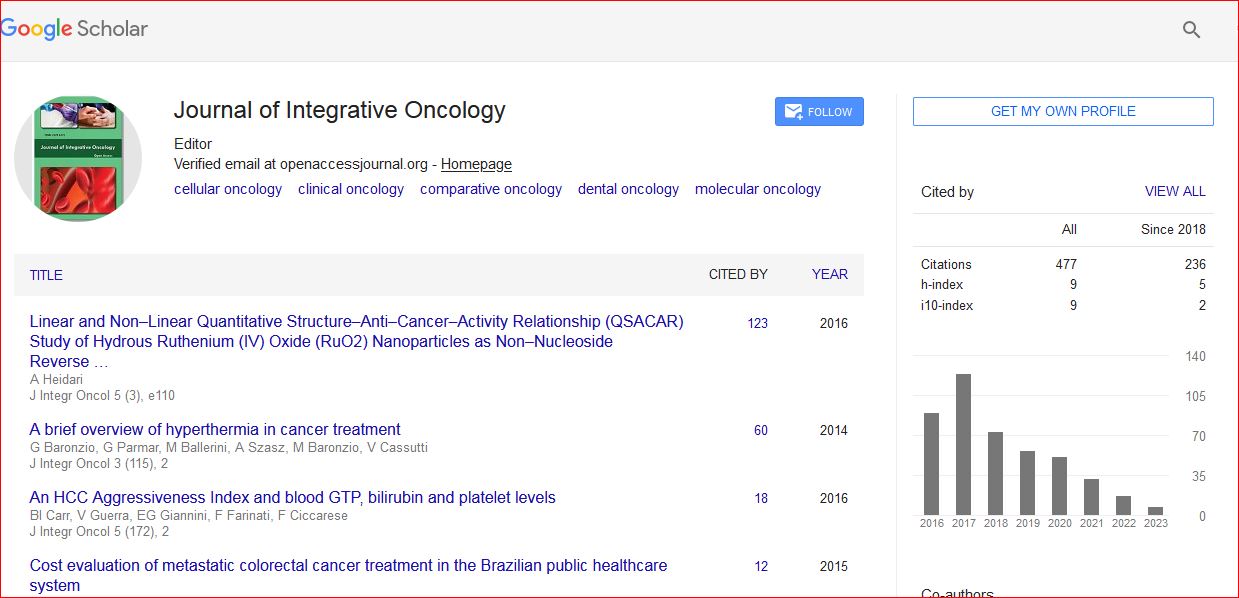
Journal of Integrative Oncology received 495 citations as per Google Scholar report