Commentary - (2025) Volume 14, Issue 4
Received: 01-Aug-2025, Manuscript No. jhoa-26-187825;
Editor assigned: 04-Aug-2025, Pre QC No. P-187825;
Reviewed: 18-Aug-2025, QC No. Q-187825;
Revised: 22-Aug-2025, Manuscript No. R-187825;
Published:
29-Aug-2025
, DOI: 10.37421/2167-1095.2025.14.527
Citation: Fischer, Hannah. ”Dietary Strategies for Hypertension Management and Heart Health.” J Hypertens 14 (2025):527.
Copyright: © 2025 Fischer H. This is an open-access article distributed under the terms of the Creative Commons Attribution License, which permits unrestricted use, distribution and reproduction in any medium, provided the original author and source are credited.
Dietary interventions represent a cornerstone in the effective management of hypertension, influencing blood pressure through a complex interplay of physiological mechanisms. The judicious selection of foods can significantly impact sodium and potassium balance, directly affecting vascular tone and fluid homeostasis. A comprehensive approach emphasizes increased consumption of nutrient-dense foods such as fruits, vegetables, whole grains, and lean proteins, while concurrently advocating for the reduction of processed items high in sodium and unhealthy fats, thereby fostering a metabolic environment conducive to cardiovascular well-being. [1] The profound impact of sodium reduction on blood pressure levels, particularly for individuals diagnosed with hypertension, cannot be overstated. Lowering dietary sodium intake not only exerts a direct hypotensive effect but also amplifies the efficacy of prescribed antihypertensive pharmaceutical agents. A deep understanding of the intricate physiological pathways through which sodium influences vascular reactivity and systemic fluid balance is fundamental to appreciating the extensive benefits derived from a deliberate restriction of dietary sodium. [2] Conversely, potassium intake demonstrates a significant inverse association with blood pressure. Augmenting the consumption of potassium-rich food sources can play a pivotal role in counteracting the hypertensive influences of excessive sodium and actively promoting vasodilation. This discourse is dedicated to exploring the robust body of evidence that substantiates potassium's critical role in hypertension management, further offering practical, actionable dietary recommendations aimed at elevating potassium intake. [3] Emerging dietary paradigms, such as the Mediterranean diet, which prominently features fruits, vegetables, olive oil, fish, and nuts, have consistently exhibited substantial benefits in mitigating various cardiovascular risk factors, including hypertension. This examination will delve into the specific nutritional components that characterize the Mediterranean dietary pattern and elucidate their direct and indirect impacts on blood pressure regulation, underscoring its well-established protective cardiovascular effects. [4] The integral role of dietary fiber in promoting cardiovascular health and facilitating blood pressure regulation is gaining increasing recognition within the scientific community. Both soluble and insoluble fiber fractions contribute synergistically to the improvement of lipid profiles, the enhancement of glycemic control, and the reduction of systemic inflammation, all of which are highly beneficial for individuals managing hypertension. This review synthesizes the available scientific evidence that compellingly links adequate dietary fiber intake to lower blood pressure readings. [5] Observations from numerous studies suggest a notable association between the regular consumption of dairy products, particularly those that are low in fat content, and a reduced incidence or prevalence of hypertension. This section aims to scrutinize the potential biological mechanisms, including the synergistic effects of calcium, magnesium, and potassium, as well as the bioactivity of specific peptides present in dairy, which may collectively contribute to the observed blood pressure-lowering effects. [6] Magnesium's pivotal role in the intricate process of blood pressure regulation is widely acknowledged and scientifically substantiated. Maintaining an adequate dietary intake of magnesium is consistently linked with lower blood pressure measurements, and targeted supplementation strategies may offer tangible therapeutic benefits for individuals afflicted with hypertension. This comprehensive article provides an updated review of the accumulating evidence supporting magnesium's vasodilatory and anti-inflammatory properties within the specific context of hypertensive pathophysiology. [7] Dietary patterns that are characterized by a high abundance of antioxidants, commonly found in foods like berries, dark leafy green vegetables, and certain beneficial beverages, possess the capacity to effectively reduce oxidative stress and systemic inflammation. These pathophysiological processes are increasingly implicated in the complex pathogenesis of hypertension. This segment of our exploration focuses on elucidating the multifaceted benefits conferred by antioxidant-rich foods in the context of achieving and maintaining optimal blood pressure control. [8] The influence of saturated and trans fats on overall cardiovascular health, with a particular emphasis on their impact on blood pressure, constitutes a critical consideration in the dietary management strategies for hypertension. A deliberate and consistent effort to limit the intake of these detrimental fats, which are often prevalent in highly processed food products and red meats, is absolutely essential for adopting and adhering to a heart-healthy dietary pattern that effectively supports blood pressure regulation. [9] Omega-3 fatty acids, abundantly present in sources such as fatty fish, flaxseeds, and walnuts, have emerged as promising agents with demonstrated potential for both lowering blood pressure and attenuating systemic inflammation. This section is dedicated to thoroughly exploring the diverse biochemical and physiological mechanisms through which omega-3 fatty acids exert their beneficial antihypertensive effects, offering practical guidance on their effective incorporation into a balanced dietary regimen. [10]
Dietary approaches play a fundamental role in the comprehensive management of hypertension. These strategies influence blood pressure through various interconnected physiological mechanisms, including the careful modulation of sodium intake, the maintenance of optimal potassium balance, and the mindful consumption of specific food groups known for their cardioprotective properties. A core principle of effective hypertension management involves prioritizing a diet rich in fruits, vegetables, whole grains, and lean proteins, while simultaneously recommending a significant reduction in the consumption of processed foods that are typically laden with excessive sodium and unhealthy fats. This holistic dietary approach is designed to cultivate a favorable metabolic environment that actively supports and enhances overall cardiovascular health. [1] The significance of reducing sodium intake in the context of blood pressure control is particularly pronounced for individuals diagnosed with hypertension. Lowering one's sodium consumption not only directly contributes to a reduction in blood pressure readings but also demonstrably enhances the overall effectiveness of pharmacological antihypertensive treatments. A thorough understanding of the physiological pathways through which sodium exerts its influence on vascular tone and systemic fluid balance is crucial for fully appreciating the substantial health benefits associated with adhering to dietary sodium restriction. [2] Conversely, a consistent and adequate intake of potassium is inversely correlated with blood pressure levels. Increasing the dietary consumption of foods that are naturally rich in potassium can significantly help in mitigating the adverse hypertensive effects often associated with high sodium intake and can actively promote vasodilation, a key factor in lowering blood pressure. This segment aims to present and discuss the substantial body of evidence supporting potassium's vital role in the management of hypertension, alongside providing practical and accessible dietary recommendations designed to facilitate an increase in potassium consumption. [3] The Mediterranean diet, a well-researched dietary pattern characterized by its emphasis on the consumption of fruits, vegetables, olive oil, fish, and nuts, has consistently demonstrated significant benefits in reducing multiple cardiovascular risk factors, including hypertension. This discussion will specifically explore the individual components of the Mediterranean diet and meticulously analyze their impact on the physiological regulation of blood pressure, thereby highlighting the diet's well-established protective cardiovascular attributes. [4] Dietary fiber intake is increasingly being recognized for its substantial contributions to maintaining cardiovascular health and effectively managing blood pressure. Both soluble and insoluble forms of dietary fiber play crucial roles in improving lipid profiles, enhancing glucose control, and reducing systemic inflammation, all of which are highly advantageous for individuals grappling with hypertension. This review meticulously summarizes the current scientific evidence that establishes a clear link between increased dietary fiber intake and a reduction in blood pressure levels. [5] Research indicates that the regular consumption of dairy products, especially those that are low in fat, is associated with a decreased risk of developing hypertension. This section aims to investigate the underlying biological mechanisms that may explain this protective effect, including the presence of essential minerals like calcium, magnesium, and potassium, as well as the bioactivity of certain peptides found in dairy that could contribute to blood pressure-lowering effects. [6] The critical role of magnesium in the physiological regulation of blood pressure is significant and well-documented. Ensuring an adequate dietary intake of magnesium is consistently linked with lower blood pressure readings, and emerging evidence suggests that magnesium supplementation may offer additional therapeutic benefits for individuals diagnosed with hypertension. This article provides an updated review of the scientific literature that supports magnesium's vasodilatory and anti-inflammatory properties in the context of managing hypertension. [7] Dietary patterns characterized by a high intake of antioxidants, commonly found in foods such as berries, dark leafy greens, and certain types of beverages, can contribute significantly to reducing oxidative stress and inflammation. These cellular processes are increasingly implicated in the complex pathogenesis of hypertension. This section focuses on exploring the specific benefits that antioxidant-rich foods offer in the ongoing effort to control and manage blood pressure effectively. [8] The impact of consuming saturated and trans fats on cardiovascular health, with a particular focus on their influence on blood pressure, represents a critical aspect of dietary management for individuals with hypertension. Limiting the intake of these types of fats, which are frequently found in processed foods and red meats, is an indispensable component of adopting a heart-healthy diet that actively supports and promotes healthy blood pressure levels. [9] Omega-3 fatty acids, a group of essential fats found in foods like fatty fish, flaxseeds, and walnuts, have shown considerable promise in their ability to both lower blood pressure and reduce systemic inflammation. This section is dedicated to a detailed exploration of the various mechanisms through which omega-3 fatty acids exert their beneficial antihypertensive effects and provides practical dietary guidance on how to effectively incorporate these valuable nutrients into one's diet. [10]
Hypertension management is significantly influenced by dietary approaches, focusing on nutrient-rich foods like fruits, vegetables, whole grains, and lean proteins while limiting processed items high in sodium and unhealthy fats. Sodium reduction is crucial, directly lowering blood pressure and enhancing medication effectiveness. Conversely, increased potassium intake helps counteract sodium's effects and promotes vasodilation. Dietary patterns such as the Mediterranean diet show benefits in reducing cardiovascular risk factors, including hypertension. Fiber intake, antioxidants, dairy products, magnesium, and omega-3 fatty acids all play supportive roles in blood pressure regulation. Limiting saturated and trans fats is also essential for a heart-healthy diet. These dietary strategies collectively contribute to a favorable metabolic environment supporting cardiovascular health.
None
None
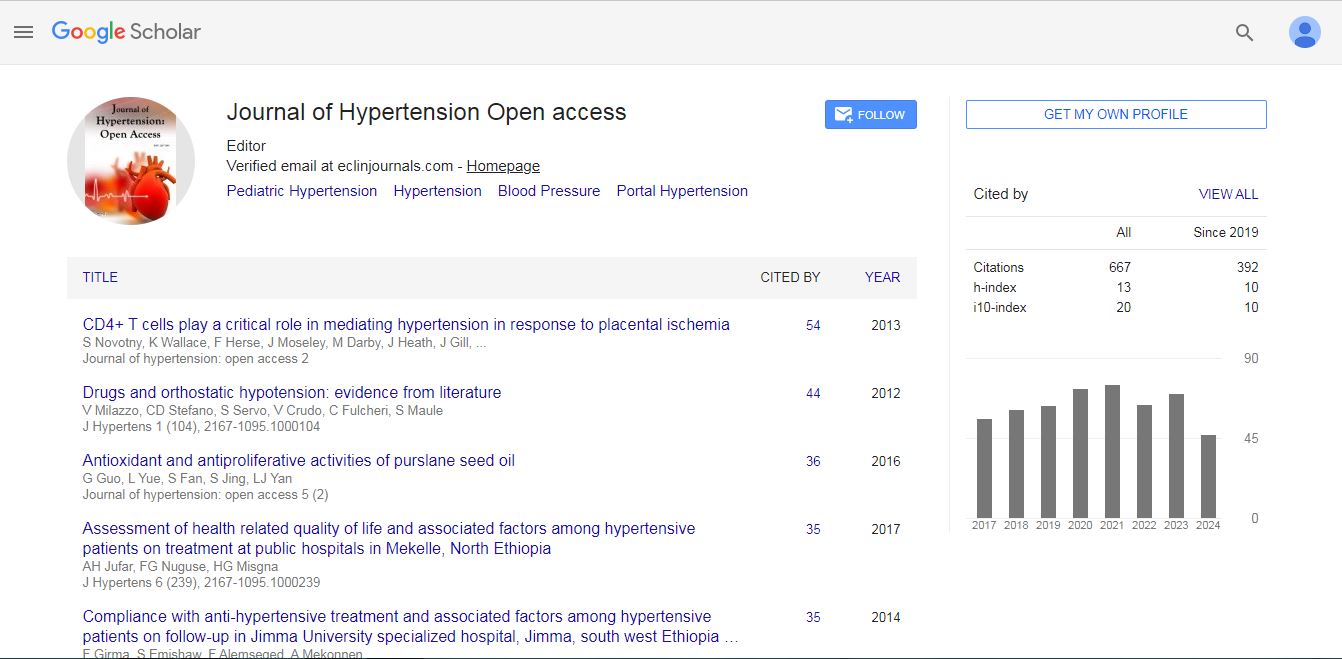
Journal of Hypertension: Open Access received 614 citations as per Google Scholar report