Opinion - (2025) Volume 14, Issue 2
Received: 01-Apr-2025, Manuscript No. jhoa-26-187774;
Editor assigned: 03-Apr-2025, Pre QC No. P-187774;
Reviewed: 17-Apr-2025, QC No. Q-187774;
Revised: 22-Apr-2025, Manuscript No. R-187774;
Published:
29-Apr-2025
, DOI: 10.37421/2167-1095.2025.14.510
Citation: Thompson, David. ”Diet and Exercise: Cornerstones of Hypertension Management.” J Hypertens 14 (2025):510.
Copyright: © 2025 Thompson D. This is an open-access article distributed under the terms of the Creative Commons Attribution License, which permits unrestricted use, distribution and reproduction in any medium, provided the original author and source are credited.
Dietary and physical activity interventions are fundamental in the comprehensive management of hypertension, offering potent non-pharmacological strategies to control blood pressure and improve cardiovascular health. The cornerstone of a heart-healthy diet for hypertension management involves a rich intake of fruits, vegetables, whole grains, and lean proteins, while concurrently limiting sodium, saturated fats, and added sugars. These dietary modifications have a substantial impact on lowering blood pressure levels [1].
Regular engagement in physical activity, encompassing both aerobic and resistance training, further contributes to effective blood pressure regulation. This is achieved through improvements in overall cardiovascular health and the promotion of healthy weight management, essential components for mitigating hypertension risks [1].
The DASH (Dietary Approaches to Stop Hypertension) diet stands out as a highly effective dietary pattern. It emphasizes the consumption of fruits, vegetables, and low-fat dairy products, alongside a significant reduction in saturated and total fat intake, demonstrating considerable blood pressure-lowering effects [2].
When the DASH diet is combined with regular physical activity, particularly aerobic exercise, its efficacy is significantly amplified. This synergy enhances endothelial function and vascular compliance, making it a central tenet in current hypertension management guidelines [2].
Sodium restriction is a critical dietary adjustment for effective hypertension control. A notable decrease in blood pressure can be achieved by reducing the intake of processed foods, which are often laden with sodium, and by prioritizing fresh, home-prepared meals [3].
This dietary shift towards reduced sodium, when coupled with consistent moderate-intensity exercise, significantly amplifies the overall benefits derived from lifestyle interventions in managing elevated blood pressure [3].
Weight management, achieved through a combination of appropriate diet and regular exercise, is intrinsically linked to successful hypertension control. Even a modest reduction in body weight can lead to a significant lowering of blood pressure readings [4].
A balanced diet designed to create a calorie deficit, in conjunction with regular physical activity aimed at increasing energy expenditure, forms the basis for achieving and maintaining a healthy weight. This, in turn, leads to improved blood pressure control [4].
Aerobic exercise, including activities such as brisk walking, jogging, or swimming, plays a crucial role in reducing both systolic and diastolic blood pressure by enhancing cardiovascular function and improving blood vessel elasticity, especially when complemented by dietary modifications [5].
The management of hypertension is significantly influenced by lifestyle choices, with diet and physical activity serving as foundational pillars for effective control. A heart-healthy dietary approach, characterized by an abundance of fruits, vegetables, whole grains, and lean proteins, while minimizing sodium, saturated fats, and added sugars, has been shown to substantially lower blood pressure. Alongside this, regular physical activity, encompassing aerobic and resistance training, further aids blood pressure control by improving cardiovascular health and supporting weight management. These combined lifestyle modifications offer a powerful non-pharmacological avenue for hypertension management, potentially reducing or eliminating the need for medication [1].
The DASH (Dietary Approaches to Stop Hypertension) diet, which is rich in fruits, vegetables, and low-fat dairy, coupled with reduced intake of saturated and total fats, has demonstrated significant blood pressure-lowering capabilities. The benefits of this diet are further enhanced by regular physical activity, particularly aerobic exercise, which improves endothelial function and vascular compliance. This integrated approach is now a cornerstone of hypertension management guidelines [2].
Reducing sodium intake is a critical dietary strategy for managing hypertension. By limiting consumption of processed foods, which are typically high in sodium, and choosing fresh, home-prepared meals, individuals can achieve a noticeable reduction in blood pressure. When this dietary adjustment is combined with consistent moderate-intensity exercise, the overall positive impact on blood pressure management is amplified [3].
Weight management is intrinsically connected to hypertension control, and both diet and exercise play pivotal roles. Even a modest amount of weight loss can lead to a significant decrease in blood pressure. A balanced diet that promotes a calorie deficit, alongside regular physical activity to increase energy expenditure, is essential for achieving and maintaining a healthy weight, thereby improving blood pressure readings [4].
Aerobic exercise, such as brisk walking, jogging, or swimming, is vital for reducing systolic and diastolic blood pressure. Its effectiveness stems from improvements in cardiovascular function and enhanced blood vessel elasticity. When combined with dietary changes that limit sodium and unhealthy fats, the blood pressure-lowering effects are magnified [5].
While aerobic exercise is well-established, resistance training also contributes positively to blood pressure reduction, particularly when integrated with aerobic exercise and a balanced diet. It enhances body composition and metabolic health, indirectly benefiting blood pressure control. A comprehensive lifestyle approach that includes both dietary adjustments and varied physical activity is most effective [6].
Limiting alcohol consumption is another crucial dietary factor in hypertension management, as excessive alcohol intake can elevate blood pressure. When combined with a low-sodium diet and regular physical activity, moderating alcohol intake forms part of a holistic strategy for effective blood pressure control [7].
Incorporating potassium-rich foods, such as bananas, spinach, and sweet potatoes, can help mitigate the effects of sodium and contribute to lower blood pressure. A diet that includes these foods, alongside reduced sodium intake and consistent physical activity, supports improved cardiovascular health and hypertension management [8].
Potassium-rich foods, such as bananas, spinach, and sweet potatoes, can help counterbalance the effects of sodium and contribute to lower blood pressure. A diet that includes these foods, alongside reduced sodium intake and consistent physical activity, supports better cardiovascular health and hypertension control [8].
The synergistic effect of diet and exercise on hypertension is substantial. Combining a balanced, nutrient-dense diet with regular physical activity leads to more profound and sustained blood pressure reduction than either intervention alone, making this integrated approach vital for comprehensive hypertension management [9].
Mindful eating practices, focusing on whole, unprocessed foods, and engaging in enjoyable forms of regular physical activity contribute to overall well-being and positively impact blood pressure. These sustainable lifestyle changes are crucial for long-term hypertension control [10].
Hypertension management is significantly influenced by diet and exercise, which are foundational non-pharmacological strategies. A heart-healthy diet emphasizing fruits, vegetables, whole grains, and lean proteins, while limiting sodium and unhealthy fats, is crucial. The DASH diet, in particular, has demonstrated substantial blood pressure-lowering effects. Regular physical activity, including aerobic and resistance training, further improves cardiovascular health and aids weight management, both critical for blood pressure control. Sodium restriction, moderation of alcohol intake, and increased consumption of potassium-rich foods also play vital roles. Weight management through a calorie-deficit diet and increased energy expenditure is intrinsically linked to improved blood pressure. The synergistic effect of combining a balanced diet with consistent physical activity leads to more profound and sustained blood pressure reduction. Mindful eating and enjoyable exercise contribute to sustainable lifestyle changes essential for long-term hypertension control.
None
None
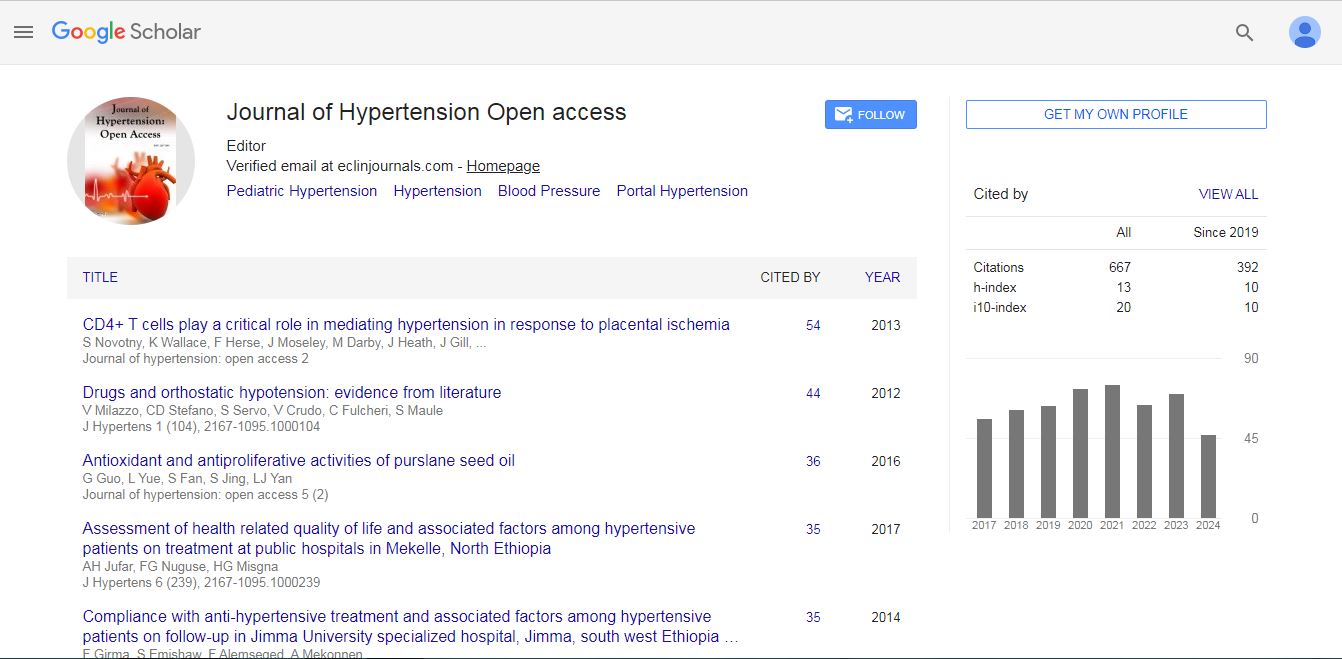
Journal of Hypertension: Open Access received 614 citations as per Google Scholar report