Perspective - (2025) Volume 9, Issue 3
Received: 01-Aug-2025, Manuscript No. jeh-26-179991;
Editor assigned: 04-Aug-2025, Pre QC No. P-179991;
Reviewed: 15-Aug-2025, QC No. Q-179991;
Revised: 22-Aug-2025, Manuscript No. R-179991;
Published:
29-Aug-2025
, DOI: 10.37421/2684-4923.2025.9.273
Citation: Costa, Fernanda. ”Coral Resilience: Combating Warming And Degradation.” J Environ Hazard 09 (2025):273.
Copyright: © 2025 Costa F. This is an open-access article distributed under the terms of the Creative Commons Attribution License, which permits unrestricted use, distribution
and reproduction in any medium, provided the original author and source are credited.
Coral bleaching, a phenomenon driven by escalating ocean temperatures, represents a significant global threat to marine ecosystems, particularly coral reefs. This process involves the expulsion of symbiotic algae, known as zooxanthellae, from coral tissues, resulting in a loss of coloration and essential energy sources. The increasing frequency and severity of these bleaching events are pushing numerous reef systems toward critical thresholds [1].
Recovery rates for coral reefs following bleaching events are frequently insufficient to counteract the accelerating pace of thermal stress. Studies indicate that repeated bleaching episodes hinder the capacity of corals to reacquire their symbiotic algae and overall health, leading to prolonged degradation. Moreover, local stressors such as pollution and overfishing amplify these adverse effects, underscoring the necessity for comprehensive management strategies to bolster reef resilience [2].
Ocean acidification, a concurrent stressor alongside rising ocean temperatures, further compromises the health of coral reefs by diminishing the availability of carbonate ions crucial for skeletal formation. Research consistently demonstrates that the combined impacts of warming and acidification substantially impede coral calcification and elevate susceptibility to bleaching and diseases, precipitating a more rapid deterioration of reef structure and function [3].
The identification of resilient coral genotypes and populations is paramount for effective conservation efforts. Investigations employing genomic approaches are instrumental in pinpointing coral species with enhanced tolerance to thermal stress, thereby illuminating the genetic underpinnings of resistance to bleaching. This knowledge is indispensable for advancing assisted evolution strategies and for designating priority areas for marine protected zones that may function as ecological refugia [4].
The ecological and economic ramifications of coral reef degradation are substantial, affecting not only marine biodiversity but also coastal communities dependent on fisheries and tourism. Quantitative analyses of economic losses attributable to coral bleaching highlight the urgent requirement for global climate change mitigation actions to safeguard these invaluable natural assets [5].
Local stressors, including nutrient pollution and sedimentation, can significantly exacerbate the detrimental effects of thermal stress on coral reefs, rendering them more susceptible to bleaching. Studies examining the combined influences of these stressors in tropical reef environments have revealed that polluted areas experience more severe and prolonged bleaching episodes, coupled with slower recovery rates compared to less impacted sites [6].
The diversity of symbiotic algae, specifically Symbiodiniaceae, residing within coral tissues plays a critical role in a coral's capacity to withstand thermal stress. Research into shifts within these Symbiodiniaceae communities offers crucial insights into how they influence the severity and ultimate outcome of coral bleaching events, emphasizing the importance of understanding these complex symbiotic interactions for forecasting the future of reefs [7].
Marine heatwaves are occurring with increasing frequency and intensity, serving as primary drivers of mass coral bleaching events. Global assessments of recent marine heatwave occurrences and their devastating consequences for coral reefs underscore the direct correlation between anthropogenic climate change and coral mortality, reinforcing the imperative for immediate reductions in greenhouse gas emissions [8].
Understanding the intricate dynamics of larval dispersal and the resultant connectivity patterns among reef systems is fundamental to developing effective management and conservation strategies. Studies analyzing larval transport mechanisms reveal their influence on the genetic diversity and recolonization potential of coral populations post-bleaching, emphasizing the vital role of maintaining interconnected reef networks for overall resilience [9].
While climate change remains the principal catalyst for coral bleaching, the long-term viability of reef ecosystems will undeniably be shaped by the implementation of innovative restoration and adaptation initiatives. Emerging techniques, including assisted gene flow, coral gardening, and the cultivation of heat-tolerant coral strains, offer promising avenues for ensuring the persistence of these critical marine habitats [10].
Coral bleaching, exacerbated by rising ocean temperatures, poses a critical threat to global reef ecosystems. This process involves the dissociation of symbiotic algae (zooxanthellae) from coral tissues, leading to a loss of color and vital energy reserves. The escalating frequency and intensity of these events are driving many reefs towards irreversible tipping points, necessitating a deeper understanding of differential species resilience and cascading ecological impacts [1].
Following bleaching events, the capacity of coral reefs to recover is often outpaced by the accelerating frequency of thermal stress. Evidence suggests that repeated exposure to elevated temperatures impairs corals' ability to re-establish symbiotic relationships and regain overall health, contributing to long-term ecosystem decline. Furthermore, localized pressures such as pollution and overfishing intensify these negative impacts, highlighting the need for multifaceted management approaches to enhance reef resilience [2].
Ocean acidification, acting in concert with rising sea surface temperatures, further compromises coral reef health by reducing the availability of carbonate ions, which are essential for skeletal growth. Research indicates that the synergistic effects of warming and acidification significantly inhibit coral calcification and increase vulnerability to bleaching and disease, leading to a more rapid degradation of reef structures and functions [3].
A key focus in coral reef conservation involves the identification of resilient coral genotypes and populations. Genomic studies are proving invaluable in identifying corals that exhibit a higher tolerance to thermal stress, offering insights into the genetic basis of bleaching resistance. This knowledge is crucial for developing assisted evolution strategies and for prioritizing the establishment of marine protected areas that can serve as crucial refugia [4].
The degradation of coral reefs carries substantial ecological and economic consequences, affecting not only marine life but also coastal communities that rely heavily on fisheries and tourism. Studies that quantify the economic losses stemming from coral bleaching underscore the urgent global imperative for mitigating climate change to preserve these vital ecosystems and the services they provide [5].
Local stressors, such as nutrient pollution and sedimentation, can significantly amplify the damaging effects of thermal stress on coral reefs, making them more susceptible to bleaching. Investigations into the combined impacts of these factors in tropical reef environments have shown that polluted areas experience more severe and protracted bleaching events, along with slower recovery rates compared to cleaner reef sites [6].
The diversity of symbiotic algae (Symbiodiniaceae) harbored within coral tissues is a significant determinant of a coral's resilience to thermal stress. Examining shifts in these Symbiodiniaceae communities provides critical information on how they influence the severity and ultimate outcome of coral bleaching, emphasizing the importance of understanding these symbiotic relationships for predicting the future of coral reefs [7].
Marine heatwaves, characterized by prolonged periods of unusually warm ocean temperatures, are becoming more frequent and intense, directly triggering mass coral bleaching events. Global analyses of these events and their devastating effects on coral reefs reinforce the direct link between anthropogenic climate change and widespread coral mortality, emphasizing the urgent need for substantial reductions in greenhouse gas emissions [8].
Understanding the complex processes of larval dispersal and the resulting patterns of connectivity among coral populations is essential for effective reef management and conservation. Research into larval transport dynamics highlights their influence on the genetic diversity and the capacity for recolonization following bleaching events, underscoring the importance of maintaining connected reef networks for overall ecosystem resilience [9].
While climate change is the primary driver of coral bleaching, the future persistence of reef ecosystems will heavily depend on the successful implementation of innovative restoration and adaptation strategies. Emerging techniques, including assisted gene flow, the practice of coral gardening, and the development of coral strains with enhanced heat tolerance, offer potential solutions for safeguarding these critical marine habitats [10].
Coral reefs worldwide face severe threats from rising ocean temperatures, leading to widespread bleaching events where corals expel symbiotic algae. This phenomenon, compounded by ocean acidification and local stressors like pollution, hinders reef recovery and ecosystem health. Research focuses on identifying resilient coral genotypes and understanding symbiotic relationships to aid conservation. The ecological and economic consequences of reef degradation are significant, necessitating urgent climate action and innovative restoration strategies such as assisted gene flow and the development of heat-tolerant coral strains. Effective management also requires considering larval dispersal and connectivity to ensure reef resilience in a warming world.
None
None
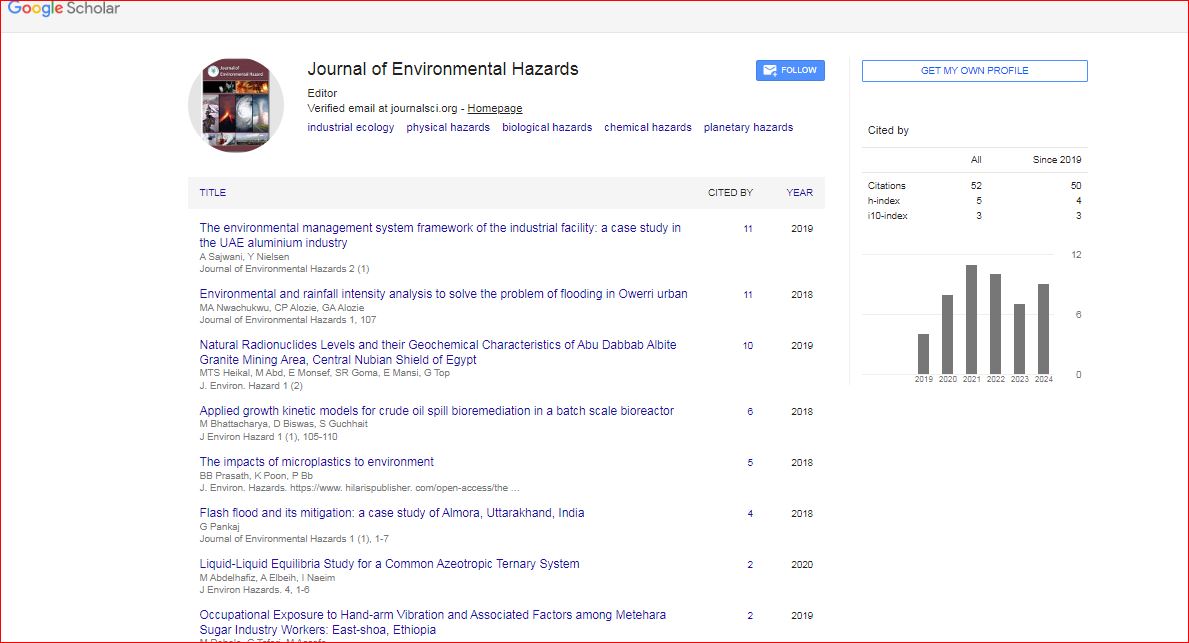
Journal of Environmental Hazards received 51 citations as per Google Scholar report