Brief Report - (2025) Volume 10, Issue 6
Received: 03-Nov-2025, Manuscript No. JPNM-26-185751;
Editor assigned: 05-Nov-2025, Pre QC No. P-185751;
Reviewed: 17-Nov-2025, QC No. Q-185751;
Revised: 24-Nov-2025, Manuscript No. R-185751;
Published:
29-Nov-2025
, DOI: 10.37421/2472-100X.2025.10.373
Citation: Silva, Ricardo. ”Communicating Vaccine Confidence: A Guide for Caregivers.” J Pediatr Neurol Med 10 (2025):373.
Copyright: © 2025 Silva R. This is an open-access article distributed under the terms of the Creative Commons Attribution License, which permits unrestricted use, distribution and reproduction in any medium, provided the original author and source are credited.
Addressing vaccine hesitancy in pediatric populations is a critical public health imperative, necessitating effective communication strategies tailored for caregivers. This approach focuses on building trust, empathetically addressing concerns with evidence-based information, and empowering parents to make informed decisions regarding their children's health. Key strategies include personalized conversations, leveraging credible sources, and understanding the psychological underpinnings of vaccine refusal [1].
Understanding the parental perspective is paramount when discussing childhood immunizations. This involves exploring common parental concerns, such as vaccine safety and efficacy, and outlining a framework for healthcare providers to engage in open dialogue, address misinformation, and reinforce the benefits of vaccination. The impact of trust in healthcare professionals and clear, factual communication is highlighted [2].
The role of healthcare providers in mitigating vaccine hesitancy cannot be overstated. This involves examining effective communication techniques, including motivational interviewing and shared decision-making models, to support caregivers in making informed choices about pediatric vaccinations. A non-judgmental approach and tailoring information to individual parental concerns are emphasized [3].
Misinformation and disinformation surrounding vaccines pose a significant challenge to public health efforts. Investigating the spread of false narratives and their impact on caregiver vaccine decisions is crucial. Strategies for healthcare professionals to identify and counter vaccine myths effectively, reinforcing the safety and benefits of routine childhood immunizations through evidence-based discourse, are proposed [4].
Building trust is foundational to addressing vaccine hesitancy. The critical role of the patient-provider relationship in fostering vaccine confidence is explored. Practical advice for pediatricians on how to engage in empathetic communication, address parental anxieties, and build a partnership for safeguarding child health through immunization is offered [5].
Socio-cultural factors significantly influence vaccine hesitancy among diverse caregiver groups. This necessitates culturally sensitive communication strategies and community engagement to promote vaccine acceptance. Understanding cultural beliefs and values is presented as key to developing effective interventions [6].
The digital landscape presents both opportunities and challenges in disseminating vaccine information. Exploring how online platforms influence caregiver vaccine attitudes and decisions is important. Recommendations for healthcare providers to leverage digital tools for accurate information dissemination and to engage with parents online responsibly are provided [7].
Empowering caregivers with knowledge is a powerful tool against vaccine hesitancy. Detailing an evidence-based educational program for parents, focusing on the science behind vaccines, their safety profiles, and their critical role in preventing infectious diseases, is essential. The program emphasizes interactive learning and addressing specific parental questions [8].
The impact of personal narratives and testimonials on vaccine confidence is explored. Examining how sharing positive experiences with vaccination can influence parental decision-making offers a complementary approach to purely scientific information. Relatable stories can humanize the vaccination process [9].
Community health workers play a vital role in reaching underserved populations with accurate vaccine information. Discussing how these workers can be trained to address vaccine hesitancy effectively, acting as trusted messengers within their communities, is important. Culturally appropriate outreach and building local support for immunization programs are highlighted [10].
Addressing vaccine hesitancy in pediatric populations requires sophisticated communication strategies aimed at caregivers, emphasizing trust-building, empathetic engagement with concerns, and empowering informed decision-making. Personalized interactions, reliance on credible sources, and an understanding of the psychological roots of vaccine refusal are key components for success [1].
Understanding parental perspectives on childhood immunizations is fundamental. This involves identifying common concerns regarding vaccine safety and effectiveness, and establishing a framework for healthcare providers to foster open dialogue, debunk misinformation, and underscore the advantages of vaccination. The significance of trust in medical professionals and clear, factual communication is paramount [2].
The indispensable role of healthcare providers in diminishing vaccine hesitancy is recognized. This entails employing effective communication techniques, such as motivational interviewing and shared decision-making, to assist caregivers in making well-informed choices about pediatric vaccinations. A non-judgmental stance and customized information delivery are crucial [3].
Misinformation and disinformation surrounding vaccines present a substantial hurdle for public health initiatives. It is vital to investigate how false narratives spread and affect parental decisions about vaccination. Healthcare providers need strategies to identify and effectively counteract vaccine myths, reinforcing the safety and benefits of childhood immunizations with evidence-based communication [4].
Establishing trust serves as the cornerstone for tackling vaccine hesitancy. The profound impact of the patient-provider relationship on vaccine confidence is a key area of exploration. Practical guidance for pediatricians on empathetic communication, addressing parental anxieties, and forming collaborative partnerships to protect children's health through immunization is provided [5].
Socio-cultural elements exert a considerable influence on vaccine hesitancy across diverse caregiver demographics. This underscores the necessity of culturally sensitive communication and community engagement to bolster vaccine acceptance. Recognizing and integrating cultural beliefs and values is essential for developing impactful interventions [6].
The digital sphere, while a source of information, also disseminates misinformation about vaccines. Investigating the influence of online platforms on parental vaccine attitudes and choices is crucial. Recommendations for healthcare providers to utilize digital tools for disseminating accurate information and engaging responsibly with parents online are essential [7].
Providing caregivers with knowledge acts as a potent defense against vaccine hesitancy. Developing and detailing evidence-based educational programs for parents, focusing on vaccine science, safety profiles, and their disease-prevention role, is vital. Such programs should prioritize interactive learning and direct engagement with parental queries [8].
The influence of personal stories and testimonials on vaccine confidence warrants examination. Understanding how sharing positive vaccination experiences can shape parental decisions offers a valuable supplement to scientific data. These relatable narratives can help personalize the vaccination experience [9].
Community health workers are instrumental in extending accurate vaccine information to underserved populations. Training these workers to effectively address vaccine hesitancy, acting as trusted community liaisons, is essential. Emphasizing culturally appropriate outreach and fostering local support for immunization programs is critical [10].
Vaccine hesitancy in children is a significant public health concern requiring effective communication strategies for caregivers. Key approaches involve building trust, empathetic engagement with concerns using evidence, and empowering informed decisions. Healthcare providers play a crucial role through effective communication techniques, while addressing misinformation and leveraging digital platforms are also vital. Socio-cultural factors and personal narratives influence vaccine confidence, underscoring the need for culturally sensitive and relatable information. Community health workers can serve as trusted messengers, especially in underserved communities. Educational programs that focus on the science and safety of vaccines are also important tools in combating hesitancy.
None
None
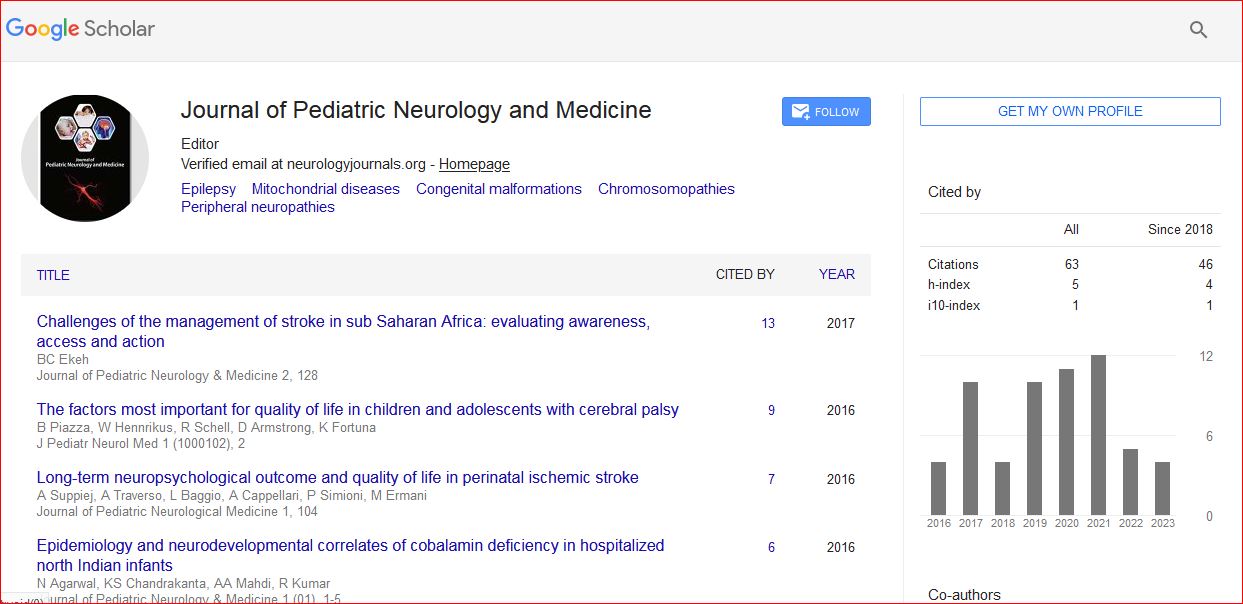
Journal of Pediatric Neurology and Medicine received 68 citations as per Google Scholar report