GET THE APP

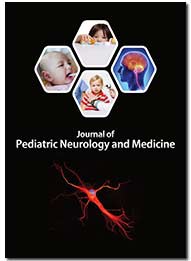
Journal of Pediatric Neurology and Medicine

Journal of Pediatric Neurology and Medicine

ISSN: 2472-100X

Open Access

Articles in press and Articles in process

    Research Article Pages: 1 - 5

    Functional Bladder Capacity in Children with Primary Monosymptomatic Nocturnal Enuresis

    Aarti Kumar*, Kanika Kapoor, Kailash Chandra Aggarwal, Anup Kumara, and R. Chandra

    Objective: To study the clinical profile and to assess the Functional Bladder Capacity by ultrasonography and uroflowmetry in children presenting with Primary Monosymptomatic Nocturnal Enuresis.

    Methods: An observational study was carried out in children (aged 5 -15 years) presenting to Pediatrics OPD between November 2018 to February 2020 with PMNE. Detailed history using a Clinical Management Tool, clinical examination, UTI investigation, Ultrasonography of KUB done. Also, Urodynamic Studies done. A 48-hour bladder diary provided to measure intake of fluids and frequency/ volume of urine.

    Results: 46 children with mean age of 9.61 years were included. Boys were more affected than girls. Significantly associated factors were younger age, families with low income, family history of bedwetting, 37 patients (80.4%) had low functional bladder capacity. In 21 out of 26 children in whom UDS done showed normal in 21 children and abnormal only in 5 children. A weak correlation noted between maximal voided volume by bladder diary and voided volumes by UDS and FBC by ultrasound respectively.

    Conclusion: PMNE is a multi-etiological disorder results from the interaction of genetics, sleep and psychological disturbances. History taking and bladder diary are sufficient for diagnosis but ultrasound and uroflowmetry to be done where facilities are available since abnormal UDS can be seen in PMNE cases too and low FBC noted.

      Case Report Pages: 1 - 4

      Rare Case of Mobius Syndrome: A Case Report

      Gregory Ngo* and Roy Chowdhury

      DOI: 10.37421/2472-100X.2023.8.232

      Moebius syndrome is a rare birth defect that mainly affects the muscles that control facial expression and eye movement. It is caused by the absence or underdevelopment of the sixth and seventh cranial nerves, which control eye movements and facial expression. Moebius syndrome can affect the cranial nerves that control the muscles of the tongue, jaw, larynx, and throat, as well as those that create speech.

        Research Article Pages: 1 - 5

        Prevalence for the Risk of Neonatal Death and Associated Factors in Awi Zone, Amhara Region, Northwest, Ethiopia

        Zemenay Tiruneh*, Tinsae Kassa, Melaku Tadege and Awoke Seyoum Tegegne

        Background: Neonatal mortality is the death of the neonate within the first month of life. Globally each year over four million neonates died within 28 days of birth. In Ethiopia, the prevalence of neonatal mortality is not proportional across regions as such the Amhara region was the second highest neonatal mortality with 54 deaths per 1000 live births. Therefore, this study aimed to investigate the prevalence and associated factors of neonatal mortality in Awi zone, Amhara region, Ethiopia.

        Methods: A community-based cross-sectional study was conducted on 1299 randomly selected neonates for the current study from March to May 2020. A multistage sampling technique with logistic regression model was conducted in current study. Administered structured questioner, prepared by WHO in 2016, was used for data collection. SPSS version 25 software was used for analysis and data entry too.

        Results: The risk of neonatal mortality in the study area was 20.9 per 1000 live births. Among the predictor variable; the preterm neonates (AHR=4.54, 95% CI: 1.57, 13.17, p-value=0.005), neonates borne from primiparous mother (AHR=4.21, 95% CI: 1.39, 12.7, p-value=0.011), neonates from mothers who had a previous neonatal history (AHR 3.50, 95% CI: (1.33, 9.20), p-value=0.011), neonates borne for mothers who did not have antenatal care (AHR=3.20, 95% CI: (1.10, 9.30), p-value=0.033), neonates whose delivery not at health institutes (AHR=4.17, 95% CI: (1.24, 14.08), p-value=0.02) and neonates born from mothers with an abortion history (AHR=4.60, 95% CI: (1.90, 11.32), p-value=0.001) had significant role for the existence of neonatal death in the study area.

        Conclusion: The risk of neonatal death was significantly associated with mother’s order of birth, duration of pregnancy, antenatal care, history of neonatal mortality, place of delivery and history abortion. Health related education should be conducted for women of reproductive age to get the antenatal care service and to deliver at health institutes. Hence, it is important to encourage mothers to use antenatal care service and deliver in health institutions.

          Value Added Abstracts Pages: 1 - 2

          Virtual Care: Innovative ways of Prenatal Education

          Anupriya Sarala

          Share this article

          According to WHO, lack of knowledge is one of the leading causes for women not attending antenatal care. Knowledge and awareness of normal pregnancy and breastfeeding practices is the key to make informed decision during the precious time in women’s life. Offering structured, easy to follow education helps the mothers to be aware of the healthcare trends and available care options, identify variations from normal, seek medical care when needed etc

        Relevant Topics

arrow_upward arrow_upward