Perspective - (2025) Volume 16, Issue 4
Received: 02-Aug-2025, Manuscript No. jvst-26-188040;
Editor assigned: 04-Aug-2025, Pre QC No. P-188040;
Reviewed: 18-Aug-2025, QC No. Q-188040;
Revised: 25-Aug-2025, Manuscript No. R-188040;
Published:
01-Sep-2025
, DOI: 10.37421/2157-7579.2025.16.309
Citation: Mendoza, Carlos. ”Climate Change: Animal Health
Challenges and One Health.” J Vet Sci Techno 16 (2025):309.
Copyright: © 2025 Mendoza C. This is an open-access article distributed under the terms of the Creative Commons Attribution License, which permits unrestricted use,
distribution and reproduction in any medium, provided the original author and source are credited.
Climate change represents a profound and escalating global challenge, with far-reaching implications across numerous sectors, including animal health and well-being. The complex interplay of altered environmental conditions creates a novel landscape of risks and demands adaptive strategies from various disciplines. This section will explore the multifaceted impacts of climate change on animal health, drawing from current research to elucidate the challenges and potential pathways forward. The increasing frequency and intensity of extreme weather events, such as heatwaves and droughts, directly threaten animal survival and health. These events can lead to direct mortality and injury, but also indirectly through habitat destruction and displacement, forcing animals into less favorable environments. For domestic livestock, heat stress is a significant welfare and productivity issue. It manifests as reduced growth rates, decreased fertility, and a heightened susceptibility to other diseases, underscoring the need for effective mitigation strategies to ensure animal well-being and agricultural stability.
Furthermore, shifts in temperature and precipitation patterns are creating more hospitable environments for the proliferation and spread of vector-borne diseases in animals. Pathogens like those causing babesiosis and anaplasmosis are finding new avenues for transmission, necessitating the development of updated diagnostic tools and more robust control measures to combat these emerging threats. The availability and quality of water resources are also being significantly impacted by altered precipitation patterns. Livestock face increased risks of waterborne diseases and dehydration, particularly in arid and semi-arid regions, where water scarcity becomes a critical concern for animal health and survival in pastoral systems. Vegetation composition and availability are undergoing climate-induced transformations, directly influencing the nutritional status of grazing animals. These shifts in forage quality and quantity can lead to nutritional deficiencies, impacting crucial aspects of animal health such as growth, reproduction, and immune function in both wild and domestic herbivores. The health of wildlife populations is also profoundly affected by these environmental changes. Habitat fragmentation and the disruption of food webs contribute to population declines and increase their vulnerability to novel diseases, posing significant challenges for conservation efforts and the overall integrity of ecosystems. Beyond direct health impacts, the changing climate influences the lifecycle and virulence of zoonotic pathogens, thereby increasing the risk of disease transmission between animals and humans. This escalating threat underscores the critical need for enhanced, interdisciplinary surveillance to effectively monitor and respond to these emerging public health concerns. The veterinary profession, particularly in rural settings, is at the forefront of addressing these climate-related animal health issues. There is a clear need to adapt veterinary practice technology to better monitor, diagnose, and manage these challenges, including the development of predictive models for disease outbreaks and the implementation of climate-resilient farming practices. Ultimately, a comprehensive understanding and effective mitigation of the effects of climate change on animal health demand a collaborative, integrated approach. The One Health framework, which synthesizes veterinary, human, and environmental health perspectives, offers a synergistic pathway to developing holistic and sustainable solutions for the complex challenges ahead. This multifaceted impact highlights the interconnectedness of environmental health, animal health, and human health, emphasizing the need for a united front in addressing this global crisis. The implications for global food security, biodiversity, and public health are substantial, requiring urgent and coordinated action from all stakeholders. The scientific community continues to work towards a deeper understanding of these complex interactions to inform policy and practice, ensuring a more resilient future for both animal and human populations in the face of a changing planet. The adaptation of diagnostic tools and control strategies must be dynamic and responsive to the evolving nature of these climate-driven threats, ensuring that veterinary professionals are equipped with the latest advancements in disease management and prevention. The economic ramifications for agricultural sectors are also considerable, necessitating proactive measures to safeguard livelihoods and ensure sustainable food production systems. The long-term consequences for wildlife conservation and the preservation of biodiversity are equally significant, requiring targeted interventions to protect vulnerable species and their habitats from the escalating pressures of climate change. Addressing these interconnected issues is paramount to maintaining ecological balance and safeguarding the health of all living beings on Earth. The continuous monitoring of environmental parameters and their correlation with animal health indicators will be essential for early detection and intervention. The development of innovative technologies for disease surveillance and early warning systems will play a crucial role in mitigating the impact of climate-driven health threats on animal populations worldwide. The integration of climate modeling with epidemiological data will enhance our ability to predict and prepare for future health challenges, enabling more effective resource allocation and intervention strategies. The collaborative efforts between researchers, policymakers, and practitioners are vital to translate scientific findings into actionable strategies that promote animal health and resilience in a changing climate. This integrated approach will foster a proactive stance against emerging diseases and environmental stressors, thereby contributing to a healthier and more sustainable planet for all. The veterinary profession, in collaboration with other scientific disciplines, must lead the charge in developing innovative solutions to address these complex challenges, ensuring the well-being of animals and the sustainability of ecosystems. This includes fostering research into climate-resilient animal husbandry and promoting the adoption of sustainable agricultural practices that minimize environmental impact and enhance animal health. The development of robust public health policies that consider the interconnectedness of animal, human, and environmental health is also crucial for a comprehensive response to climate change. This requires a commitment to evidence-based decision-making and the active engagement of all relevant stakeholders in the policy development process. The future of animal health and ecosystem stability hinges on our ability to adapt to and mitigate the impacts of a changing climate through collective action and scientific innovation. The recognition of climate change as a significant driver of animal disease necessitates a paradigm shift in how we approach veterinary medicine and public health, emphasizing prevention and preparedness. The global community must prioritize investments in research, infrastructure, and capacity building to address the complex health challenges posed by climate change. The ongoing monitoring of emerging diseases and their correlation with climatic factors will be essential for timely interventions and the development of effective control strategies. The collaboration between international organizations, national governments, and research institutions is crucial for a coordinated and effective response to this global health crisis. The ultimate goal is to build a resilient future where both animal and human populations can thrive in a changing environment. This will require a sustained commitment to scientific inquiry, technological innovation, and collaborative action across all sectors. The development of early warning systems and predictive models will be instrumental in anticipating and responding to climate-driven health risks, thereby minimizing their impact on animal populations and ecosystems. The integration of indigenous knowledge and traditional practices with scientific advancements can offer valuable insights into adaptive strategies for animal health management in diverse environmental contexts. The promotion of sustainable land use practices and the conservation of natural habitats are essential for maintaining the health and resilience of wildlife populations in the face of climate change. This holistic approach ensures that all aspects of the environment are considered in the development of effective animal health strategies. The global commitment to addressing climate change must be reinforced with concrete actions that prioritize the well-being of animals and the ecosystems they inhabit. This includes investing in research and development of climate-resilient livestock breeds and promoting adaptive management strategies for wildlife populations. The continuous evaluation of the effectiveness of implemented strategies and the willingness to adapt them based on new scientific evidence are crucial for long-term success. The ethical considerations of animal welfare must be at the forefront of all climate change adaptation and mitigation efforts. The development of international collaborations and knowledge-sharing platforms will facilitate the rapid dissemination of best practices and innovative solutions for animal health in a changing climate. Climate change is fundamentally reshaping the distribution and prevalence of animal diseases, creating a dynamic and often unpredictable landscape for veterinary professionals and public health officials alike. Altered climatic conditions, including rising temperatures and shifting precipitation patterns, are creating new niches for pathogens and their vectors to thrive and expand their geographical reach. This phenomenon directly impacts the health and survival of both domestic and wild animal populations, with cascading effects on ecosystems and potentially on human health through zoonotic transmission. The increasing frequency and intensity of extreme weather events, such as heatwaves, floods, and droughts, directly threaten animal well-being. These events can lead to direct mortality and injury, but also indirectly through habitat destruction, displacement, and the exacerbation of existing health vulnerabilities, creating complex challenges for conservation and animal management efforts. The direct impacts of rising global temperatures are particularly concerning for livestock. Heat stress is a significant welfare and productivity issue for domestic animals, leading to reduced growth rates, decreased fertility, and an increased susceptibility to secondary infections. Addressing this challenge requires the implementation of effective mitigation strategies to ensure animal well-being and maintain agricultural productivity. Changes in temperature and precipitation patterns are creating favorable conditions for the spread of vector-borne diseases in animals. These include diseases such as babesiosis and anaplasmosis, which are increasingly being observed in new geographical areas as climate variability allows for the expansion of vector populations. This necessitates the development and implementation of updated diagnostic tools and control measures to manage these emerging infectious threats effectively. Altered precipitation patterns are also impacting the availability and quality of water resources for livestock. Increased drought conditions can lead to water scarcity, while heavy rainfall events can degrade water quality, increasing the risk of waterborne diseases and dehydration, especially in pastoral systems that are highly reliant on natural water sources. The composition and availability of vegetation, which form the basis of the diet for grazing animals, are being altered by climate change. Shifts in plant species, growth cycles, and nutritional content can lead to nutritional deficiencies in wild and domestic herbivores. These deficiencies can compromise animal growth, reproduction, and immune function, making them more vulnerable to disease and environmental stressors. The welfare of wild animals is also profoundly affected by climate change through habitat fragmentation and the disruption of food webs. These changes can lead to population declines, increased stress levels, and a greater vulnerability to novel diseases, posing significant threats to biodiversity and ecosystem integrity. The interconnectedness of climate change and zoonotic disease emergence is a critical concern. The changing climate can influence the lifecycle, distribution, and virulence of pathogens that can be transmitted from animals to humans, posing substantial risks to public health. This underscores the need for enhanced interdisciplinary surveillance and collaborative efforts to monitor and respond to these evolving threats. Veterinary rural practice faces the challenge of adapting its technological and methodological approaches to effectively monitor and manage climate-related animal health issues. This includes the development of predictive models for disease outbreaks and the implementation of climate-resilient farming practices that can withstand environmental changes. A holistic and integrated approach is essential for understanding and mitigating the complex effects of climate change on animal health. The One Health framework, which emphasizes the interconnectedness of human, animal, and environmental health, provides a valuable paradigm for developing comprehensive and sustainable solutions. This approach recognizes that addressing animal health in the context of climate change requires collaboration across disciplines and sectors, fostering a more effective and efficient response to global health challenges. The continuous monitoring of environmental parameters and their correlation with animal health indicators will be essential for early detection and intervention. The development of innovative technologies for disease surveillance and early warning systems will play a crucial role in mitigating the impact of climate-driven health threats on animal populations worldwide. The integration of climate modeling with epidemiological data will enhance our ability to predict and prepare for future health challenges, enabling more effective resource allocation and intervention strategies. The collaborative efforts between researchers, policymakers, and practitioners are vital to translate scientific findings into actionable strategies that promote animal health and resilience in a changing climate. This integrated approach will foster a proactive stance against emerging diseases and environmental stressors, thereby contributing to a healthier and more sustainable planet for all. The veterinary profession, in collaboration with other scientific disciplines, must lead the charge in developing innovative solutions to address these complex challenges, ensuring the well-being of animals and the sustainability of ecosystems. This includes fostering research into climate-resilient animal husbandry and promoting the adoption of sustainable agricultural practices that minimize environmental impact and enhance animal health. The development of robust public health policies that consider the interconnectedness of animal, human, and environmental health is also crucial for a comprehensive response to climate change. This requires a commitment to evidence-based decision-making and the active engagement of all relevant stakeholders in the policy development process. The future of animal health and ecosystem stability hinges on our ability to adapt to and mitigate the impacts of a changing climate through collective action and scientific innovation. The recognition of climate change as a significant driver of animal disease necessitates a paradigm shift in how we approach veterinary medicine and public health, emphasizing prevention and preparedness. The global community must prioritize investments in research, infrastructure, and capacity building to address the complex health challenges posed by climate change. The ongoing monitoring of emerging diseases and their correlation with climatic factors will be essential for timely interventions and the development of effective control strategies. The collaboration between international organizations, national governments, and research institutions is crucial for a coordinated and effective response to this global health crisis. The ultimate goal is to build a resilient future where both animal and human populations can thrive in a changing environment. This will require a sustained commitment to scientific inquiry, technological innovation, and collaborative action across all sectors. The development of early warning systems and predictive models will be instrumental in anticipating and responding to climate-driven health risks, thereby minimizing their impact on animal populations and ecosystems. The integration of indigenous knowledge and traditional practices with scientific advancements can offer valuable insights into adaptive strategies for animal health management in diverse environmental contexts. The promotion of sustainable land use practices and the conservation of natural habitats are essential for maintaining the health and resilience of wildlife populations in the face of climate change. This holistic approach ensures that all aspects of the environment are considered in the development of effective animal health strategies. The global commitment to addressing climate change must be reinforced with concrete actions that prioritize the well-being of animals and the ecosystems they inhabit. This includes investing in research and development of climate-resilient livestock breeds and promoting adaptive management strategies for wildlife populations. The continuous evaluation of the effectiveness of implemented strategies and the willingness to adapt them based on new scientific evidence are crucial for long-term success. The ethical considerations of animal welfare must be at the forefront of all climate change adaptation and mitigation efforts. The development of international collaborations and knowledge-sharing platforms will facilitate the rapid dissemination of best practices and innovative solutions for animal health in a changing climate. The intricate relationship between climate change and animal health is undeniable, with profound implications for ecosystems and human well-being. As global temperatures rise and weather patterns become increasingly erratic, animals face a spectrum of threats, from the direct impacts of extreme weather to the subtle but significant shifts in disease dynamics and nutritional availability. The alteration of disease distribution patterns is a critical concern, as warmer climates can facilitate the survival and spread of pathogens and their vectors into new territories, posing novel challenges for disease control. Simultaneously, increased heat stress directly affects animal welfare and productivity, leading to reduced growth, fertility issues, and a weakened immune system, making them more susceptible to opportunistic infections. These compounding factors necessitate a proactive and adaptive approach to veterinary practice and disease surveillance, integrating real-time data and predictive modeling to anticipate and respond to emerging threats effectively. The variability in temperature and precipitation patterns is creating a more conducive environment for vector-borne diseases to flourish and expand their reach. Diseases such as babesiosis and anaplasmosis, once geographically confined, are now appearing in new regions, highlighting the urgent need for updated diagnostic tools and control strategies that are responsive to these changing epidemiological landscapes. Water, a fundamental resource for all life, is also under considerable strain due to climate change. Altered precipitation patterns can lead to both water scarcity and degraded water quality, increasing the risk of dehydration and waterborne diseases among livestock, particularly in regions already vulnerable to drought. The very foundation of terrestrial food webs, vegetation, is being transformed by climate shifts. Changes in plant composition and quality directly impact the nutritional intake of grazing animals, leading to deficiencies that can undermine growth, reproductive success, and immune function, affecting both wild herbivores and domestic livestock. Wildlife populations are not immune to these changes; in fact, they are often at the forefront of climate-induced ecological disruption. Habitat fragmentation and altered food webs contribute to population declines and increase their susceptibility to new diseases, posing a significant threat to biodiversity and the stability of ecosystems. The risk of zoonotic disease transmission is also amplified by climate change, as altered environmental conditions can influence the lifecycle and virulence of pathogens capable of crossing the species barrier to infect humans. This underscores the critical need for enhanced, interdisciplinary surveillance and a One Health approach to effectively monitor and manage these interconnected health risks. Adapting veterinary practice technology is paramount, requiring the development of sophisticated tools for disease monitoring, predictive modeling of outbreaks, and the implementation of climate-resilient farming techniques to safeguard animal health in an unpredictable future. The One Health approach, which integrates human, animal, and environmental health perspectives, is crucial for developing comprehensive and sustainable solutions to the multifaceted challenges posed by climate change. This collaborative framework ensures that all interconnected aspects of health are considered, fostering a more effective and efficient response to global health challenges and promoting the resilience of both animal and human populations. Climate change is an undeniable driver of significant shifts in animal health, necessitating a paradigm shift in how we approach veterinary medicine and public health. The increasing prevalence of heat stress directly impacts livestock productivity and welfare, leading to reduced growth rates, fertility issues, and increased susceptibility to diseases. This underscores the importance of developing and implementing effective mitigation strategies to protect animal well-being and ensure the sustainability of agricultural systems. Furthermore, altered temperature and precipitation patterns are creating favorable conditions for the spread of vector-borne diseases, such as babesiosis and anaplasmosis, expanding their geographical distribution and demanding updated diagnostic tools and control measures. Water scarcity and quality degradation due to changing precipitation patterns pose risks of dehydration and waterborne illnesses for livestock, particularly in arid and semi-arid regions. Climate-induced changes in vegetation composition and nutritional value can lead to deficiencies in grazing animals, compromising their growth, reproduction, and immune function. Extreme weather events, including floods and droughts, directly contribute to animal mortality and injury, while also indirectly affecting health through habitat destruction and displacement. Wildlife health is severely impacted by habitat fragmentation and altered food webs, leading to population declines and increased vulnerability to novel diseases. The dynamic nature of climate change also influences the lifecycle and virulence of zoonotic pathogens, thereby increasing the risk of transmission to humans and highlighting the need for enhanced interdisciplinary surveillance. Adapting veterinary practice technology to monitor and manage these climate-related animal health issues is essential, requiring the development of predictive models for disease outbreaks and the implementation of climate-resilient farming practices. Ultimately, a One Health approach, integrating veterinary, human, and environmental health perspectives, is crucial for developing comprehensive and sustainable solutions to the complex challenges posed by climate change. This collaborative framework is key to fostering resilience in both animal and human populations. The interconnectedness of climate change and animal health presents a complex and evolving challenge that demands a comprehensive and integrated approach. The direct impacts of rising global temperatures, such as increased heat stress, compromise animal welfare and productivity, necessitating adaptive management strategies in livestock production. Simultaneously, altered precipitation patterns influence water availability and quality, increasing the risk of dehydration and waterborne diseases in animals. The spread of vector-borne diseases is facilitated by changing climatic conditions, expanding the geographical range of pathogens and demanding updated diagnostic and control measures. Nutritional deficiencies in grazing animals arise from climate-induced shifts in vegetation composition and quality, impacting growth, reproduction, and immune function. Extreme weather events exacerbate these challenges, leading to direct mortality and injury, while also causing habitat destruction and displacement, particularly affecting wildlife populations. The increased risk of zoonotic disease emergence, driven by climate-related alterations in pathogen lifecycle and virulence, underscores the critical need for enhanced interdisciplinary surveillance and a One Health framework. This integrated approach, bridging veterinary, human, and environmental health perspectives, is essential for developing sustainable solutions and building resilience in both animal and human populations against the multifaceted impacts of a changing climate. The continuous monitoring of environmental parameters and their correlation with animal health indicators will be essential for early detection and intervention. The development of innovative technologies for disease surveillance and early warning systems will play a crucial role in mitigating the impact of climate-driven health threats on animal populations worldwide. The integration of climate modeling with epidemiological data will enhance our ability to predict and prepare for future health challenges, enabling more effective resource allocation and intervention strategies. The collaborative efforts between researchers, policymakers, and practitioners are vital to translate scientific findings into actionable strategies that promote animal health and resilience in a changing climate. This integrated approach will foster a proactive stance against emerging diseases and environmental stressors, thereby contributing to a healthier and more sustainable planet for all. The veterinary profession, in collaboration with other scientific disciplines, must lead the charge in developing innovative solutions to address these complex challenges, ensuring the well-being of animals and the sustainability of ecosystems. This includes fostering research into climate-resilient animal husbandry and promoting the adoption of sustainable agricultural practices that minimize environmental impact and enhance animal health. The development of robust public health policies that consider the interconnectedness of animal, human, and environmental health is also crucial for a comprehensive response to climate change. This requires a commitment to evidence-based decision-making and the active engagement of all relevant stakeholders in the policy development process. The future of animal health and ecosystem stability hinges on our ability to adapt to and mitigate the impacts of a changing climate through collective action and scientific innovation. The recognition of climate change as a significant driver of animal disease necessitates a paradigm shift in how we approach veterinary medicine and public health, emphasizing prevention and preparedness. The global community must prioritize investments in research, infrastructure, and capacity building to address the complex health challenges posed by climate change. The ongoing monitoring of emerging diseases and their correlation with climatic factors will be essential for timely interventions and the development of effective control strategies. The collaboration between international organizations, national governments, and research institutions is crucial for a coordinated and effective response to this global health crisis. The ultimate goal is to build a resilient future where both animal and human populations can thrive in a changing environment. This will require a sustained commitment to scientific inquiry, technological innovation, and collaborative action across all sectors. The development of early warning systems and predictive models will be instrumental in anticipating and responding to climate-driven health risks, thereby minimizing their impact on animal populations and ecosystems. The integration of indigenous knowledge and traditional practices with scientific advancements can offer valuable insights into adaptive strategies for animal health management in diverse environmental contexts. The promotion of sustainable land use practices and the conservation of natural habitats are essential for maintaining the health and resilience of wildlife populations in the face of climate change. This holistic approach ensures that all aspects of the environment are considered in the development of effective animal health strategies. The global commitment to addressing climate change must be reinforced with concrete actions that prioritize the well-being of animals and the ecosystems they inhabit. This includes investing in research and development of climate-resilient livestock breeds and promoting adaptive management strategies for wildlife populations. The continuous evaluation of the effectiveness of implemented strategies and the willingness to adapt them based on new scientific evidence are crucial for long-term success. The ethical considerations of animal welfare must be at the forefront of all climate change adaptation and mitigation efforts. The development of international collaborations and knowledge-sharing platforms will facilitate the rapid dissemination of best practices and innovative solutions for animal health in a changing climate. Climate change poses a substantial and growing threat to animal health, impacting disease distribution, exacerbating heat stress, and leading to nutritional deficiencies. These interconnected challenges demand adaptive strategies in veterinary practice and disease surveillance. The increasing variability in temperature and precipitation patterns fosters the spread of vector-borne diseases, necessitating updated diagnostic tools and control measures. Likewise, altered precipitation affects water quality and availability, increasing the risk of waterborne diseases and dehydration, particularly in arid regions. Shifts in vegetation due to climate change result in nutritional stress for grazing animals, affecting their growth, reproduction, and immune function. Extreme weather events directly cause mortality and injury, while habitat destruction and displacement indirectly impact animal health. The changing climate also influences zoonotic pathogens, posing risks to both animal and human health and requiring enhanced interdisciplinary surveillance. Adapting veterinary practice technology to monitor and manage these climate-related issues, including predictive modeling and resilient farming practices, is crucial. A One Health approach, integrating environmental, animal, and human health perspectives, is vital for developing comprehensive solutions to these complex challenges. The continuous monitoring of environmental parameters and their correlation with animal health indicators will be essential for early detection and intervention. The development of innovative technologies for disease surveillance and early warning systems will play a crucial role in mitigating the impact of climate-driven health threats on animal populations worldwide. The integration of climate modeling with epidemiological data will enhance our ability to predict and prepare for future health challenges, enabling more effective resource allocation and intervention strategies. The collaborative efforts between researchers, policymakers, and practitioners are vital to translate scientific findings into actionable strategies that promote animal health and resilience in a changing climate. This integrated approach will foster a proactive stance against emerging diseases and environmental stressors, thereby contributing to a healthier and more sustainable planet for all. The veterinary profession, in collaboration with other scientific disciplines, must lead the charge in developing innovative solutions to address these complex challenges, ensuring the well-being of animals and the sustainability of ecosystems. This includes fostering research into climate-resilient animal husbandry and promoting the adoption of sustainable agricultural practices that minimize environmental impact and enhance animal health. The development of robust public health policies that consider the interconnectedness of animal, human, and environmental health is also crucial for a comprehensive response to climate change. This requires a commitment to evidence-based decision-making and the active engagement of all relevant stakeholders in the policy development process. The future of animal health and ecosystem stability hinges on our ability to adapt to and mitigate the impacts of a changing climate through collective action and scientific innovation. The recognition of climate change as a significant driver of animal disease necessitates a paradigm shift in how we approach veterinary medicine and public health, emphasizing prevention and preparedness. The global community must prioritize investments in research, infrastructure, and capacity building to address the complex health challenges posed by climate change. The ongoing monitoring of emerging diseases and their correlation with climatic factors will be essential for timely interventions and the development of effective control strategies. The collaboration between international organizations, national governments, and research institutions is crucial for a coordinated and effective response to this global health crisis. The ultimate goal is to build a resilient future where both animal and human populations can thrive in a changing environment. This will require a sustained commitment to scientific inquiry, technological innovation, and collaborative action across all sectors. The development of early warning systems and predictive models will be instrumental in anticipating and responding to climate-driven health risks, thereby minimizing their impact on animal populations and ecosystems. The integration of indigenous knowledge and traditional practices with scientific advancements can offer valuable insights into adaptive strategies for animal health management in diverse environmental contexts. The promotion of sustainable land use practices and the conservation of natural habitats are essential for maintaining the health and resilience of wildlife populations in the face of climate change. This holistic approach ensures that all aspects of the environment are considered in the development of effective animal health strategies. The global commitment to addressing climate change must be reinforced with concrete actions that prioritize the well-being of animals and the ecosystems they inhabit. This includes investing in research and development of climate-resilient livestock breeds and promoting adaptive management strategies for wildlife populations. The continuous evaluation of the effectiveness of implemented strategies and the willingness to adapt them based on new scientific evidence are crucial for long-term success. The ethical considerations of animal welfare must be at the forefront of all climate change adaptation and mitigation efforts. The development of international collaborations and knowledge-sharing platforms will facilitate the rapid dissemination of best practices and innovative solutions for animal health in a changing climate. Climate change presents a multifaceted threat to animal health, influencing disease dynamics, environmental conditions, and nutritional availability. Rising global temperatures are altering the distribution of diseases, creating new challenges for veterinary professionals and disease surveillance systems. Increased heat stress directly impacts livestock, leading to reduced productivity and a heightened susceptibility to other health issues. Changes in precipitation patterns affect water quality and availability, increasing the risk of waterborne diseases and dehydration. The composition and nutritional value of forage are also impacted, leading to nutritional deficiencies in grazing animals. Extreme weather events, such as floods and droughts, pose direct threats through mortality and injury, as well as indirect impacts via habitat destruction. Furthermore, climate change can influence the virulence and spread of zoonotic pathogens, raising concerns for both animal and human health. Adapting veterinary practice technology to address these emerging challenges, including the development of predictive models and climate-resilient farming practices, is crucial. The One Health approach, which integrates environmental, animal, and human health perspectives, offers a synergistic framework for developing comprehensive and sustainable solutions to these complex, interconnected issues. The continuous monitoring of environmental parameters and their correlation with animal health indicators will be essential for early detection and intervention. The development of innovative technologies for disease surveillance and early warning systems will play a crucial role in mitigating the impact of climate-driven health threats on animal populations worldwide. The integration of climate modeling with epidemiological data will enhance our ability to predict and prepare for future health challenges, enabling more effective resource allocation and intervention strategies. The collaborative efforts between researchers, policymakers, and practitioners are vital to translate scientific findings into actionable strategies that promote animal health and resilience in a changing climate. This integrated approach will foster a proactive stance against emerging diseases and environmental stressors, thereby contributing to a healthier and more sustainable planet for all. The veterinary profession, in collaboration with other scientific disciplines, must lead the charge in developing innovative solutions to address these complex challenges, ensuring the well-being of animals and the sustainability of ecosystems. This includes fostering research into climate-resilient animal husbandry and promoting the adoption of sustainable agricultural practices that minimize environmental impact and enhance animal health. The development of robust public health policies that consider the interconnectedness of animal, human, and environmental health is also crucial for a comprehensive response to climate change. This requires a commitment to evidence-based decision-making and the active engagement of all relevant stakeholders in the policy development process. The future of animal health and ecosystem stability hinges on our ability to adapt to and mitigate the impacts of a changing climate through collective action and scientific innovation. The recognition of climate change as a significant driver of animal disease necessitates a paradigm shift in how we approach veterinary medicine and public health, emphasizing prevention and preparedness. The global community must prioritize investments in research, infrastructure, and capacity building to address the complex health challenges posed by climate change. The ongoing monitoring of emerging diseases and their correlation with climatic factors will be essential for timely interventions and the development of effective control strategies. The collaboration between international organizations, national governments, and research institutions is crucial for a coordinated and effective response to this global health crisis. The ultimate goal is to build a resilient future where both animal and human populations can thrive in a changing environment. This will require a sustained commitment to scientific inquiry, technological innovation, and collaborative action across all sectors. The development of early warning systems and predictive models will be instrumental in anticipating and responding to climate-driven health risks, thereby minimizing their impact on animal populations and ecosystems. The integration of indigenous knowledge and traditional practices with scientific advancements can offer valuable insights into adaptive strategies for animal health management in diverse environmental contexts. The promotion of sustainable land use practices and the conservation of natural habitats are essential for maintaining the health and resilience of wildlife populations in the face of climate change. This holistic approach ensures that all aspects of the environment are considered in the development of effective animal health strategies. The global commitment to addressing climate change must be reinforced with concrete actions that prioritize the well-being of animals and the ecosystems they inhabit. This includes investing in research and development of climate-resilient livestock breeds and promoting adaptive management strategies for wildlife populations. The continuous evaluation of the effectiveness of implemented strategies and the willingness to adapt them based on new scientific evidence are crucial for long-term success. The ethical considerations of animal welfare must be at the forefront of all climate change adaptation and mitigation efforts. The development of international collaborations and knowledge-sharing platforms will facilitate the rapid dissemination of best practices and innovative solutions for animal health in a changing climate.Climate change is demonstrably altering the landscape of animal health by modifying disease distribution patterns, amplifying heat stress in animals, and exacerbating nutritional deficiencies. These shifts collectively present significant hurdles for both livestock and wildlife management, underscoring the urgent need for adaptive strategies in veterinary diagnostics, treatment protocols, and surveillance systems to effectively address evolving health threats. The increasing variability in temperature and precipitation is directly contributing to the favorable conditions for the spread of vector-borne diseases such as babesiosis and anaplasmosis in animal populations. This environmental shift necessitates the prompt development and implementation of updated diagnostic tools and more effective control measures to curb the proliferation of these emerging infectious diseases.
Furthermore, altered precipitation patterns have a profound impact on water resources critical for animal survival. These changes can lead to reduced water quality and availability for livestock, consequently increasing the susceptibility to waterborne diseases and the incidence of dehydration, a concern particularly acute in arid and semi-arid environments. The ecological impacts extend to vegetation, where climate-induced shifts in composition and availability directly affect the nutritional status of grazing animals. These changes in forage quality can result in nutritional deficiencies, undermining the growth, reproductive capacity, and immune function of both wild and domestic herbivores, thereby impacting their overall health and resilience. Extreme weather events, such as intensified floods and prolonged droughts, are becoming more frequent and severe. These events directly contribute to increased animal mortality and injury. Indirectly, they cause habitat destruction and displacement, forcing animals into less suitable environments and further compromising their health and well-being. The welfare of wild animals is also significantly threatened through habitat fragmentation and the disruption of established food webs. These ecological disturbances can lead to population declines and increase their vulnerability to novel diseases, posing considerable challenges for conservation efforts and the maintenance of ecosystem integrity. The influence of climate change extends to the realm of zoonotic diseases, where alterations in pathogen lifecycle and virulence can increase the risk of transmission to humans. This alarming trend necessitates enhanced interdisciplinary surveillance strategies that integrate animal health monitoring with human public health initiatives to effectively manage and mitigate potential outbreaks. In response to these evolving challenges, veterinary rural practice must adapt its technological and methodological approaches. This adaptation involves developing advanced predictive models for disease outbreaks and implementing climate-resilient farming practices that can better withstand environmental fluctuations and protect animal health. Ultimately, a comprehensive understanding and effective management of climate change impacts on animal health require a synergistic One Health approach. This framework emphasizes the interconnectedness of human, animal, and environmental health, fostering collaboration across disciplines to develop holistic and sustainable solutions. Such an approach is crucial for addressing the complex, interconnected challenges posed by a changing climate and for building resilience in both animal and human populations globally. The continuous monitoring of environmental parameters and their correlation with animal health indicators will be essential for early detection and intervention. The development of innovative technologies for disease surveillance and early warning systems will play a crucial role in mitigating the impact of climate-driven health threats on animal populations worldwide. The integration of climate modeling with epidemiological data will enhance our ability to predict and prepare for future health challenges, enabling more effective resource allocation and intervention strategies. The collaborative efforts between researchers, policymakers, and practitioners are vital to translate scientific findings into actionable strategies that promote animal health and resilience in a changing climate. This integrated approach will foster a proactive stance against emerging diseases and environmental stressors, thereby contributing to a healthier and more sustainable planet for all. The veterinary profession, in collaboration with other scientific disciplines, must lead the charge in developing innovative solutions to address these complex challenges, ensuring the well-being of animals and the sustainability of ecosystems. This includes fostering research into climate-resilient animal husbandry and promoting the adoption of sustainable agricultural practices that minimize environmental impact and enhance animal health. The development of robust public health policies that consider the interconnectedness of animal, human, and environmental health is also crucial for a comprehensive response to climate change. This requires a commitment to evidence-based decision-making and the active engagement of all relevant stakeholders in the policy development process. The future of animal health and ecosystem stability hinges on our ability to adapt to and mitigate the impacts of a changing climate through collective action and scientific innovation. The recognition of climate change as a significant driver of animal disease necessitates a paradigm shift in how we approach veterinary medicine and public health, emphasizing prevention and preparedness. The global community must prioritize investments in research, infrastructure, and capacity building to address the complex health challenges posed by climate change. The ongoing monitoring of emerging diseases and their correlation with climatic factors will be essential for timely interventions and the development of effective control strategies. The collaboration between international organizations, national governments, and research institutions is crucial for a coordinated and effective response to this global health crisis. The ultimate goal is to build a resilient future where both animal and human populations can thrive in a changing environment. This will require a sustained commitment to scientific inquiry, technological innovation, and collaborative action across all sectors. The development of early warning systems and predictive models will be instrumental in anticipating and responding to climate-driven health risks, thereby minimizing their impact on animal populations and ecosystems. The integration of indigenous knowledge and traditional practices with scientific advancements can offer valuable insights into adaptive strategies for animal health management in diverse environmental contexts. The promotion of sustainable land use practices and the conservation of natural habitats are essential for maintaining the health and resilience of wildlife populations in the face of climate change. This holistic approach ensures that all aspects of the environment are considered in the development of effective animal health strategies. The global commitment to addressing climate change must be reinforced with concrete actions that prioritize the well-being of animals and the ecosystems they inhabit. This includes investing in research and development of climate-resilient livestock breeds and promoting adaptive management strategies for wildlife populations. The continuous evaluation of the effectiveness of implemented strategies and the willingness to adapt them based on new scientific evidence are crucial for long-term success. The ethical considerations of animal welfare must be at the forefront of all climate change adaptation and mitigation efforts. The development of international collaborations and knowledge-sharing platforms will facilitate the rapid dissemination of best practices and innovative solutions for animal health in a changing climate. The intricate web of factors influencing animal health is being significantly reshaped by climate change, presenting a complex array of challenges that demand immediate and adaptive responses from the scientific and veterinary communities. The alteration in disease distribution is a paramount concern, as shifting environmental conditions create new habitats for pathogens and their vectors, expanding their geographical reach and increasing the risk of outbreaks in previously unaffected areas. This necessitates a proactive approach to surveillance and the development of agile diagnostic and intervention strategies. Concurrently, elevated temperatures contribute to heat stress in animals, directly impacting their physiological well-being, reducing productivity, and compromising their immune systems, making them more vulnerable to secondary infections and other health complications. Effective mitigation measures are therefore crucial for maintaining animal welfare and agricultural sustainability. Changes in precipitation patterns further compound these issues by affecting the availability and quality of water resources. Droughts can lead to scarcity, while heavy rainfall can degrade water quality, increasing the incidence of dehydration and waterborne diseases among livestock, especially in regions reliant on natural water sources. The ecological foundation for many animal populations, vegetation, is also undergoing transformation. Climate-induced shifts in plant species, growth cycles, and nutritional content can result in nutritional deficiencies in grazing animals, impacting their growth, reproductive success, and overall health. This has implications for both wild herbivores and domestic livestock, affecting their ability to thrive and reproduce. Extreme weather events, such as intensified floods and droughts, are a direct manifestation of climate change with severe consequences for animal populations. These events can lead to immediate mortality and injury, but also exert indirect pressures through habitat destruction and displacement, forcing animals into less hospitable environments and exacerbating their vulnerability. Wildlife, in particular, faces significant threats from habitat fragmentation and altered food webs, leading to population declines and increased susceptibility to novel diseases. This impacts biodiversity and the stability of ecosystems. Furthermore, the changing climate influences the lifecycle and virulence of zoonotic pathogens, increasing the risk of transmission to humans and underscoring the critical need for enhanced, interdisciplinary surveillance that integrates animal and human health monitoring. Adapting veterinary practice technology is essential to keep pace with these evolving threats, requiring the development of sophisticated tools for disease monitoring, predictive modeling, and the implementation of climate-resilient farming techniques to ensure robust animal health management in an unpredictable future. The adoption of a One Health framework, which emphasizes the interconnectedness of human, animal, and environmental health, is vital for developing comprehensive and sustainable solutions. This collaborative approach is key to fostering resilience in both animal and human populations against the multifaceted impacts of climate change. Climate change profoundly impacts animal health by altering disease patterns, increasing heat stress, and causing nutritional deficiencies, necessitating adaptive veterinary strategies. Changes in temperature and precipitation facilitate the spread of vector-borne diseases, requiring updated diagnostics and control measures. Water scarcity and quality degradation due to altered precipitation increase risks of waterborne diseases and dehydration for livestock. Climate-driven vegetation shifts lead to nutritional deficiencies in grazing animals, affecting their growth, reproduction, and immunity. Extreme weather events cause direct mortality and injury, while habitat destruction indirectly impacts animal health. Zoonotic pathogen virulence is influenced by climate change, raising public health concerns and requiring enhanced surveillance. Adapting veterinary technology for monitoring, predictive modeling, and climate-resilient farming is essential. A One Health approach, integrating environmental, animal, and human health, is crucial for comprehensive solutions and building resilience. The continuous monitoring of environmental parameters and their correlation with animal health indicators will be essential for early detection and intervention. The development of innovative technologies for disease surveillance and early warning systems will play a crucial role in mitigating the impact of climate-driven health threats on animal populations worldwide. The integration of climate modeling with epidemiological data will enhance our ability to predict and prepare for future health challenges, enabling more effective resource allocation and intervention strategies. The collaborative efforts between researchers, policymakers, and practitioners are vital to translate scientific findings into actionable strategies that promote animal health and resilience in a changing climate. This integrated approach will foster a proactive stance against emerging diseases and environmental stressors, thereby contributing to a healthier and more sustainable planet for all. The veterinary profession, in collaboration with other scientific disciplines, must lead the charge in developing innovative solutions to address these complex challenges, ensuring the well-being of animals and the sustainability of ecosystems. This includes fostering research into climate-resilient animal husbandry and promoting the adoption of sustainable agricultural practices that minimize environmental impact and enhance animal health. The development of robust public health policies that consider the interconnectedness of animal, human, and environmental health is also crucial for a comprehensive response to climate change. This requires a commitment to evidence-based decision-making and the active engagement of all relevant stakeholders in the policy development process. The future of animal health and ecosystem stability hinges on our ability to adapt to and mitigate the impacts of a changing climate through collective action and scientific innovation. The recognition of climate change as a significant driver of animal disease necessitates a paradigm shift in how we approach veterinary medicine and public health, emphasizing prevention and preparedness. The global community must prioritize investments in research, infrastructure, and capacity building to address the complex health challenges posed by climate change. The ongoing monitoring of emerging diseases and their correlation with climatic factors will be essential for timely interventions and the development of effective control strategies. The collaboration between international organizations, national governments, and research institutions is crucial for a coordinated and effective response to this global health crisis. The ultimate goal is to build a resilient future where both animal and human populations can thrive in a changing environment. This will require a sustained commitment to scientific inquiry, technological innovation, and collaborative action across all sectors. The development of early warning systems and predictive models will be instrumental in anticipating and responding to climate-driven health risks, thereby minimizing their impact on animal populations and ecosystems. The integration of indigenous knowledge and traditional practices with scientific advancements can offer valuable insights into adaptive strategies for animal health management in diverse environmental contexts. The promotion of sustainable land use practices and the conservation of natural habitats are essential for maintaining the health and resilience of wildlife populations in the face of climate change. This holistic approach ensures that all aspects of the environment are considered in the development of effective animal health strategies. The global commitment to addressing climate change must be reinforced with concrete actions that prioritize the well-being of animals and the ecosystems they inhabit. This includes investing in research and development of climate-resilient livestock breeds and promoting adaptive management strategies for wildlife populations. The continuous evaluation of the effectiveness of implemented strategies and the willingness to adapt them based on new scientific evidence are crucial for long-term success. The ethical considerations of animal welfare must be at the forefront of all climate change adaptation and mitigation efforts. The development of international collaborations and knowledge-sharing platforms will facilitate the rapid dissemination of best practices and innovative solutions for animal health in a changing climate. Climate change significantly impacts animal health through altered disease distribution, increased heat stress, and nutritional deficiencies, necessitating adaptive veterinary strategies and disease surveillance. Warming temperatures and changing precipitation favor the spread of vector-borne diseases, requiring updated diagnostics and control measures. Altered precipitation impacts water availability and quality, increasing risks of waterborne diseases and dehydration. Shifts in vegetation composition and quality lead to nutritional deficiencies in grazing animals, affecting their growth, reproduction, and immunity. Extreme weather events cause direct mortality and injury, while habitat destruction indirectly impacts animal health. Climate change also influences zoonotic pathogen virulence, posing risks to both animal and human health and necessitating enhanced interdisciplinary surveillance. Adapting veterinary practice technology to monitor and manage these climate-related issues through predictive modeling and climate-resilient farming is crucial. A One Health approach, integrating environmental, animal, and human health perspectives, is vital for developing comprehensive and sustainable solutions to these complex, interconnected challenges and for building resilience in animal and human populations. The continuous monitoring of environmental parameters and their correlation with animal health indicators will be essential for early detection and intervention. The development of innovative technologies for disease surveillance and early warning systems will play a crucial role in mitigating the impact of climate-driven health threats on animal populations worldwide. The integration of climate modeling with epidemiological data will enhance our ability to predict and prepare for future health challenges, enabling more effective resource allocation and intervention strategies. The collaborative efforts between researchers, policymakers, and practitioners are vital to translate scientific findings into actionable strategies that promote animal health and resilience in a changing climate. This integrated approach will foster a proactive stance against emerging diseases and environmental stressors, thereby contributing to a healthier and more sustainable planet for all. The veterinary profession, in collaboration with other scientific disciplines, must lead the charge in developing innovative solutions to address these complex challenges, ensuring the well-being of animals and the sustainability of ecosystems. This includes fostering research into climate-resilient animal husbandry and promoting the adoption of sustainable agricultural practices that minimize environmental impact and enhance animal health. The development of robust public health policies that consider the interconnectedness of animal, human, and environmental health is also crucial for a comprehensive response to climate change. This requires a commitment to evidence-based decision-making and the active engagement of all relevant stakeholders in the policy development process. The future of animal health and ecosystem stability hinges on our ability to adapt to and mitigate the impacts of a changing climate through collective action and scientific innovation. The recognition of climate change as a significant driver of animal disease necessitates a paradigm shift in how we approach veterinary medicine and public health, emphasizing prevention and preparedness. The global community must prioritize investments in research, infrastructure, and capacity building to address the complex health challenges posed by climate change. The ongoing monitoring of emerging diseases and their correlation with climatic factors will be essential for timely interventions and the development of effective control strategies. The collaboration between international organizations, national governments, and research institutions is crucial for a coordinated and effective response to this global health crisis. The ultimate goal is to build a resilient future where both animal and human populations can thrive in a changing environment. This will require a sustained commitment to scientific inquiry, technological innovation, and collaborative action across all sectors. The development of early warning systems and predictive models will be instrumental in anticipating and responding to climate-driven health risks, thereby minimizing their impact on animal populations and ecosystems. The integration of indigenous knowledge and traditional practices with scientific advancements can offer valuable insights into adaptive strategies for animal health management in diverse environmental contexts. The promotion of sustainable land use practices and the conservation of natural habitats are essential for maintaining the health and resilience of wildlife populations in the face of climate change. This holistic approach ensures that all aspects of the environment are considered in the development of effective animal health strategies. The global commitment to addressing climate change must be reinforced with concrete actions that prioritize the well-being of animals and the ecosystems they inhabit. This includes investing in research and development of climate-resilient livestock breeds and promoting adaptive management strategies for wildlife populations. The continuous evaluation of the effectiveness of implemented strategies and the willingness to adapt them based on new scientific evidence are crucial for long-term success. The ethical considerations of animal welfare must be at the forefront of all climate change adaptation and mitigation efforts. The development of international collaborations and knowledge-sharing platforms will facilitate the rapid dissemination of best practices and innovative solutions for animal health in a changing climate.Climate change significantly impacts animal health by altering disease distribution, increasing heat stress, and causing nutritional deficiencies. These factors pose considerable challenges to livestock and wildlife, necessitating adaptive strategies in veterinary practice and disease surveillance. Changes in temperature and precipitation patterns are driving the spread of vector-borne diseases, requiring updated diagnostics and control measures. Altered precipitation affects water availability and quality, increasing the risk of waterborne diseases and dehydration. Vegetation shifts lead to nutritional deficiencies in grazing animals, impacting their growth, reproduction, and immunity. Extreme weather events directly cause mortality and injury, with habitat destruction and displacement also negatively affecting animal health. Climate change influences zoonotic pathogens, raising risks for both animal and human health, emphasizing the need for enhanced surveillance. Adapting veterinary technology, developing predictive models, and implementing climate-resilient farming practices are crucial. A One Health approach, integrating environmental, animal, and human health perspectives, is essential for comprehensive solutions and building resilience.
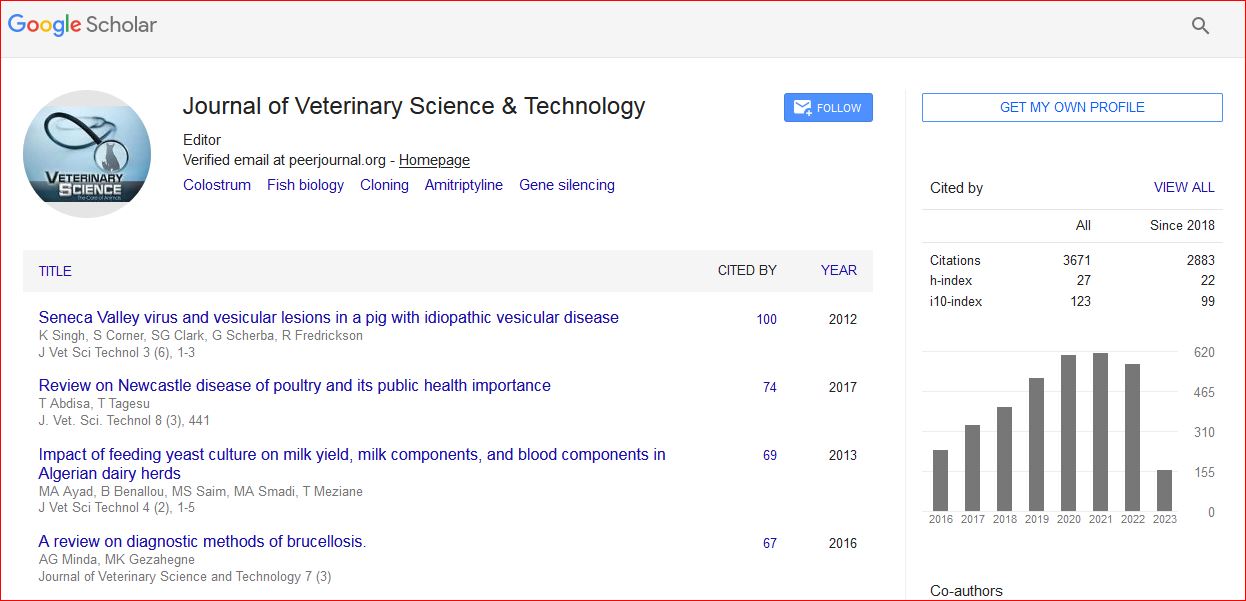
Veterinary Science & Technology received 4472 citations as per Google Scholar report