Perspective - (2025) Volume 9, Issue 6
Received: 03-Nov-2025, Manuscript No. jchd-26-185721;
Editor assigned: 05-Nov-2025, Pre QC No. P-185721;
Reviewed: 19-Nov-2025, QC No. Q-185721;
Revised: 24-Nov-2025, Manuscript No. R-185721;
Published:
01-Dec-2025
, DOI: 10.37421/2684-6020.2024.9.277
Citation: Jaber, Mohammed. ”Cholesterol Management and
Coronary Heart Disease Prevention.” J Coron Heart Dis 09 (2025):277.
Copyright: © 2025 Jaber M. This is an open-access article distributed under the terms of the Creative Commons Attribution License, which permits unrestricted use, distribution
and reproduction in any medium, provided the original author and source are credited.
Elevated cholesterol levels, particularly LDL cholesterol, are recognized as a primary modifiable risk factor for coronary heart disease (CHD). This article delves into the intricate association between cholesterol and CHD, elucidating how excessive cholesterol contributes to the development of atherosclerosis, characterized by plaque accumulation within arteries. It meticulously covers the various types of cholesterol, including LDL, HDL, and triglycerides, and their respective roles, alongside the diagnostic criteria for dyslipidemia and the underlying rationale for lipid-lowering therapies. Significant emphasis is placed on the integration of lifestyle modifications, such as dietary adjustments and regular exercise, with pharmacological interventions for effective CHD prevention and management [1].
The impact of dietary quality on lipid profiles and the subsequent influence on cardiovascular risk have been synthesized through current evidence. This review highlights the well-documented benefits of dietary patterns like the Mediterranean and DASH diets, which are abundant in fruits, vegetables, whole grains, and healthy fats, for improving cholesterol levels and reducing CHD incidence. Conversely, dietary patterns rich in saturated and trans fats, refined carbohydrates, and processed foods are demonstrably detrimental to lipid metabolism, thereby promoting atherogenesis. The article consequently offers practical dietary recommendations aimed at CHD prevention [2].
The crucial role of physical activity in modulating cholesterol levels and effectively mitigating CHD risk is thoroughly explored. Consistent engagement in regular physical activity, particularly aerobic exercise, has been shown to enhance HDL cholesterol, decrease triglyceride levels, and yield a modest reduction in LDL cholesterol. This paper elucidates the physiological mechanisms through which exercise positively influences lipid metabolism and endothelial function. Furthermore, it provides essential guidance on exercise prescription for individuals who either have CHD or are at risk of developing it, stressing the importance of consistency and adherence to exercise regimens [3].
The mechanisms underpinning statin therapy in reducing LDL cholesterol and its consequential impact on lowering CHD risk are examined in detail. This review also addresses the pleiotropic effects of statins, which extend beyond lipid lowering to include anti-inflammatory properties and the stabilization of atherosclerotic plaques. Furthermore, it synthesizes current guidelines pertaining to the initiation and intensity of statin therapy, taking into account a spectrum of risk factors and patient profiles. Considerations regarding potential side effects and essential monitoring strategies are also included [4].
The inherent genetic predisposition to dyslipidemia and its consequential contribution to CHD risk are thoroughly investigated. This paper reviews a range of common genetic variants that have been associated with elevated LDL cholesterol, low HDL cholesterol, and high triglyceride levels. It further discusses the complex interplay between genetic factors and lifestyle or environmental influences in determining an individual's overall CHD risk profile. The implications of these genetic factors for personalized medicine and sophisticated risk stratification are also thoughtfully considered [5].
This article investigates the growing significance of non-HDL cholesterol and apolipoprotein B (apoB) as markers that potentially offer superior assessment of cardiovascular risk compared to LDL cholesterol alone. It provides a clear explanation of how non-HDL cholesterol and apoB more comprehensively reflect the total burden of atherogenic lipoproteins in the bloodstream. The review meticulously examines the existing evidence supporting their clinical utility, particularly for individuals with elevated triglycerides or diabetes, in refining risk prediction and guiding therapeutic interventions [6].
The management of dyslipidemia within specific and often vulnerable populations, such as individuals with diabetes mellitus or chronic kidney disease (CKD), is a critical focus. This article underscores the significantly heightened risk of CHD in these groups and outlines the specialized therapeutic considerations required. It critically reviews the available evidence supporting lipid-lowering strategies that are specifically tailored to the unique metabolic profiles and comorbidities characteristic of patients with diabetes and CKD, with a strong emphasis on adopting individualized treatment approaches [7].
Significant advancements in lipid-lowering therapies beyond the use of statins are thoroughly reviewed. This section covers newer drug classes, including PCSK9 inhibitors, ezetimibe, bempedoic acid, and fibrates, providing detailed explanations of their mechanisms of action, demonstrated efficacy, and specific clinical indications. The article elucidates their crucial role in achieving target lipid levels, especially in high-risk patients who may not respond adequately to statins or who experience statin intolerance, thereby contributing significantly to CHD prevention efforts [8].
The profound impact of inflammation on the atherosclerotic process and its direct linkage to cholesterol metabolism are critically examined. This article elaborates on how chronic, low-grade inflammation plays a significant role in the formation, progression, and eventual rupture of atherosclerotic plaques, thereby elevating CHD risk. It explores the complex interplay between an individual's lipid profile, specific inflammatory markers (such as high-sensitivity C-reactive protein or hs-CRP), and the overall development of cardiovascular disease, emphasizing the vital importance of addressing inflammation as a key component of effective CHD prevention strategies [9].
This study meticulously investigates the tangible effects of implementing lifestyle modifications on improving lipid profiles and effectively reducing CHD incidence within a real-world clinical setting. It presents compelling findings derived from a cohort of individuals who actively embraced dietary changes, increased their physical activity levels, and successfully managed their body weight. The outcomes observed demonstrate substantial improvements in key lipid parameters, including LDL cholesterol, HDL cholesterol, and triglycerides, which were directly correlated with a demonstrably reduced risk of developing CHD events. The article strongly advocates for the sustained and long-term benefits achievable through comprehensive and integrated lifestyle interventions [10].
Elevated cholesterol levels, especially LDL cholesterol, represent a major controllable risk factor for coronary heart disease (CHD). This article comprehensively explores this complex relationship, detailing how excess cholesterol contributes to atherosclerosis, the process of plaque buildup in arteries. It systematically discusses the different types of cholesterol (LDL, HDL, triglycerides) and their functional roles, the established diagnostic criteria for dyslipidemia, and the scientific rationale behind current lipid-lowering therapies. A key focus is placed on the integration of lifestyle modifications, encompassing diet and exercise, alongside pharmacological interventions, as cornerstones for effective CHD prevention and management [1].
A thorough review of current evidence synthesizes the impact of dietary quality on lipid profiles and its subsequent influence on cardiovascular risk. The review emphasizes the benefits of dietary patterns such as the Mediterranean and DASH diets, which are characterized by high intake of fruits, vegetables, whole grains, and healthy fats, for their positive effects on cholesterol levels and reduction in CHD incidence. Conversely, diets high in saturated and trans fats, refined carbohydrates, and processed foods are shown to negatively affect lipid metabolism and promote atherogenesis. Practical dietary recommendations for CHD prevention are provided [2].
The significant role of exercise in modulating cholesterol levels and reducing CHD risk is thoroughly examined. Regular physical activity, particularly aerobic exercise, is proven to enhance HDL cholesterol, lower triglycerides, and moderately decrease LDL cholesterol. This paper elucidates the physiological mechanisms by which exercise positively impacts lipid metabolism and endothelial function. It also offers guidance on exercise prescription for individuals with or at risk of CHD, highlighting the importance of consistency and adherence [3].
The mechanisms by which statin therapy effectively lowers LDL cholesterol and subsequently reduces CHD risk are explored. The review also delves into the pleiotropic effects of statins beyond lipid lowering, including their anti-inflammatory and plaque-stabilizing properties. Current guidelines for initiating statin therapy and determining its intensity, considering various risk factors and patient profiles, are discussed. Potential side effects and strategies for monitoring treatment are also addressed [4].
This paper investigates the genetic factors contributing to dyslipidemia and their role in CHD risk. It reviews common genetic variants associated with elevated LDL cholesterol, low HDL cholesterol, and high triglycerides. The article discusses how genetic predispositions interact with lifestyle and environmental factors to influence an individual's overall CHD risk. Implications for personalized medicine and risk stratification are also considered [5].
Research into the emerging role of non-HDL cholesterol and apolipoprotein B (apoB) as superior markers for cardiovascular risk assessment compared to LDL cholesterol alone is presented. The article explains how non-HDL cholesterol and apoB offer a more comprehensive reflection of the atherogenic lipoprotein burden. Evidence supporting their use in clinical practice, especially in individuals with high triglycerides or diabetes, for refining risk prediction and guiding therapy is reviewed [6].
The management of dyslipidemia in specific populations, including those with diabetes mellitus or chronic kidney disease (CKD), is a key focus. This article emphasizes the increased CHD risk in these groups and the specialized therapeutic considerations required. It reviews evidence for lipid-lowering strategies tailored to the unique metabolic profiles and comorbidities of patients with diabetes and CKD, stressing individualized treatment approaches [7].
This review highlights therapeutic advancements in lipid-lowering treatments beyond statins. It covers novel drug classes such as PCSK9 inhibitors, ezetimibe, bempedoic acid, and fibrates, detailing their mechanisms of action, efficacy, and indications. The article discusses their utility in achieving target lipid levels, particularly for high-risk patients who do not respond adequately to statins or are statin-intolerant, thereby contributing to CHD prevention [8].
The article examines the influence of inflammation on the atherosclerotic process and its connection to cholesterol metabolism. It details how chronic low-grade inflammation contributes to plaque formation, progression, and rupture, thereby increasing CHD risk. The interplay between lipid profiles, inflammatory markers like hs-CRP, and the development of cardiovascular disease is explored, underscoring the importance of addressing inflammation in CHD prevention strategies [9].
This study investigates the impact of lifestyle interventions on improving lipid profiles and reducing CHD incidence in a real-world context. It presents findings from a cohort that implemented dietary changes, increased physical activity, and managed weight. The results show significant improvements in LDL cholesterol, HDL cholesterol, and triglyceride levels, correlating with a reduced risk of CHD events. The article underscores the sustained benefits of comprehensive lifestyle interventions [10].
Coronary heart disease (CHD) is significantly influenced by cholesterol levels, particularly elevated LDL cholesterol. This collection of research explores various facets of managing dyslipidemia and preventing CHD. Key interventions include dietary modifications, such as adopting Mediterranean or DASH diets, and regular physical activity, both of which positively impact lipid profiles. Pharmacological treatments, including statins and newer agents like PCSK9 inhibitors, are crucial for managing cholesterol, especially in high-risk individuals. Genetic predispositions play a role, and emerging biomarkers like non-HDL cholesterol and apoB offer improved risk assessment. Addressing inflammation and managing dyslipidemia in special populations like those with diabetes or CKD are also critical for comprehensive CHD prevention.
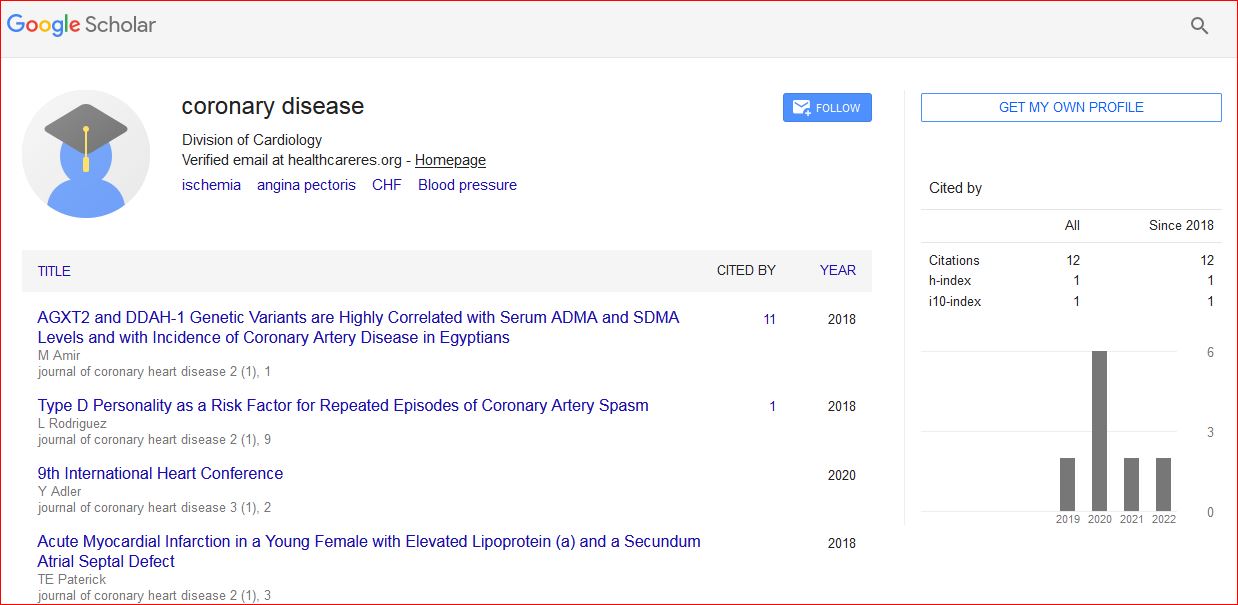
Journal of Coronary Heart Diseases received 15 citations as per Google Scholar report