Brief Report - (2025) Volume 10, Issue 4
Received: 01-Aug-2025, Manuscript No. jomp-26-185095;
Editor assigned: 04-Aug-2025, Pre QC No. P-185095;
Reviewed: 18-Aug-2025, QC No. Q-185095;
Revised: 22-Aug-2025, Manuscript No. R-185095;
Published:
29-Aug-2025
, DOI: 10.37421/2576-3857.2025.10.313
Citation: Fischer, Daniel. ”Chemotherapy Cardiotoxicity: Diverse Mechanisms, Tailored Strategies.” J Oncol Med and Pract 10 (2025):313.
Copyright: © 2025 Fischer D. This is an open-access article distributed under the terms of the Creative Commons Attribution License, which permits unrestricted use, distribution and reproduction in any medium, provided the original author and source are credited.
Chemotherapy-induced cardiotoxicity represents a significant clinical challenge in contemporary cancer care, necessitating a deep understanding of the intricate molecular mechanisms underlying cardiac damage by antineoplastic agents. Diverse chemotherapeutic drugs, including anthracyclines and tyrosine kinase inhibitors, exert cardiotoxicity through distinct pathways. These mechanisms encompass oxidative stress, mitochondrial dysfunction, DNA damage, and the disruption of essential cellular signaling cascades, collectively culminating in cardiomyocyte apoptosis or functional impairment. Understanding these molecular underpinnings is paramount for developing effective strategies to predict, prevent, and manage chemotherapy-induced cardiotoxicity, thereby enhancing patient outcomes and quality of life [1].
The direct impact of anthracycline chemotherapy on cardiac mitochondria is a key area of investigation. These potent drugs are known to disrupt the electron transport chain, leading to an overproduction of reactive oxygen species (ROS). This uncontrolled ROS generation can overwhelm the heart's endogenous antioxidant defenses, inflicting oxidative damage upon mitochondrial DNA, proteins, and lipids. The subsequent impairment of mitochondrial function plays a crucial role in initiating the apoptotic cascade within cardiomyocytes, forming a central mechanism of anthracycline-induced cardiotoxicity [2].
The role of DNA damage and the integrity of DNA repair pathways are also critical in the context of chemotherapy-induced cardiotoxicity. Certain chemotherapeutic agents, particularly topoisomerase inhibitors, are known to induce DNA breaks in cardiomyocytes. While cardiac cells possess intrinsic DNA repair mechanisms, chronic exposure to these agents or overwhelming levels of damage can result in persistent genotoxicity. This can trigger cell cycle arrest and, ultimately, lead to apoptosis in these terminally differentiated, non-proliferating cells. Recognizing the significance of these pathways is vital for the development of targeted therapeutic interventions [3].
The specific effects of tyrosine kinase inhibitors (TKIs) on cardiac function are being increasingly examined, revealing mechanisms of cardiotoxicity that differ from those of traditional chemotherapy. TKIs function by targeting critical intracellular signaling pathways that regulate cell growth and survival. However, their activity can disrupt cardiomyocyte homeostasis through off-target effects or by altering essential signaling cascades. This can manifest as hypertension, heart failure, or ischemic events, often presenting with a distinct clinical profile compared to anthracycline-induced damage, underscoring the need for specialized monitoring and management strategies for patients receiving TKI therapy [4].
Inflammatory pathways are increasingly recognized as significant contributors to chemotherapy-induced cardiotoxicity. Cytotoxic drugs can provoke an inflammatory response within the myocardium, characterized by the release of pro-inflammatory cytokines and the recruitment of immune cells to the cardiac tissue. This sustained inflammation can exacerbate existing cardiac damage, leading to myocardial fibrosis and a decline in contractile function. Consequently, targeting these inflammatory cascades presents a promising therapeutic avenue for mitigating drug-induced cardiotoxicity [5].
The intricate role of endoplasmic reticulum (ER) stress in the pathogenesis of chemotherapy-induced cardiotoxicity is another area of active research. Chemotherapeutic agents can disrupt the delicate balance of ER homeostasis, leading to the accumulation of misfolded proteins within the cell. While the unfolded protein response (UPR) is initially a protective cellular mechanism, its prolonged activation can become detrimental, ultimately triggering apoptosis in cardiomyocytes. Investigating ER stress pathways offers novel targets for cardioprotective interventions [6].
Beyond traditional chemotherapy, newer treatment modalities like immunotherapy also carry the risk of cardiac complications. Immune checkpoint inhibitors (ICIs), while revolutionizing cancer treatment, can induce immune-related adverse events that affect the heart, including myocarditis and arrhythmias. The underlying mechanisms often involve T-cell mediated inflammation and the production of autoantibodies, leading to ICI-induced cardiotoxicity. Early detection and prompt management are critically important for ensuring patient safety [7].
The emerging role of microRNAs (miRNAs) in mediating chemotherapy-induced cardiotoxicity is gaining attention. Specific miRNAs can be dysregulated by chemotherapeutic agents, influencing the expression of genes crucial for cardiomyocyte survival, proliferation, and overall function. Depending on their specific targets, these miRNAs can act as either pro-apoptotic or cardioprotective agents, suggesting their potential utility as diagnostic and therapeutic biomarkers for cardiotoxicity [8].
The precise regulation of calcium handling and sarcoplasmic reticulum (SR) function within cardiomyocytes is vital for maintaining cardiac performance. Chemotherapeutic agents, such as doxorubicin, can profoundly disrupt this delicate ionic balance, leading to calcium overload and subsequent cellular dysfunction. Impairments in the SR's ability to effectively uptake and release calcium ions contribute to altered contractility and can precipitate apoptotic pathways, significantly compromising cardiac function [9].
Given the multifaceted nature of chemotherapy-induced cardiotoxicity, the development of effective cardioprotective strategies is of utmost importance. These strategies encompass both pharmacological interventions, including antioxidants and specific enzyme inhibitors, and non-pharmacological approaches such as exercise and dietary modifications. The emphasis is increasingly placed on personalized medicine, accurate risk stratification, and vigilant early monitoring to tailor interventions and optimize long-term cardiac health in cancer survivors [10].
Chemotherapy-induced cardiotoxicity represents a significant clinical challenge in contemporary cancer care, necessitating a deep understanding of the intricate molecular mechanisms underlying cardiac damage by antineoplastic agents. Diverse chemotherapeutic drugs, including anthracyclines and tyrosine kinase inhibitors, exert cardiotoxicity through distinct pathways. These mechanisms encompass oxidative stress, mitochondrial dysfunction, DNA damage, and the disruption of essential cellular signaling cascades, collectively culminating in cardiomyocyte apoptosis or functional impairment. Understanding these molecular underpinnings is paramount for developing effective strategies to predict, prevent, and manage chemotherapy-induced cardiotoxicity, thereby enhancing patient outcomes and quality of life [1].
The direct impact of anthracycline chemotherapy on cardiac mitochondria is a key area of investigation. These potent drugs are known to disrupt the electron transport chain, leading to an overproduction of reactive oxygen species (ROS). This uncontrolled ROS generation can overwhelm the heart's endogenous antioxidant defenses, inflicting oxidative damage upon mitochondrial DNA, proteins, and lipids. The subsequent impairment of mitochondrial function plays a crucial role in initiating the apoptotic cascade within cardiomyocytes, forming a central mechanism of anthracycline-induced cardiotoxicity [2].
The role of DNA damage and the integrity of DNA repair pathways are also critical in the context of chemotherapy-induced cardiotoxicity. Certain chemotherapeutic agents, particularly topoisomerase inhibitors, are known to induce DNA breaks in cardiomyocytes. While cardiac cells possess intrinsic DNA repair mechanisms, chronic exposure to these agents or overwhelming levels of damage can result in persistent genotoxicity. This can trigger cell cycle arrest and, ultimately, lead to apoptosis in these terminally differentiated, non-proliferating cells. Recognizing the significance of these pathways is vital for the development of targeted therapeutic interventions [3].
The specific effects of tyrosine kinase inhibitors (TKIs) on cardiac function are being increasingly examined, revealing mechanisms of cardiotoxicity that differ from those of traditional chemotherapy. TKIs function by targeting critical intracellular signaling pathways that regulate cell growth and survival. However, their activity can disrupt cardiomyocyte homeostasis through off-target effects or by altering essential signaling cascades. This can manifest as hypertension, heart failure, or ischemic events, often presenting with a distinct clinical profile compared to anthracycline-induced damage, underscoring the need for specialized monitoring and management strategies for patients receiving TKI therapy [4].
Inflammatory pathways are increasingly recognized as significant contributors to chemotherapy-induced cardiotoxicity. Cytotoxic drugs can provoke an inflammatory response within the myocardium, characterized by the release of pro-inflammatory cytokines and the recruitment of immune cells to the cardiac tissue. This sustained inflammation can exacerbate existing cardiac damage, leading to myocardial fibrosis and a decline in contractile function. Consequently, targeting these inflammatory cascades presents a promising therapeutic avenue for mitigating drug-induced cardiotoxicity [5].
The intricate role of endoplasmic reticulum (ER) stress in the pathogenesis of chemotherapy-induced cardiotoxicity is another area of active research. Chemotherapeutic agents can disrupt the delicate balance of ER homeostasis, leading to the accumulation of misfolded proteins within the cell. While the unfolded protein response (UPR) is initially a protective cellular mechanism, its prolonged activation can become detrimental, ultimately triggering apoptosis in cardiomyocytes. Investigating ER stress pathways offers novel targets for cardioprotective interventions [6].
Beyond traditional chemotherapy, newer treatment modalities like immunotherapy also carry the risk of cardiac complications. Immune checkpoint inhibitors (ICIs), while revolutionizing cancer treatment, can induce immune-related adverse events that affect the heart, including myocarditis and arrhythmias. The underlying mechanisms often involve T-cell mediated inflammation and the production of autoantibodies, leading to ICI-induced cardiotoxicity. Early detection and prompt management are critically important for ensuring patient safety [7].
The emerging role of microRNAs (miRNAs) in mediating chemotherapy-induced cardiotoxicity is gaining attention. Specific miRNAs can be dysregulated by chemotherapeutic agents, influencing the expression of genes crucial for cardiomyocyte survival, proliferation, and overall function. Depending on their specific targets, these miRNAs can act as either pro-apoptotic or cardioprotective agents, suggesting their potential utility as diagnostic and therapeutic biomarkers for cardiotoxicity [8].
The precise regulation of calcium handling and sarcoplasmic reticulum (SR) function within cardiomyocytes is vital for maintaining cardiac performance. Chemotherapeutic agents, such as doxorubicin, can profoundly disrupt this delicate ionic balance, leading to calcium overload and subsequent cellular dysfunction. Impairments in the SR's ability to effectively uptake and release calcium ions contribute to altered contractility and can precipitate apoptotic pathways, significantly compromising cardiac function [9].
Given the multifaceted nature of chemotherapy-induced cardiotoxicity, the development of effective cardioprotective strategies is of utmost importance. These strategies encompass both pharmacological interventions, including antioxidants and specific enzyme inhibitors, and non-pharmacological approaches such as exercise and dietary modifications. The emphasis is increasingly placed on personalized medicine, accurate risk stratification, and vigilant early monitoring to tailor interventions and optimize long-term cardiac health in cancer survivors [10].
Chemotherapy poses a significant risk of cardiotoxicity, affecting heart function through various mechanisms. Anthracyclines damage cardiac mitochondria via oxidative stress and ROS production. DNA damage induced by agents like topoisomerase inhibitors triggers apoptosis. Tyrosine kinase inhibitors disrupt cellular signaling pathways, leading to distinct cardiac issues. Inflammation, ER stress, and microRNA dysregulation also contribute to cardiotoxicity. Additionally, calcium handling abnormalities and sarcoplasmic reticulum dysfunction impair cardiomyocyte function. Newer immunotherapies can also cause cardiac adverse events. Addressing this challenge requires understanding these diverse mechanisms and developing tailored cardioprotective strategies, including pharmacological and non-pharmacological approaches.
None
None
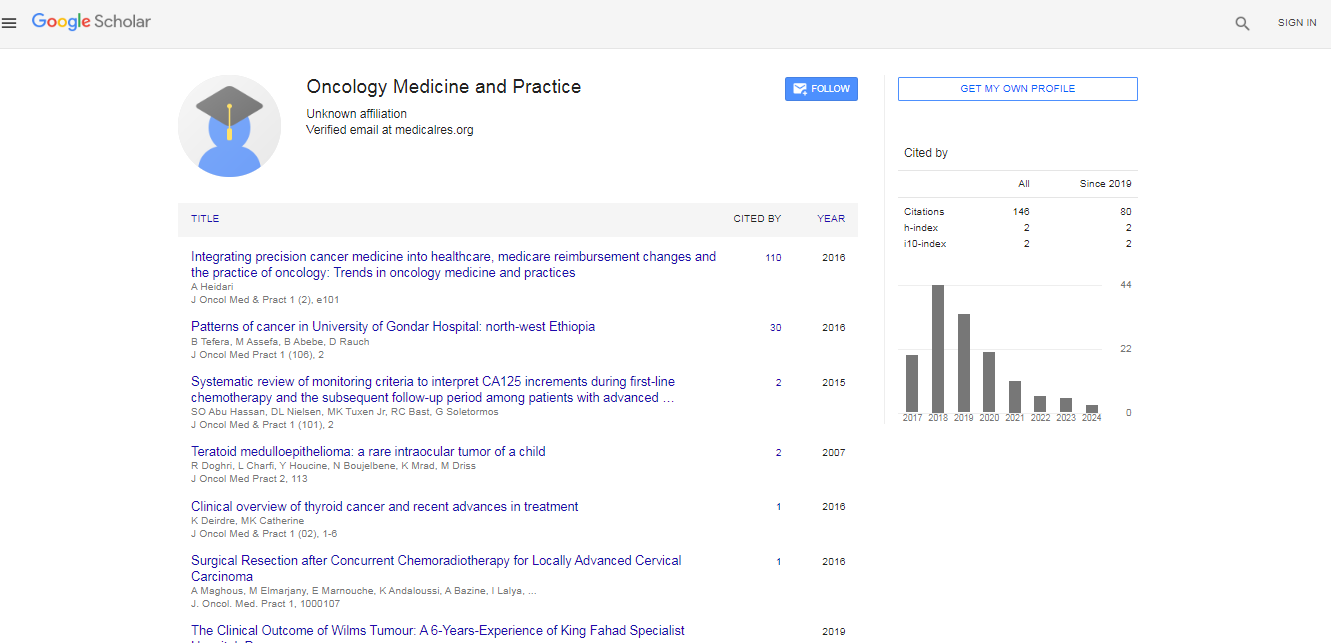
Journal of Oncology Medicine & Practice received 142 citations as per Google Scholar report