Brief Report - (2025) Volume 14, Issue 5
Received: 01-Sep-2025, Manuscript No. jio-26-184825;
Editor assigned: 03-Sep-2025, Pre QC No. P-184825;
Reviewed: 17-Sep-2025, QC No. Q-184825;
Revised: 22-Sep-2025, Manuscript No. R-184825;
Published:
29-Sep-2025
, DOI: 10.37421/2329-6771.2025.14.574
Citation: Grant, Olivia. ”Herbal Supplements: Cancer Therapy Interactions and Risks.” J Integr Onco 14 (2025):574.
Copyright: © 2025 Grant O. This is an open-access article distributed under the terms of the Creative Commons Attribution License, which permits unrestricted use, distribution and reproduction in any medium, provided the original author and source are credited.
The growing prevalence of complementary and alternative medicine (CAM) use among cancer patients has underscored the critical importance of understanding herb-drug interactions (HDIs) within oncology. Many commonly used herbal products possess the potential to significantly alter the pharmacokinetic and pharmacodynamic profiles of chemotherapy agents, leading to either diminished therapeutic efficacy or an increased risk of adverse events. This concern is particularly pronounced given the complex physiological changes associated with cancer and its treatment, necessitating a proactive approach to patient care and management [1].
For instance, the integration of herbal remedies into cancer treatment regimens can introduce unforeseen complexities. The metabolic pathways targeted by chemotherapy drugs are often influenced by compounds present in herbs. This interaction can manifest in various ways, from altering the rate at which a drug is absorbed or eliminated to modifying its binding affinity to cellular targets. Such alterations can lead to unpredictable outcomes, ranging from treatment failure to severe toxicity, thereby compromising patient safety and treatment success [2].
Ginseng, a widely recognized herbal supplement, has been a subject of considerable research regarding its interactions with conventional cancer therapies. Studies have identified potential interactions stemming from ginseng's influence on cytochrome P450 enzymes, which are pivotal in drug metabolism. Furthermore, its immunomodulatory properties raise questions about its compatibility with cancer treatments that rely on immune system modulation [3].
The advent of targeted cancer therapies, such as tyrosine kinase inhibitors (TKIs), has introduced a new class of drugs susceptible to interactions with dietary supplements. Many TKIs are substrates for drug transporters and metabolizing enzymes, making them vulnerable to alterations in their pharmacokinetic profiles. Consequently, common supplements, including certain herbal products, can significantly impact TKI efficacy and safety by affecting drug levels in the body [4].
Traditional Chinese Medicine (TCM) represents a vast repository of herbal knowledge that is increasingly being explored for its role in cancer care. However, the complex phytochemistry of TCM herbs means they can interact with chemotherapy, radiotherapy, and targeted therapies through multiple mechanisms, including modulation of drug-metabolizing enzymes and efflux transporters. This intricate interplay necessitates thorough scientific investigation to ensure safe and effective integration [5].
Resveratrol, a naturally occurring polyphenol, has garnered attention for its potential anti-cancer properties. However, its pharmacokinetic interactions with chemotherapy agents like doxorubicin and paclitaxel are a significant area of concern. Resveratrol's ability to modulate cytochrome P450 enzymes and its antioxidant/pro-oxidant activities can influence the disposition and action of these cytotoxic drugs, potentially leading to altered treatment outcomes [6].
Curcumin, the active compound in turmeric, has also been investigated for its interactions with targeted cancer therapies, specifically EGFR tyrosine kinase inhibitors like gefitinib. While curcumin may theoretically enhance gefitinib's efficacy by influencing drug transporters and signaling pathways, its complex biological activities warrant careful consideration due to potential variability in patient responses and the risk of increased drug exposure and adverse effects [7].
In the rapidly evolving field of cancer immunotherapy, understanding potential herb-drug interactions is paramount. Herbal products that modulate immune function, such as echinacea and astragalus, could interfere with the mechanism of action of immune checkpoint inhibitors. This interference might lead to either a blunted anti-tumor immune response or an exaggerated immune reaction, underscoring the need for oncologists to be aware of all CAM use [8].
The unique physiological characteristics of children undergoing cancer treatment present specific challenges regarding herb-drug interactions. Developing metabolic pathways and different drug clearance rates in pediatric patients can lead to distinct responses to herbal supplements compared to adults. This necessitates a tailored approach to managing CAM use in pediatric oncology, emphasizing education and interdisciplinary collaboration [9].
Ginger, commonly used for its antiemetic properties to alleviate chemotherapy-induced nausea, has been studied for its pharmacokinetic interactions with targeted therapies. While some research suggests ginger may be safely co-administered with certain drugs like sunitinib, indicating it does not significantly alter drug plasma concentrations, caution is still advised, especially concerning other tyrosine kinase inhibitors and higher ginger dosages [10].
The critical need to understand herb-drug interactions (HDIs) in oncology is amplified by the increasing utilization of complementary and alternative medicine (CAM) by cancer patients. Many common herbal products can profoundly influence the pharmacokinetics and pharmacodynamics of chemotherapy agents, potentially compromising treatment efficacy or exacerbating toxicity. For example, St. John's Wort is known to affect cytochrome P450 enzymes, while ginger and garlic may increase bleeding risks due to their antiplatelet effects [1].
The integration of herbal remedies into cancer treatment plans presents a complex challenge for healthcare providers. The metabolic pathways critical for chemotherapy drug efficacy are frequently subject to modulation by compounds found in herbs. This can lead to significant alterations in drug absorption, distribution, metabolism, and excretion, ultimately impacting the drug's concentration at the site of action and potentially leading to unexpected clinical outcomes and increased toxicity [2].
Ginseng's potential for interaction with cancer drugs, including cisplatin and paclitaxel, has been a focal point of research. These interactions are primarily linked to ginseng's effects on drug metabolism via cytochrome P450 enzymes and its immunomodulatory capabilities. While some evidence suggests potential benefits, concerns remain regarding adverse events and altered drug exposure, highlighting the need for further rigorous investigation [3].
Dietary supplements, including a wide array of herbal products, pose a significant risk of interaction with tyrosine kinase inhibitors (TKIs), a cornerstone of modern targeted cancer therapy. Given that many TKIs rely on specific drug transporters and metabolizing enzymes, their pharmacokinetic profiles are highly susceptible to alteration by concurrent supplement use, potentially leading to sub-therapeutic drug levels or increased toxicity [4].
The rich pharmacopeia of Traditional Chinese Medicine (TCM) offers numerous herbs that can influence the metabolic and transport mechanisms of cancer drugs. Herbs can modulate cytochrome P450 enzymes and efflux transporters like P-glycoprotein, thereby affecting drug disposition. While some TCM herbs may offer synergistic benefits or mitigate side effects, others can interfere with chemotherapy or radiotherapy, underscoring the necessity for robust scientific validation [5].
Resveratrol, a well-known polyphenol, has been investigated for its pharmacokinetic interactions with chemotherapy agents such as doxorubicin and paclitaxel. Its effects on cytochrome P450 enzymes and its dual antioxidant/pro-oxidant properties can significantly impact the way these chemotherapy drugs are processed by the body, potentially enhancing or diminishing their cytotoxic effects depending on the specific context and dosage [6].
Curcumin's impact on the metabolism and efficacy of gefitinib, an EGFR tyrosine kinase inhibitor, has been studied. Curcumin can inhibit drug transporters, potentially increasing gefitinib plasma concentrations. However, its complex biological activities can also affect cancer signaling pathways, leading to varied outcomes and necessitating careful monitoring to manage potential increases in drug exposure and side effects [7].
In the burgeoning field of cancer immunotherapy, interactions between herbal products and immune-modulating therapies are a critical concern. Herbs like echinacea and astragalus, which can alter immune function, may interfere with the efficacy of immune checkpoint inhibitors. Such interference could either dampen the desired immune response or trigger an excessive one, making it imperative for oncologists to be informed about all CAM usage [8].
The management of herb-drug interactions in pediatric oncology presents unique considerations. Children's developing physiological systems and distinct metabolic pathways can lead to differential responses to herb-drug interactions compared to adults. This highlights the importance of tailored education and collaborative efforts among healthcare professionals to ensure the safe use of CAM in this vulnerable population [9].
Ginger's common use for managing chemotherapy-induced nausea has led to studies on its pharmacokinetic interactions with targeted therapies. Research on sunitinib suggests that ginger extract may not significantly alter the drug's plasma concentrations, potentially allowing for safe co-administration. However, caution is still warranted for other TKIs and with higher doses of ginger [10].
This collection of research highlights the significant risks and complexities associated with the use of herbal products and dietary supplements in cancer patients undergoing conventional therapies. It details how various natural compounds, including St. John's Wort, green tea extract, ginseng, resveratrol, curcumin, and others, can interact with chemotherapy, targeted therapies, and immunotherapy. These interactions often involve modulation of drug-metabolizing enzymes (like cytochrome P450) and drug transporters, leading to altered drug levels, reduced efficacy, or increased toxicity. Specific examples include green tea extract affecting irinotecan metabolism, ginseng's potential interactions with cisplatin and paclitaxel, and curcumin's impact on gefitinib. The research also addresses interactions with immunotherapy agents and the unique considerations in pediatric oncology. A recurring theme is the call for improved communication between patients and healthcare providers, alongside the urgent need for more robust clinical research to safely integrate these interventions into cancer care.
None
None
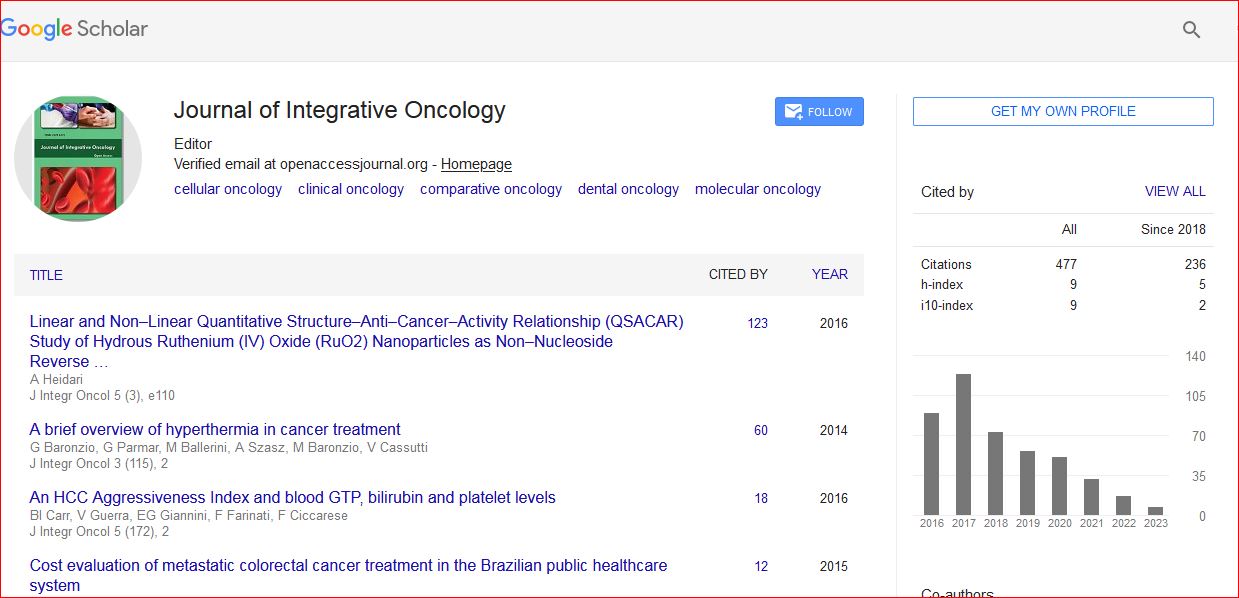
Journal of Integrative Oncology received 495 citations as per Google Scholar report