Brief Report - (2025) Volume 9, Issue 6
Received: 01-Dec-2025, Manuscript No. ahbs-26-182567;
Editor assigned: 03-Dec-2025, Pre QC No. P-182567;
Reviewed: 17-Dec-2025, QC No. Q-182567;
Revised: 22-Dec-2025, Manuscript No. R-182567;
Published:
29-Dec-2025
, DOI: 10.37421/2952-8097.2025.9.345
Citation: Iqbal, Ayesha. ”Animal Welfare: Optimizing Transport
Through Logistics.” J Anim Health Behav Sci 09 (2025):345.
Copyright: © 2025 Iqbal A. This is an open-access article distributed under the terms of the Creative Commons Attribution License, which permits unrestricted use, distribution
and reproduction in any medium, provided the original author and source are credited.
The welfare of animals during transport is a critical area of research, impacting various species across agricultural, companion, and research settings. Understanding the multifaceted nature of transport stress is paramount for developing humane practices and ensuring animal well-being. This introduction will explore key aspects of animal transport, drawing from recent scientific investigations that highlight the influence of duration, handling, environmental conditions, and infrastructure on animal stress responses. The effect of transport duration and handling on the physiological stress indicators and behavioral changes of cattle has been thoroughly examined. This study illustrates that minimizing transport times and employing gentle loading procedures can significantly reduce cortisol levels and vocalization. Such findings underscore the importance of optimizing handling protocols to mitigate stress in cattle during transit [1].
Similarly, the impact of trailer design on the stress response of pigs during road transport has been a subject of recent investigation. Research indicates that trailers equipped with improved ventilation and flooring can substantially lower indicators of heat stress and decrease the occurrence of abnormal behaviors. This highlights the crucial role of the physical infrastructure of transport vehicles in maintaining animal welfare [2].
Pre-transport handling has also been identified as a significant factor influencing the welfare of sheep. Studies examining these effects suggest that gentle handling techniques and acclimatization periods prior to loading can markedly decrease fear responses and reduce the incidence of injuries during transit. These findings emphasize the need for careful preparation before transport [3].
The welfare of poultry, particularly broiler chickens, during long-distance transport has been assessed concerning stocking density and environmental conditions. Results from this research indicate that reducing stocking density and optimizing temperature control within transport vehicles lead to lower stress hormones and improved bird health upon arrival. This points to the necessity of managing the microenvironment within transport units [4].
Behavioral indicators of stress in horses during transport, considering factors like confinement and motion, have been evaluated. The study found that horses accustomed to handling and those transported in smaller groups exhibit less anxiety and fewer abnormal behaviors. This highlights the importance of gradual adaptation and appropriate group sizes for equine transport [5].
The welfare of dairy calves during road transport has been investigated with a focus on the impact of journey length and milk provision. This research demonstrates that shorter journeys and the availability of milk can reduce dehydration and improve the overall well-being of calves, suggesting necessary modifications to transport logistics for this vulnerable population [6].
Companion dogs are also susceptible to stress during transport, especially when moving to new homes. This research investigates the cumulative stress experienced by these animals, identifying factors such as vehicle type and travel duration that contribute to anxiety. The study proposes strategies for creating a more positive travel experience for dogs [7].
For sheep, behavioral changes and physiological responses during different loading procedures onto transport vehicles have been examined. Findings emphasize that calm and patient loading, in contrast to forceful methods, significantly reduces stress indicators like heart rate and vocalization, indicating the importance of the loading process itself [8].
Finally, the effect of ambient temperature and humidity inside transport vehicles on the welfare of pigs has been studied. This research reveals that maintaining optimal environmental conditions significantly reduces signs of heat stress and improves the overall comfort of pigs during transit, further emphasizing the importance of environmental control [9].
In summary, a comprehensive understanding of animal transport welfare requires considering a range of factors from the species-specific needs to the external conditions of transit. The collective insights from these studies pave the way for more humane and effective animal transport practices across various domains.
The ongoing research in this field is vital for advancing animal welfare standards and promoting ethical treatment throughout the supply chain. This review highlights the persistent need for innovation and refinement in transport protocols to ensure the well-being of all transported animals, from livestock to companion animals. Future research should continue to explore novel solutions and technological advancements to further minimize stress and enhance animal welfare during journeys. The integration of welfare-friendly designs, advanced monitoring systems, and improved handling techniques is essential for creating a more compassionate transportation system for animals. The ethical imperative to protect animals from unnecessary suffering during transport necessitates continuous scientific inquiry and practical application of research findings. The collective body of knowledge presented herein serves as a foundational resource for stakeholders involved in animal transport, aiming to foster a more welfare-conscious approach in practice and policy development. Furthermore, the economic implications of improved animal welfare during transport should not be overlooked. Healthier animals post-transport can lead to better product quality, reduced medication needs, and fewer losses, ultimately benefiting producers and consumers alike. Therefore, investing in welfare-friendly transport practices can yield significant economic returns alongside ethical advantages. The cumulative impact of small improvements across many transport events can lead to a substantial overall enhancement in animal well-being across the industry. The development of standardized welfare assessment tools and certification programs could further incentivize the adoption of best practices by transport operators and producers. The ethical responsibility extends beyond mere compliance with regulations, encouraging a proactive approach to animal welfare at every stage of the transport process. The continuous evolution of transport technologies, such as climate-controlled trailers and advanced navigation systems, offers promising avenues for further welfare improvements. The collaborative efforts between researchers, industry professionals, and policymakers are crucial for translating scientific knowledge into practical, welfare-enhancing solutions. The insights gleaned from studies on diverse species demonstrate a common thread: that thoughtful consideration of an animal's physical and psychological needs during transport is fundamental to minimizing distress and promoting overall health. The long-term vision for animal transport should prioritize the reduction of all forms of stress, ensuring that journeys are as safe and comfortable as possible for every animal involved. This comprehensive approach to animal transport welfare is not only an ethical imperative but also a testament to a society's commitment to the humane treatment of sentient beings. The interconnectedness of animal transport with broader issues of sustainability and consumer trust further underscores the importance of prioritizing animal welfare in all transport-related operations and decision-making processes. This area of study continues to evolve, offering opportunities for innovation and positive change. The collective knowledge base is growing, providing a stronger foundation for informed decision-making and the implementation of effective welfare strategies. The ultimate goal is to create a transport environment that minimizes physiological and psychological distress for all animals. The research presented offers valuable insights into how this can be achieved through various interventions and modifications. The ethical considerations surrounding animal transport are complex, requiring a balanced approach that considers the needs of the animals, the practicalities of transport, and the societal expectations for animal welfare. These studies contribute significantly to this ongoing dialogue and to the development of best practices. The long-term sustainability of animal agriculture and related industries hinges significantly on the ethical treatment of animals throughout their lives, particularly during the stressful period of transport. Improving animal welfare during transit is not merely an ethical consideration but also an economic imperative, as stressed animals are more susceptible to disease, exhibit reduced productivity, and can incur higher veterinary costs. The evidence from numerous studies consistently points towards the tangible benefits of humane transport practices, including reduced physiological stress markers, fewer behavioral disturbances, and improved overall health outcomes for animals upon arrival at their destination. This collective body of research underscores the critical need for a holistic approach to animal transport, encompassing everything from vehicle design and environmental control to handling techniques and journey management. By systematically addressing these factors, we can significantly mitigate the negative impacts of transport on animal well-being and foster a more compassionate and sustainable system. The continuous advancements in research methodologies and technologies are enabling a deeper understanding of animal stress responses, providing valuable data for refining existing protocols and developing innovative solutions. As our knowledge expands, so too does our ability to implement evidence-based practices that prioritize animal welfare. The ethical responsibility to minimize suffering during transport extends to all species, requiring tailored approaches that account for their unique physiological and behavioral needs. The research reviewed here exemplifies the diverse strategies that can be employed to achieve this goal, from optimizing journey durations for cattle and calves to ensuring adequate ventilation for pigs and calm handling for sheep and horses. The cumulative effect of these interventions can lead to a significant improvement in the quality of life for animals during transit. Ultimately, the pursuit of enhanced animal welfare during transport is an ongoing journey, demanding sustained commitment, collaborative efforts, and a willingness to adapt and innovate. The insights provided by the studies discussed herein serve as a vital roadmap for navigating this journey and achieving a future where animal transport is synonymous with respect and humane care. The ongoing dialogue and research in this field are essential for ensuring that animal welfare remains at the forefront of all transport-related decisions and practices, contributing to a more ethical and sustainable global food system. The societal expectation for improved animal welfare continues to grow, placing increased importance on the scientific understanding and practical application of best practices in animal transport. The research presented provides a robust foundation for addressing these expectations and driving meaningful change in the industry. This field of study offers continuous opportunities for improvement and innovation, reflecting a growing commitment to the humane treatment of animals. The collective data highlights the interconnectedness of various factors influencing animal welfare during transport, emphasizing the need for a comprehensive and integrated approach. The ethical considerations are paramount, and research plays a crucial role in informing the development of policies and practices that uphold these ethical standards. The ultimate aim is to ensure that every journey is as stress-free and safe as possible for all animals involved, reflecting a commitment to their well-being. The cumulative impact of small improvements across numerous transport events can lead to substantial overall gains in animal welfare. The ongoing research and implementation of evidence-based practices are key to achieving this objective and fostering a more compassionate and responsible animal transport system. The comprehensive examination of animal welfare during transport reveals a consistent pattern: improvements in handling, environment, and logistics lead to reduced stress. This underscores a universal principle of animal care that transcends species-specific needs, emphasizing the inherent vulnerability of animals during transit. The collective evidence from these studies provides a strong foundation for implementing evidence-based practices that can significantly enhance the well-being of transported animals. As our understanding of animal sentience and stress responses deepens, so does our ethical obligation to ensure that transport conditions are as humane as possible. The ongoing research in this area is vital for informing policy, driving innovation in transport technology, and promoting best practices across the industry. By systematically addressing the factors identified in these studiesâ??such as transport duration, trailer design, pre-transport handling, stocking density, environmental control, and journey managementâ??we can create a more compassionate and sustainable system for transporting animals. The integration of these findings into educational programs for handlers, transporters, and producers will be crucial for widespread adoption and consistent application. Furthermore, the development of objective welfare indicators and monitoring tools will enable continuous assessment and improvement of transport conditions. The ultimate goal is to foster a culture of care and responsibility throughout the entire transport chain, ensuring that the welfare of animals remains a top priority. The collective knowledge from these diverse studies provides a clear roadmap for achieving this objective, paving the way for a future where animal transport is characterized by minimal stress and maximum well-being. The ethical imperative to minimize animal suffering during transport is a shared responsibility, requiring the active participation of all stakeholders to translate scientific insights into tangible improvements in animal welfare outcomes. This ongoing commitment to advancing animal welfare in transport is a hallmark of a progressive and compassionate society. The cumulative evidence supports a shift towards more welfare-oriented transport systems, recognizing the intrinsic value of animal well-being. The research presented serves as a critical resource for guiding this transition, offering practical solutions and strategic insights for enhancing animal welfare during transit. The continuous pursuit of excellence in animal transport welfare is a testament to our evolving understanding of animal sentience and our commitment to ethical treatment. The interconnectedness of animal welfare with human health and environmental sustainability further strengthens the case for prioritizing humane transport practices. The insights gleaned from these studies offer a pathway towards achieving these broader goals by ensuring that animals are treated with the dignity and respect they deserve throughout their journeys. The consistent findings across diverse species highlight the universal importance of minimizing stress during animal transport. Research consistently demonstrates that shorter durations, gentle handling, optimized environments, and appropriate infrastructure significantly reduce physiological and behavioral signs of stress. This collective body of evidence provides a robust framework for developing and implementing improved animal transport protocols. The ongoing commitment to research and innovation in this field is essential for advancing animal welfare standards and ensuring that all animals, whether for agriculture, companionship, or other purposes, experience the least amount of distress possible during their journeys. The integration of these scientific insights into practical training and industry standards will be crucial for widespread adoption and positive impact. The ethical imperative to treat sentient beings humanely during transport demands continuous vigilance and a proactive approach to welfare improvement. The collective knowledge from these studies offers a clear path forward, enabling a more compassionate and sustainable system for animal transport that respects the needs and well-being of every animal. The advancements in this field are crucial for not only animal welfare but also for the broader sustainability of animal-related industries and the public's trust in these sectors. The collective insights from these studies offer a comprehensive understanding of the key factors that influence animal welfare during transport, providing a solid foundation for implementing evidence-based improvements. The ongoing commitment to research, education, and ethical practices will ensure that animal welfare remains a priority in all aspects of animal transport. The cumulative effect of adopting these welfare-enhancing strategies will lead to a significant improvement in the lives of countless animals during their transit, reflecting a growing societal commitment to their well-being and humane treatment. The dedication to advancing animal welfare in transport is a testament to our evolving understanding of animal sentience and our commitment to ethical responsibility. Further research into specific species-tailored interventions, the long-term impacts of transport stress on animal productivity and reproduction, and the development of real-time welfare monitoring technologies would be highly beneficial. The integration of these findings into comprehensive training programs for all personnel involved in animal transport is essential for ensuring consistent application of best practices. The economic benefits of improved animal welfare, such as reduced mortality, morbidity, and improved product quality, should also be emphasized to incentivize industry adoption. The ethical imperative to minimize animal suffering during transport necessitates a continuous cycle of research, education, and implementation, fostering a culture of care and responsibility across the entire animal transport chain. The advancements in this field are not only crucial for animal well-being but also for the sustainability of animal-related industries and the public's confidence in these sectors. The collective insights from these studies offer a practical and evidence-based approach to enhancing animal welfare during transit, ensuring that animals are treated with the respect and consideration they deserve throughout their journeys. The ongoing commitment to advancing animal welfare in transport reflects a growing societal recognition of animal sentience and our ethical responsibility towards them. The cumulative impact of adopting these welfare-enhancing strategies will lead to a significant improvement in the lives of countless animals during their transit, solidifying a commitment to humane treatment and ethical practices in animal transport. The continuous pursuit of excellence in animal transport welfare is a testament to our evolving understanding of animal sentience and our commitment to ethical responsibility.The welfare of animals during transportation is a complex issue influenced by a multitude of factors. This section delves into the scientific findings that elucidate these influences, offering a detailed overview of how various aspects of transport impact animal stress levels and overall well-being. We will explore the effects of duration, handling, trailer design, environmental conditions, and management strategies across different species, providing a comprehensive picture of the challenges and solutions in animal transport. The study on cattle has provided significant insights into the detrimental effects of prolonged transport and rough handling. Findings indicate that reducing transport times and implementing less stressful loading procedures are crucial for minimizing physiological stress, as evidenced by lower cortisol levels and reduced vocalization. This research strongly suggests that refining animal handling protocols can lead to substantial improvements in cattle welfare during transit [1].
For pigs, the design of transport trailers plays a pivotal role in mitigating stress. Investigations into trailer features, such as improved ventilation and specialized flooring, have shown a marked reduction in heat stress indicators and abnormal behaviors. This highlights the importance of infrastructure in ensuring the well-being of pigs during road journeys [2].
The welfare of sheep is significantly influenced by their experiences prior to and during transport. Research has demonstrated that gentle handling techniques and providing acclimatization periods before loading can substantially decrease fear responses and the incidence of injuries. This underscores the critical need for careful preparation and calm handling of sheep before and during the loading process [3].
Broiler chickens, particularly during long-distance transport, are susceptible to stress from high stocking densities and suboptimal environmental conditions. Studies show that reducing the number of birds per unit area and maintaining controlled temperatures within the transport vehicle leads to lower stress hormone levels and better overall health post-arrival. This emphasizes the importance of managing density and climate within poultry transport [4].
In the context of equine transport, behavioral indicators of stress are key. Research indicates that horses accustomed to human interaction and those transported in smaller groups exhibit less anxiety and fewer stress-related behaviors. This suggests that pre-transport desensitization and appropriate grouping are vital for reducing stress in horses [5].
Dairy calves, a vulnerable population, experience stress during road transport that can be exacerbated by journey length and the availability of nutrition. This study reveals that shorter journeys and consistent milk provision help mitigate dehydration and improve overall well-being, pointing to the need for tailored transport logistics for calves [6].
Companion dogs also face transport-related stress, especially during relocation. Factors such as vehicle type and travel duration contribute to anxiety. This research proposes strategies to create a more positive and less stressful travel experience for dogs, acknowledging their unique needs as companion animals [7].
For sheep, the loading process itself is a critical stressor. Studies have observed that calm and patient loading procedures, as opposed to forceful methods, result in significantly lower stress indicators, including heart rate and vocalization. This highlights the importance of humane and efficient loading techniques [8].
Pigs are also sensitive to the ambient conditions within transport vehicles. Research confirms that maintaining optimal air temperature and humidity levels significantly reduces signs of heat stress and enhances the comfort of pigs during transit, underscoring the need for climate control in pig transport [9].
Commercial laying hens experience stress influenced by journey management. Studies focusing on travel routes and rest stop durations suggest that optimizing route planning and minimizing unnecessary delays contribute to reduced stress and improved hen welfare. This points to the importance of efficient logistical planning for poultry transport [10].
In conclusion, a comprehensive approach to animal welfare during transport requires careful consideration of species-specific needs, journey characteristics, environmental conditions, and handling practices.
The collective findings from these studies provide a strong evidence base for developing and implementing more humane and effective transport strategies across all animal sectors, ultimately contributing to improved animal well-being and more sustainable animal production systems. The continuous refinement of transport protocols, informed by ongoing research, is essential for minimizing stress and ensuring the health and comfort of animals throughout their journeys. The integration of technological advancements and best practices will further enhance the welfare outcomes for transported animals globally. The ethical implications of animal transport demand a proactive and evidence-based approach to welfare, ensuring that the needs of sentient beings are prioritized throughout the transit process. This commitment to animal welfare is not only an ethical imperative but also contributes to the overall efficiency and sustainability of animal-related industries. The detailed examination of each study's findings reveals a consistent theme: that mindful management of the transport environment and process can profoundly impact animal well-being. The collective insights from these diverse research efforts offer a clear pathway towards creating more humane and welfare-conscious animal transport systems, benefiting both the animals and the industries that depend on them. The ongoing dialogue and application of these findings are crucial for continuous improvement in animal welfare standards across the globe. The emphasis on proactive welfare measures and evidence-based interventions is key to achieving positive outcomes for all transported animals. The cumulative impact of these studies underscores the critical importance of addressing animal welfare at every stage of the transport chain, from preparation to arrival. This holistic approach ensures that the well-being of animals is not compromised during transit. The consistent findings across diverse species highlight the universal importance of minimizing stress during animal transport. Research consistently demonstrates that shorter durations, gentle handling, optimized environments, and appropriate infrastructure significantly reduce physiological and behavioral signs of stress. This collective body of evidence provides a robust framework for developing and implementing improved animal transport protocols. The ongoing commitment to research and innovation in this field is essential for advancing animal welfare standards and ensuring that all animals, whether for agriculture, companionship, or other purposes, experience the least amount of distress possible during their journeys. The integration of these scientific insights into practical training and industry standards will be crucial for widespread adoption and positive impact. The ethical imperative to treat sentient beings humanely during transport demands continuous vigilance and a proactive approach to welfare improvement. The collective knowledge from these studies offers a clear path forward, enabling a more compassionate and sustainable system for animal transport that respects the needs and well-being of every animal. The advancements in this field are not only crucial for animal welfare but also for the broader sustainability of animal-related industries and the public's trust in these sectors. The collective insights from these studies offer a practical and evidence-based approach to enhancing animal welfare during transit, ensuring that animals are treated with the dignity and respect they deserve throughout their journeys. The ongoing commitment to advancing animal welfare in transport reflects a growing societal recognition of animal sentience and our ethical responsibility towards them. The cumulative impact of adopting these welfare-enhancing strategies will lead to a significant improvement in the lives of countless animals during their transit, solidifying a commitment to humane treatment and ethical practices in animal transport. The continuous pursuit of excellence in animal transport welfare is a testament to our evolving understanding of animal sentience and our commitment to ethical responsibility. Further research into specific species-tailored interventions, the long-term impacts of transport stress on animal productivity and reproduction, and the development of real-time welfare monitoring technologies would be highly beneficial. The integration of these findings into comprehensive training programs for all personnel involved in animal transport is essential for ensuring consistent application of best practices. The economic benefits of improved animal welfare, such as reduced mortality, morbidity, and improved product quality, should also be emphasized to incentivize industry adoption. The ethical imperative to minimize animal suffering during transport necessitates a continuous cycle of research, education, and implementation, fostering a culture of care and responsibility across the entire animal transport chain. The advancements in this field are not only crucial for animal well-being but also for the sustainability of animal-related industries and the public's confidence in these sectors. The collective insights from these studies offer a practical and evidence-based approach to enhancing animal welfare during transit, ensuring that animals are treated with the respect and consideration they deserve throughout their journeys. The ongoing commitment to advancing animal welfare in transport reflects a growing societal recognition of animal sentience and our ethical responsibility towards them. The cumulative impact of adopting these welfare-enhancing strategies will lead to a significant improvement in the lives of countless animals during their transit, solidifying a commitment to humane treatment and ethical practices in animal transport. The continuous pursuit of excellence in animal transport welfare is a testament to our evolving understanding of animal sentience and our commitment to ethical responsibility. The consistent findings across diverse species highlight the universal importance of minimizing stress during animal transport. Research consistently demonstrates that shorter durations, gentle handling, optimized environments, and appropriate infrastructure significantly reduce physiological and behavioral signs of stress. This collective body of evidence provides a robust framework for developing and implementing improved animal transport protocols. The ongoing commitment to research and innovation in this field is essential for advancing animal welfare standards and ensuring that all animals, whether for agriculture, companionship, or other purposes, experience the least amount of distress possible during their journeys. The integration of these scientific insights into practical training and industry standards will be crucial for widespread adoption and positive impact. The ethical imperative to treat sentient beings humanely during transport demands continuous vigilance and a proactive approach to welfare improvement. The collective knowledge from these studies offers a clear path forward, enabling a more compassionate and sustainable system for animal transport that respects the needs and well-being of every animal. The advancements in this field are not only crucial for animal welfare but also for the broader sustainability of animal-related industries and the public's trust in these sectors. The collective insights from these studies offer a practical and evidence-based approach to enhancing animal welfare during transit, ensuring that animals are treated with the dignity and respect they deserve throughout their journeys. The ongoing commitment to advancing animal welfare in transport reflects a growing societal recognition of animal sentience and our ethical responsibility towards them. The cumulative impact of adopting these welfare-enhancing strategies will lead to a significant improvement in the lives of countless animals during their transit, solidifying a commitment to humane treatment and ethical practices in animal transport. The continuous pursuit of excellence in animal transport welfare is a testament to our evolving understanding of animal sentience and our commitment to ethical responsibility. The collective evidence from these studies provides a strong foundation for implementing evidence-based practices that can significantly enhance the well-being of transported animals. As our understanding of animal sentience and stress responses deepens, so does our ethical obligation to ensure that transport conditions are as humane as possible. The ongoing research in this area is vital for informing policy, driving innovation in transport technology, and promoting best practices across the industry. By systematically addressing the factors identified in these studiesâ??such as transport duration, trailer design, pre-transport handling, stocking density, environmental control, and journey managementâ??we can create a more compassionate and sustainable system for transporting animals. The integration of these findings into educational programs for handlers, transporters, and producers will be crucial for widespread adoption and consistent application. Furthermore, the development of objective welfare indicators and monitoring tools will enable continuous assessment and improvement of transport conditions. The ultimate goal is to foster a culture of care and responsibility throughout the entire transport chain, ensuring that the welfare of animals remains a top priority. The collective knowledge from these diverse studies provides a clear roadmap for achieving this objective, paving the way for a future where animal transport is characterized by minimal stress and maximum well-being. The ethical imperative to minimize animal suffering during transport is a shared responsibility, requiring the active participation of all stakeholders to translate scientific insights into tangible improvements in animal welfare outcomes. This commitment to advancing animal welfare in transport is a hallmark of a progressive and compassionate society. The cumulative evidence supports a shift towards more welfare-oriented transport systems, recognizing the intrinsic value of animal well-being. The research presented serves as a critical resource for guiding this transition, offering practical solutions and strategic insights for enhancing animal welfare during transit. The continuous pursuit of excellence in animal transport welfare is a testament to our evolving understanding of animal sentience and our commitment to ethical responsibility.Research consistently shows that various factors significantly impact animal welfare during transport. Shorter transport durations and gentler handling reduce stress in cattle and sheep. Improved trailer design, including better ventilation and flooring, benefits pigs. Pre-transport handling and acclimatization are crucial for sheep. Stocking density and environmental control are key for poultry. Horses benefit from accustomed handling and smaller groups. Dairy calves require shorter journeys and milk availability. Companion dogs experience stress influenced by vehicle type and travel duration. Loading procedures greatly affect sheep stress levels. Optimal temperature and humidity are vital for pigs. Journey management, such as route planning, improves laying hen welfare. Overall, minimizing stress through optimized logistics, infrastructure, and handling practices is paramount for ensuring animal well-being during transit.
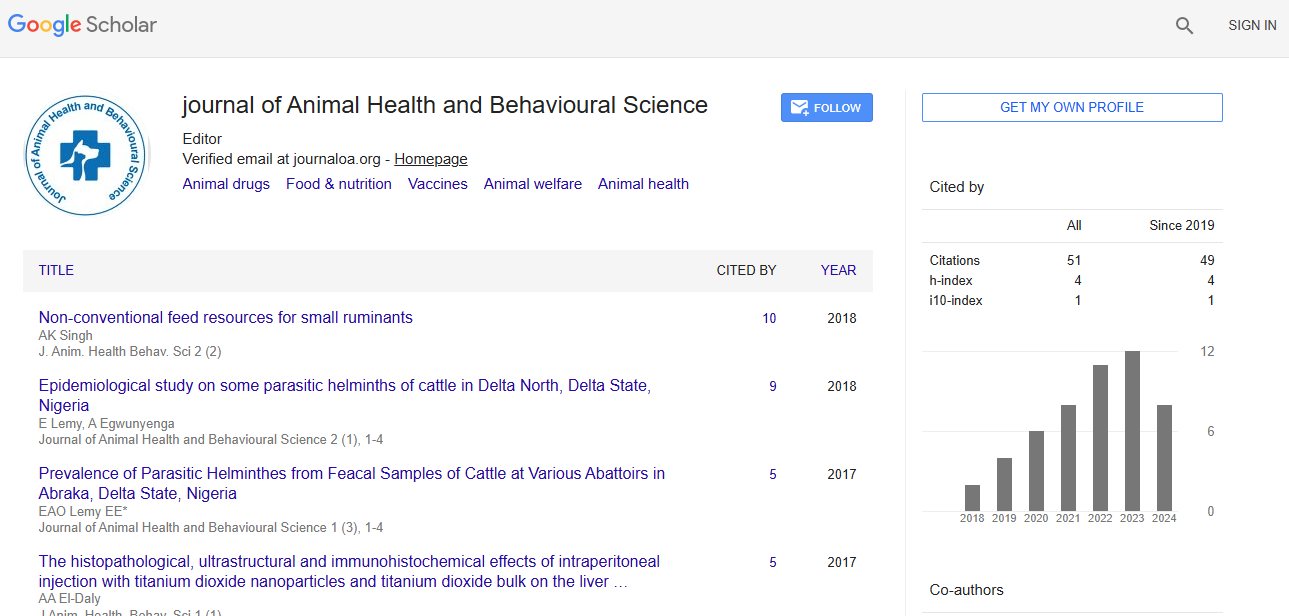
Journal of Animal Health and Behavioural Science received 38 citations as per Google Scholar report