Research Article - (2025) Volume 10, Issue 3
Received: 18-Jul-2024, Manuscript No. JFM-24-142299;
Editor assigned: 23-Jul-2024, Pre QC No. JFM-24-142299 (PQ);
Reviewed: 06-Aug-2024, QC No. JFM-24-142299;
Revised: 18-Jun-2025, Manuscript No. JFM-24-142299 (R);
Published:
25-Jun-2025
, DOI: 10.37421/2472-1026.2025.10.412
Citation: Fantaw, Dejen, SN Jadhav, Alemayehu Shiferaw. "A Cross-Sectional Study on Prediction of Stature from Arm and Forearm Length in the Age Group of 18 to 25 Years of Addis Ababa Population, Addis Ababa, Ethiopia." J Forensic Med 10 (2025): 412.
Copyright: 2025 Fantaw D, et al. This is an open-access article distributed under the terms of the creative commons attribution license which permits unrestricted use, distribution and reproduction in any medium, provided the original author and source are credited.
Background: Stature refers to a person's height from crown to heel length. Every person is identified by different biometric criteria such as face recognition, fingerprints, Iris patterns, etc., but identification in a dead body can rely on different identification features such as age, sex, stature and other identification marks, with stature being the most distinguishing feature of identification. Identifying an individual from mutilated, decomposed and amputated body fragments has become increasingly important in recent years as a result of natural disasters (such as earthquakes, tsunamis, cyclones and floods) and man-made disasters (such as terror attacks, bomb blasts, wars and plane crashes).
Objective: To predict stature from arm and forearm length in the age group of 18 to 25 years of Addis Ababa population, Addis Ababa, Ethiopia.
Materials and methods: A descriptive, cross-sectional, prospective study was conducted to estimate stature from arm and forearm length in the age group of 18 to 25 years of Addis Ababa population. Participants were selected randomly. Data was entered and analyzed with SPSS version 23. A simple linear regression model was computed to estimate stature from arm and forearm length.
Result: A total of 300 individuals with equal male-to-female proportion, 150 males and 150 females were taken as participants in this study. Height ranged from a minimum of 147.5 cm to a maximum of 188 cm, with a mean and standard deviation of 165.26 ± 7.36. For the total participants, the equations derived from arm length were: Stature=23.144 ± 4.212 (right arm length), R-value of 0.884, stature=22.104 ± 4.238 (left arm length), R-value of 0.886. For male, stature=42.352 ± 3.693 (right arm length), R-value of 0.827 and stature=42.224 ± 3.693 (left arm length), R-value of 0.830. For female, stature=55.705 ± 3.182 (right arm length), R-value of 0.790 and stature=54.040 ± 3.228 (left arm length), R-value of 0.796. Using forearm length, for total participants, stature=5.407 ± 5.862 (right forearm length), R-value of 0.884 and stature=6.175 ± 5.825 (left forearm length), R-value of 0.877. For male, stature=27.426 ± 5.112 (right forearm length), R-value of 0.839 and stature=28.521 ± 5.068 (left forearm length), R-value of 0.840. For female, stature=39.698 ± 4.533(right forearm length), R-value of 0.737 and stature=44.214 ± 4.353 (left forearm length), R-value of 0.717.
Conclusion: There is a notable and statistically significant correlation between stature and both arm and forearm lengths across genders and on both sides of the body
Stature estimation • Arm length • Forearm length
SPHMMC: Saint Paul’s Hospital and Millennium Medical College; SD: Standard Deviation; SPSS: Statistical Package for the Social Sciences; GC: Gregorian Calendar; CI: Confidence Interval; ETB: Ethiopian Birr; MD: Mean Difference; DF: Degree of Freedom; SEE: Standard Error of the Estimate; Sig: Significance; Cm: Centimeter; R: Pearson’s correlation coefficient; R2 : Coefficient of determination
Stature refers to a person's height from crown to heel length. Every person is identified by different biometric criteria such as face recognition, fingerprints, Iris patterns, etc., but identification in a dead body can rely on different identification features such as age, sex, stature and other identification marks, with stature being the most distinguishing feature of identification. Estimating stature is a major forensic anthropological concern used in the identification of unknown and mixed-up human remains. From intrauterine life, stature increases up to 20 to 21 years of age of a person. Adults are generally defined by their height at the age of 18; however, a slight increase in height occurs after this age. The gender gap in attaining adult height is significant; the median age for males is 21.2 years and 17.3 years for females, with 10% of males growing until 23.5 years and 10% of females growing until 21.1 years [1,2].
Identifying an individual from mutilated, decomposed and amputated body fragments has become increasingly important in recent years as a result of natural disasters (such as earthquakes, tsunamis, cyclones and floods) and man-made disasters (such as terror attacks, bomb blasts, wars and plane crashes). It is significant for legal as well as humanitarian reasons. The frequency of various mass disasters (air and train crashes, bombings, mass suicide, flooding and powerful storms) has increased [3-5]. Identification of the individual by height is easy when the entire body is found at the crime scene, However, in cases where mutilated body parts or amputated limbs of the body are discovered, forensic anthropology study methods such as regression equations are more useful for estimating stature and identification [6].
Anatomists, anthropologists and forensic medicine experts are all interested in anthropometric studies. One of the most important parameters in anthropometric studies is height. It is an important identifier of an individual. Except in pathological cases or due to environmental factors, human body height has a proportional biological relationship with other body parts [7].
For the development of regression formulae for predicting stature, two pieces of information are required, an accurate estimate of living stature and the measurements of the skeletal elements one wants to relate to stature. It should be noted that an individual's stature is not a fixed property, even after reaching maximum adult stature [8]. The formulas used to calculate stature from body parts differ depending on the population. Many body parts, including hand length, foot length, radius and ulna lengths and metatarsals, have been used in various societies to estimate stature [9].
Statement of the problem
Identification of the deceased's identity is a major focus of forensic analysis because it is essential to legal inquiries. To identify an individual, a biological profile must be established through the estimation of race, sex, age and stature, also known as the "Big Four" parameters of forensic anthropology.
Stature is regarded as one of the most important parameters for personal identification in forensic medicine cases. We sometimes find fragmented bodies as soft tissue remains in murders, accidents or mass disasters and natural events, in which estimating the stature and determining the gender is critical for personal identification. Among the various identification parameters, individual stature is an inherent feature.
Researchers have discovered a link between stature and measurements of various body components, which is frequently expressed using linear regression equations generated from these measurements. Several relevant studies have reported the relationship between stature and various upper extremity dimensions, including arms, forearms, fingers and phalanges.
Diurnal variations in body size are common in living organisms, with differences of 1.5 cm-2 cm observed at different times of the day, it is less in the afternoon and evening due to decreased elasticity of intervertebral discs and longitudinal vertebral muscles. Avoid measuring stature due to substantial diurnal variation. After the age of 30, the natural aging process reduces height by an average of about 0.6 mm per year. Stature also changes in different postures, being 1 cm-3 cm taller lying down than standing. After death, body muscles, including spinal and paraspinal muscles, are completely relaxed, resulting in an increase in height of about 2 cm. The measured height may vary over time in the postmortem stage. The body may lengthen by 2 cm-3 cm during the first phase of muscular relaxation, shorten during the rigor mortis phase and rise again after decomposition.
Justification
Height estimation is an important aspect of personal identification that is important to medico-legal experts. Determining stature from different parts of the body through anthropometry is an area of medical interest. Personal identification is an integral part of investigating large-scale disasters, where shattered or mutilated body parts are found all too often. Estimating stature from body fragments is critical for personal identification from mutilated or dismembered limbs or sections of limbs in incidents such as murders, accidents or natural catastrophes such as floods, tsunamis, earthquakes, airline crashes, rail crashes and terrorist attacks. In terms of biological variability, the world's population is highly variable. The specificity of the samples on which the estimation is based influences the accuracy of the estimation, therefore equations from one population should not be employed in another.
There are several methods for estimating height from bones, but the simplest and most reliable is regression analysis. It is of practical interest to define regression equations using age, gender, race and geographic-specific associations between various upper extremity measurements and stature. Most regression equations developed are intended to be region-specific, applicable only to the specific study location and age group where the study was conducted and should not be applied to individuals from different population groups.
My search revealed that no studies had been conducted to estimate stature from upper extremity parameters in Ethiopians aged 18 to 25 years, so this study is intended to estimate stature from arm and forearm lengths. Maximum height is usually achieved for this age group, that is why these age groups were selected for this study. Therefore, the current study aims to develop a regression equation for determining stature using anthropometric measures of the upper limbs in the Ethiopian population.
Stature and demographic data
In a study done in the Australian population of 96 individuals (61 females and 35 males) aged between 18 and 62 years, for males, height ranged from 166.9 cm to 188.8 cm, with a mean height of 177.34 ± 5.764 cm (95% CI, 175.29 and 179.38) and in females, height ranged from 150.3 cm to 179.1 cm, with a mean height of 164.58 ± 6.285 cm (95% CI, 162.91, 166.24).
In a study done on the estimation of stature by anatomical anthropometric parameters in first-year regular undergraduate students at Debre Markos University, North West Ethiopia, the mean age of respondents was 21.27 ± 1.74 and 20.41 ± 1.58 for males and females, respectively. For males, height ranged from 155.0 cm to 182.0 cm, with a mean height of 168.36 ± 5.89 cm. In females, height ranged from 153.0 cm to 178.8 cm, with a mean height of 165.24 ± 4.01 cm, the mean value of height and all anatomical anthropometric measurements of male participants were greater than those of females, and all these differences were statistically significant (p<0.05).
A cross-sectional study, done over 2 years in medical students aged 18-24 years of Maharashtra, India, enrolled subjects (400), both males (54.7%) and females (45.2%) revealed that the stature in males ranged from 142.0 cm to 187.0 cm with a mean (SD, 95% CI) of 170.75 cm (9.47, 8.856-10.175). The stature in females ranged from 141.10 cm to 186.00 cm with a mean (SD, 95% CI) of 159.46 cm (7.66, 7.163-8.231). Males have greater stature than females and it was statistically significant (P<0.001, 95% CI 9.576-13.003).
Another research done in Addis Ababa on the estimation of stature from arm span, arm length and tibial length among adolescents aged 15-18 found the mean height of male subjects 164.36 ± 8.89 cm and for female subjects it was 155.74 ± 5.86 cm. The independent sample t-test illustrates that there was a statistically significant higher mean for male study subjects than their female counters (body height: t=11.714; p<.000).
A thesis done in the Chennai population aged 18 to 22 years found mean ages of the study subjects 21.184 ± 3.27 for males and 21.01 ± 3.31 for females), were not significantly different between genders.
A prospective cross-sectional study using a convenient sampling technique was done in 100 Saudi men, mean age of these subjects was 20.5 years (range: 18-24 years), with precision study showed excellent reproducibility for intra-observer errors with R ≥ 0.997, and relative technical error of measurement, <1.423%, found the mean stature to be 172.98 ± 6.16 cm.
The average stature of the participants was 179.11 cm in men and 164.45 cm in women in research done to obtain linear regression formulas depending on upper arm length for estimating stature in Turkey done in 35 males and 35 females aged 18-36 years.
Data collected from 150 healthy students aged 18 to 22 in India showed that a significant correlation exists between stature and the right upper limb length. The stature mean value of 169.4 cm and standard deviation of 5.71 cm in males mean value of 157.6 cm and a standard deviation being 6.62 cm in females.
In another study on the estimation of stature from forearm length in the age group of 18 to 25 years in the Telangana population, the age (mean ± SD) of participants was 19.80 ± 1.21 in males and 19.51 ± 1.26 in females.
Arm length and stature
In a study done on the estimation of stature by anatomical anthropometric parameters in first-year regular undergraduate students at Debre Markos University, humeral length (bilateral) was strongly correlated with height in males (p<0.05). The correlation coefficient (R) was 0.539 and 0.535 for right and left humeral lengths, respectively. In females, the correlation coefficient was 0.163 for right humeral length and 0.159 for left humeral length and the regression equation is derived for right and left arm both in males and females. In males’ stature=113.77+1.65 (right humeral length) and 114.10+1.64 (left humeral length) and in females’ stature=154.34+0.34 (right humeral length) and 154.61+0.33 (left humeral length).
Research done in Addis Ababa on the estimation of stature from arm span, arm length and tibial length among adolescents aged 15-18 found the mean of the arm length of male subjects was 76.74± 4.67 cm and for female subjects it was 72.49 ± 3.48 cm. The independent sample t-test illustrates that there was a statistically significant higher mean for male study subjects than the females (Arm length: t=10.547; p<.000). The correlation between standing height and arm length in males is 0.806 and in females it is 0.635. Simple linear regression equations to estimate stature from arm length were developed and the result shows in males’ stature=46.71+1.53 (arm length) and in females’ stature=78.36+1.06 (arm length).
A prospective cross-sectional study using a convenient sampling technique done in 100 Saudi men stated that the mean differences between the right and left measurements were small (0.01-0.06 cm). The mean arm length of the right arm is 32.24 ± 1.72 and the left arm is 32.21 ± 1.74. The result shows the simple linear regression equations for estimating stature based on right and left side measurements (stature=94.25+2.44 (right arm length) and stature=94.95+2.42 (left arm length). An article aimed to develop simple linear regression to estimate stature based on upper limb dimensions of adult Bangladeshi males found the mean length of the arm to be right 30.14 ± 2.61 and left 30.13 ± 2.63 and the linear regression formula as stature=98.846+2.124 (right arm length) and stature=98.987+2.121 (left arm length).
The mean right upper arm length was 36.43 cm in men and 33.37 cm in women and the mean left upper arm length was 36.48 cm in men and 33.66 cm in women in research done in Turkey in 35 males and 35 females aged 18-36 years. The measurement values obtained from men were found to be greater than women's, the difference was statistically significant (p<0.01). The final linear regression formula is stature=112.072+1.559 (right arm length) and stature=123.381+1.210 (left arm length) in males and stature=123.811+1.518 (right arm length) and stature=128.093+1.399 (left arm length) in females.
In India involving 150 healthy students aged 18 to 22, the mean value of right upper arm length was 78.6 cm with and standard deviation of 4.35 cm in males and 71.59 cm and a standard deviation being 3.76 cm in females. The regression equation is stature=72.968 +1.227 (right arm length) in males and stature=38.145+1.668 (right arm length) in females.
Forearm length and stature
A study done in the Australian population of 96 individuals (61 females and 35 males) aged between 18 and 62 years has developed single-predictor models for stature estimation for each potential predictor (body dimension), for each of the left and right sides separately and for each of males and females separately. The strongest correlations with stature were observed for forearm length for all groups (combined r=0.887; males r=0.748; females r=0.780).
In a study on the estimation of stature by anatomical anthropometric parameters in first-year regular undergraduate students at Debre Markos University, North West Ethiopia, the correlation between height and ulnar length (bilateral) in males and females was statistically significant (p<0.05). The correlation coefficient ulnar length was 0.496 for males, 0.147 for females on the right side and 0.498 for males and 0.144 for females on the left side. The regression equation is derived for the right and left forearm both in males and females. In males’ stature=120.13+1.87 (right ulnar length) and 119.68+1.89 (left ulnar length) and in females’ stature=155.41+0.40 (right ulnar length) and 155.60+0.39 (left ulnar length).
The findings of a thesis done in the Chennai population aged 18 to 22 years show gender differences in mean height and length of ulna. Mean right and left ulna lengths of the males (26.614 ± 2.92 and 26.492 ± 2.85) were significantly larger than that of the females (24.944 ± 2.64 and 24.780 ± 2.58) of all ages. The correlation coefficient between the total height and length of the ulna was found to be 0.86 in males, 0.58 in females and 0.75 in both together, which are positive and statistically highly significant (P<0.01). The linear regression formula in males’ stature=90.57+2.92 (ulnar length) and in females’ stature=121.52 +1.39 (ulnar length) and for both 93.54+2.67 (ulnar length).
A prospective cross-sectional study done in 100 Saudi men stated that the mean differences between the right and left measurements were small (0.01-0.06 cm). The mean ulnar length of the right forearm is 28.40 ± 1.37 and the left forearm is 28.36 ± 1.4. The result shows the simple linear regression equations for estimating stature based on right and left side measurements stature=80.02+3.27 (right ulnar length) and stature=85.43+3.09 (left ulnar length). An article aimed to develop simple linear regression to estimate stature based on upper limb dimensions of adult Bangladeshi males resulted in the mean length of the ulna to be right 25.19 ± 1.72 and left 25.18 ± 1.70 and the linear regression formula as stature 79.504+3.309 (right ulnar length) and stature=79.504+3.309 (left ulnar length).
The mean length of the right forearm was 28.14 in males and 25.59 in females whereas the length of the left forearm was 28.05 in males and 25.51 in females, A P value less than 0.001 considered as significant in a study done on the estimation of stature from forearm length in the age group of 18 to 25 years in Telangana population. The regression formula is calculated as stature=68.45+8.13 (right forearm length) and stature=64.88+3.60 (left forearm length).
Conceptual framework
The conceptual framework developed from different literatures to show the linkage between dependent variables and independent variables of stature (Figure 1).
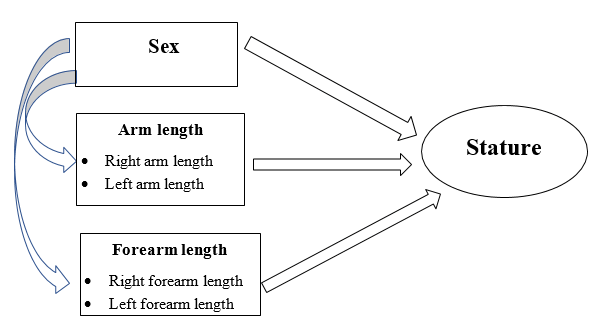
Figure 1. Conceptual framework showing the linkage between stature and other factors developed from literature review.
Objectives
General objective: To predict stature from arm length and forearm length in the age group of 18 to 25 years of Addis Ababa population.
Specific objectives
• To investigate the relationship between stature and arm and forearm.
• To develop a linear regression formula for stature from arm length.
• To develop a linear regression formula for stature from forearm length.
• To determine the relationship between stature and sex.
Study area
This study was conducted in Addis Ababa, the capital of Ethiopia and the diplomatic center of Africa is one of the fastest growing cities on the continent and is located in the geographic epicenter of the country and surrounded by the regional state of Oromia. It lies at an altitude of 7,546 feet (2,300 meters) and is a grassland biome, located at 9°1′48″N 38°44′24″ECoordinates: 9°1′48″N 38°44′24″E. The city lies at the foot of Mount Entoto. From its lowest point, around Bole International Airport, at 2,326 meters (7,631 ft) above sea level in the southern periphery, the city rises to over 3,000 meters (9,800 ft) in the Entoto Mountains to the north. It is the largest city in the country and plays a central political, economic and symbolic role in Ethiopia. Constitutionally, Addis Ababa is a self-administered city, accountable to the federal government. The current metro area population of Addis Ababa in 2023 is 5,461,000, a 4.46% increase from 2022 (Addis Ababa, Ethiopia metro area population 1950-2023. This capital city holds 527 square kilometers of area in Ethiopia. The population density is estimated to be near 5,165 individuals per square kilometer available. The city is divided into 11 sub-cities named Addis Ketema, Akaky Kaliti, Arada, Bole, Gullele, Kirkos, Kolfe Keranio, Lideta, Nifas Silk-Lafto, Yeka and Lemi kura sub-city.
Study period
The study was conducted from December 1, 2023, to December 31, 2023 G.C.
Study design
A cross-sectional study was conducted to predict stature from arm and forearm length in the age group of 18 to 25 years of Addis Ababa population.
Source population
The source population is all individuals in Addis Ababa in the age group of 18 to 25 years.
Study population
The study population is all individuals in the Addis Ketema subcity in the age group of 18 to 25 years who fulfill the inclusion criteria.
Inclusion criteria
• A healthy individual with normal skeletal growth and without any gross skeletal abnormalities in the age group of 18 to 25 years.
• Resident of Addis Ababa city.
Exclusion criteria
An individual with functional disorders in the measurement areas, any muscular disease, congenital disorder, deformity, fracture, amputation, movement restriction, neurological disease, individuals living in other than Addis Ababa and foreigners.
Sample size determination
The minimum sample size was calculated using Green’s rule of thumb which is developed with the assumption of medium effect size, power of 0.8 and α=0.05. Green's rule of thumb (medium effect) for regression model: n>50+8*number of predictors.
n>50+8*6=98
In this study, the simple linear regression model is developed for males and females separately on both sides, so that the minimum sample size for this study is 98*2=196
So, any sample size of more than 196 is appropriate for this research. In this research, 300 participants were selected with a 1:1 male-to-female ratio.
Sampling procedure
Addis Ketema sub-city was selected randomly from the sub-cities and Addis Ketema Industrial College was selected from higher institutions (higher institution was selected to address the target age group population). Participants were selected randomly and nonrespondents were substituted with the next randomly selected participant.
Operational definition
Stature: The measurement from the vertex to the floor in the anatomical position.
Arm length: The distance between the olecranon and acromion with the elbow flexed at 90 degrees and the shoulder fully adducted.
Forearm length: The distance from the tip of the olecranon to the medial wrist crease in a semi-flexed posture.
Frankfurt horizontal plane: Is a plane connecting the highest point on the upper border of the opening of each external auditory canal and the low point on the lower border of the orbit and that is used to orient a human head in a horizontal plane.
A resident of Addis Ababa city: A person who was born and raised in Addis Ababa.
Study variables
Dependent variables
• Stature
Independent variables
• Sex
• Right arm length
• Left arm length
• Right forearm length
• Left forearm length
Data collection and procedures
Data was collected using interviews and anthropocentric measurements and recorded on the data collection tool.
Procedure: The participants were cordially received and the procedure of taking measurements was explained. The participants were assured that the procedure would not cause any harm.
The participants were asked to answer according to the checklist. Written informed consent to measure the different physical measurements was obtained from each participant. The stature or standing height was measured using a stadiometer. After removing the footwear and socks, the participants stood on a wooden platform and heels, buttocks, shoulders and head touched the upright portion of the instrument. The arms were allowed to hang freely by the sides with the palms facing the thighs. The head was maintained in Frankfurt’s horizontal plane and the participant looked forward. The head plate of the stadiometer was brought into firm contact with the vertex along the midsagittal plane. After asking the subject to take a deep breath and holding it, readings were taken to the nearest 0.1 centimeters. Measurement was from the sole of the feet to the vertex of the head, as recommended by the International Biological Program.
The arm length was measured using a vernier caliper from the acromion to the olecranon process with the elbow flexed at 90 degrees and the shoulder fully adducted. The measurement was recorded in centimeters. Measurements were made two times and the average was taken on both right and left sides. Readings were taken to the nearest 0.02 millimeters.
Forearm length was measured using a vernier caliper from the tip of the olecranon process to the medial wrist crease in semi semiflexed posture. The measurement was recorded in centimeters. Measurements were made two times and the average was taken on both right and left sides. Readings were taken to the nearest 0.02 millimeters.
All the measurements were taken at the morning session to avoid the diurnal variation of the measurements. Pictures showing the instruments and procedures.
Data quality assurance
Data was collected by the principal investigator. Completed questionnaires were checked for completeness daily. Measurements were taken two times and the average value was used. Before data collection started, an intra-observer error was evaluated by measuring a randomly selected 15 participants once and then a second time 1 week later. The coefficient of reliability (R) was found to be 0.986.
Data processing and analysis
Data was coded, entered and analyzed using SPSS version 23. Descriptive statistics were conducted and the result was introduced utilizing tables and figures. A P-value of <0.05 was considered as statistical significance.
Before conducting the analysis several tests for basic assumptions of linear regression (linearity, tests of homoscedasticity and tests of normality) and reliability analysis were taken into consideration. Cronbach's alpha result was computed to check the reliability of the present data.
The linear relationship between the stature and the independent variables was checked by establishing a scatter plot matrix and the magnitude of the relationship was obtained by computing the Pearson correlation coefficient (R) with a 95% confidence interval. The t-test is used to compare measurement values between males and females. A simple linear regression model is computed to estimate stature from arm length and forearm length. Equation of regression analysis is intended with the help of the formula, y=a+bx, where y=dependent variable (stature), a=constant, b=independent variable coefficient and x=independent variable i.e., length of the arm or forearm.
Ethical consideration
Before data collection, to conduct this study, ethical clearance was obtained from the Institutional Review Board (IRB) of SPHMMC (ethical clearance number pm23/891) and Addis Ketema Industrial College. The aim of the study was clearly explained to the study participants and their right to refuse was maintained. Information was collected after obtaining informed consent from each participant. The personal information of study participants was kept entirely anonymous and confidentiality was maintained. The name and address of the participant are omitted from the questionnaire. The data was used only for the intended purpose of the study.
Dissemination of the result
After being completed, the research paper will be submitted to the SPHMMC Department of Forensic Medicine and Toxicology. The findings of this study will be distributed to SPHMMC, the Federal police commission, the Ethiopian Human Rights Commission, Addis Ketema Industrial College and for publication.
Socio-demographic characteristics
A total of 300 individuals with equal male-to-female proportion, 150 males and 150 females were taken as participants in this study. The mean ages of the study subjects are male 21.67 ± 1.88, female 21.45 ± 2.00 and total 21.56 ± 1.94. All the respondents didn't have a history of injury or surgery on their extremities. 281(93.7%) of the respondents are right-handed and the rest 19 (6.3%) are left-handed (Table 1).
| Sex of respondent | Frequency | Age | Dominant hand | ||
| Mean | SD | Right | Left | ||
| Male | 150 | 21.67 | 1.881 | 139 | 11 |
| Female | 150 | 21.45 | 2.002 | 142 | 8 |
| Total | 300 | 21.56 | 1.942 | 281 | 19 |
Table 1. Socio-demographic characteristics of respondents.
Anthropometric parameters
The data were separately analyzed for both right and left sides across both genders. The table below summarizes the mean, standard deviation, minimum and maximum values of height, right arm length, left arm length, right forearm length and left forearm length.
The study's participants ranged in height from a minimum of 147.5 cm to a maximum of 188 cm, with a mean and standard deviation of 165.26 ± 7.36. Notably, male participants had a higher average height (170.43) compared to their female counterparts (160.08).
In terms of arm length, the mean right arm length was 33.74 for the entire population, 32.80 for females and 34.684 for males. Similarly, the mean left arm length was 33.78 for the entire population, 32.85 for females and 34.71 for males.
Forearm lengths were also examined for both sexes on both the right and left sides. The mean right forearm length was 27.27 for the entire population, 26.56 for females and 27.98 for males. Conversely, the mean left forearm length was 27.31 for the entire population, 26.62 for females and 28.00 for males (Table 2 and Figure 2).
| Sex of participant | Height of participant in cm | Right arm length in cm | Left arm length in cm | Right forearm length in cm | Left forearm length in cm | |
| Male | Mean | 170.4397 | 34.6841 | 34.7139 | 27.9786 | 28.0026 |
| SD | 5.5476 | 1.24164 | 1.24657 | 0.91035 | 0.91974 | |
| Minimum | 156.5 | 30.71 | 30.76 | 24.73 | 24.9 | |
| Maximum | 188 | 37.59 | 37.68 | 30.69 | 30.76 | |
| Female | Mean | 160.0837 | 32.8055 | 32.8504 | 26.5605 | 26.6159 |
| SD | 4.87837 | 1.21165 | 1.20305 | 0.79304 | 0.80303 | |
| Minimum | 147.5 | 29.99 | 30.04 | 23.32 | 23.26 | |
| Maximum | 169.5 | 35.77 | 35.76 | 29.2 | 29.32 | |
| Total | Mean | 165.2617 | 33.7448 | 33.7821 | 27.2695 | 27.3092 |
| SD | 7.35509 | 1.54437 | 1.53838 | 1.10943 | 1.10692 | |
| Minimum | 147.5 | 29.99 | 30.04 | 23.32 | 23.26 | |
| Maximum | 188 | 37.59 | 37.68 | 30.69 | 30.76 | |
Table 2. Descriptive statistics of stature, arm length and forearm length with sexual dimorphism of right and left sides.
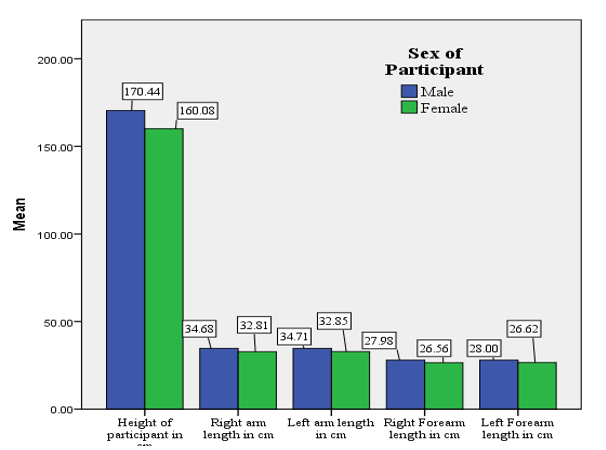
Figure 2. Bar graph of mean values of stature and upper limb anthropometric parameters with sexual dimorphism.
Stature and upper limb anthropometric parameters difference between male and female
An independent sample t-test was conducted to assess the extent of sexual dimorphism in stature and upper limb anthropometric measurements. Table 3 presents a comparison of mean values of stature and upper limb anthropometric measurements between male and female subjects. The study found that the overall mean values of stature and upper limb anthropometric measurements for male participants were higher than those for their female counterparts. These differences in means were statistically significant, with a pvalue less than 0.05.
| t | df | Sig. (2-tailed) | Mean difference | SED | 95% Confidence interval of the difference | |||
| Lower | Upper | |||||||
| Height of participant in cm | Equal variances assumed | 17.169 | 298 | 0 | 10.356 | 0.60318 | 9.16896 | 11.54304 |
| Equal variances not assumed | 17.169 | 293.207 | 0 | 10.356 | 0.60318 | 9.16888 | 11.54312 | |
| Right arm length in cm | Equal variances assumed | 13.262 | 298 | 0 | 1.87859 | 0.14165 | 1.59983 | 2.15736 |
| Equal variances not assumed | 13.262 | 297.822 | 0 | 1.87859 | 0.14165 | 1.59983 | 2.15736 | |
| Left arm length in cm | Equal variances assumed | 13.174 | 298 | 0 | 1.86345 | 0.14145 | 1.58508 | 2.14182 |
| Equal variances not assumed | 13.174 | 297.624 | 0 | 1.86345 | 0.14145 | 1.58508 | 2.14182 | |
| Right forearm length in cm | Equal variances assumed | 14.386 | 298 | 0 | 1.41813 | 0.09858 | 1.22414 | 1.61213 |
| Equal variances not assumed | 14.386 | 292.499 | 0 | 1.41813 | 0.09858 | 1.22412 | 1.61214 | |
| Left forearm length in cm | Equal variances assumed | 13.91 | 298 | 0 | 1.38674 | 0.09969 | 1.19055 | 1.58293 |
| Equal variances not assumed | 13.91 | 292.677 | 0 | 1.38674 | 0.09969 | 1.19054 | 1.58294 | |
| Note: T: t-statistics; DF: Degree of Freedom; SED: Standard Error of Difference; CI: Confidence Interval, Sig.: Significance; Cm: Centimeter | ||||||||
Table 3. Comparison of means of all measurements between male and female participants.
Correlation of stature and upper limb anthropometric parameters
The table below presents the summary of Pearson’s correlation coefficient (R) between stature and upper limb anthropometric measurements for both male and female subjects. The correlation coefficients between stature and upper limb anthropometric measurements ranged from 0.877 to 0.886 for all participants, 0.827 to 0.840 for male participants and 0.717 to 0.796 for female participants.
The strongest correlation with stature was observed in the left arm length for both the total population and female participants, while for male participants, it was in the left forearm length. Conversely, the weakest correlation was found in the left forearm length for the total population and female participants and in the right arm length for male participants. The correlation coefficients (R-values) for all upper limb anthropometric measurements were higher in male subjects compared to females. The summary describes the relationship between stature and upper limb measurements among male and female participants. Essentially, it indicates that male participants typically demonstrate stronger correlations between their upper limb measurements and stature in comparison to females. Notably, left arm length displays the highest correlation with stature for both the total population and female participants, while left forearm length exhibits the lowest correlation. This implies a close association between and stature in both genders, with males generally showing slightly stronger correlations overall (Table 4).
| Model | R | R Square | Standard error of the estimate | |
| Right arm length | Total | 0.884 | 0.782 | 3.43988 |
| Male | 0.827 | 0.683 | 3.1331 | |
| Female | 0.79 | 0.624 | 2.99947 | |
| Left arm length | Total | 0.886 | 0.786 | 3.41129 |
| Male | 0.83 | 0.689 | 3.10512 | |
| Female | 0.796 | 0.634 | 2.96239 | |
| Right forearm length | Total | 0.884 | 0.782 | 3.44102 |
| Male | 0.839 | 0.704 | 3.03055 | |
| Female | 0.737 | 0.543 | 3.30957 | |
| Left forearm length | Total | 0.877 | 0.769 | 3.54395 |
| Male | 0.84 | 0.706 | 3.0182 | |
| Female | 0.717 | 0.514 | 3.41397 | |
Table 4. Pearson’s correlation coefficient (R) between stature and upper limb anthropometric measurements.
The scatter plots depict the correlation between each upper limb anthropometric measurement and stature within the total population, as well as separately for male and female participants. These visualizations reveal that all upper limb anthropometric measurements and stature exhibit an almost linear relationship, with the correlation coefficient (R-value) indicating a high level of correlation as shown in Figures 3-14.
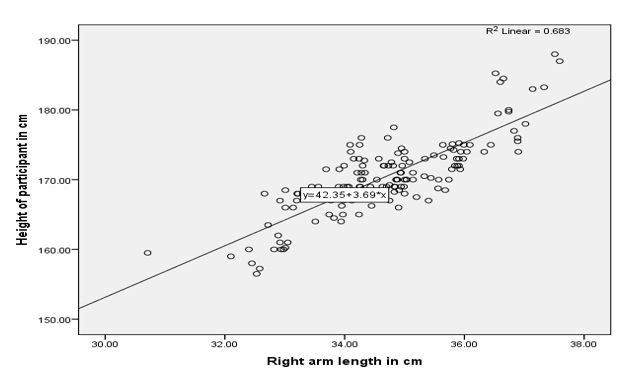
Figure 3. Scatter plot between height and right arm length of male participants.
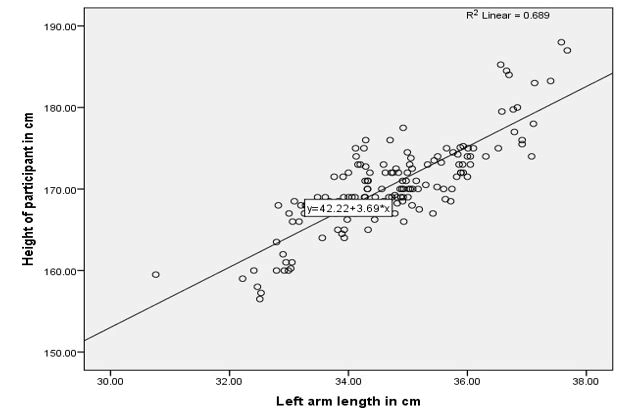
Figure 4. Scatter plot between height and left arm length of male participants.
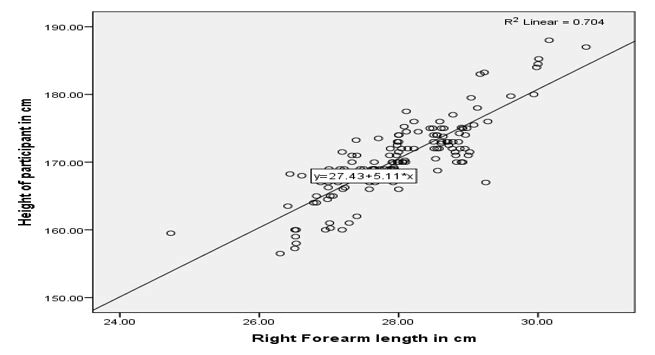
Figure 5. Scatter plot between height and right forearm length of male participants.
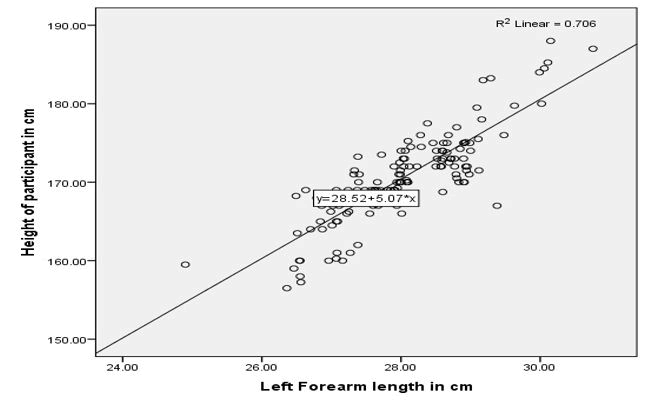
Figure 6. Scatter plot between height and left forearm length of male participants.
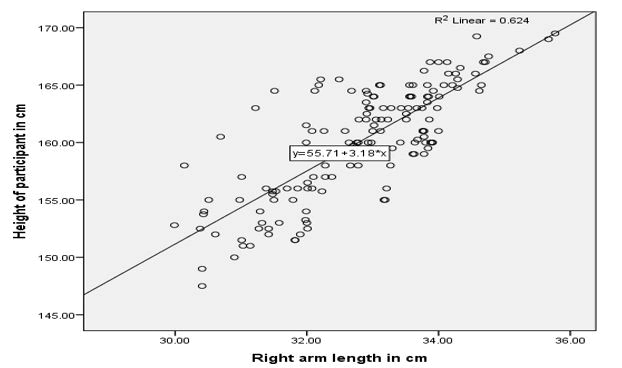
Figure 7. Scatter plot between height and right arm length of female participants.
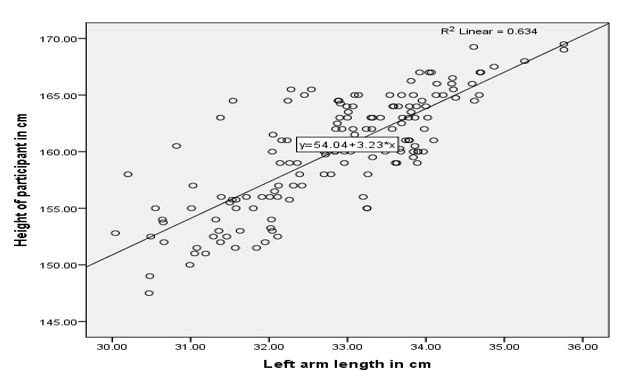
Figure 8. Scatter plot between height and right arm length of female participants.
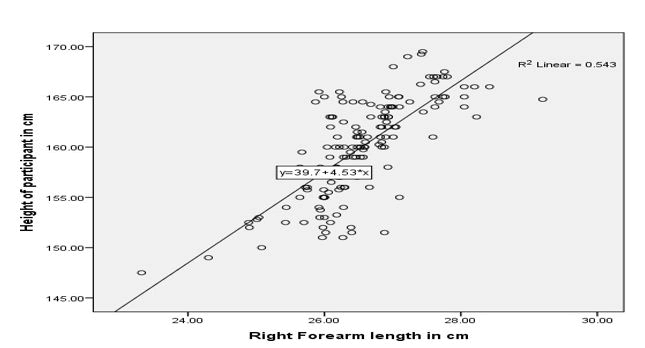
Figure 9. Scatter plot between height and right forearm length of female participants.
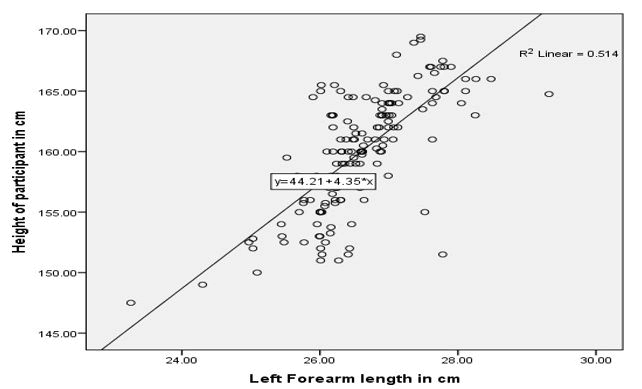
Figure 10. Scatter plot between height and left forearm length of female participants.
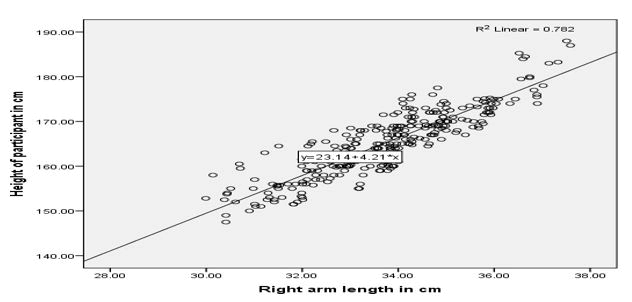
Figure 11. Scatter plot between height and right arm length of total participants.
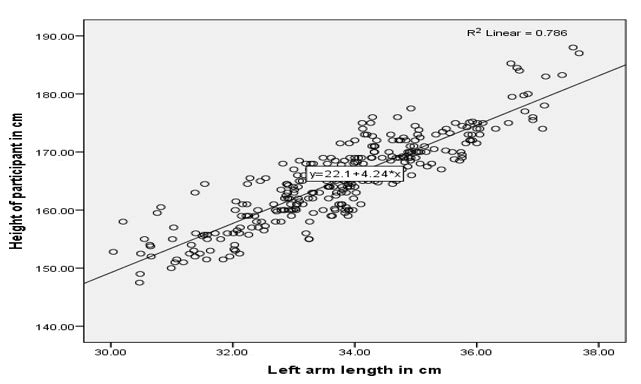
Figure 12. Scatter plot between height and left arm length of total participants.
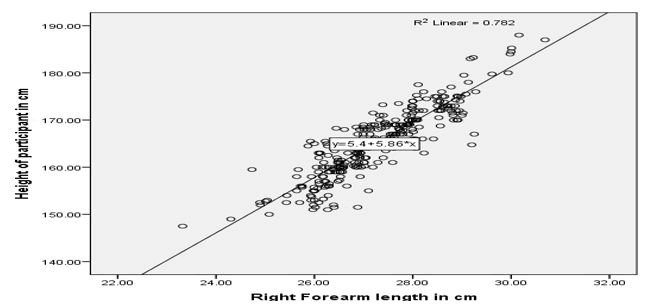
Figure 13. Scatter plot between height and right forearm length of total participants.
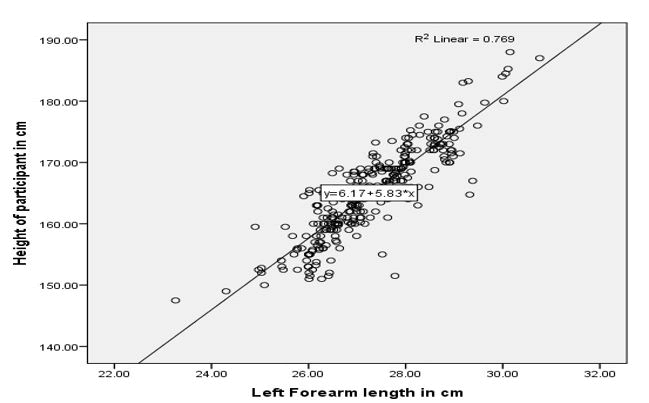
Figure 14. Scatter plot between height and left forearm length of total participants.
Stature and arm length
Simple linear regression models were generated for both male and female participants to predict stature based on arm length. For the total participants, the equations derived from these models were as follows: Stature=23.144+4.212 (right arm length) with an R-value of 0.884 and stature=22.104+4.238 (left arm length) with an R-value of 0.886. In the case of male participants, the equations were stature=42.352+3.693 (right arm length) with an R-value of 0.827 and stature=42.224+3.693 (left arm length) with an R-value of 0.830. For female participants, the equations were stature=55.705+3.182 (right arm length) with an Rvalue of 0.790 and stature=54.040+3.228 (left arm length) with an Rvalue of 0.796 (Table 5).
All anthropometric parameters showed significant associations with the standing height of participants, with a significance level of P<0.05.
| Parameter | R2 | SEE | Constant | Coefficient | Derived formula: (y=a+bx) | Sig. | |
| Total population | Right arm length | 0.782 | 3.43988 | 23.144 | 4.212 | Y=23.144+4.212x | 0 |
| Left arm length | 0.786 | 3.41129 | 22.104 | 4.238 | Y=22.104+4.238x | 0 | |
| Male | Right arm length | 0.683 | 3.1331 | 42.352 | 3.693 | Y=42.352+3.693x | 0 |
| Left arm length | 0.689 | 3.10512 | 42.224 | 3.693 | Y=42.224+3.693x | 0 | |
| Female | Right arm length | 0.624 | 2.99947 | 55.705 | 3.182 | Y=55.705+3.182x | 0 |
| Left arm length | 0.634 | 2.96239 | 54.04 | 3.228 | Y=54.040+3.228x | 0 | |
| Note: SEE: Standard error of the estimate | |||||||
Table 5. Prediction of stature from arm length of both sides in both sexes.
These equations demonstrate the linear relationship between stature and arm measurements within each subgroup, providing the intercept (a) and slope (b) of the regression line. The high R values and low significance levels (Sig.) indicate strong and statistically significant correlations between stature and arm measurements across all groups.
Stature and forearm length
A simple linear regression model was formulated for both male and female participants to predict stature from forearm length. The equations derived for estimating stature for the total participants using forearm length were stature=5.407+5.862 (right forearm length) with an R-value of 0.884 and stature=6.175+5.825 (left forearm length) with an R-value of 0.877. For male participants, the equations were stature=27.426+5.112 (right forearm length) with an R-value of 0.839 and stature=28.521+5.068 (left forearm length) with an R-value of 0.840. For female participants, the equations were stature=39.698+4.533 (right forearm length) with an R-value of 0.737 and stature=44.214+4.353 (left forearm length) with an R-value of 0.717 (Table 6).
All the anthropometric parameters significantly estimated the standing height of participants with a significance of P<0.05.
| Parameter | R2 | SEE | Constant | Coefficient | Derived formula: (y=a+bx) | Sig. | |
| Total population | Right forearm length | 0.782 | 3.44102 | 5.407 | 5.862 | Y=5.407+5.862x | 0 |
| Left forearm length | 0.769 | 3.54395 | 6.175 | 5.825 | Y=6.175+5.825x | 0 | |
| Male | Right forearm length | 0.704 | 3.03055 | 27.426 | 5.112 | Y=27.426+5.112x | 0 |
| Left forearm length | 0.706 | 3.0182 | 28.521 | 5.068 | Y=28.521+5.068x | 0 | |
| Female | Right forearm length | 0.543 | 3.30957 | 39.698 | 4.533 | Y=39.698+4.533x | 0 |
| Left forearm length | 0.514 | 3.41397 | 44.214 | 4.353 | Y=44.214+4.353x | 0 | |
| Note: SEE: Standard error of the estimate | |||||||
Table 6. Prediction of stature from forearm length of both sides in both sexes.
This study aimed to predict stature using upper limb anthropometric measurements, such as arm length and forearm length, among 300 participants aged 18 to 25 in Addis Ababa, Ethiopia.
The sexual differences in upper limb anthropometric parameters were evaluated and the statistical analysis revealed significant sexual differences in upper limb anthropometric parameters, with male participants exhibiting notably higher mean values in stature and upper limb measurements. Consequently, employing the same linear regression equation for estimating stature from arm length and forearm length across both sexes is not feasible. These findings align with previous studies conducted on stature estimation using anatomical anthropometric parameters among first-year regular undergraduate students at Debre Markos University in North West Ethiopia and another study done among 400 medical students aged 18-24 years from Maharashtra, India. In both studies, male participants demonstrated significantly greater mean values in height and arm length.
In a study conducted in Addis Ababa on the estimation of stature from arm span, arm length and tibial length among adolescents, a lower mean value of stature was noted among both male and female participants in comparison to the current study. Male subjects displayed statistically significantly higher mean values than females. This decline in mean values might be linked to the study's specific focus on adolescents aged between 15 to 18 years old. However, the findings of the current study revealed lower mean stature values when compared to a previous investigation conducted to obtain linear regression formulas depending on upper arm length for estimating stature in Turkey done in 35 males and 35 females aged 18-36 years. The disparity in mean stature values could be attributed to various factors such as differences in demographics (e.g., age range, geographical location) and sample size.
The differences observed in height and other physical measurements between genders are often explained by a combination of hormonal effects, environmental factors and variations in sex chromosome composition. Several research studies have investigated the relationship between height, arm length and forearm length, emphasizing their importance in demonstrating the ability to estimate stature using these anatomical anthropometric measurements.
The findings of this study showed that there is a statistically significant correlation between stature and both arm length and forearm length for both males and females (p<0.05). This study demonstrates a significant correlation between arm length and stature in males (R=0.827 for right arm length and R=0.830 for left arm length, with P<0.05) and females (R=0.790 for right arm length and R=0.796 for left arm length, with P<0.05). This is consistent with research conducted on stature estimation using anatomical anthropometric parameters among firstyear regular undergraduate students at Debre Markos University and another study in Addis Ababa focusing on estimating stature from arm span, arm length and tibial length among adolescents. However, the correlation coefficient in the current study is notably higher. Most studies examining arm length and stature have consistently demonstrated a strong correlation as shown in Figure 15.
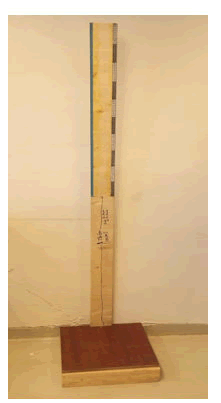
Figure 15. Locally made stadiometer.
Stature and forearm length are also strongly correlated in the present study with the correlation coefficient of males (R=0.839 for right forearm length and R=0.840 for left forearm length, with P<0.05) and females (R=0.737 for right forearm length and R=0.717 for left forearm length, with P<0.05). This finding aligns with a study conducted on an Australian population consisting of 96 individuals (61 females and 35 males) aged between 18-62 years which developed separate single-predictor models for estimating stature for each side (left and right) and for each gender (males and females) and this is also consistent with a thesis conducted on the Chennai population aged 18 to 22 years as shown in Figure 16.
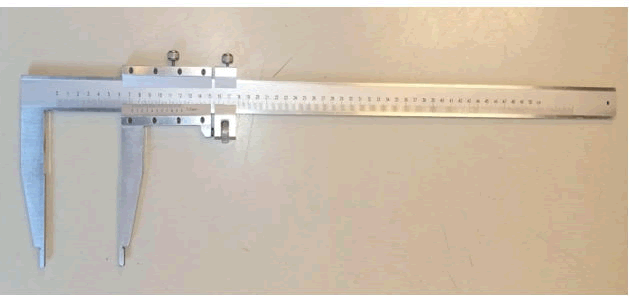
Figure 16. Vernier caliper.
The current study has demonstrated stronger correlation coefficients between stature and forearm length on both sides for both genders compared to a study conducted on stature estimation using anatomical anthropometric parameters among first-year regular undergraduate students at Debre Markos University, North West Ethiopia which shows the correlation coefficients for ulnar length were 0.496 for males and 0.147 for females on the right side and 0.498 for males and 0.144 for females on the left side.
This study has formulated simple linear regression equations using measurements of arm length and forearm length separately for both genders, considering both right and left sides. The effectiveness of these linear regression equations was evaluated using the coefficient of determination (R²) and the standard error of estimate for each upper limb measurement. Findings from the study revealed that for male participants, R² values ranged from 0.683 to 0.706, with standard error of estimate ranging from 3.01820 to 3.13310. For female participants, R² values ranged from 0.514 to 0.634, with the standard error of estimate ranging from 2.96239 to 3.41397. A regression equation with a higher R² value and a lower standard error of estimate is considered a more accurate estimator compared to models with lower R² values and higher standard errors of estimate. The study suggested that equations based on left forearm length for males and left arm length for females demonstrated higher R² values and lower standard errors of estimate compared to other upper limb anthropometric parameters as shown in Figures 17 and 18.
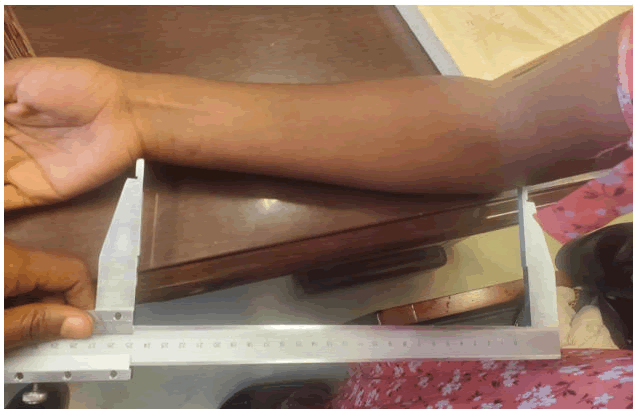
Figure 17. Picture showing measuring forearm length.
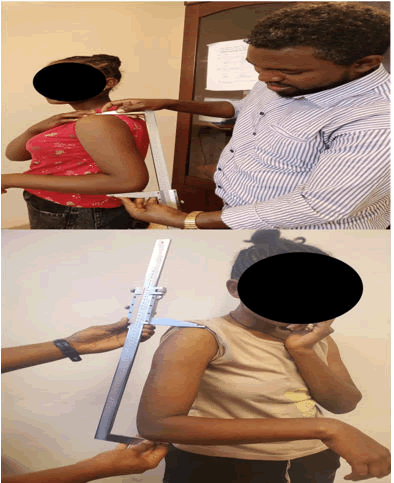
Figure 18. Pictures showing measuring arm length.
The primary goal of this study is to predict height using measurements of arm length and forearm length. There is a notable and statistically significant correlation between stature and both arm and forearm lengths across genders and on both sides of the body. Particularly, among the overall population and females, left arm length exhibits a strong association with height, whereas for males, left forearm length demonstrates the highest correlation. Regression equations derived from left arm length are identified as the most accurate predictors of height among females and the entire Addis Ababa population aged 18-25, whereas for males, left forearm length serves as the superior estimator of height. Overall mean values of stature, arm length and forearm length were significantly higher in males than females.
In both male and female participants of the study, there is no statistically significant variation found between the lengths of the right and left arms and forearms. From each upper limb anthropometric parameter, a simple linear regression model was developed to forecast an individual's stature.
Generally, in situations where linear height measurements are challenging, such as in mass disasters or forensic investigations, arm length and forearm length serve as reliable predictors of stature.
Further extensive studies should be conducted in various regions across the country to corroborate the findings and enhance the precision of prediction formulas by integrating additional anthropometric measurements. This initiative could result in a deeper understanding of the factors influencing stature prediction among the population
It is recommended that the country create databases containing the stature information of its residents. These collections could prove immensely valuable for identifying individuals in situations where full identification is difficult and only partial remains are present.
Initiatives should be undertaken to increase awareness among healthcare professionals, researchers and the public about the importance of anthropometric measurements in assessing health and nutritional status, especially for identification purposes.
The study's generated predictive models will be applicable in practical contexts. The study offers specific findings concerning the association between arm and forearm length and stature within a particular population. These findings have the potential to enhance the precision of estimating stature within that specific population.
This research utilizes a considerable sample size concerning the variables involved, which enhances the reliability and applicability of the study findings. In this research, adhering to standardized procedures for all measurements helps minimize errors and enhances the reliability of the results. This study created equations specific to both genders and distinctively for both the right and left sides.
The study did not consider ethnicity, which can affect body proportions, including the association between limb lengths and height. This study focuses on a specific population. The human population displays variations in body proportions influenced by genetic and environmental factors. Predictive equations created for one population might not yield accurate results when applied to individuals from another population group. Appropriate multi-stage sampling would have been better for this research.
I affirm that this thesis has not been presented for any academic degree or certification elsewhere. I have taken the necessary steps to uphold scholarly ethics and principles. Proper citations have been provided for all scholarly materials utilized in this work, demonstrating respect for intellectual property. This thesis will be archived in the Library of SPHMMC and will be accessible to all users according to the library's regulations. Excerpts from this paper may be utilized without explicit permission as long as proper attribution is given. Requests for the full or partial use of this thesis must be directed to the Head of the Department of Forensic Medicine and Toxicology or the Dean of the College of Graduate Studies, who will grant permission if they deem it beneficial for scholarly purposes. Otherwise, authorization from the author is required.
First, I would also like to thank Saint Paul’s Hospital and Millennium Medical College for providing me with the chance and funding to carry out this research proposal as the partial fulfillment of my residency program.
I would like to extend my deep appreciation to Dr. SN Jadhav and Dr Alemayehu Shiferaw for their valuable and constructive suggestions, leading advice, follow-up and encouragement during the planning and development of this research proposal. Their willingness to give their time generously has been much appreciated.
My gratitude goes to St. Paul’s Hospital Millennium Medical College, Forensic medicine and toxicology department staff, colleague residents and seniors.
I would like to express my sincere gratitude to Ato Firomsa with his team and Addis Ketema Industrial College for their invaluable support and cooperation throughout this project. Their expertise and resources have been instrumental in enhancing the quality and depth of our research.
Finally, I must express my profound gratitude to my beloved wife for her unfailing support and continuous encouragement throughout my years of study and through researching and writing this proposal.
[Google Scholar] [Crossref] [PubMed]
[Google Scholar] [Crossref] [PubMed]
Journal of Forensic Medicine received 165 citations as per Google Scholar report