Herbal medicine is also called botanical medicine or phytomedicine. It is the use of seeds, berries, roots, leaves, bark or flowers of a plant for medicinal purposes. Herbal medicine has a long tradition of use outside of conventional medicine. It is becoming more and more common as improvements in analysis and quality control as well as advances in clinical research show the value of herbal medicine in the treatment and prevention of disease. The plants had been used for medicinal purposes long before recorded history. Ayurveda is a medical system mainly practiced in India, known for almost 5000 years. It includes dietary and herbal remedies, while focusing on the body, mind and spirit in the prevention and treatment of disease. Ancient writings on the Chinese and Egyptian papyri describe medicinal uses of plants as early as 3000 BC. Indigenous cultures (such as Africa and Native Americans) used herbs in their healing rituals, while others developed traditional medical systems in which herbal therapies were used. A herb is a plant or part of a plant used for its scent, flavor or therapeutic properties. Medicinal plants are a type of food supplement. They are sold in the form of tablets, capsules, powders, teas, extracts and fresh or dried plants. People use herbal medicines to try to maintain or improve their health. Many people believe that products labeled "natural" are always safe and good for them. This is not necessarily true. Herbal medicines do not have to undergo the tests that medicines do. Certain herbs, such as comfrey and ephedra, can cause serious damage.
Review Article: Journal of Pharmacognosy & Natural Products
Review Article: Journal of Pharmacognosy & Natural Products
Research Article: Journal of Pharmacognosy & Natural Products
Research Article: Journal of Pharmacognosy & Natural Products
Editorial: Journal of Pharmacognosy & Natural Products
Editorial: Journal of Pharmacognosy & Natural Products
Editorial: Journal of Pharmacognosy & Natural Products
Editorial: Journal of Pharmacognosy & Natural Products
Scientific Tracks Abstracts: Pharmaceutical Regulatory Affairs: Open Access
Scientific Tracks Abstracts: Pharmaceutical Regulatory Affairs: Open Access
Scientific Tracks Abstracts: Pharmaceutical Regulatory Affairs: Open Access
Scientific Tracks Abstracts: Pharmaceutical Regulatory Affairs: Open Access
Posters & Accepted Abstracts: Journal of Bioanalysis & Biomedicine
Posters & Accepted Abstracts: Journal of Bioanalysis & Biomedicine
Posters: Journal of Bioanalysis & Biomedicine
Posters: Journal of Bioanalysis & Biomedicine
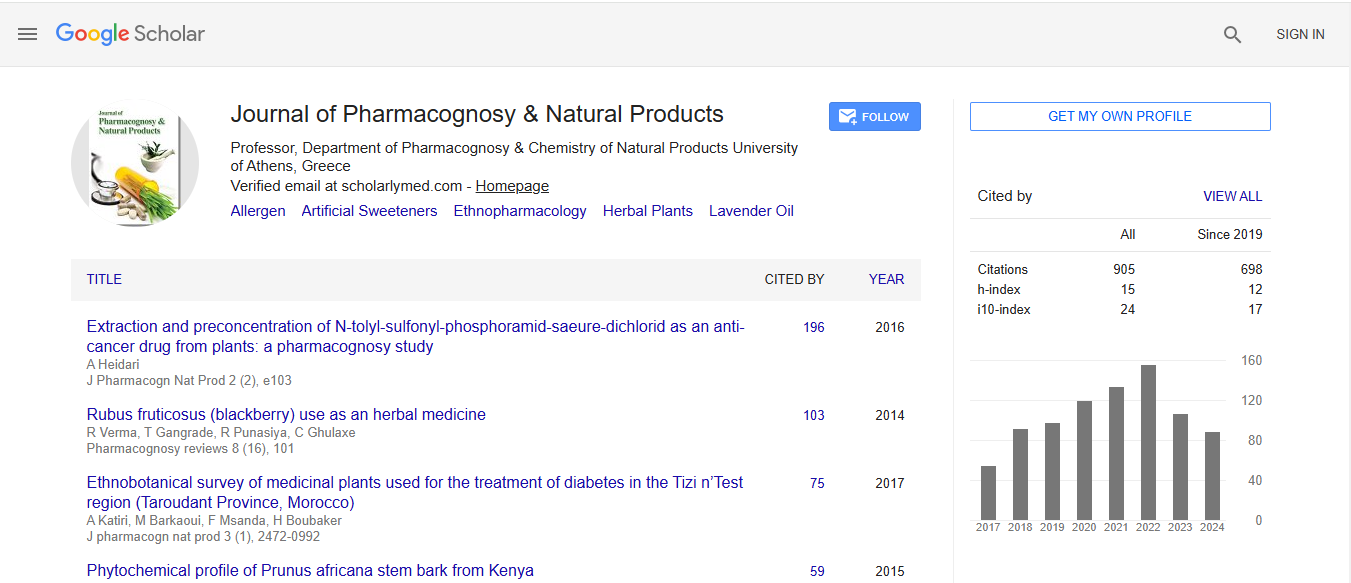
Journal of Pharmacognosy & Natural Products received 606 citations as per Google Scholar report

 Spanish
  Chinese
  Russian
  German
  French
  Japanese
  Portuguese
  Hindi
Hindi 