Mr. Mohamad Abu-Zaher
United Kingdom
Scientific Tracks Abstracts: J Cardiovasc Dis Diagn
Alzheimer’s disease (AD) remains the most common cause of dementia worldwide, characterised by progressive cognitive decline and neurodegeneration. Traditional therapies focus on symptom control without modifying disease progression. Lecanemab, a humanised monoclonal antibody targeting soluble protofibrils of amyloid-beta (Aβ), represents a promising disease-modifying therapy that may alter the course of early AD. Methods: This narrative review synthesises published data on lecanemab’s efficacy and safety, with a focus on key clinical trials including the phase III CLARITY-AD trial. Literature was searched via PubMed and ClinicalTrials.gov, with emphasis on outcomes related to cognitive function, amyloid burden, and adverse effects. Results: In the CLARITY-AD trial, lecanemab demonstrated a 27% reduction in cognitive decline on the CDR-SB scale compared to placebo over 18 months (p<0.001). Amyloid PET imaging confirmed significant clearance of Aβ plaques. However, ARIA-E (edema) occurred in approximately 12.6% of patients and ARIA-H (hemorrhage) in 17.3%, primarily in APOE ε4 carriers. Subgroup analyses suggested greater benefit when administered in early symptomatic stages (MCI due to AD). Other trials, including AHEAD 3-45, are evaluating preclinical populations and long-term outcomes.
Mr. Mohamad Abu Zaher.
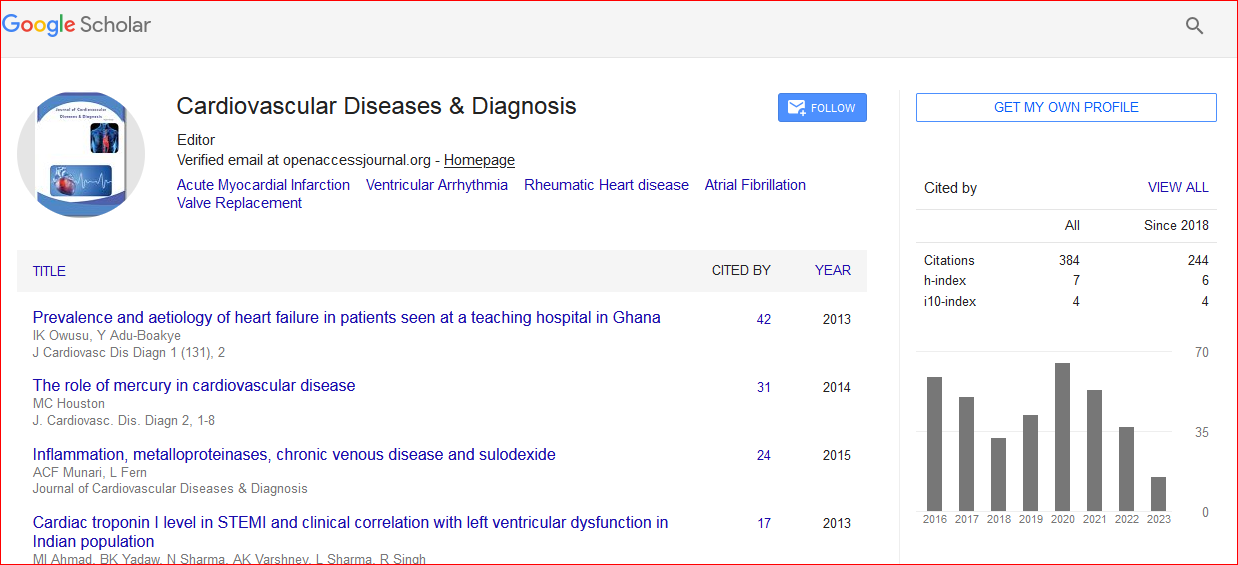
Cardiovascular Diseases & Diagnosis received 427 citations as per Google Scholar report

 Spanish
  Chinese
  Russian
  German
  French
  Japanese
  Portuguese
  Hindi
Hindi 