Brief Report - (2025) Volume 10, Issue 6
Received: 01-Nov-2025, Manuscript No. PE-26-179315;
Editor assigned: 03-Nov-2025, Pre QC No. P-179315;
Reviewed: 17-Nov-2025, QC No. Q-179315;
Revised: 24-Nov-2025, Manuscript No. R-179315;
Published:
29-Nov-2025
, DOI: 10.37421/2472-1042.2025.10.312
Citation: Novak, Stefan. ”Valuing High-Cost Specialty Drugs: A New Era.” Pharmacoeconomics 10 (2025):312.
Copyright: © 2025 Novak S. This is an open-access article distributed under the terms of the Creative Commons Attribution License, which permits unrestricted use, distribution and reproduction in any medium, provided the original author and source are credited.
Assessing the value of high-cost specialty drugs is a multifaceted challenge that necessitates a departure from traditional cost-effectiveness analyses toward more comprehensive methodologies. These advanced approaches are designed to encompass broader societal impacts and patient-reported outcomes, providing a richer understanding of a drug's true worth beyond mere economic metrics. The Department of Pharmaceutical Policy is at the forefront of developing these frameworks, aiming to capture essential elements such as innovation, the unmet medical need addressed, and significant improvements in patients' quality of life, which collectively justify the higher price points often associated with these life-altering therapies.[1] The rapid evolution of specialty pharmaceuticals presents a significant hurdle for existing value assessment frameworks, which often struggle to keep pace with the swift advancements in drug development. Emerging analyses are exploring the incorporation of specific metrics to quantify innovation potential and the degree of therapeutic advancement. This forward-looking perspective is particularly vital for conditions where treatment options are scarce, offering a more accurate reflection of a drug's long-term value.[2] At the heart of a robust value assessment for high-cost specialty drugs lies the indispensable patient perspective. Research in this area is increasingly focusing on the utility of patient-reported outcome measures (PROMs). These measures are crucial for demonstrating the real-world value of treatments, extending beyond purely clinical efficacy to capture improvements in quality of life, functional status, and overall well-being, thus providing a holistic view of a drug's impact.[3] Unmet medical need stands as a principal driver for the development and subsequent reimbursement of high-cost specialty drugs. This critical factor is being more rigorously examined, with efforts to quantitatively and qualitatively integrate the severity and rarity of diseases, alongside the absence of effective treatments, into sophisticated value assessment models. Such an approach ensures that the most pressing health needs are prioritized in drug evaluation.[4] The substantial economic burden imposed by rare diseases on healthcare systems mandates specialized approaches to value assessment for high-cost orphan drugs. Studies are actively evaluating the complex interplay of ethical considerations and economic feasibility, exploring novel pricing and reimbursement strategies tailored to the unique challenges presented by these medications.[5] Real-world evidence (RWE) is progressively recognized as an essential tool for validating the value of specialty drugs after their initial launch. Discussions are centering on the methodologies for collecting and analyzing RWE to inform ongoing value assessments and reimbursement decisions. This is especially pertinent for drugs administered to complex or heterogeneous patient populations where clinical trial data may not fully capture real-world effectiveness.[6] The concept of value-based pricing for high-cost specialty drugs is steadily gaining momentum within the pharmaceutical industry and regulatory bodies. This approach critically examines various models, including performance-based risk-sharing agreements, to understand their multifaceted implications for both payers and manufacturers, seeking to align pricing with demonstrable therapeutic outcomes.[7] Navigating the intricate reimbursement landscape for specialty drugs is a complex undertaking that hinges on robust health technology assessment (HTA) processes. HTA bodies are actively adapting their methodologies to effectively evaluate the incremental value of these innovative yet expensive treatments, ensuring that assessments reflect the true benefit offered to patients and healthcare systems.[8] The societal perspective offers a broader lens through which to view the value of high-cost specialty drugs, extending beyond direct healthcare costs. This perspective encompasses crucial impacts on productivity, caregiver burden, and overall social welfare, advocating for the inclusion of these wider societal benefits within the drug value assessment framework.[9] Looking ahead, the future of value assessment for specialty drugs will likely be shaped by adaptive and dynamic models capable of responding to evolving evidence and fluctuating market conditions. This forward-looking perspective explores emerging trends and potential future directions for developing robust and responsive value assessment methodologies that can meet the challenges of novel therapeutics.[10]
The process of evaluating the value of high-cost specialty drugs requires a paradigm shift from traditional cost-effectiveness analyses to more sophisticated frameworks. These advanced methods aim to incorporate broader societal impacts and patient-reported outcomes, providing a more holistic understanding of a drug's true worth. The Department of Pharmaceutical Policy is actively engaged in developing such frameworks, focusing on innovation, unmet medical need, and quality of life improvements, which often serve as justifications for the elevated prices of these life-altering medications.[1] Existing value assessment frameworks face challenges in accommodating the rapid pace of innovation characteristic of specialty pharmaceuticals. Consequently, there is a growing emphasis on incorporating metrics that capture innovation potential and the degree of therapeutic advancement. This approach offers a more prospective view of drug value, particularly relevant for conditions with limited existing treatment options.[2] Central to the comprehensive evaluation of high-cost specialty drugs is the patient's perspective. The integration of patient-reported outcome measures (PROMs) is crucial for demonstrating the real-world value of these treatments, moving beyond clinical efficacy to encompass improvements in quality of life, functional status, and overall well-being. This patient-centric approach provides critical insights into the tangible benefits of these therapies.[3] Unmet medical need is a significant determinant in the development and reimbursement pathways for high-cost specialty drugs. Research efforts are focused on enhancing the quantitative and qualitative integration of disease severity, rarity, and the lack of effective alternatives into value assessment models, ensuring that drugs addressing critical needs are appropriately recognized.[4] The considerable economic burden associated with rare diseases necessitates specialized value assessment methodologies for high-cost orphan drugs. Current research delves into the ethical considerations and economic feasibility of implementing novel pricing and reimbursement strategies, acknowledging the unique financial pressures these drugs can exert on healthcare systems.[5] Real-world evidence (RWE) is becoming increasingly indispensable for confirming the value proposition of specialty drugs post-launch. The methodologies for collecting and analyzing RWE are being refined to inform ongoing value assessment and reimbursement decisions, especially for drugs used in complex or diverse patient populations where the variability of outcomes is significant.[6] The concept of value-based pricing is gaining traction for high-cost specialty drugs, prompting critical examination of various models, including performance-based risk-sharing agreements. Understanding the implications of these models for both payers and manufacturers is essential for developing sustainable reimbursement strategies.[7] Navigating the complex landscape of specialty drug reimbursement demands robust health technology assessment (HTA) processes. HTA bodies are actively evolving their assessment methodologies to effectively gauge the incremental value of these innovative yet expensive treatments, ensuring that reimbursement decisions are evidence-based and aligned with patient benefit.[8] A societal perspective on drug value extends beyond direct healthcare costs to include broader impacts on productivity, caregiver burden, and overall social welfare. This broader perspective advocates for the incorporation of these societal benefits into the value assessment of high-cost specialty drugs, providing a more comprehensive economic evaluation.[9] The future of specialty drug value assessment is anticipated to involve adaptive and dynamic models. These models will be designed to respond flexibly to evolving evidence bases and shifting market dynamics, ensuring that assessment methodologies remain relevant and effective in evaluating novel therapeutics.[10]
High-cost specialty drugs present unique value assessment challenges, requiring a move beyond traditional cost-effectiveness to incorporate patient-reported outcomes, societal impacts, and innovation metrics. Unmet medical need and the economic burden of rare diseases are key considerations. Real-world evidence and value-based pricing models are becoming crucial for post-launch validation and reimbursement. Health technology assessment processes are adapting to evaluate these complex therapies. Future assessments will likely rely on dynamic and adaptive models to keep pace with evolving evidence and market changes.
None
None
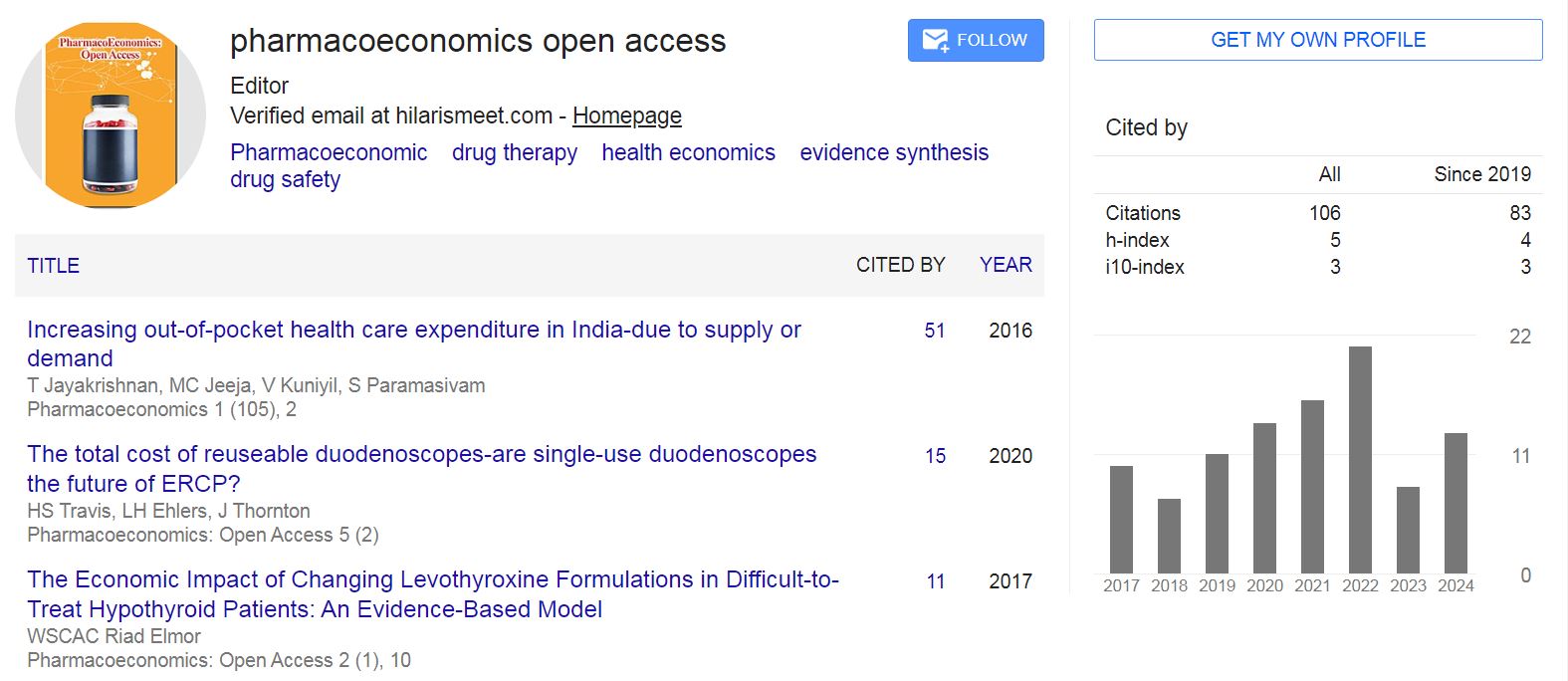
Pharmacoeconomics: Open Access received 106 citations as per Google Scholar report