Opinion - (2025) Volume 10, Issue 5
Received: 01-Oct-2025, Manuscript No. jomp-26-185126;
Editor assigned: 03-Oct-2025, Pre QC No. P-185126;
Reviewed: 17-Oct-2025, QC No. Q-185126;
Revised: 22-Oct-2025, Manuscript No. R-185126;
Published:
29-Oct-2025
, DOI: 10.37421/2576-3857.2025.10.328
Citation: Kowalczyk, Marta. ”Understanding Breast Cancer Metastasis: Organ-Specific Colonization Mechanisms.” J Oncol Med and Pract 10 (2025):328.
Copyright: © 2025 Kowalczyk M. This is an open-access article distributed under the terms of the Creative Commons Attribution License, which permits unrestricted use, distribution and reproduction in any medium, provided the original author and source are credited.
Metastatic tropism in breast cancer, the tendency for cancer cells to spread to specific organs, is driven by complex interactions between tumor cells and the microenvironment of target sites. Understanding these interactions, particularly in the context of bone, lung, liver, and brain metastases, is crucial for developing targeted therapies. Recent research highlights the role of molecular signaling pathways, immune cell infiltration, and the extracellular matrix in dictating organ-specific colonization. This includes investigating how specific chemokines, growth factors, and adhesion molecules mediate cancer cell arrest, survival, and outgrowth in distinct organ niches [1].
The ability of breast cancer cells to colonize the bone microenvironment involves a sophisticated interplay with osteoblasts, osteoclasts, and bone marrow stromal cells. This leads to characteristic bone lesions, either osteolytic or osteoblastic, which can cause significant morbidity. Research is focusing on identifying the specific molecular cues within the bone niche that promote breast cancer cell survival and proliferation, as well as understanding how tumor cells influence bone remodeling processes to create a favorable environment for their growth [2].
Lung metastasis in breast cancer is a common and often challenging clinical problem. The lung microenvironment presents unique immunological and physical barriers that cancer cells must overcome. Recent studies are unraveling the specific interactions between circulating tumor cells and lung endothelial cells, alveolar macrophages, and the extracellular matrix. Understanding these early colonization events is critical for developing interventions to prevent or treat lung metastases [3].
Liver metastasis from breast cancer significantly impacts patient prognosis. The liver's unique metabolic and immunological landscape plays a critical role in supporting or inhibiting cancer cell growth. Current research is exploring how breast cancer cells interact with liver sinusoidal endothelial cells, Kupffer cells, and hepatocytes to establish and grow in the liver. Targeting these specific interactions offers potential therapeutic avenues [4].
Brain metastasis in breast cancer is associated with poor outcomes and limited treatment options. The blood-brain barrier (BBB) presents a significant obstacle for circulating tumor cells, yet specific mechanisms allow some breast cancer cells to breach it and colonize the brain parenchyma. Ongoing research focuses on identifying the molecular players that facilitate BBB transmigration and promote tumor growth in the brain's unique microenvironment, including interactions with astrocytes and microglia [5].
The concept of 'seed and soil' remains central to understanding metastatic tropism, but recent advancements are revealing the intricate molecular dialogues involved. Tumor cells (seeds) possess intrinsic properties that enable them to survive circulation and extravasate, while the specific microenvironment of target organs (soil) provides the necessary cues for their outgrowth. Identifying these molecular conversations is key to therapeutic development [6].
Immune cells within the metastatic niche play a dual role, sometimes suppressing and other times promoting tumor growth. Understanding the specific immune cell populations and their functional states at different metastatic sites is crucial. For instance, tumor-associated macrophages (TAMs) can adopt pro-tumorigenic phenotypes in the bone or liver, contributing to an immunosuppressive environment that favors cancer cell survival [7].
The extracellular matrix (ECM) is not merely a structural scaffold but an active participant in metastatic colonization. Remodeling of the ECM by enzymes like matrix metalloproteinases (MMPs) facilitates tumor cell invasion and survival in distant organs. Furthermore, specific ECM components can bind and present growth factors, influencing cancer cell signaling and tropism [8].
Therapeutic strategies targeting metastatic tropism are evolving. These include therapies aimed at blocking specific signaling pathways that mediate organ homing, enhancing anti-tumor immunity at metastatic sites, and developing agents that disrupt the pro-metastatic properties of the tumor microenvironment. Precision medicine approaches, guided by molecular profiling of primary and metastatic tumors, are essential [9].
The heterogeneity of breast cancer subtypes influences their metastatic potential and tropism. For example, triple-negative breast cancer (TNBC) often exhibits a higher propensity for visceral metastasis compared to hormone receptor-positive subtypes. Understanding these subtype-specific differences in metastatic behavior is critical for tailoring treatment strategies and improving patient outcomes [10].
The intricate mechanisms governing metastatic tropism in breast cancer are multifaceted, involving complex interactions between malignant cells and the distinct microenvironments of target organs. Understanding the molecular signaling pathways, the infiltration and function of immune cells, and the composition and remodeling of the extracellular matrix are critical for deciphering how cancer cells arrest, survive, and proliferate in specific sites such as the bone, lung, liver, and brain. This knowledge is paramount for the development of novel therapeutic interventions [1].
Colonization of the bone by breast cancer cells is a complex process driven by their interplay with bone-resident cells, including osteoblasts, osteoclasts, and bone marrow stromal cells. This interaction leads to the formation of characteristic bone lesions, which can be either osteolytic or osteoblastic, significantly contributing to patient morbidity. Ongoing research endeavors to identify the specific molecular signals present in the bone microenvironment that foster breast cancer cell survival and proliferation, while also elucidating how tumor cells manipulate bone remodeling processes to create a permissive niche for their expansion [2].
Metastasis to the lung represents a common and clinically challenging complication of breast cancer. The lung microenvironment poses unique immunological and physical hurdles that circulating tumor cells must surmount. Recent investigations are progressively uncovering the specific molecular and cellular interactions that occur between tumor cells and key lung components, such as endothelial cells, alveolar macrophages, and the extracellular matrix. Elucidating these early stages of colonization is essential for designing effective strategies to prevent or treat lung metastases [3].
Liver metastasis from breast cancer is a significant determinant of patient prognosis, largely owing to the liver's specialized metabolic and immunological characteristics that can either support or impede tumor growth. Current research is actively investigating the molecular dialogues between breast cancer cells and liver sinusoidal endothelial cells, Kupffer cells, and hepatocytes, which are crucial for the establishment and progression of liver metastases. The identification and targeting of these specific interactions hold considerable promise for developing effective therapies [4].
Brain metastasis in breast cancer is associated with dismal prognoses and limited therapeutic options. The blood-brain barrier (BBB) normally acts as a formidable impediment to circulating tumor cells; however, certain breast cancer cells possess mechanisms that enable them to breach this barrier and establish metastases within the brain parenchyma. Current research is focused on pinpointing the molecular factors that facilitate BBB transmigration and promote tumor growth in the unique brain microenvironment, including interactions with glial cells like astrocytes and microglia [5].
The established 'seed and soil' hypothesis provides a foundational framework for understanding metastatic tropism, yet contemporary research is progressively unveiling the sophisticated molecular dialogues that underpin this phenomenon. Tumor cells, the 'seeds', possess intrinsic attributes that allow them to survive circulation and extravasate into distant tissues. Concurrently, the microenvironment of the target organ, the 'soil', provides specific cues essential for their survival and outgrowth. Identifying and characterizing these molecular exchanges are critical for the rational design of anti-metastatic therapies [6].
Immune cells residing within the metastatic niche exert a complex, often context-dependent, influence on tumor progression, capable of both suppressing and promoting cancer growth. A thorough understanding of the specific immune cell populations present and their functional states at various metastatic sites is imperative. For example, tumor-associated macrophages (TAMs) can differentiate into pro-tumorigenic phenotypes within the bone or liver microenvironments, thereby fostering an immunosuppressive milieu that facilitates cancer cell survival [7].
The extracellular matrix (ECM) plays a dynamic and active role in the process of metastatic colonization, extending beyond its traditional structural function. The enzymatic remodeling of the ECM, notably by matrix metalloproteinases (MMPs), is instrumental in facilitating tumor cell invasion and their subsequent survival in distant organs. Moreover, distinct ECM components can bind and present growth factors, thereby modulating cancer cell signaling pathways and influencing their tropism towards specific organs [8].
Therapeutic strategies aimed at targeting metastatic tropism are rapidly advancing and encompass a range of approaches. These include the development of therapies designed to inhibit specific signaling pathways that govern organ homing, the enhancement of anti-tumor immune responses at metastatic sites, and the design of agents that can disrupt the pro-metastatic characteristics of the tumor microenvironment. The implementation of precision medicine, informed by comprehensive molecular profiling of both primary and metastatic tumors, is increasingly recognized as essential for optimizing treatment outcomes [9].
The inherent heterogeneity among different breast cancer subtypes significantly influences their metastatic potential and organ tropism. For instance, triple-negative breast cancer (TNBC) subtypes often display a greater propensity for visceral metastasis compared to hormone receptor-positive subtypes. A comprehensive understanding of these subtype-specific variations in metastatic behavior is crucial for developing tailored treatment strategies and ultimately improving patient prognosis [10].
Breast cancer metastasis is a complex process driven by interactions between tumor cells and the microenvironment of target organs like bone, lung, liver, and brain. Molecular signaling, immune cell activity, and the extracellular matrix play crucial roles in organ-specific colonization. Understanding these interactions is vital for developing targeted therapies. Breast cancer cells colonize bone by interacting with osteoblasts and stromal cells, leading to bone lesions. Lung metastasis involves overcoming unique immunological and physical barriers in the lung. The liver's metabolic and immune landscape influences metastasis, with cancer cells interacting with hepatocytes and immune cells. The blood-brain barrier presents a challenge for brain metastasis, with specific mechanisms allowing cancer cells to breach it. The 'seed and soil' theory is central, with recent focus on molecular dialogues. Immune cells have a dual role, and the extracellular matrix actively participates in metastasis. Therapeutic strategies are evolving to target these processes, and subtype-specific differences in metastasis are important for treatment. Understanding these mechanisms is key to improving patient outcomes.
None
None
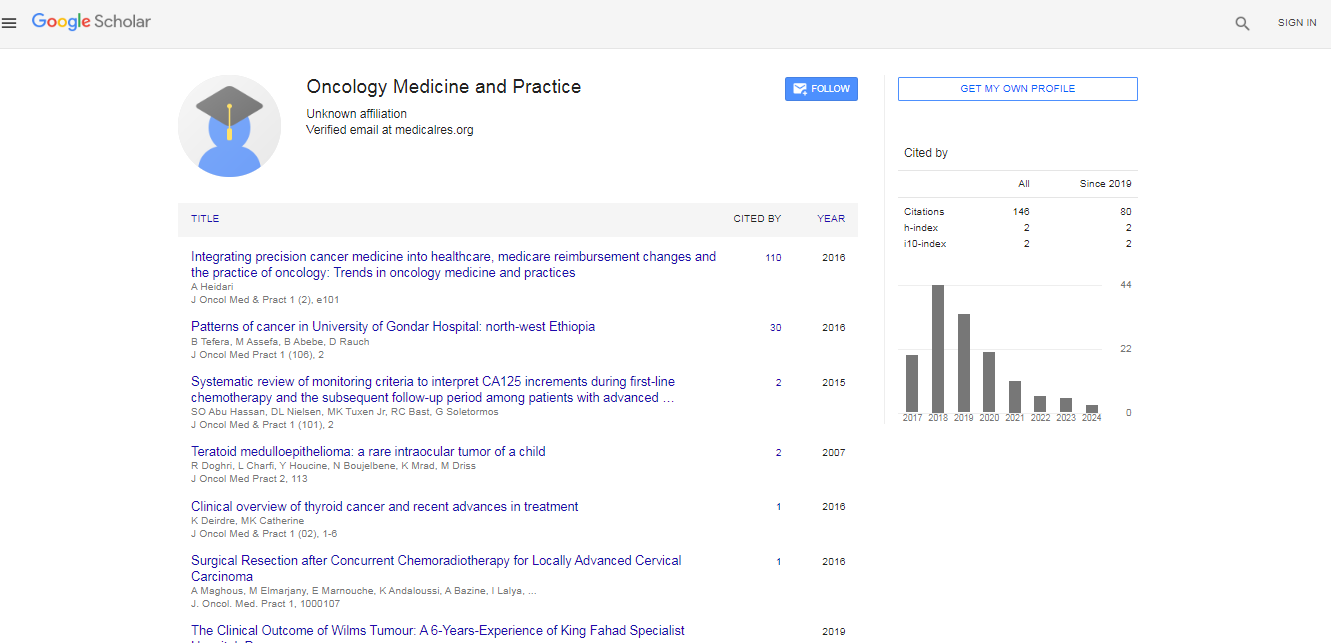
Journal of Oncology Medicine & Practice received 142 citations as per Google Scholar report