Commentary - (2025) Volume 10, Issue 5
Received: 01-Sep-2025, Manuscript No. PE-26-179310;
Editor assigned: 03-Sep-2025, Pre QC No. P-179310;
Reviewed: 17-Sep-2025, QC No. Q-179310;
Revised: 22-Sep-2025, Manuscript No. R-179310;
Published:
29-Sep-2025
, DOI: 10.37421/2472-1042.2025.10.308
Citation: Verhoeven, Anika. ”The Steep Economic Cost of Medication Non-Adherence.” Pharmacoeconomics 10 (2025):308.
Copyright: © 2025 Verhoeven A. This is an open-access article distributed under the terms of the Creative Commons Attribution License, which permits unrestricted use, distribution and reproduction in any medium, provided the original author and source are credited.
Medication non-adherence presents a substantial economic challenge to healthcare systems globally, characterized by increased hospitalizations, frequent emergency department visits, and the necessity for more intensive medical interventions due to disease progression. This phenomenon invariably escalates overall healthcare expenditures and negatively impacts patient quality of life, making it a critical area for study and intervention [1].
The economic repercussions of suboptimal adherence to medications for chronic diseases are particularly significant. When individuals deviate from prescribed treatment regimens, their underlying conditions can deteriorate, leading to costly complications and a heightened demand for healthcare services [2].
Furthermore, non-adherence to prescription medications is a primary driver of avoidable healthcare costs, especially in managing conditions like cardiovascular disease and diabetes, where consistent therapeutic engagement is paramount for achieving favorable health outcomes [3].
Consequently, investments in strategies designed to enhance medication adherence, such as comprehensive patient education programs and streamlined treatment plans, have the potential to generate considerable cost savings for healthcare providers by reducing the occurrence of disease exacerbations and associated resource utilization [4].
The economic ramifications of medication non-adherence extend beyond direct medical expenses, encompassing indirect costs associated with lost productivity and diminished workforce participation, thereby imposing additional strains on national economies [5].
A focused analysis of the economic consequences of non-adherence within specific therapeutic domains, such as respiratory diseases, reveals substantial preventable costs stemming from increased exacerbations and hospital admissions, which could be significantly mitigated through targeted adherence interventions [6].
The financial burden imposed on healthcare systems by medication non-adherence is frequently underestimated, highlighting the critical need to accurately quantify these costs to effectively advocate for and implement robust adherence support programs [7].
The direct medical costs attributable to medication non-adherence, including elevated rates of hospitalization and emergency room utilization, constitute a significant proportion of a health system's budget and present an opportunity for substantial cost reduction through improved adherence [8].
Moreover, patient-centered approaches that proactively address adherence barriers, such as enhancing health literacy and ensuring accessibility to medications, not only improve patient well-being but also contribute to long-term cost containment for healthcare organizations [9].
The economic implications of non-adherence to medications prescribed for mental health conditions are particularly profound, often resulting in relapses, psychiatric hospitalizations, and a considerable burden on both affected individuals and the broader healthcare infrastructure [10].
The pervasive issue of medication non-adherence imposes a considerable economic burden on healthcare systems worldwide. This burden arises from a complex interplay of factors, including an increase in hospitalizations, a greater frequency of emergency department visits, and the necessity for more intensive and costly treatments to manage disease progression. Ultimately, these consequences lead to elevated overall healthcare expenditures and a decline in the quality of life for patients [1].
The economic consequences stemming from poor adherence to chronic disease medications are substantial and far-reaching. When patients fail to adhere to their prescribed medication schedules, their health conditions can worsen, precipitating a cascade of costly complications and a marked increase in healthcare utilization [2].
A significant portion of preventable healthcare costs is directly attributable to non-adherence to prescription medications, particularly in critical areas such as cardiovascular disease and diabetes management, where consistent and effective treatment is indispensable for maintaining health outcomes [3].
Therefore, strategic investments in interventions aimed at enhancing medication adherence, including robust patient education initiatives and the simplification of treatment regimens, are likely to yield significant cost savings for healthcare systems. These savings are realized through a reduction in the incidence of disease exacerbations and a decreased demand for healthcare resources [4].
The economic impact of medication non-adherence is not solely confined to direct medical costs; it also encompasses substantial indirect costs. These include losses in productivity and reduced participation in the workforce, which collectively place an additional strain on national economies [5].
Detailed analyses of the economic ramifications of non-adherence within specific therapeutic areas, such as respiratory diseases, reveal considerable avoidable costs. These costs are driven by an increase in disease exacerbations and a higher rate of hospital admissions, issues that could be effectively mitigated through the implementation of appropriate adherence interventions [6].
The financial strain experienced by healthcare systems due to medication non-adherence is often underestimated. A deeper understanding of these costs is therefore crucial for building a strong case for, and facilitating the implementation of, effective adherence support programs [7].
The direct medical costs associated with medication non-adherence, such as increased hospitalizations and frequent emergency room visits, represent a significant component of healthcare system expenditures and offer a tangible opportunity for substantial cost reduction through improved patient adherence [8].
Furthermore, the adoption of patient-centered strategies designed to address specific barriers to adherence, such as enhancing health literacy and improving access to medications, not only benefits patient outcomes but also plays a vital role in achieving long-term cost containment for healthcare providers [9].
The economic implications of non-adherence to medications used for mental health conditions are particularly profound. This often leads to recurrent episodes of illness, psychiatric hospitalizations, and consequently, a significant economic burden on both individuals and the healthcare system as a whole [10].
Medication non-adherence poses a significant economic burden on healthcare systems due to increased hospitalizations, emergency visits, and intensive treatments, leading to higher expenditures and reduced patient quality of life. Non-adherence to chronic disease medications can result in worsening conditions, costly complications, and increased healthcare utilization. This is a major driver of preventable costs, especially in cardiovascular disease and diabetes. Investments in adherence strategies like patient education and simplified regimens can yield substantial cost savings by reducing exacerbations and resource use. The economic impact extends to indirect costs such as lost productivity. Analyzing specific therapeutic areas reveals avoidable costs from exacerbations and hospital admissions, highlighting the need for interventions. The financial strain from non-adherence is often underestimated, emphasizing the importance of understanding these costs to implement support programs. Direct medical costs from increased hospitalizations and ER visits are significant and reducible with better adherence. Patient-centered approaches improving health literacy and access contribute to cost containment. Non-adherence in mental health conditions leads to relapses and hospitalizations, creating a profound economic burden.
None
None
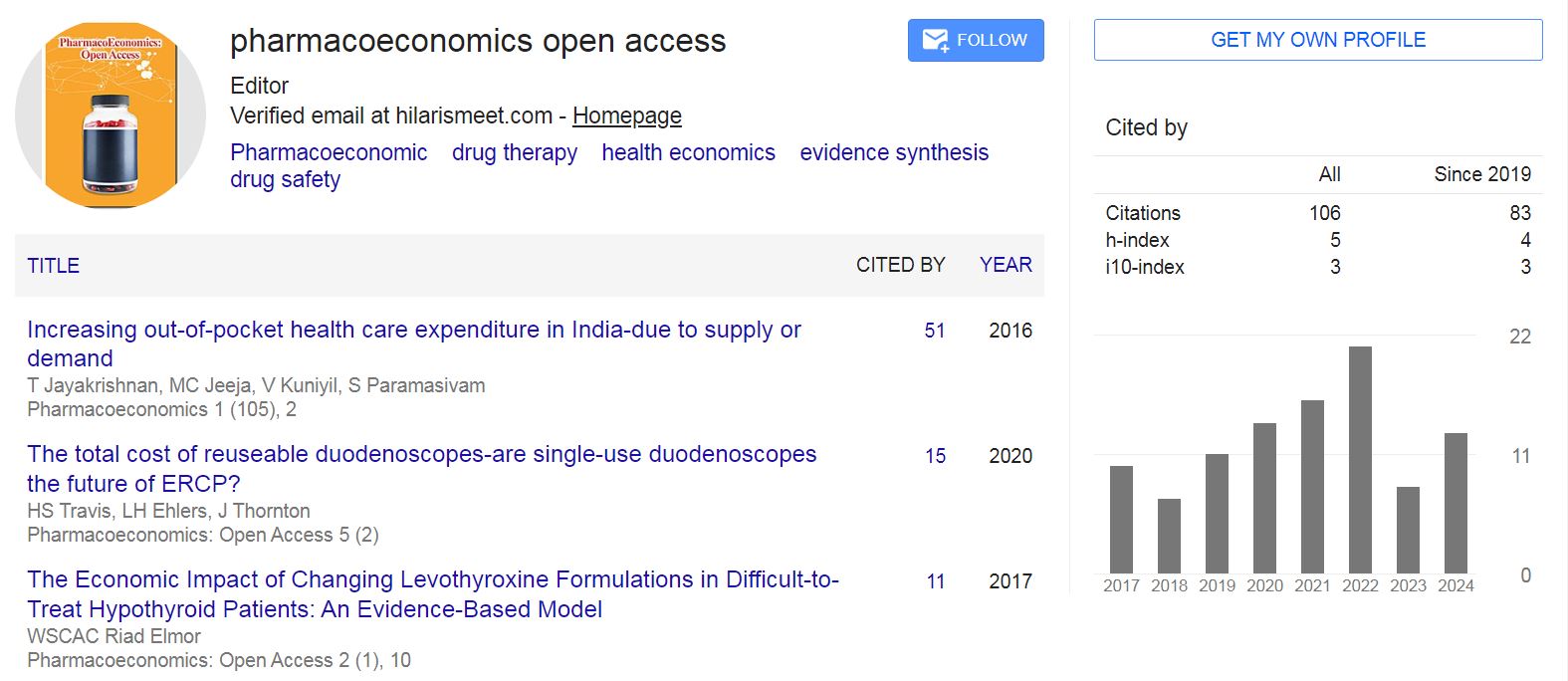
Pharmacoeconomics: Open Access received 106 citations as per Google Scholar report