Brief Report - (2025) Volume 9, Issue 4
Received: 01-Aug-2025, Manuscript No. cmcr-25-178303;
Editor assigned: 04-Aug-2025, Pre QC No. P-178303;
Reviewed: 18-Aug-2025, QC No. Q-178303;
Revised: 22-Aug-2025, Manuscript No. R-178303;
Published:
29-Aug-2025
, DOI: 10.37421/2684-4915.2025.9. 383
Citation: Deshmukh, Pranav. ”Tackling Global Diagnostic Delays: A Multifaceted Approach.” Clin Med Case Rep 09 (2025):383.
Copyright: © 2025 Deshmukh P. This is an open-access article distributed under the terms of the Creative Commons Attribution License, which permits unrestricted use, distribution and reproduction in any medium, provided the original author and source are credited.
Diagnostic delays represent a critical challenge within modern healthcare, impacting patient health, economic stability, and the overall efficiency of medical systems across numerous disease categories. The repercussions of these delays are far-reaching, from compromised clinical outcomes to severe psychological distress for affected individuals. Acknowledging and understanding the multifaceted nature of diagnostic delay is the first step toward developing effective mitigation strategies. In the realm of oncology, prompt diagnosis is paramount. Studies highlight that diagnostic delays in cancer frequently culminate in adverse clinical outcomes, including more advanced disease stages, reduced survival rates, and significantly decreased treatment efficacy. This emphasizes a critical need for timely diagnosis to enhance patient prognosis [1].
The challenges are particularly acute for patients suffering from rare diseases. These individuals often face a prolonged diagnostic odyssey, which can average several years. This extended period is frequently marked by significant patient suffering, repeated misdiagnoses, and considerable delays in accessing appropriate and specialized care. Such experiences underscore the inherent complexities involved in diagnosing less common conditions effectively [2].
Beyond rare diseases, autoimmune inflammatory conditions also present significant diagnostic hurdles. A study conducted in Portugal revealed substantial delays in both diagnosing and initiating treatment for these diseases. Key contributing factors identified included the initial misinterpretation of symptoms by healthcare providers and a discernible lack of awareness among primary care practitioners, factors which ultimately impede disease progression and negatively affect patient outcomes [3].
Even in acute medical emergencies, diagnostic delays can occur with serious implications. For instance, a retrospective study examining acute myocardial infarction in emergency departments identified several contributing factors. These included patient-related issues such as the presentation of atypical symptoms and system-related problems like varying levels of physician experience and instances of initial misdiagnosis. Understanding these elements is vital for implementing interventions aimed at improving timely care delivery [4].
The broad impact of diagnostic delays on patient outcomes and healthcare costs is consistently documented. Research confirms a strong correlation between significant delays and a poorer prognosis, increased patient morbidity, and substantially higher long-term healthcare expenditures. This financial burden arises from the necessity of more advanced disease states requiring complex interventions, thereby stressing both the economic and human costs of delayed diagnoses [5].
Recognizing these pervasive issues, efforts are underway to leverage technological advancements to improve diagnostic pathways. Digital health interventions are emerging as promising tools in mitigating diagnostic delays, particularly within oncology. Innovations such such as Artificial Intelligence (AI)-powered diagnostics, telehealth services, and electronic symptom checkers are showing potential in accelerating early detection and streamlining patient pathways. However, further validation of these tools is still required to confirm their widespread efficacy [6].
The human cost of diagnostic delays extends beyond physical health and financial burden. A profound psychological impact is often experienced by individuals with chronic and rare diseases facing diagnostic uncertainty. This can manifest as high levels of anxiety, depression, persistent uncertainty, and a growing distrust in healthcare systems that seem unable to provide answers. Consequently, there is a clear need for integrated psychological support throughout the diagnostic process to address these emotional and mental health challenges [7].
To directly combat diagnostic errors, various strategies have been evaluated. Interventions such as the implementation of Clinical Decision Support Systems (CDSS), encouraging second opinions, and developing comprehensive educational programs for healthcare professionals have been found to be effective. These findings suggest that a multi-faceted approach is crucial for achieving improvements in diagnostic accuracy and reducing overall delays [8].
Healthcare system infrastructure and processes also play a significant role. Qualitative studies investigating challenges in primary care environments point to issues like limited resources, persistent time constraints, inadequate access to specialist consultations, and communication gaps as major contributors to diagnostic delays. Proposed solutions include fostering enhanced inter-professional collaboration and establishing improved referral pathways to streamline patient care [9].
Finally, the unique challenges of pediatric rare diseases warrant specific attention. Diagnostic delays in this vulnerable population are often attributed to factors such as the inherent rarity of the disease, the presence of non-specific symptoms that mimic common ailments, and limited physician awareness regarding these conditions. Addressing these factors may involve solutions such as expanded newborn screening programs, broader access to genetic testing, and fostering improved communication channels between specialists and families to expedite accurate diagnoses [10].
Diagnostic delays pose a significant and persistent challenge across diverse medical fields, leading to profound negative consequences for patients, healthcare systems, and society at large. These delays are not confined to specific conditions but are a pervasive issue impacting cancer care, rare diseases, autoimmune disorders, and acute medical emergencies alike. Understanding the root causes, the scope of impact, and potential mitigation strategies is crucial for improving patient outcomes.
One of the most critical areas affected by diagnostic delays is oncology. Prolonged periods before a definitive cancer diagnosis are directly linked to adverse clinical outcomes, including the progression to more advanced disease stages, diminished chances of survival, and a reduction in the overall effectiveness of treatment [C001]. This highlights how essential timely intervention is for a favorable patient prognosis. The situation is particularly poignant for individuals with rare diseases, who frequently experience what is known as a â??diagnostic odyssey.â? This journey can span several years, during which patients often endure immense suffering, encounter numerous misdiagnoses, and face substantial delays in accessing appropriate, specialized care. These experiences underscore the inherent complexities and unique challenges involved in accurately identifying less common conditions [C002]. Similarly, patients suffering from autoimmune inflammatory diseases in countries like Portugal often face considerable delays in both diagnosis and the commencement of treatment. Factors such as the initial misinterpretation of symptoms by primary care providers and a general lack of awareness regarding these conditions are identified as primary contributors, ultimately exacerbating disease progression and worsening patient outcomes [C003].
The contributing factors to diagnostic delays are multifaceted, encompassing both patient-related and systemic issues. In emergency settings, for instance, diagnostic delays for acute conditions like myocardial infarction can stem from patients presenting atypical symptoms, which complicate initial assessment. Systemic factors, such as varying levels of physician experience and instances of initial misdiagnosis, also play a significant role [C004]. More broadly, systemic challenges within primary care settings contribute to these delays, including limited resources, time constraints on consultations, inadequate access to specialist referrals, and breakdowns in communication between different care providers [C009]. These structural deficiencies often leave patients in a limbo of uncertainty, struggling to navigate a fragmented healthcare landscape. For pediatric rare diseases, the challenges are compounded by the diseaseâ??s rarity, the non-specific nature of symptoms in children, and a lack of specific awareness among many physicians. These elements prolong the diagnostic process for a vulnerable population [C010].
The consequences of diagnostic delays are far-reaching, extending beyond immediate clinical outcomes to impact patient well-being and healthcare economics. Beyond the physical deterioration and reduced survival rates, delays correlate with increased patient morbidity and substantial long-term healthcare expenditures. This is primarily due to the necessity for more advanced and complex interventions once a disease has progressed, creating a significant economic and human burden [C005]. Moreover, the psychological impact on individuals enduring chronic and rare diseases without a clear diagnosis is profound. Many experience heightened levels of anxiety and depression, persistent uncertainty about their future, and a palpable distrust in healthcare systems that seem unable to provide answers. This underscores the critical need for robust psychological support to accompany patients throughout their diagnostic journey [C007].
Addressing these pervasive delays requires a strategic, multi-pronged approach combining technological innovation, professional education, and systemic improvements. Digital health interventions are emerging as powerful tools, particularly in oncology, where Artificial Intelligence (AI)-powered diagnostics, telehealth platforms, and electronic symptom checkers show promise in accelerating early detection and streamlining patient pathways [C006]. To combat diagnostic errors directly, effective strategies include the implementation of Clinical Decision Support Systems (CDSS), promoting the practice of seeking second opinions, and providing ongoing educational programs for healthcare professionals. These measures highlight the necessity of a comprehensive approach to improve diagnostic accuracy [C008]. Solutions also involve strengthening primary care by enhancing inter-professional collaboration and optimizing referral pathways to specialists [C009]. For pediatric rare diseases, specific interventions like expanding newborn screening programs, increasing access to genetic testing, and fostering clear, consistent communication between specialists and families are vital to reduce diagnostic delays and ensure prompt, accurate care [C010].
Diagnostic delays in healthcare pose a significant global challenge, profoundly impacting patient outcomes across various conditions. For cancer patients, these delays often lead to advanced disease stages, diminished survival rates, and reduced treatment effectiveness, underscoring the vital role of early diagnosis for improved prognosis [1]. Similarly, individuals grappling with rare diseases frequently endure an extended diagnostic journey, sometimes lasting years, characterized by considerable suffering, repeated misdiagnoses, and delayed access to necessary care [2]. This issue extends to autoimmune inflammatory diseases, where misinterpretation of initial symptoms and a lack of awareness among primary care providers contribute to significant diagnostic and treatment initiation delays, subsequently worsening disease progression [3]. The broader consequences of these delays are substantial, encompassing not only poorer prognoses and increased morbidity but also elevated long-term healthcare costs due to more complex interventions for advanced disease states [5]. Factors contributing to these delays are diverse, ranging from patient-specific atypical symptoms to systemic issues like limited resources, time constraints, and insufficient access to specialists, particularly in emergency departments and primary care settings [4, 9]. The psychological toll on patients, especially those with chronic and rare conditions, is considerable, manifesting as heightened anxiety, depression, and a pervasive distrust in healthcare systems [7]. Addressing this complex problem requires multifaceted approaches. Digital health interventions, including Artificial Intelligence (AI)-powered diagnostics and telehealth, show promise in oncology for accelerating early detection [6]. Effective strategies to reduce diagnostic errors involve Clinical Decision Support Systems (CDSS), seeking second opinions, and implementing targeted educational programs for healthcare professionals [8]. Furthermore, improving referral pathways, enhancing inter-professional collaboration, expanding genetic testing, and ensuring better communication, especially in pediatric rare diseases, are crucial steps to mitigate these delays and improve overall patient care [9, 10]. This collective effort is essential to alleviate the human and economic burden of delayed diagnoses.
None
None
Indexed at, Google Scholar, Crossref
Indexed at, Google Scholar, Crossref
Indexed at, Google Scholar, Crossref
Indexed at, Google Scholar, Crossref
Indexed at, Google Scholar, Crossref
Indexed at, Google Scholar, Crossref
Indexed at, Google Scholar, Crossref
Indexed at, Google Scholar, Crossref
Indexed at, Google Scholar, Crossref
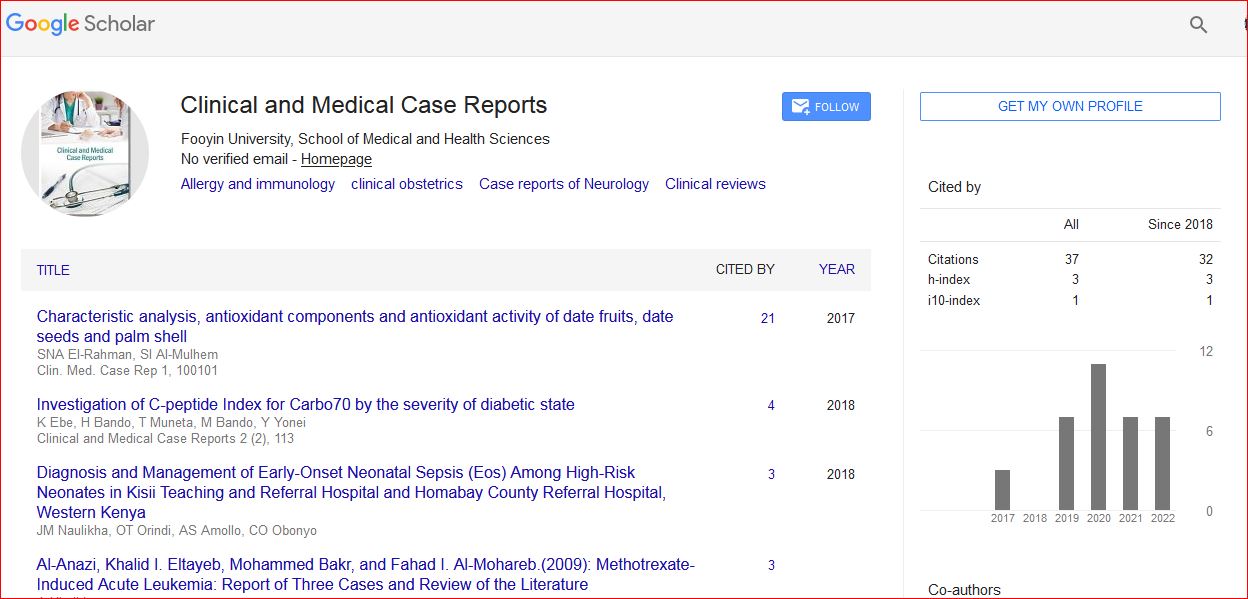
Clinical and Medical Case Reports received 53 citations as per Google Scholar report