Perspective - (2025) Volume 10, Issue 4
Received: 01-Jul-2025, Manuscript No. JPNM-26-185763;
Editor assigned: 03-Jul-2025, Pre QC No. P-185763;
Reviewed: 17-Jul-2025, QC No. Q-185763;
Revised: 22-Jul-2025, Manuscript No. R-185763;
Published:
29-Jul-2025
, DOI: 10.37421/2472-100X.2025.10.359
Citation: Johnson, Samuel. ”Pediatric Cardiovascular Health: Prevention, Detection, Management.” J Pediatr Neurol Med 10 (2025):359.
Copyright: © 2025 Johnson S. This is an open-access article distributed under the terms of the Creative Commons Attribution License, which permits unrestricted use, distribution and reproduction in any medium, provided the original author and source are credited.
The field of pediatric cardiovascular health is a critical area of medical research and practice, demanding a multifaceted approach to prevention, early detection, and management of a wide range of conditions affecting the developing heart [1].
This comprehensive understanding is essential for ensuring the long-term well-being of children and adolescents. One significant focus within this domain is the genetic basis of congenital heart defects (CHDs), which represent a substantial burden of disease in early life and often necessitate lifelong monitoring and care [2].
Investigating the genomic landscape provides vital clues for identifying at-risk individuals and developing targeted interventions to mitigate the impact of these conditions. Furthermore, the escalating prevalence of pediatric obesity is a primary driver of cardiovascular disease risk in this population, making lifestyle interventions a cornerstone of preventive strategies aimed at improving cardiovascular health markers [3].
These interventions encompass dietary modifications, increased physical activity, and behavioral support, all crucial for combating the long-term consequences of excess weight. Advanced diagnostic imaging techniques play an indispensable role in the early identification and precise monitoring of pediatric cardiomyopathies, enabling timely treatment and improving patient prognoses through detailed visualization of heart muscle function and structure [4].
The intricate relationship between maternal health during pregnancy and fetal cardiovascular development is another pivotal area of study, as maternal conditions can significantly influence the risk of congenital heart anomalies in offspring, underscoring the importance of robust prenatal care [5].
The primary care setting serves as a vital frontline for the early detection of pediatric cardiovascular disease, equipping physicians with essential screening protocols and the knowledge to identify potential red flags during routine check-ups [6].
Empowering general pediatricians facilitates timely referral and intervention, potentially averting serious complications. Survivors of childhood cancer face a unique set of long-term cardiovascular challenges, with increased risks of heart problems stemming from treatments like chemotherapy and radiation, necessitating ongoing surveillance and preventive measures throughout their lives [7].
The development of novel, non-invasive screening tools holds immense promise for the rapid and accurate early detection of conditions such as Kawasaki disease, a leading cause of acquired heart disease in children, thereby enabling prompt treatment and preventing lasting cardiac damage [8].
The growing concern of pediatric hypertension requires dedicated diagnostic and management strategies, including pharmacological and non-pharmacological approaches, to address this escalating contributor to cardiovascular risk in youth and beyond [9].
Understanding and effectively managing pediatric arrhythmias, from common rhythm disturbances to those associated with congenital heart defects, is paramount for ensuring optimal long-term cardiovascular health and quality of life for affected children [10].
The proactive prevention of pediatric cardiovascular health issues hinges on a deep understanding of modifiable risk factors and the implementation of lifestyle interventions [1].
These strategies aim to mitigate the impact of factors such as diet and physical activity levels, which are increasingly recognized as crucial determinants of cardiac well-being from a young age. The intricate genetic underpinnings of congenital heart defects (CHDs) are central to early diagnosis and risk stratification, with ongoing research uncovering novel genetic variants that offer insights into disease mechanisms and potential therapeutic targets [2].
This genetic focus is vital for identifying families at higher risk and guiding genetic counseling efforts. Lifestyle interventions are paramount in the fight against pediatric obesity, a significant contributor to cardiovascular disease. Evidence supports the effectiveness of dietary changes, increased physical activity, and behavioral modifications in improving cardiovascular health markers among children, forming the basis for public health initiatives and clinical practice guidelines [3].
The application of advanced imaging techniques, including echocardiography, cardiac MRI, and CT scans, is indispensable for the early detection and diligent monitoring of pediatric cardiomyopathies, providing detailed anatomical and functional information essential for guiding patient management [4].
The maternal health environment during pregnancy plays a profound role in fetal cardiovascular development, with pre-existing maternal diseases and pregnancy complications being significant risk factors for congenital heart defects and other cardiovascular anomalies in offspring, highlighting the critical importance of comprehensive prenatal care [5].
Primary care physicians are on the front lines of pediatric cardiovascular disease detection, utilizing established screening protocols and recognizing critical red flags during routine visits to ensure timely referral and intervention for children with suspected cardiac abnormalities [6].
The long-term cardiovascular sequelae experienced by survivors of childhood cancer represent a substantial clinical challenge. Cancer treatments can significantly increase the risk of heart problems later in life, necessitating lifelong surveillance and tailored preventive strategies for this vulnerable population [7].
The development and validation of novel, non-invasive screening tools are revolutionizing the early detection of conditions like Kawasaki disease. These innovative methods are crucial for rapid identification of affected children, enabling prompt treatment to prevent cardiac damage and improve outcomes [8].
Pediatric hypertension is a growing concern with significant implications for long-term cardiovascular health. Effective management strategies, encompassing both pharmacological and non-pharmacological interventions, are essential for controlling blood pressure and reducing future cardiovascular risk in children and adolescents [9].
The diagnosis and management of pediatric arrhythmias are critical for preventing adverse long-term cardiovascular outcomes. A comprehensive understanding of various rhythm disturbances, coupled with advanced diagnostic and interventional electrophysiology techniques, is vital for optimizing patient care and prognosis [10].
This collection of research addresses critical aspects of pediatric cardiovascular health, emphasizing prevention, early detection, and management. Key themes include the importance of proactive strategies, lifestyle interventions for obesity, and the role of advanced diagnostic tools like imaging and genetic analysis in identifying conditions such as congenital heart defects and cardiomyopathies. The papers also highlight the significance of maternal health in fetal development, the crucial role of primary care in screening, long-term risks for childhood cancer survivors, novel screening methods for Kawasaki disease, management of pediatric hypertension, and the diagnosis and treatment of pediatric arrhythmias. Collectively, these studies underscore the need for a comprehensive, multidisciplinary approach to ensure the cardiovascular well-being of children throughout their lives.
None
None
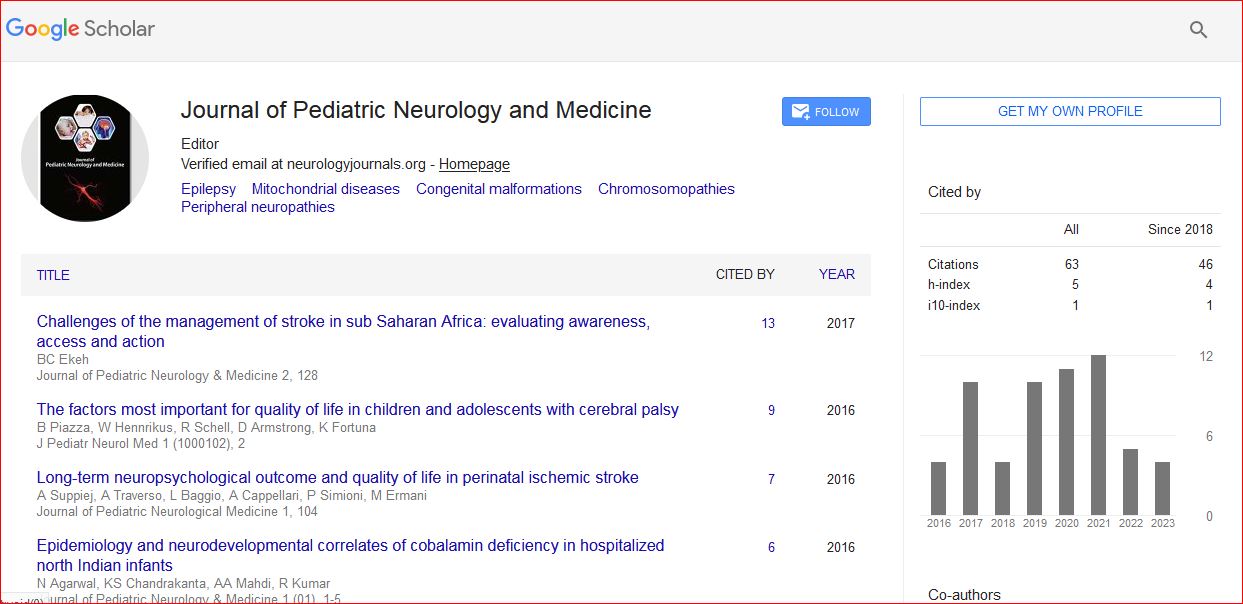
Journal of Pediatric Neurology and Medicine received 68 citations as per Google Scholar report