Commentary - (2025) Volume 21, Issue 4
Received: 01-Jul-2025, Manuscript No. jos-26-185164;
Editor assigned: 03-Jul-2025, Pre QC No. P-185164;
Reviewed: 17-Jul-2025, QC No. Q-185164;
Revised: 22-Jul-2025, Manuscript No. R-185164;
Published:
29-Jul-2025
, DOI: 10.37421/1584-9341.2024.20.213
Citation: Salah, Omar Ben. ”Operating Room Noise: Impact On
Surgical Performance And Safety.” J Surg 21 (2025):213.
Copyright: © 2025 Salah B. Omar This is an open-access article distributed under the terms of the Creative Commons Attribution License, which permits unrestricted use,
distribution and reproduction in any medium, provided the original author and source are credited.
Operating room noise is a significant factor impacting surgical team performance, potentially leading to increased errors, communication breakdowns, and decreased efficiency. Understanding the sources and effects of this noise is crucial for developing strategies to mitigate its negative consequences and optimize patient care [1].
This study investigated common noise sources in the operating room, identifying equipment alarms, conversations, and surgical instruments as primary contributors. The findings highlight the need for noise reduction protocols and improved environmental design [2].
The cognitive load on surgical teams increases with high noise levels, affecting concentration, decision-making, and the ability to process critical information. This research underscores the direct link between auditory distraction and impaired cognitive function during surgery [3].
Communication within the surgical team is significantly hindered by operating room noise, leading to misunderstandings and potential errors. This paper emphasizes the importance of clear, concise communication protocols, especially in noisy environments [4].
Surgical errors are more likely to occur in noisy operating rooms, as evidenced by this study which found a correlation between high decibel levels and increased adverse events. The implications for patient safety are profound [5].
This paper explores practical strategies for noise reduction in the operating room, including equipment maintenance, real-time noise monitoring, and the implementation of quiet zones. The focus is on actionable interventions for surgical teams [6].
The perception of noise can vary among surgical team members, influencing their stress levels and performance. This research examines the subjective experience of operating room noise and its impact on team well-being [7].
This study evaluates the effectiveness of specific interventions, such as noise-canceling headphones and audible alarm management systems, in reducing the negative effects of operating room noise on surgical team performance [8].
The article reviews the physiological and psychological responses of surgical teams to high-noise environments, including increased stress hormones, auditory fatigue, and reduced concentration, all of which can compromise performance [9].
This research highlights the importance of designing operating rooms with acoustics in mind to minimize noise pollution and enhance the surgical environment. Recommendations for architectural and technological solutions are provided [10].
Operating room noise is a significant factor impacting surgical team performance, potentially leading to increased errors, communication breakdowns, and decreased efficiency. Understanding the sources and effects of this noise is crucial for developing strategies to mitigate its negative consequences and optimize patient care [1].
This study investigated common noise sources in the operating room, identifying equipment alarms, conversations, and surgical instruments as primary contributors. The findings highlight the need for noise reduction protocols and improved environmental design [2].
The cognitive load on surgical teams increases with high noise levels, affecting concentration, decision-making, and the ability to process critical information. This research underscores the direct link between auditory distraction and impaired cognitive function during surgery [3].
Communication within the surgical team is significantly hindered by operating room noise, leading to misunderstandings and potential errors. This paper emphasizes the importance of clear, concise communication protocols, especially in noisy environments [4].
Surgical errors are more likely to occur in noisy operating rooms, as evidenced by this study which found a correlation between high decibel levels and increased adverse events. The implications for patient safety are profound [5].
This paper explores practical strategies for noise reduction in the operating room, including equipment maintenance, real-time noise monitoring, and the implementation of quiet zones. The focus is on actionable interventions for surgical teams [6].
The perception of noise can vary among surgical team members, influencing their stress levels and performance. This research examines the subjective experience of operating room noise and its impact on team well-being [7].
This study evaluates the effectiveness of specific interventions, such as noise-canceling headphones and audible alarm management systems, in reducing the negative effects of operating room noise on surgical team performance [8].
The article reviews the physiological and psychological responses of surgical teams to high-noise environments, including increased stress hormones, auditory fatigue, and reduced concentration, all of which can compromise performance [9].
This research highlights the importance of designing operating rooms with acoustics in mind to minimize noise pollution and enhance the surgical environment. Recommendations for architectural and technological solutions are provided [10].
Operating room noise significantly impacts surgical team performance, leading to errors, communication issues, and decreased efficiency. Common noise sources include equipment alarms, conversations, and surgical instruments. High noise levels increase cognitive load, affecting concentration and decision-making, and hinder team communication, potentially causing misunderstandings and errors. Consequently, surgical errors and adverse patient events are more likely in noisy environments. Strategies for noise reduction, such as equipment maintenance and real-time monitoring, are essential. Interventions like noise-canceling headphones and alarm management systems can be effective. The subjective perception of noise also affects team well-being and performance. Physiological and psychological responses to noise include increased stress and fatigue. Designing operating rooms with acoustics in mind is crucial for mitigating noise pollution and optimizing the surgical environment.
None
None
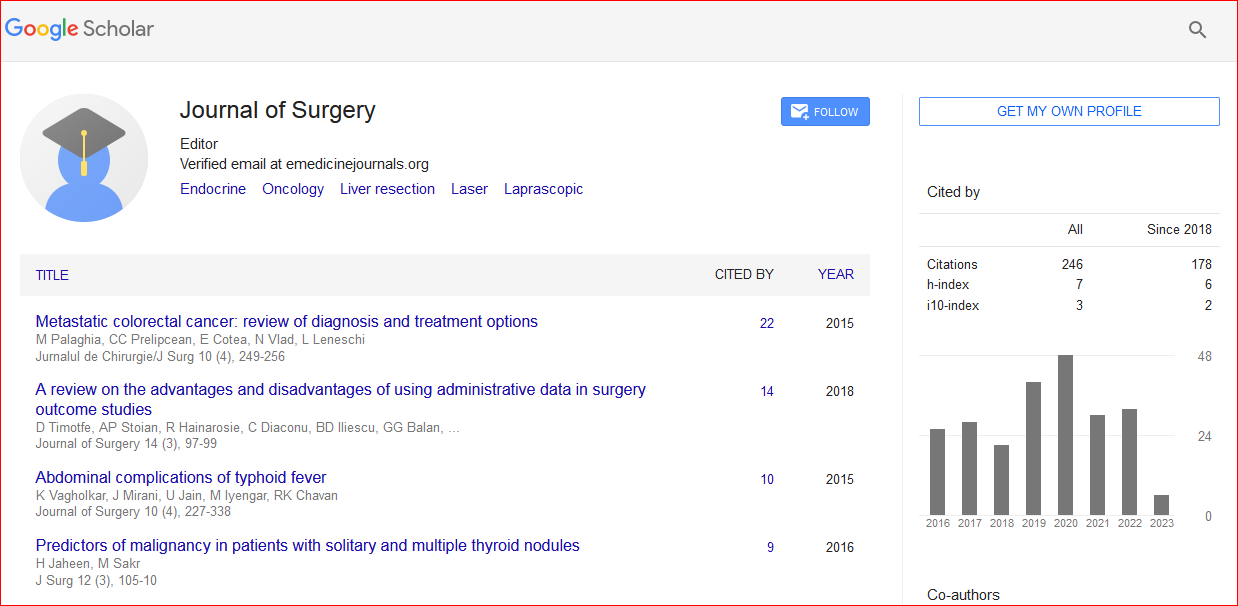
Journal of Surgery received 288 citations as per Google Scholar report