Commentary - (2025) Volume 10, Issue 4
Received: 01-Jul-2025, Manuscript No. JPNM-26-185766;
Editor assigned: 03-Jul-2025, Pre QC No. P-185766;
Reviewed: 17-Jul-2025, QC No. Q-185766;
Revised: 22-Jul-2025, Manuscript No. R-185766;
Published:
29-Jul-2025
, DOI: 10.37421/2472-100X.2025.10.356
Citation: Zhou, Mei Lin. ”Nurturing Healthy Children: Nutrition For Growth.” J Pediatr Neurol Med 10 (2025):356.
Copyright: © 2025 Zhou L. Mei This is an open-access article distributed under the terms of the Creative Commons Attribution License, which permits unrestricted use, distribution and reproduction in any medium, provided the original author and source are credited.
Promoting healthy growth in children is a multifaceted endeavor that necessitates a comprehensive understanding and application of established nutritional guidelines. These guidelines serve as the bedrock for ensuring children receive the essential building blocks for optimal development, encompassing physical maturation, cognitive function, and robust disease prevention. A cornerstone of these recommendations is the emphasis on a balanced intake of macronutrients, including carbohydrates, proteins, and fats, alongside a diverse array of micronutrients such as vitamins and minerals, all of which are indispensable for a child's developmental trajectory [1].
The critical role of micronutrients, particularly iron and vitamin D, cannot be overstated in the context of optimal child development. Iron deficiency, for instance, has been strongly linked to impairments in cognitive function and motor skill development, while vitamin D is fundamentally important for maintaining bone health and regulating the immune system. Current guidelines underscore the significance of fortified foods and, in specific instances, supplementation, to ensure children meet their daily nutrient requirements. This proactive approach also involves monitoring individual nutrient intake and considering unique needs, such as those of breastfed infants or children with specific dietary restrictions, to foster healthy growth [2].
Establishing healthy eating habits from the earliest stages of life is a fundamental strategy for preventing the rising incidence of childhood obesity and its associated metabolic disorders. Guidelines consistently advocate for the introduction of a diverse range of nutrient-dense foods, actively involving children in the process of food preparation, and cultivating a positive and nurturing mealtime environment. Complementary to dietary advice, limiting screen time during meals and encouraging regular physical activity are also emphasized as crucial components that support healthy weight management and overall well-being. The pervasive influence of family members and caregivers in modeling these healthy behaviors is of paramount importance [3].
The transition from infancy to early childhood marks a significant phase characterized by evolving dietary needs and habits, making appropriate nutritional guidance particularly essential. For toddlers, the focus shifts towards ensuring the consumption of nutrient-rich foods rather than simply the quantity of food consumed. Encouraging self-feeding practices and offering a wide variety of textures and flavors can significantly contribute to a child's acceptance of healthy food options. Furthermore, parental awareness of common choking hazards and the importance of providing balanced, developmentally appropriate meals are vital for supporting continued physical and cognitive growth [4].
Adolescence represents a period of accelerated physical growth and development, which consequently demands an increased intake of essential nutrients to support these rapid changes. Nutritional guidelines for adolescents place a strong emphasis on ensuring adequate protein for muscle development, sufficient calcium and vitamin D for bone mineralization, and iron, particularly for young females who are menstruating. Promoting healthy food choices and proactively addressing potential nutrient gaps, such as those that may arise in children following vegetarian or vegan diets, are critical considerations for ensuring optimal health during these formative years [5].
The significance of healthy fats in a child's diet is a crucial aspect of nutritional guidance that warrants considerable attention. Omega-3 fatty acids, readily found in sources such as fatty fish, play a vital role in brain development and overall cognitive function. Guidelines recommend the incorporation of these essential fats into a child's diet while simultaneously advising the limitation of saturated and trans fats, which are known contributors to cardiovascular health issues later in life. Educating parents and caregivers about the diverse sources of healthy fats and their inherent benefits is paramount for enabling informed dietary decisions [6].
Ensuring adequate fiber intake is recognized as a key component within established nutritional guidelines for children. Dietary fiber plays a crucial role in supporting digestive health, aiding in the regulation of blood sugar levels, and contributing to a feeling of satiety, which can be instrumental in effective weight management. Encouraging the consumption of whole grains, an abundance of fruits and vegetables, and legumes not only provides children with essential fiber but also delivers a spectrum of other vital nutrients. Educating families on the importance of fiber and providing practical strategies for incorporating high-fiber foods into daily meals is highly beneficial [7].
The detrimental impact of sugary drinks on children's health represents a significant concern that is consistently addressed in nutritional guidelines worldwide. High consumption of beverages laden with added sugars is demonstrably linked to an elevated risk of obesity, the development of type 2 diabetes, and an increased incidence of dental caries. Consequently, recommendations strongly advise limiting or completely eliminating these drinks, advocating instead for water and unsweetened milk as the primary beverage choices. Public health initiatives and comprehensive education campaigns are indispensable in driving shifts in consumption patterns towards healthier alternatives [8].
Food allergies and intolerances present distinct and complex challenges in the pursuit of ensuring children receive adequate nutrition to support healthy growth. Nutritional guidelines often advocate for the early introduction of potentially allergenic foods, conducted under appropriate medical supervision, as a strategy that may reduce the risk of developing allergies later in life. For children who have already been diagnosed with specific allergies, meticulous meal planning becomes an essential requirement to effectively avoid triggers while simultaneously guaranteeing a balanced intake of necessary nutrients vital for growth and development [9].
The broader social and environmental context in which children eat significantly influences their nutritional intake and overall growth trajectory. Creating supportive environments within schools and communities, actively promoting access to affordable and nutritious foods, and integrating comprehensive nutrition education into school curricula are all vital strategies. Addressing critical issues such as food insecurity and fostering positive and consistent mealtime routines within the home are also paramount for nurturing healthy growth and preventing malnutrition in all its manifestations [10].
Promoting healthy growth in children hinges on a consistent adherence to established nutritional guidelines, which are designed to ensure a balanced intake of essential macronutrients like carbohydrates, proteins, and fats, as well as crucial micronutrients including vitamins and minerals. These components are vital for supporting cognitive development, facilitating physical maturation, and building a robust defense against various diseases. Key recommendations consistently advise limiting the consumption of processed foods, sugary beverages, and excessive sodium, while actively encouraging a wide variety of fruits, vegetables, whole grains, and lean protein sources. Furthermore, ensuring adequate hydration is recognized as paramount. By focusing on these fundamental dietary principles, a strong foundation for lifelong health can be effectively established [1].
The pivotal role of micronutrients, especially iron and vitamin D, is critically important for optimal child development. Iron deficiency can have a detrimental effect on cognitive abilities and motor skills, while vitamin D is indispensable for maintaining healthy bones and ensuring the proper regulation of the immune system. Current guidelines emphasize the importance of fortified foods and, in certain situations, the necessity of supplementation to guarantee that children meet their daily micronutrient requirements. A crucial aspect of this approach involves monitoring nutrient intake and considering individual circumstances, such as the unique needs of breastfed infants or children adhering to specific dietary restrictions, to effectively promote healthy growth [2].
Establishing healthy eating habits from an early age is fundamental in the prevention of childhood obesity and the spectrum of related metabolic disorders. Nutritional guidelines strongly advocate for offering a diverse range of nutrient-dense foods, encouraging children's participation in food preparation activities, and fostering a positive and supportive mealtime environment. Reducing screen time during meals and promoting physical activity in conjunction with dietary recommendations are also key strategies that contribute to healthy weight management and overall well-being. The significant influence of family members and caregivers in modeling these healthy behaviors cannot be overstated and plays a crucial role in long-term success [3].
The developmental transition from infancy to early childhood involves substantial dietary shifts, making the provision of appropriate nutritional guidelines essential. For toddlers, the emphasis is placed on consuming nutrient-rich foods rather than focusing on excessive quantities. Encouraging self-feeding and presenting a variety of textures and flavors can significantly enhance a child's acceptance of healthy food options. Parents and caregivers must also remain vigilant regarding common choking hazards and ensure that meals are balanced and developmentally suitable, thereby supporting continuous physical and cognitive growth [4].
Adolescence is characterized by rapid physical growth and development, necessitating an increased intake of nutrients to adequately support these significant biological changes. Nutritional guidelines specifically tailored for adolescents highlight the importance of sufficient protein for muscle development, adequate calcium and vitamin D for optimal bone mineralization, and iron, with particular attention paid to menstruating females. Promoting sound food choices and effectively addressing potential nutrient deficiencies, such as those that might arise in children following vegetarian or vegan diets, are crucial considerations for ensuring the best possible health outcomes during these formative years [5].
The indispensable role of healthy fats within a child's diet is a critical aspect that nutritional guidelines consistently emphasize. Omega-3 fatty acids, which are abundant in sources like fatty fish, are essential for proper brain development and overall cognitive function. Guidelines recommend integrating these vital fats into a child's dietary pattern while concurrently advising the limitation of saturated and trans fats, which are associated with an increased risk of cardiovascular health problems later in life. Comprehensive education for parents and caregivers regarding the sources and benefits of healthy fats is vital for enabling informed dietary choices [6].
Promoting adequate fiber intake stands out as a key component of nutritional guidelines established for children. Dietary fiber is instrumental in supporting healthy digestive function, assisting in the regulation of blood sugar levels, and contributing to satiety, which can play a role in weight management. Encouraging the consumption of whole grains, a wide array of fruits and vegetables, and legumes ensures that children receive essential fiber alongside a wealth of other critical nutrients. Educating families about the importance of fiber and providing practical methods for incorporating high-fiber foods into daily meals is a beneficial endeavor [7].
The significant health implications of sugary drink consumption among children are a prominent concern addressed within nutritional guidelines. A high intake of beverages containing added sugars is strongly associated with an increased risk of developing obesity, type 2 diabetes, and dental caries. Consequently, recommendations unequivocally advise limiting or eliminating these drinks altogether, promoting water and unsweetened milk as the primary beverage choices. The effectiveness of public health initiatives and educational campaigns in guiding these consumption patterns toward healthier alternatives is crucial [8].
Food allergies and intolerances present unique nutritional challenges that require careful consideration to ensure children receive adequate nutrients for healthy growth. Guidelines often suggest the early introduction of allergenic foods, when done under appropriate medical supervision, as a potential strategy to mitigate the risk of developing allergies. For children already diagnosed with specific food allergies, precise meal planning is indispensable to avoid allergic reactions while simultaneously ensuring a balanced intake of nutrients essential for their growth and development [9].
The social and environmental factors surrounding a child's eating habits exert a considerable influence on their nutritional intake and overall growth. The establishment of supportive environments within educational institutions and communities, the enhancement of access to affordable and healthy food options, and the integration of nutrition education into school curricula are all critical interventions. Addressing issues such as food insecurity and fostering positive mealtime routines at home are equally vital for promoting healthy growth and combating malnutrition in its various forms [10].
Promoting healthy growth in children is achieved through adherence to nutritional guidelines focusing on balanced macronutrient and micronutrient intake, essential for cognitive and physical development. Key recommendations include limiting processed foods and sugary drinks while encouraging fruits, vegetables, whole grains, and lean proteins. Micronutrients like iron and vitamin D are critical, with guidelines suggesting fortified foods or supplements to meet needs. Early establishment of healthy eating habits is vital for preventing childhood obesity, involving diverse nutrient-dense foods and positive mealtime environments. For toddlers, nutrient-rich foods and varied textures are important, while adolescents require increased nutrients for rapid growth, emphasizing protein, calcium, vitamin D, and iron. Healthy fats, particularly omega-3s, are crucial for brain development, and adequate fiber intake supports digestive health and satiety. Limiting sugary drinks is strongly advised due to their link to obesity and diabetes. Food allergies necessitate careful meal planning to ensure adequate nutrition. Social and environmental factors, including access to healthy food and nutrition education, also play a significant role in a child's overall growth and well-being.
None
None
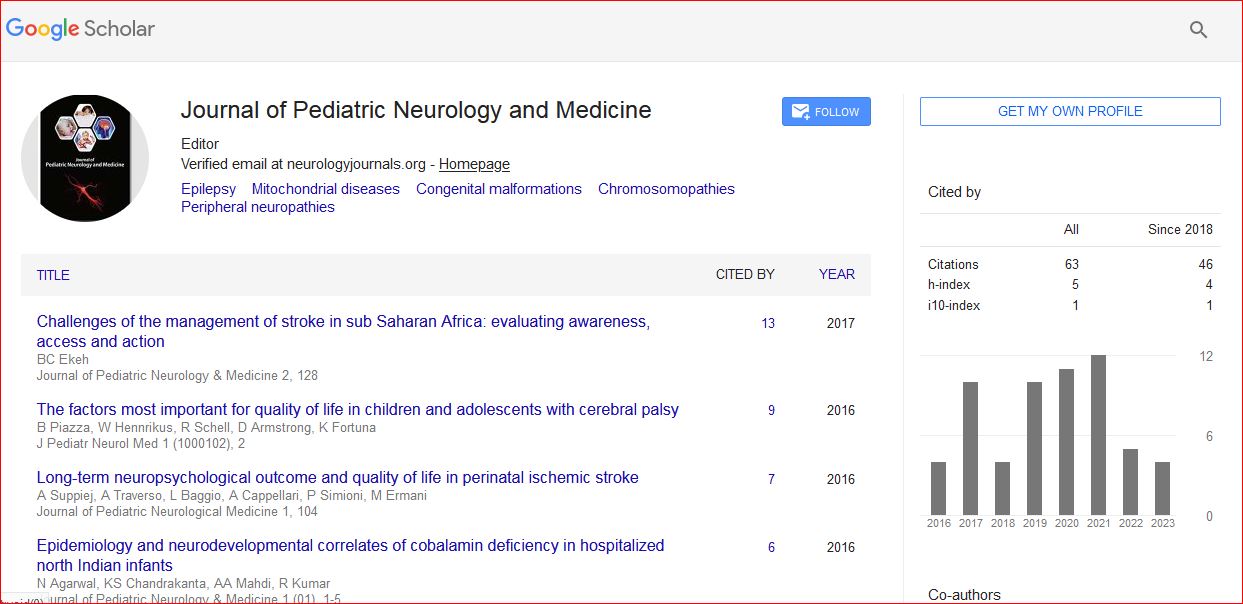
Journal of Pediatric Neurology and Medicine received 68 citations as per Google Scholar report