Perspective - (2025) Volume 10, Issue 6
Received: 01-Nov-2025, Manuscript No. PE-26-179323;
Editor assigned: 03-Nov-2025, Pre QC No. P-179323;
Reviewed: 17-Nov-2025, QC No. Q-179323;
Revised: 24-Nov-2025, Manuscript No. R-179323;
Published:
29-Nov-2025
, DOI: 10.37421/2472-1042.2025.10.318
Citation: Caldwell, Robert J.. ”NEML Budgets: Challenges, Strategies, and Sustainable Integration.” Pharmacoeconomics 10 (2025):318.
Copyright: © 2025 Caldwell J. Robert This is an open-access article distributed under the terms of the Creative Commons Attribution License, which permits unrestricted use, distribution and reproduction in any medium, provided the original author and source are credited.
National Essential Medicines Lists (NEMLs) are foundational to ensuring access to vital healthcare treatments, yet their implementation and maintenance present significant budgetary considerations. These lists, designed to guide drug selection and promote affordability, often necessitate substantial financial planning due to the inherent costs associated with pharmaceutical procurement and utilization. The economic implications are multifaceted, requiring careful resource allocation strategies from the outset of their development and throughout their integration into healthcare systems. The evolution of NEMLs is closely tied to the financial sustainability of national health programs. In low-resource settings, the introduction of an updated Essential Medicines List (EML) can lead to projected increases in pharmaceutical expenditure. Identifying key cost drivers, such as the inclusion of novel, high-cost medications or increased demand for existing treatments, is paramount for informed policy decisions and maintaining financial viability. The integration of cutting-edge therapeutic agents, particularly novel oncology drugs, onto NEMLs poses a significant financial challenge. These advanced therapies, while offering substantial clinical benefits, can impose a considerable burden on national budgets. Thus, a thorough evaluation of their value proposition is crucial, balancing the promise of innovation with the imperative of affordability. Financing mechanisms play a pivotal role in shaping the budgetary impact of NEMLs. Comparing different models, such as pooled procurement versus decentralized purchasing, reveals the potential for substantial cost savings through centralized negotiation and streamlined supply chains. The adoption of integrated health financing strategies is advocated to optimize the economic sustainability of essential medicines access. The strategic utilization of generic medicines stands out as a powerful tool for mitigating the financial strain associated with NEMLs. Actively promoting the use of off-patent essential medicines can lead to significant reductions in overall pharmaceutical expenditure. This, in turn, frees up valuable resources that can be redirected towards newer, potentially more innovative treatments. Looking beyond immediate costs, understanding the long-term budget impact of NEMLs is essential. Dynamic modeling approaches are necessary to account for factors such as evolving disease prevalence, the emergence of new therapeutic classes, and the impact of patent expiries. This ensures the list remains relevant and fiscally sustainable over time. The financial implications of incorporating advanced biological therapies, such as biologics and biosimilars, onto NEMLs require specific attention. The differential pricing and utilization patterns of these complex medicines can significantly influence overall drug expenditure. Strategies like volume-based discounts and leveraging biosimilar competition are key to managing these financial impacts. The process by which NEMLs are updated also has a direct bearing on their budget impact. Comparing proactive, evidence-based revision cycles with reactive approaches highlights how a structured update process can lead to better cost containment. This ensures that the list accurately reflects current therapeutic needs and economic realities. Beyond purely financial considerations, transparency and robust stakeholder engagement are critical for managing the budgetary impact of NEMLs. Open dialogue among policymakers, healthcare providers, patients, and manufacturers can foster more sustainable pricing agreements and a more equitable distribution of resources, acknowledging the interplay of political and economic factors. Finally, the influence of global health initiatives and international aid on national NEMLs cannot be overlooked. External funding can shape national pharmaceutical spending and medicine selection, presenting challenges in aligning donor priorities with local health needs and ensuring the long-term financial viability of essential medicines programs once external support diminishes.
National Essential Medicines Lists (NEMLs) serve as a cornerstone for rational drug selection and affordability within healthcare systems. However, their development and implementation carry significant financial implications, demanding meticulous resource allocation and strategic planning to manage the inherent budget impact. The economic sustainability of these lists is a crucial aspect of their successful integration and continued relevance. In resource-constrained environments, the financial consequences of revising and updating an Essential Medicines List (EML) are particularly pronounced. Such updates can lead to a quantifiable increase in pharmaceutical expenditure, driven by the introduction of novel, high-cost medications and potentially increased utilization of existing drugs. Robust pharmacoeconomic evaluations and budget impact modeling are therefore indispensable for informing policy decisions and ensuring the EML remains financially viable. The inclusion of cutting-edge therapies, such as novel oncology drugs, on national essential medicines lists presents a substantial budgetary challenge. These advanced treatments, while offering significant clinical advancements, can impose a considerable financial burden. Consequently, a thorough assessment of their value proposition is essential, necessitating a careful balance between fostering medical innovation and maintaining fiscal responsibility. Various financing mechanisms significantly influence the budgetary impact of NEMLs. Comparative analyses of different models, including pooled procurement versus individual hospital purchasing, underscore the substantial cost savings achievable through centralized negotiation and streamlined procurement processes. The adoption of integrated health financing strategies is strongly recommended to optimize the economic sustainability of essential medicines access. The role of generic medicines in mitigating the financial burden of essential medicines lists is substantial. Actively promoting the use of off-patent essential medicines can lead to considerable reductions in overall pharmaceutical expenditure. This strategy not only enhances affordability but also frees up resources that can be allocated to newer, more innovative treatments, thereby improving overall therapeutic coverage. Forecasting the long-term budget impact of maintaining and updating NEMLs is a complex undertaking. This requires dynamic modeling that accounts for a multitude of factors, including shifts in disease prevalence, the introduction of new therapeutic categories, and the expiration of drug patents. Such an approach ensures that the list remains economically viable and responsive to evolving healthcare needs. The inclusion of biologics and biosimilars on NEMLs introduces specific budgetary considerations due to their complex nature and differential pricing structures. Examining the interplay between pricing, utilization patterns, and the introduction of biosimilars is crucial for managing their impact on overall drug expenditure. Strategies such as volume-based discounts and fostering biosimilar competition are vital. The approach to updating essential medicines lists directly affects their budgetary impact. A comparison between proactive and reactive revision cycles reveals that structured, evidence-based, and timely updates can lead to more effective cost containment. This underscores the importance of a well-defined governance framework for managing the list's evolution. Transparency and robust stakeholder engagement are crucial for effectively managing the budgetary impact of NEMLs. Facilitating open communication and collaborative decision-making among policymakers, healthcare providers, patients, and pharmaceutical manufacturers can lead to more sustainable pricing agreements and a more equitable distribution of healthcare resources, acknowledging the complex political and economic dimensions. Lastly, the influence of global health initiatives and international aid on national NEMLs warrants careful consideration. External funding can shape national pharmaceutical spending and medicine selection, posing challenges in aligning donor priorities with domestic health needs and ensuring the long-term financial sustainability of essential medicines programs beyond the duration of external support.
National Essential Medicines Lists (NEMLs) are vital for drug selection and affordability but pose significant budget challenges. Studies highlight the economic implications of NEMLs, emphasizing the need for careful resource allocation. Strategies like preferential formulary placement, manufacturer negotiation, and promoting generics are crucial for sustainable integration. In low-resource settings, updated EMLs can increase pharmaceutical expenditure, necessitating pharmacoeconomic evaluations. Novel oncology drugs and biologics/biosimilars present particular financial burdens, requiring value assessments and strategic procurement. Financing models, such as pooled procurement, can yield cost savings. Generic medicine utilization significantly reduces expenditure, freeing resources for innovation. Long-term budget projections require dynamic modeling considering evolving factors. Proactive list updates and transparent stakeholder engagement are essential for cost containment and equitable resource distribution. Global health initiatives also influence national NEML budgets, requiring alignment with local needs.
None
None
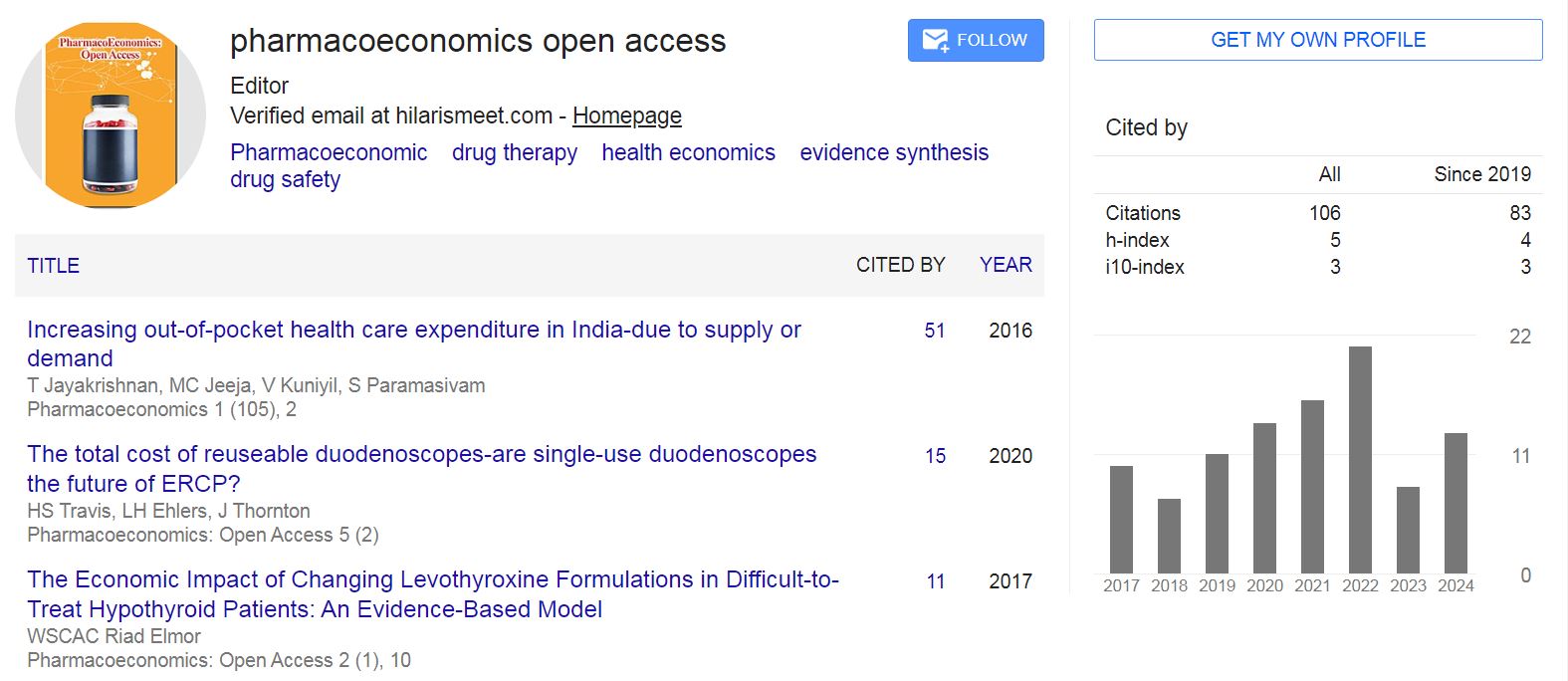
Pharmacoeconomics: Open Access received 106 citations as per Google Scholar report